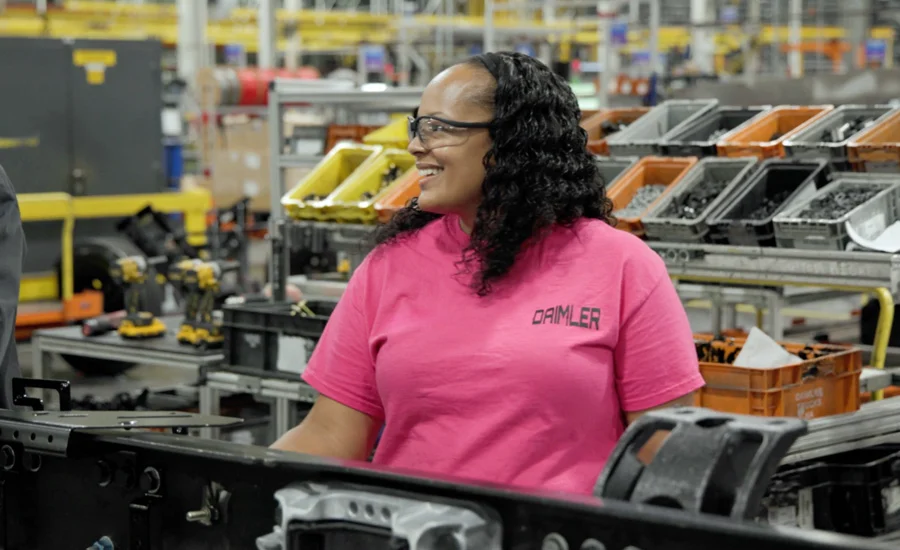
Daimler Truck North America (DTNA) has announced its intention to construct a state-of-the-art assembly plant in the United States, a pivotal move designed to significantly bolster its long-term strategy, address escalating customer demand, enhance operational agility, and solidify its expansive production capabilities across the North American continent. This major investment underscores DTNA’s commitment to strengthening its domestic manufacturing footprint and adapting to the dynamic needs of the commercial vehicle market.
Strategic Rationale and Leadership Vision
The decision to embark on a greenfield project of this magnitude reflects a calculated strategic imperative for DTNA, a leading player in the heavy-duty and medium-duty truck segments in North America. Karin Rådström, President and CEO of Daimler Truck, articulated the core vision behind this initiative: "This new manufacturing facility supports our long-term growth plans for North America. It strengthens our ability to serve customers by responding faster and more flexibly to their evolving needs while unlocking our full potential through growth, scale and efficiency." Her statement highlights a dual objective: to optimize market responsiveness and to achieve greater operational synergies, positioning DTNA for sustained growth in a competitive landscape.
The North American commercial vehicle market, characterized by its sheer size and diverse demands—ranging from long-haul transportation to specialized vocational applications—requires manufacturers to maintain robust and adaptable production capacities. DTNA, through its iconic brands like Freightliner and Western Star, commands a substantial share of this market. Investing in a new, technologically advanced plant will allow the company to better manage product cycles, incorporate new technologies more rapidly, and mitigate potential disruptions in the global supply chain, which have become a significant concern for manufacturers worldwide in recent years. This strategic expansion is not merely about increasing output but about building resilience and future-proofing the company’s manufacturing network.
Deep Dive into the New Facility’s Capabilities
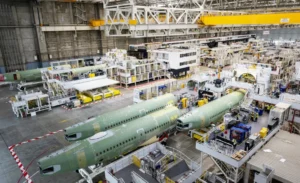
The planned facility is envisioned as a purpose-built, greenfield site, signifying a ground-up construction project rather than an expansion of an existing plant. This approach provides DTNA with the unique opportunity to design and implement cutting-edge production technologies and flexible manufacturing systems from the outset. The new plant is expected to significantly expand DTNA’s overall manufacturing capacity, with a particular focus on strengthening both vocational and on-highway truck production.
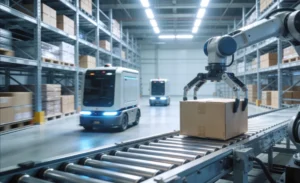
Vocational trucks, such as dump trucks, refuse trucks, and utility vehicles, often require highly customized configurations and specialized assembly processes. By enhancing vocational production capabilities, DTNA aims to better cater to the specific and often complex requirements of these niche markets. Simultaneously, boosting on-highway production will support the continued demand for Freightliner’s class-leading long-haul trucks, which are the backbone of logistics and freight transportation across North America. The integration of advanced automation, robotics, and data-driven manufacturing processes within the new facility is anticipated to set new benchmarks for efficiency, quality, and adaptability in truck production. Such systems not only streamline assembly but also allow for rapid retooling and customization, which is crucial in a market that increasingly demands bespoke vehicle solutions.
The Site Selection Process: A Critical Juncture
The rigorous process of selecting the optimal location for this ambitious project is currently underway, with DTNA evaluating multiple potential sites across the United States. This decision is multifaceted, influenced by a comprehensive set of criteria designed to ensure long-term operational success and strategic alignment. Key considerations include:
- Access to a Stable and Efficient Supply Chain: Proximity to key suppliers of components, raw materials, and sub-assemblies is paramount. A well-established local or regional supplier network can significantly reduce logistics costs, minimize lead times, and enhance supply chain resilience, especially in the wake of global disruptions experienced in recent years.
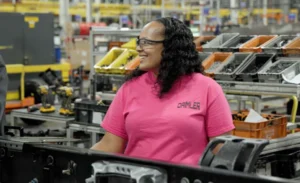
- Availability of a Skilled Workforce: The successful operation of an advanced manufacturing facility hinges on access to a highly skilled and adaptable labor pool. This includes not only assembly line workers but also engineers, technicians, quality control specialists, and logistics personnel. Regions with strong educational institutions, vocational training programs, and a history of manufacturing employment are often favored.
- Transportation and Logistics Infrastructure: Robust infrastructure, including access to major highways, rail lines, and potentially intermodal hubs or ports, is essential for efficient inbound delivery of materials and outbound shipment of finished vehicles to dealerships and customers across North America.
- Favorable Business Environment: States and localities with supportive government policies, competitive tax structures, economic development incentives, and a streamlined regulatory environment are highly attractive to large-scale industrial investments. These factors can significantly influence the overall cost and feasibility of a project.
- Alignment with DTNA’s Long-Term Manufacturing Strategy: The chosen site must integrate seamlessly with DTNA’s existing manufacturing network and support its broader strategic objectives, including sustainability goals, digitalization initiatives, and future product development pipelines, particularly those related to electric and autonomous commercial vehicles.
Given these stringent criteria, states with strong manufacturing traditions, robust transportation networks, and proactive economic development agencies—such as those in the Southeast, Midwest, and potentially the Southwest—are likely contenders for such a significant investment. The decision-making process will involve extensive due diligence, including environmental impact assessments, community engagement, and detailed financial modeling.
Economic Impact and Job Creation
Following the final site selection, construction of the new facility is projected to commence in late 2026, with operations targeted to begin in 2029. This multi-year timeline underscores the scale and complexity of the project. The economic impact of such a substantial investment is expected to be profound, extending far beyond the immediate creation of manufacturing jobs. DTNA projects that the facility will create "thousands of manufacturing jobs," a figure that could easily translate into a total economic footprint several times larger when considering indirect and induced employment.
A new assembly plant typically generates significant ripple effects throughout the regional economy. This includes demand for construction services during the building phase, followed by a sustained need for local suppliers, logistics providers, maintenance companies, and various support services. The influx of a large workforce also stimulates local economies through increased demand for housing, retail, education, and healthcare services. Moreover, the presence of a major manufacturer like DTNA often attracts further investment from suppliers and ancillary businesses, fostering the development of a robust industrial ecosystem. State and local governments will also benefit from increased tax revenues, supporting public services and infrastructure improvements.
DTNA’s Existing Manufacturing Footprint
The new plant will complement DTNA’s already extensive manufacturing network across the United States. The company currently operates several key assembly plants:
- Cleveland, NC: A primary heavy-duty truck manufacturing facility, producing Freightliner Cascadia and other models.
- Gastonia, NC: Specializes in parts manufacturing and remanufacturing, crucial for the supply chain.
- Mount Holly, NC: Another significant assembly plant for medium-duty and heavy-duty trucks.
- High Point, NC: Focuses on bus manufacturing (Thomas Built Buses) and specialized vehicle production.
- Gaffney, SC: Produces Freightliner Custom Chassis Corporation (FCCC) chassis for various applications, including RVs and walk-in vans.
In addition to these manufacturing sites, Portland, Oregon, serves as DTNA’s corporate headquarters and a vital engineering hub, playing a critical role in research, development, and design innovation for its North American product portfolio. The strategic distribution of these facilities across different regions of the U.S. provides DTNA with geographical diversification, optimizing logistics and talent acquisition. The new plant will enhance this network by adding significant capacity and flexibility, potentially allowing for specialization or redundancy that bolsters the entire system.
Contextualizing Recent Workforce Adjustments
The announcement of this long-term investment comes amidst a backdrop of recent adjustments in DTNA’s workforce, illustrating the cyclical nature of the heavy-duty truck market and the strategic agility required to navigate it. In September, the truck maker confirmed plans to recall 400 assembly line workers who were among approximately 2,000 employees laid off in mid-2024 (correcting the likely typo of "July 2025" in the original article) across DTNA’s North American manufacturing network. The company also indicated the possibility of bringing back an additional 200 workers by the end of the year.
These layoffs were a response to a softening in demand for commercial vehicles, a common occurrence after periods of high production and inventory buildup. The subsequent recall of workers signals an improvement in market conditions or a strategic adjustment in production targets. This pattern of adjusting workforce levels based on market fluctuations is typical in capital-intensive industries like truck manufacturing. However, the decision to build a brand-new, multi-billion-dollar facility despite these short-term market corrections underscores DTNA’s unwavering confidence in the long-term growth trajectory of the North American commercial vehicle market and its strategic position within it. It highlights a dual strategy: managing short-term market volatility while making significant investments for future growth and market leadership.
Broader Industry Trends and Market Position
DTNA, through its Freightliner and Western Star brands, holds a commanding position in the North American Class 8 truck market, often exceeding 35-40% market share. This market dominance is a testament to its product quality, expansive dealer network, and strong customer relationships. The commercial vehicle industry, however, is undergoing a transformative period driven by several megatrends:
- Electrification: The push towards zero-emission vehicles is accelerating, with increasing regulatory pressures and growing customer interest in electric trucks for both regional haul and vocational applications. DTNA has been at the forefront of this transition, investing heavily in electric truck development and infrastructure. A new, purpose-built plant could be designed to readily accommodate the assembly of battery-electric vehicles (BEVs) alongside traditional internal combustion engine (ICE) trucks, offering flexibility for future powertrain mixes.
- Automation and Connectivity: Autonomous driving technologies and advanced driver-assistance systems (ADAS) are becoming increasingly sophisticated, promising enhanced safety and efficiency. Connected vehicle technologies are also transforming fleet management and logistics. The new facility will likely incorporate systems that facilitate the integration of these advanced technologies into the assembly process.
- Supply Chain Resilience: The COVID-19 pandemic and geopolitical tensions exposed vulnerabilities in global supply chains. Manufacturers are increasingly prioritizing regionalization and diversification of their supply bases. A new U.S. plant strengthens DTNA’s regional manufacturing capacity, reducing reliance on overseas production and improving responsiveness to regional supply chain dynamics.
- Customer-Centric Customization: Fleet operators and individual businesses increasingly demand trucks tailored to their specific operational needs. Flexible manufacturing systems in the new plant will be crucial for efficiently producing a wide variety of configurations, from specialized vocational bodies to optimized on-highway setups.
This new plant is a direct response to these evolving trends, allowing DTNA to maintain its competitive edge by enhancing its ability to innovate, produce, and deliver advanced commercial vehicles to market more efficiently.
Implications for North American Commercial Vehicle Market
The addition of a significant new assembly plant by a market leader like DTNA will have several implications for the North American commercial vehicle market:
- Increased Capacity and Competition: The expanded capacity will likely lead to greater competition, particularly as other manufacturers also invest in new technologies and production capabilities. This competition could benefit customers through more innovative products and potentially better pricing.
- Supply Chain Development: The new plant will undoubtedly spur further development of the regional supply chain, creating opportunities for existing and new suppliers to locate or expand their operations near the facility, fostering a more localized and resilient manufacturing ecosystem.
- Technological Advancement: As a state-of-the-art facility, it will likely serve as a benchmark for advanced manufacturing practices, potentially driving other industry players to adopt similar technologies and processes to remain competitive.
- Economic Diversification: For the chosen region, the plant will represent a significant anchor investment, diversifying the local economy and providing high-paying manufacturing jobs.
Challenges and Outlook
While the prospects are overwhelmingly positive, DTNA will undoubtedly face challenges in bringing this ambitious project to fruition. These include navigating complex regulatory environments, securing a sufficiently skilled workforce in a competitive labor market, managing the immense logistical undertaking of construction, and integrating the new facility seamlessly into its existing global production network. The capital investment for such a greenfield plant is typically in the range of hundreds of millions to over a billion dollars, signifying a substantial long-term commitment.
Despite these challenges, the long-term outlook for DTNA’s investment is robust. By enhancing its production capabilities and flexibility, the company is positioning itself to capitalize on the sustained demand for commercial vehicles in North America, drive innovation, and adapt effectively to the industry’s ongoing transformation towards electrification, automation, and increased sustainability. This new assembly plant represents a powerful statement of confidence in the future of U.S. manufacturing and DTNA’s enduring leadership in the commercial trucking sector.
The strategic importance of this new facility cannot be overstated. It represents a proactive measure by DTNA to secure its future growth, enhance its responsiveness to customer needs, and reinforce its position as a cornerstone of the North American commercial vehicle industry, driving economic development and technological advancement for decades to come.