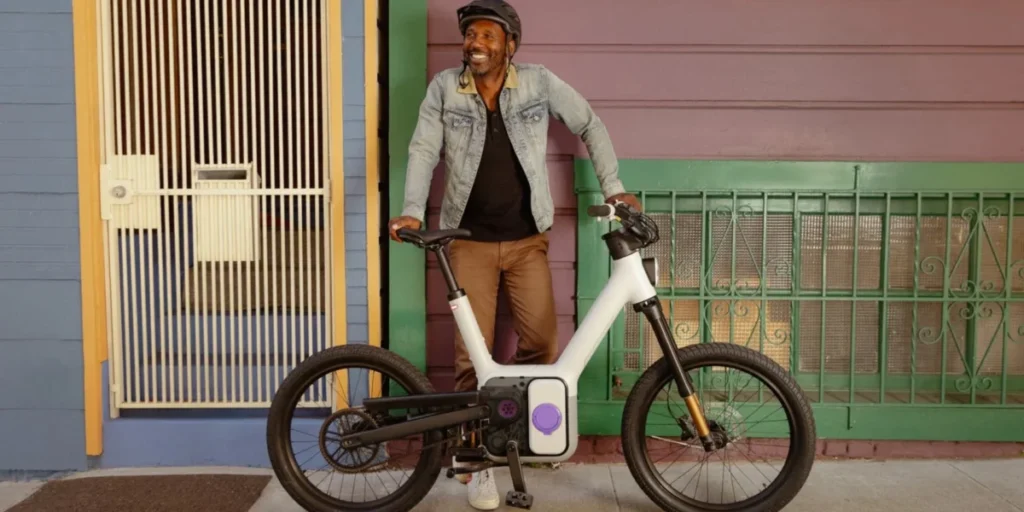
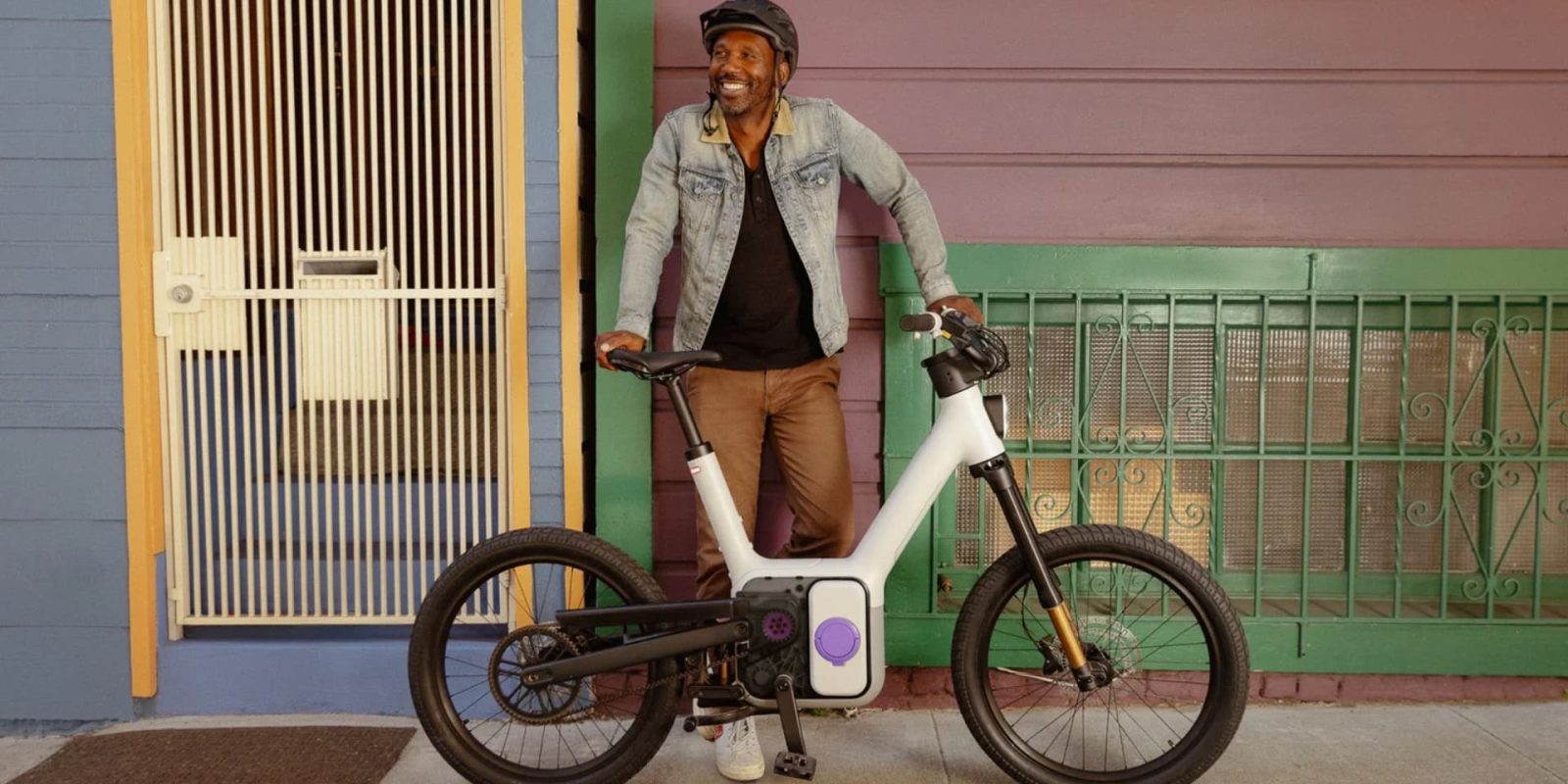
After a protracted period marked by significant delays, missed delivery windows, and growing impatience among its reservation holders, ALSO, the electric vehicle spinout from Rivian, has finally commenced deliveries of its highly anticipated electric bikes, the TM-B, to actual customers. The initial wave of Early Launch Edition models, priced at $4,500 USD, has begun arriving at owners’ doorsteps, with several early adopters taking to social media platforms to share their inaugural impressions and real-world riding experiences. While these initial reports are largely positive, the first real-world range figures are providing a pragmatic perspective on some of the bike’s more ambitious performance claims.
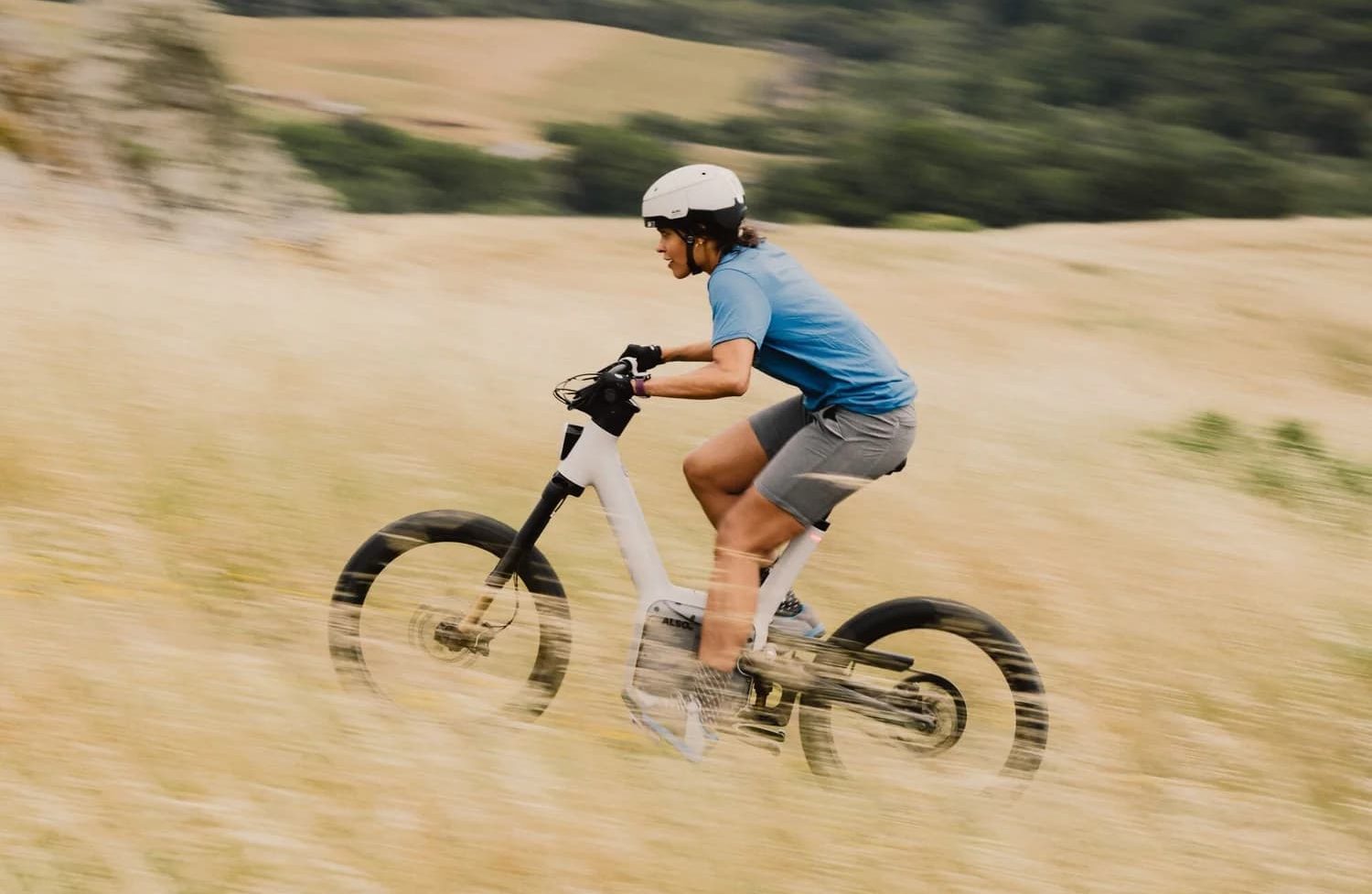
The journey of the ALSO TM-B to market has been far from smooth, characterized by a series of setbacks that have tested the patience of its dedicated customer base. The company, which emerged from the innovative ecosystem of Rivian, has infused its electric bicycle with a distinct EV-centric design philosophy. This approach has resulted in a machine that significantly diverges from the conventional aesthetics and operational paradigms of many existing e-bikes.
A Revolutionary Drivetrain: The DreamRide System
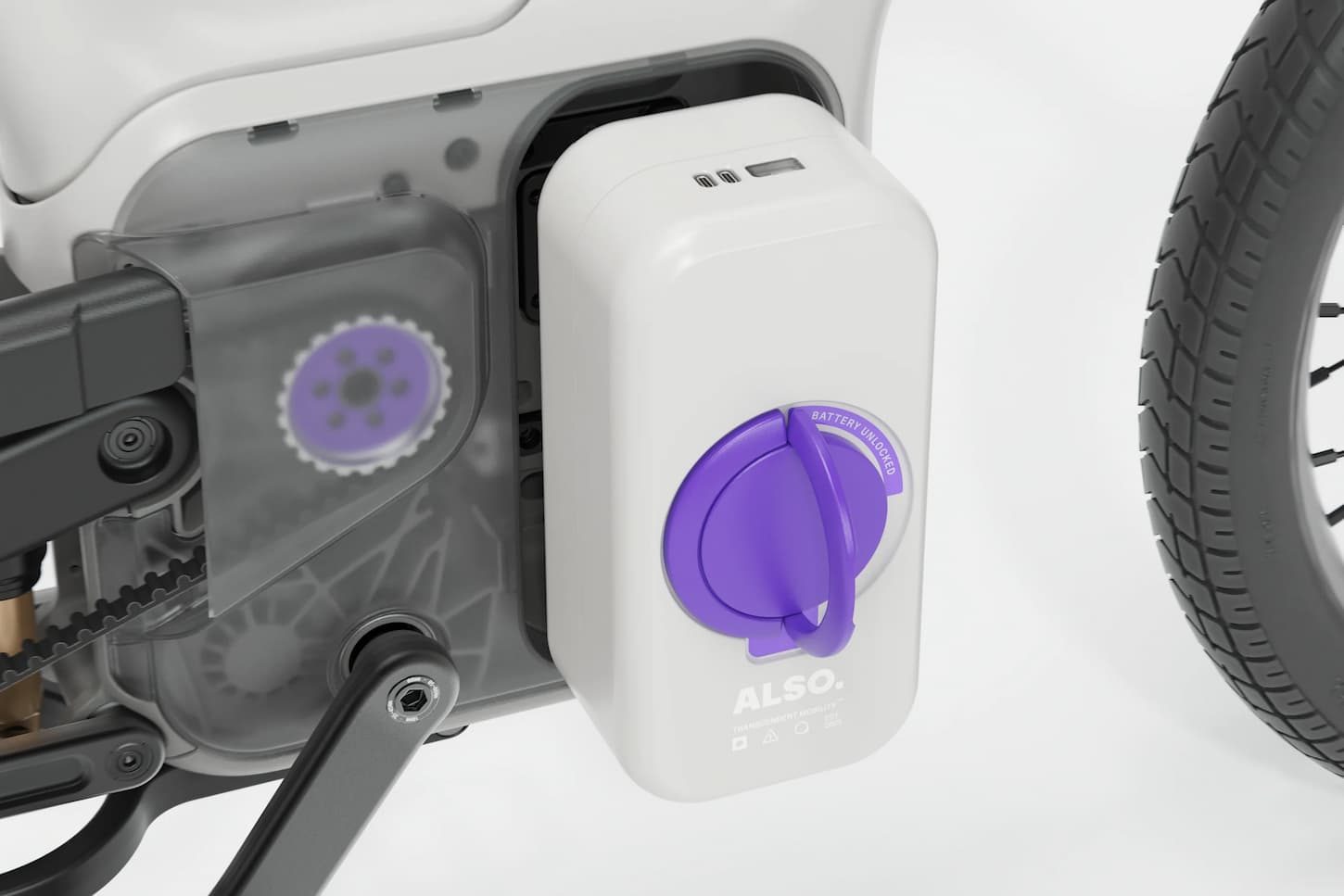
At the heart of the TM-B’s unique proposition lies ALSO’s proprietary DreamRide drive system. This innovative technology eschews the traditional mechanical drivetrain typically found in bicycles. Instead, it employs a pedal-by-wire setup coupled with a potent electric motor. The act of pedaling does not directly engage a chain or belt to drive the rear wheel. Instead, it generates electronic input that precisely controls the motor’s output. This sophisticated system allows ALSO to fine-tune the riding experience through software updates, offering a level of customization and responsiveness previously unseen in the e-bike market.
Beyond its groundbreaking drivetrain, the TM-B boasts several other distinctive features. Among these are swappable top frames, allowing for a degree of personalization and potential utility expansion, and an unconventional approach to the throttle mechanism.
The "Boost" Button: A Novel Throttle Interpretation
Early adopters have been particularly vocal about the TM-B’s unique throttle implementation. One owner, sharing insights on a dedicated Reddit forum, elaborated on how the thumb control operates, distinguishing it from traditional e-bike throttles. "When you depress the throttle and you’re not pedaling, nothing happens," the owner explained. "But when pedaling, it temporarily increases the assist to the max level and the bike takes off like a rocket. It’s unbelievably responsive and fast. I’m completely satisfied with how this works; I don’t really have any interest in an eBike that operates like a motorcycle and accelerates without pedaling."
This distinction is noteworthy, especially given the evolving regulatory landscape surrounding e-bikes, which varies significantly from state to state. By designing the system as a temporary "boost" button activated by pedaling rather than an independent throttle, ALSO appears to be navigating these regulatory complexities with a carefully considered approach. The immediate feedback suggests that riders appreciate this nuanced implementation, which prioritizes an integrated, pedal-assist-focused experience.
Another new owner provided a succinct yet enthusiastic summary of their initial experience: "Very happy and impressed with the bike but please keep in mind I have never owned an e-bike so my summary might not be as detailed as others. To me this thing is a home run." Such positive early sentiment indicates that, despite the considerable wait, the TM-B is resonating with its intended audience.
Challenging the 100-Mile Range Claim: Real-World Performance Insights
A key aspect of the TM-B’s marketing has been its purported 100-mile range. However, initial real-world testing by an early owner has offered a more grounded perspective on this figure. This dedicated rider embarked on a comprehensive range test, commencing with a fully charged battery. After covering approximately 30 miles (51 km), the battery indicator showed a mere 4% remaining charge.
This particular test, as acknowledged by the rider, represented a challenging scenario. It involved sustained use of high pedal assist levels throughout the entire journey, the navigation of several steep inclines, and the presence of significant headwinds. These factors would naturally place a greater demand on the motor and battery system.
Furthermore, the TM-B exhibits a progressive reduction in maximum assistance as the battery depletes. According to the owner’s observations, the bike began to limit its power output when the battery reached 40% charge. The maximum assistance level, initially set at the highest 10x setting, reportedly decreased to 9x at the 40% mark and continued to step down gradually. By the time the battery reached 6% charge, only 2x assistance remained. Below this threshold, the rider noted that the TM-B began to feel akin to pedaling a standard, non-electric bicycle.
The reported 30 miles achieved under these demanding conditions, while falling short of the advertised 100-mile figure, is not entirely unexpected within the e-bike industry. Range estimates across the sector are frequently characterized by optimism, typically reflecting low-assistance riding under ideal environmental conditions rather than aggressive, full-power usage.
A Timeline of Delays and Industry Challenges
The path to customer delivery for the ALSO TM-B has been notably circuitous. ALSO originally projected an earlier market entry, but faced a series of repeated delays. These postponements frustrated early customers who had placed deposits, watching their anticipated delivery timelines repeatedly shift. During this period, ALSO engaged in a nationwide promotional tour, showcasing demonstration units of the TM-B, which likely amplified the sense of anticipation and, for some, further exacerbated the frustration of waiting.
The company has cited several reasons for these persistent delays. Hardware modifications stemming from component supply chain issues were a significant factor. Additionally, regulatory approval hurdles, particularly concerning the bike’s battery system and its high-power USB-C charging capabilities, contributed to the extended timeline. These challenges highlight the complexities of bringing novel electric mobility solutions to market, especially those incorporating advanced or proprietary technologies.
The Road Ahead: Assessing the TM-B’s Potential
With the first customer deliveries now underway, the narrative surrounding the TM-B is transitioning from "when will customers receive their bikes?" to "what is the actual customer experience?" As hundreds of TM-B e-bikes accumulate real-world mileage in the hands of their owners, it is inevitable that various quirks, potential complaints, and the typical first-generation teething problems will emerge.

Further comprehensive range testing, particularly under conditions that simulate more typical, lower-assist riding scenarios, will be crucial before definitive conclusions can be drawn regarding the realism of ALSO’s upper-end range claims. The industry standard for e-bike range often involves a "best-case scenario" approach, and a more nuanced understanding of the TM-B’s performance across its full assist spectrum is required.
However, for customers who have endured a prolonged waiting period, the simple act of finally receiving their long-awaited electric bicycle represents a significant milestone. The shift from company representatives showcasing the bikes to actual customers riding them marks a crucial turning point for ALSO.
As more TM-B units are delivered in the coming weeks, a clearer picture will undoubtedly emerge regarding whether ALSO’s distinctive and unconventional vision for the electric bicycle was indeed worth the extended wait. The company’s innovative approach, drawing inspiration from its EV manufacturing parentage, has the potential to redefine aspects of the e-bike experience, but its long-term success will ultimately depend on the sustained satisfaction of its customer base and its ability to deliver on the promise of its advanced technology. The initial positive feedback regarding the unique throttle system and overall ride quality bodes well, but the performance realities of range and long-term reliability will be the true determinants of the TM-B’s market impact.