The vision of a ubiquitous, nation-spanning electric vehicle (EV) charging infrastructure has long been presented as a public good, a critical component in the transition to sustainable transportation. However, the top executive of Ionna, an ambitious eight-automaker joint venture dedicated to building such a network, is making it clear that beneath the veneer of environmental advocacy lies a fundamentally commercial enterprise that must achieve profitability to endure.
Seth Cutler, the chief executive of Ionna, has been vocal about the venture’s core objective: to establish a financially independent and profitable business centered on EV charging. Speaking to The Drivecast, Cutler did not mince words regarding the stakes involved. "This is a for-profit business," he stated, underscoring that the success of EV charging infrastructure is inextricably linked to its commercial viability. "Infrastructure has to be for-profit or it’ll never survive, and if it never survives, EVs will never survive." This stark assessment highlights the crucial juncture at which the EV industry finds itself, dependent on the robust development of reliable and accessible charging solutions.
Ionna’s current operations are fueled by a substantial, though undisclosed, financial commitment from its eight founding automakers: BMW, Mercedes-Benz, General Motors, Honda, Hyundai, Kia, and Stellantis. Toyota later joined the consortium, completing the formidable lineup of manufacturers backing the initiative. Cutler, a seasoned veteran with extensive experience in the EV charging and energy sectors, understands that this initial capital infusion is a finite resource. The long-term sustainability of the network hinges on its ability to generate its own revenue and stand on its own financial feet.
A Multifaceted Profitability Strategy
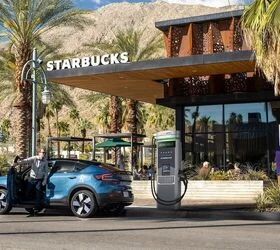
Ionna’s strategy for achieving profitability is not reliant on a single avenue but rather a multifaceted approach designed to capture value at various points in the charging ecosystem. One key element involves strategic partnerships with established convenience store chains, including Circle K, Wawa, Sheetz, and Casey’s. These collaborations aim to leverage existing high-traffic locations, integrating Ionna charging stations into retail environments where EV drivers are likely to stop for other needs. This synergy not only provides convenience for drivers but also creates a revenue stream for both Ionna and its retail partners.
Beyond these operational partnerships, Cutler revealed a more forward-thinking real estate strategy. Ionna has been actively acquiring land at numerous strategic sites across the country. In some instances, the company is developing its own amenities, constructing buildings that house vending machines, restrooms, and other services. A notable aspect of these proprietary facilities is the integration of advanced technology, such as Amazon’s "Just Walk Out" system, which allows for seamless, cashier-less transactions, further enhancing the customer experience and potentially creating new revenue opportunities.
Furthermore, Ionna is securing ground leases at other locations, reserving these sites for future development of charging stations or co-located businesses. Cutler likens these reserved plots to "seeds" planted underground, representing future potential. However, he emphasized that the company’s immediate focus remains on scaling its charging network and ensuring high-quality driver and charging experiences. The monetization of these strategically acquired land assets is a longer-term play, anticipated to contribute significantly to profitability in the years 2027, 2028, and beyond.
Scaling the Network: A Focus on Growth
For the present, Ionna’s primary metric for success is aggressive network expansion. Cutler articulated a clear and ambitious goal: to triple the size of the network within the current year, starting from an initial 80 operational charging locations at the beginning of the year. This rapid deployment is crucial for establishing a significant presence and addressing the growing demand for EV charging.
The burgeoning EV market, with its increasing adoption rates, has created a fertile ground for competition in the charging infrastructure space. Ionna is not alone in its endeavor to challenge the dominance of Tesla’s Supercharger network. Rivian, another prominent EV manufacturer, is actively developing its own "Adventure Network," which, as of the summer, was comparable in size to Ionna’s network but still represented a fraction of Tesla’s extensive reach.
Tesla, however, is far from complacent. The electric vehicle pioneer continues to invest heavily in expanding and optimizing its Supercharger infrastructure. In its recent earnings report, Tesla highlighted significant growth, adding over 2,400 net new Supercharging stalls, representing a 17% year-over-year increase. The company is also focusing on innovation in its Supercharger design and production processes to enhance cost-effectiveness and scalability. Furthermore, Tesla is implementing technological solutions within its app, such as improved Trip Planner functionality, forecasted stall availability, and dynamic waitlisting, to mitigate wait times and improve the overall user experience for its customers.
The competitive landscape is further populated by a multitude of other players vying for a significant share of the charging market. Companies like Red E and others are also working to establish or expand their charging footprints. Industry experts broadly agree that the continued success and widespread adoption of electric vehicles are fundamentally dependent on a substantial increase in charging availability, a phenomenon often referred to as alleviating "charger anxiety."
Background and Chronology
The push for a robust public EV charging network gained significant momentum in the late 2010s and early 2020s, coinciding with the accelerating global shift towards electrification. Government incentives, regulatory mandates, and growing consumer interest in sustainability have all contributed to this surge. However, the development of charging infrastructure has consistently lagged behind vehicle sales, creating a bottleneck for widespread EV adoption.
Ionna was officially announced in July 2023, representing a significant collaborative effort among major automakers. The joint venture was established with the explicit aim of deploying thousands of high-speed charging stations across North America. The founding members recognized the need for a unified approach to address the fragmented nature of the existing charging landscape and the limitations of individual company efforts.
The announcement of Ionna marked a pivotal moment, signaling a collective commitment from the automotive industry to overcome one of the primary barriers to EV adoption. The subsequent months have seen the initial rollout of charging stations, with the stated goal of rapid expansion. Cutler’s recent statements provide a critical perspective on the business realities underpinning this ambitious project, emphasizing that while the environmental benefits are undeniable, the economic sustainability of the venture is paramount.
Supporting Data and Market Context
The urgency for expanded charging infrastructure is underscored by projected EV sales figures. By 2030, it is estimated that EVs will constitute a significant percentage of new vehicle sales in major markets. For example, in the United States, projections vary, but many analysts anticipate EVs to represent 40-60% of new car sales by the end of the decade. This exponential growth necessitates a commensurate expansion of charging facilities to support the growing fleet.
According to the U.S. Department of Energy’s Alternative Fuels Data Center, as of late 2023, there were approximately 170,000 public charging ports in the United States. While this number has grown considerably, it is still widely considered insufficient to meet the demands of a mass-market EV future. The average number of EVs per public charging port varies significantly by region, but in many areas, the ratio remains high, leading to congestion and long wait times.
Ionna’s target of tripling its network in a single year, from 80 to 240 locations, represents a substantial increase in its operational footprint. When compared to Tesla’s network, which reportedly exceeds 12,000 Supercharger locations globally and over 50,000 individual stalls, Ionna still has a considerable distance to cover. However, the strategic advantage of Ionna lies in the collective backing of multiple automakers, which could translate into broader market penetration and a more diverse range of charging solutions tailored to different vehicle types and driver needs.
Broader Impact and Implications
Cutler’s emphasis on profitability has significant implications for the broader EV ecosystem. If Ionna, with the backing of eight major automakers, can successfully navigate the path to profitability, it would serve as a powerful validation of the commercial viability of large-scale EV charging infrastructure. This could encourage further investment from other entities, both within and outside the automotive sector, leading to an even more rapid and robust build-out of charging networks.
Conversely, if Ionna struggles to achieve financial independence, it could signal a more challenging road ahead for independent charging network operators and potentially slow the pace of infrastructure development. The success of such ventures is crucial for alleviating "range anxiety" and "charger anxiety," two of the most persistent barriers to widespread EV adoption.
The strategic land acquisition by Ionna also points to a long-term vision that extends beyond simply providing charging. By developing amenities and integrating advanced retail technologies, Ionna is attempting to create a more holistic and appealing charging experience. This approach could redefine what consumers expect from public charging, moving beyond a purely functional service to a more integrated part of their daily routines.
The competition between Ionna, Tesla, and other emerging players is likely to drive innovation and efficiency in the charging sector. As these companies vie for market share, consumers can anticipate improvements in charging speed, reliability, pricing models, and overall user experience. The ultimate beneficiary of this competitive dynamic will be the EV driver, who will have access to a more extensive, convenient, and affordable charging infrastructure, paving the way for a more sustainable transportation future. The statements from Ionna’s CEO serve as a crucial reminder that while the environmental imperative is clear, the economic engine must also be robust for this transformative shift to be fully realized.