The Evolution of the Maker Movement at Mare Island
Maker Faire originated in 2006 in San Mateo, California, as a way to bring together disparate communities of "DIYers"—individuals interested in electronics, woodworking, traditional crafts, and emerging technologies. Over two decades, it has expanded into a global phenomenon, yet its heart remains in the San Francisco Bay Area. The transition to Mare Island in Vallejo represents a symbolic alignment between the region’s industrial past and its high-tech future. The former naval shipyard now serves as the backdrop for a weekend-long curriculum designed to demystify complex technologies through hands-on application.
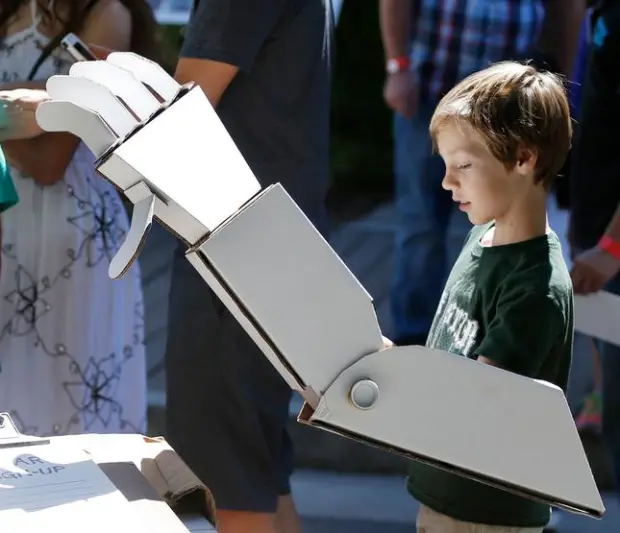
The core philosophy of this year’s event is centered on the "active maker." Organizers have curated a selection of workshops that prioritize the acquisition of tangible skills. This approach addresses a growing demand for "STEAM" (Science, Technology, Engineering, Art, and Mathematics) education that is accessible to all age groups and skill levels. By providing the tools and expert guidance necessary to build functional projects, Maker Faire Bay Area serves as an incubator for innovation and a catalyst for the local creative economy.
Electronics and Hardware: The EMF Explorer and AI Integration
One of the cornerstone activities of the weekend is the assembly of the EMF Explorer Badge. This project serves as an introductory gateway into the world of electrical engineering and soldering. The kit, which is wearable and luminous upon completion, allows users to detect and "listen" to electromagnetic frequencies (EMF) emitted by everyday electronic devices. By converting invisible signals into audible sound, the badge provides a sensory lesson in how modern infrastructure functions. For many younger participants, this represents their first encounter with a soldering iron, a fundamental tool in hardware development.

Simultaneously, the event is bridging the gap between traditional hardware and modern software through the "Build a Voice-Based AI Toy" workshop. This session reflects the rapid integration of large language models and edge computing into the hobbyist sphere. Participants are tasked with building a palm-sized robot capable of conversational interaction. The workshop covers the full "Physical AI" stack, including the creation of an AI agent, hardware connectivity, and real-time voice and vision processing. This initiative demonstrates that sophisticated AI technology is no longer the exclusive domain of major tech corporations but can be harnessed by individual makers to create personalized assistants or smart IoT devices.
Sustainable Crafting and the Circular Economy
Sustainability remains a recurring theme throughout the Faire, highlighted by workshops that focus on upcycling and resource efficiency. Scatha Allison, a self-taught clothing designer known as Ms. Velvet Cream Neocoture, is leading sessions on transforming discarded textiles into functional items. Specifically, participants can learn to turn old T-shirts into braided keychain charms. This activity teaches a basic four-strand braid technique, illustrating how simple manual skills can extend the lifecycle of consumer goods.

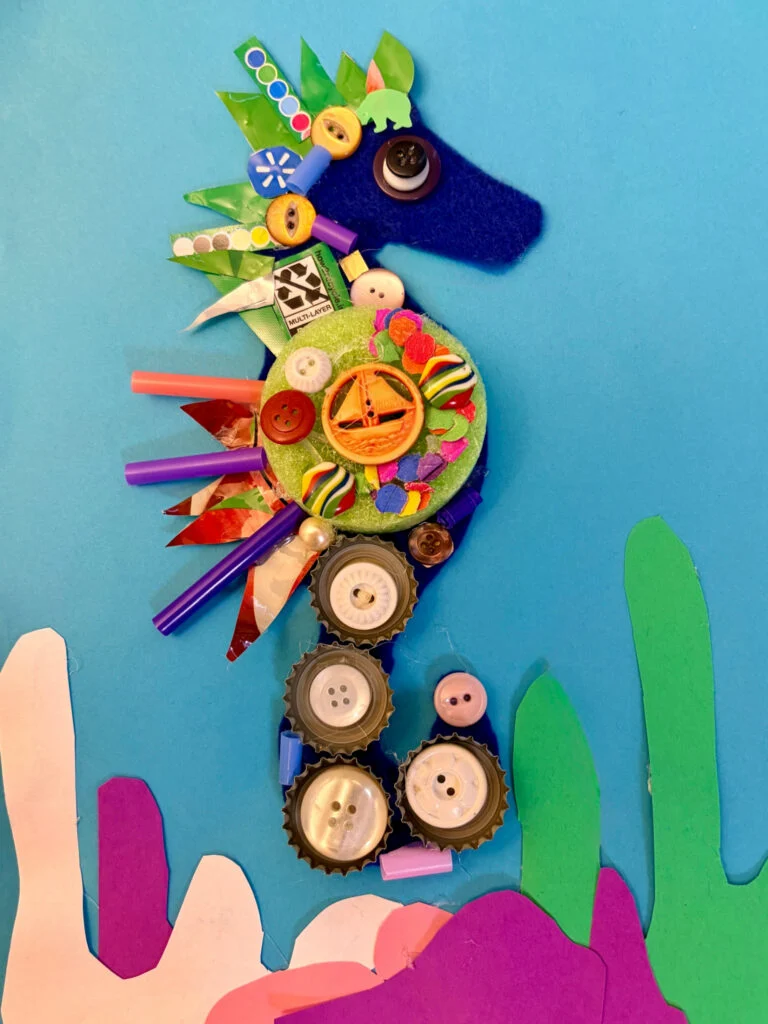
This focus on the "circular economy" is further explored in the Mobile Maker Club Creature Lab. In this space, scientific inquiry meets artistic expression as makers design creatures inspired by various ecosystems using entirely salvaged materials. The lab’s objective is to shift the public perception of waste, encouraging individuals to view discarded objects as adaptable resources. By rebuilding and reimagining these materials, participants explore the basics of engineering and material science while practicing environmental stewardship.
The Intersection of Performing Arts and Engineering
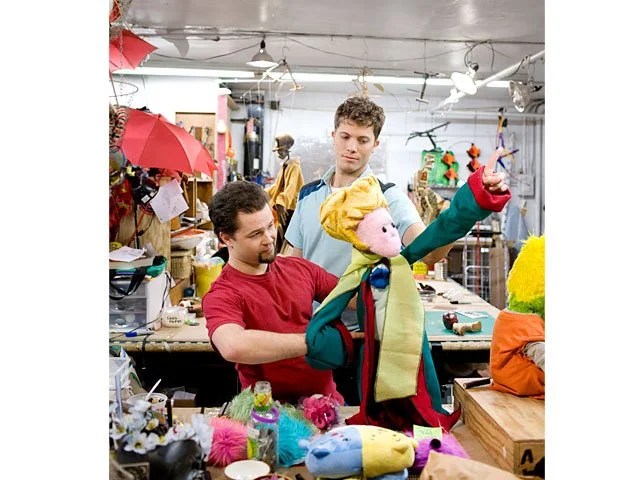
The Maker Faire has long been a venue where the lines between "hard" engineering and "soft" arts are blurred. This year, Emmy Award-winning designer Michael "Shoop" Schupbach, whose credits include Sesame Street and Avenue Q, is hosting a professional puppet-making workshop. Attendees are taught the specific construction techniques used in television and live theater to create functional sock puppets. This workshop emphasizes that making is not solely about circuitry; it is about the physical manifestation of character and narrative.
In a more competitive vein, EASE Robotics is facilitating the "Robot Olympics." Unlike standard consumer robot kits that come pre-assembled, this program requires late elementary and middle school students to understand the underlying mechanics of their machines. Participants must learn how circuit boards function, write original code for autonomous movement, and design clever mechanical solutions to navigate various challenges. This competitive environment fosters a "fail fast, learn faster" mentality, which is essential for professional engineering disciplines.
Making with Social Impact: Assistive Technology
Perhaps the most significant evolution of the maker movement is its increasing focus on social utility. The "Mobility Making Party" stands as a testament to this shift. During this event, volunteers, makers, and families collaborate to assemble open-source Toddler Mobility Trainers (TMTs). These devices are designed for young children with mobility disabilities who may not have access to expensive, commercially manufactured equipment.

The TMT project exemplifies the power of "distributed manufacturing"—the idea that products can be designed centrally but manufactured locally by communities to meet specific needs. At the conclusion of the event, the mobility devices are gifted directly to families in need. This initiative highlights a broader trend within the maker community: moving away from the creation of "cool gadgets" toward the development of assistive technologies that provide life-changing solutions through open-source collaboration.
Bio-Making and the Democratization of Science
The "Foundry Floor" of the Faire also hosts Counterculture Labs, an Oakland-based community laboratory that has been a fixture of the event for over a decade. Their presence highlights the growing field of DIY biology and citizen science. Counterculture Labs operates on the premise that biotechnology will be as influential in the 21st century as the personal computer was in the 20th.

To demystify biological sciences, they have established a "Kombucha Petting Zoo" and live bioreactor demonstrations. Visitors can engage with "Agar Art"—using living bacteria to create visual patterns—and discuss topics ranging from mycology to micromitigation. By bringing laboratory-grade concepts into a public forum, these makers are advocating for the democratization of scientific tools, ensuring that the public has the knowledge to engage with emerging biotechnological issues.
Analysis of the Maker Movement’s Broader Implications
The activities at Maker Faire Bay Area 2024-2025 suggest a maturing movement that is increasingly integrated into the broader socioeconomic fabric. Several key implications arise from the event’s current trajectory:

- Workforce Development: The emphasis on soldering, coding, and mechanical design serves as a non-traditional pipeline for the tech and manufacturing sectors. By engaging youth in these activities, the Faire helps build a baseline of technical literacy that is essential for the modern workforce.
- Economic Resilience: The focus on "Right to Repair" and upcycling encourages a culture of self-sufficiency. As supply chains become more volatile, the ability for individuals to maintain, repair, and repurpose their own goods becomes an economic asset.
- Community Problem Solving: The Mobility Making Party demonstrates that the maker community can respond to social needs faster and more affordably than traditional corporate structures in some instances, particularly in the realm of niche assistive devices.
- Technological Literacy: As AI and biotechnology become more prevalent, public understanding of these fields is vital for informed citizenship. Maker Faire provides a low-stakes environment for the public to grapple with these complex subjects.
Chronology and Attendance Data
While final attendance figures for the current weekend are pending, historical data indicates that Maker Faire Bay Area typically draws between 30,000 and 50,000 visitors over its duration. The move to Mare Island has allowed for a multi-day schedule that maximizes the use of both indoor industrial spaces and outdoor waterfront areas.
- Friday: Primarily focused on school groups and preview tours, emphasizing educational outreach to local school districts.
- Saturday: The peak attendance day, featuring the most intensive workshop schedules and the "Robot Olympics" finals.
- Sunday: Continued workshops with a focus on community-build projects like the Mobility Making Party, concluding with the distribution of finished devices.
Conclusion
The 2024-2025 Maker Faire Bay Area at Mare Island reaffirms the event’s status as more than just a festival; it is a critical hub for experiential learning and community-driven innovation. By prioritizing hands-on workshops over mere observation, the event empowers individuals to move from being consumers of technology to creators of it. Whether through the lens of high-tech AI development or the practical assembly of mobility aids, the message of the Faire remains clear: the future is built by those who are willing to get their hands dirty. As the maker movement continues to evolve, its impact on education, sustainability, and social equity is likely to grow, fueled by the skills and inspirations gathered during weekends such as this.