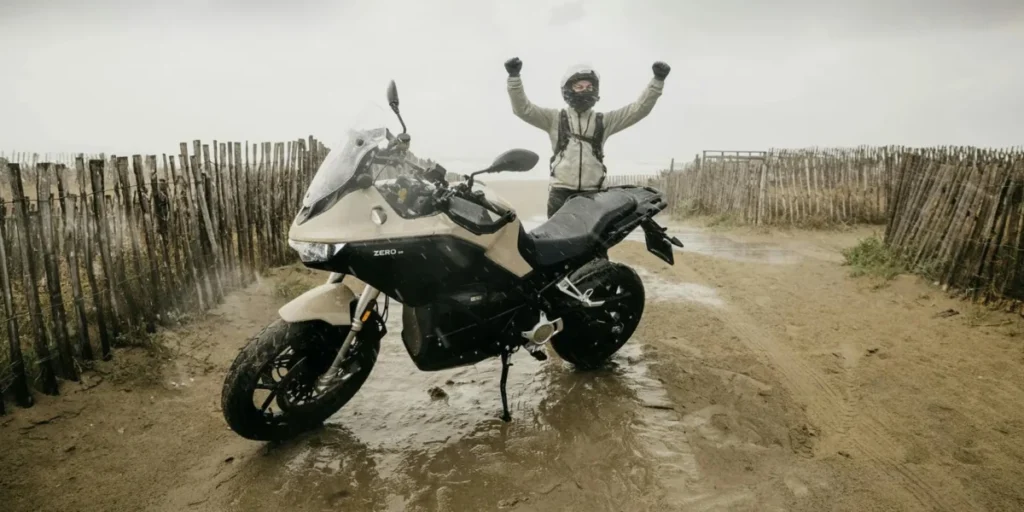
The world record for the longest journey on an electric motorcycle on a single charge has been spectacularly broken, with a Zero DS rider achieving an astonishing 436.5 kilometers (271.2 miles) before exhausting its battery. This monumental feat, accomplished by Belgian rider Jelle Verstaen, not only establishes a new Guinness World Record but also dramatically surpasses the previous benchmark of 310.7 kilometers (193 miles) by an impressive margin of over 125 kilometers (78 miles).
This groundbreaking achievement was not the result of a specially designed, ultra-aerodynamic prototype built solely for record-breaking. Instead, Verstaen piloted a production Zero DS motorcycle, a model readily available to consumers. The electric motorcycle was equipped with Zero Motorcycles’ optional Power Tank, which significantly increases the battery capacity to a total of 19.2 kWh. Remarkably, Verstaen was not alone in his pursuit of extended range; he was accompanied by two other riders on Zero motorcycles, both of whom also managed to exceed the previous world record.
The Record-Breaking Journey: A Calculated Endeavor
The ambitious record attempt commenced in the French Alps, a region known for its challenging terrain and dramatic elevation changes. The planned route saw Verstaen and his companions navigate their way down from the high alpine passes, with the ultimate destination being the Mediterranean coast. Throughout the arduous journey, Verstaen meticulously aimed to maintain an average cruising speed of approximately 52 km/h (32 mph).
While this speed might seem modest for a conventional motorcycle, it was a critical strategic decision. The physics of motion dictate that aerodynamic drag increases exponentially with speed. For electric vehicles, and particularly for motorcycles where rider exposure to the wind is a significant factor, minimizing drag is paramount to maximizing range. Therefore, a slower, more deliberate pace was essential to conserve battery power.
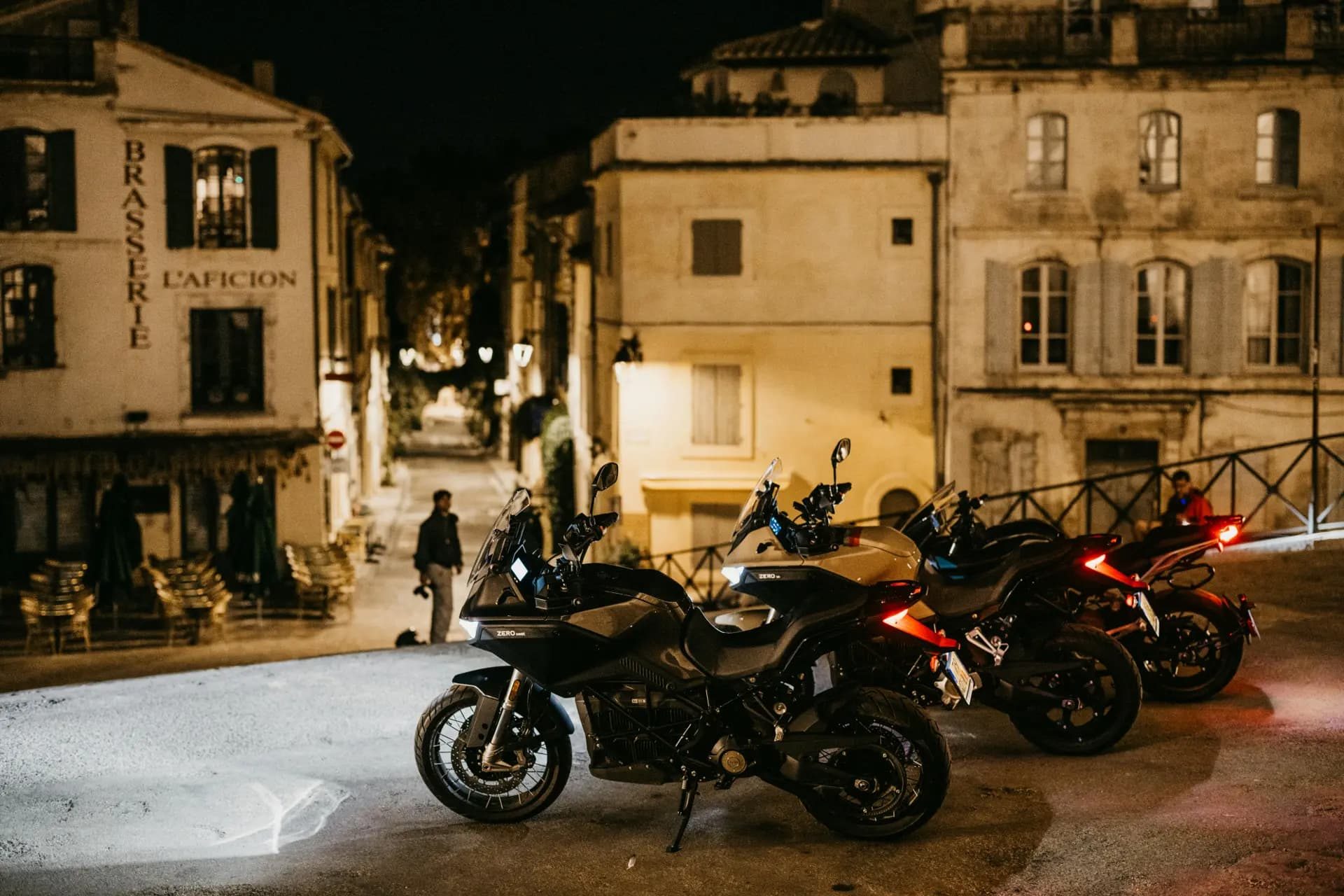
The extended duration of the ride necessitated a significant portion of it being undertaken during the night and continuing into the following morning. Zero Motorcycles stated that the decision to ride primarily under the cover of darkness was a strategic choice aimed at reducing ambient traffic. This allowed Verstaen to maintain a consistent and efficient speed without the disruptions and potential safety concerns associated with navigating busy daytime roads, especially as the route transitioned from the mountainous terrain to lower elevations and the coastal plains.
Demonstrating Electric Motorcycle Potential
Verstaen’s Zero DS was not the only electric motorcycle pushing the boundaries of range during this event. His riding partners also achieved impressive distances. One rider on a Zero SR/S managed to cover 350 kilometers (217 miles) on a single charge, while another on a DSR/X reached 384 kilometers (239 miles). Individually, these distances would be considered substantial achievements in electric motorcycle range. However, the Zero DS, with Verstaen at the controls, continued its relentless journey, ultimately setting the new benchmark.
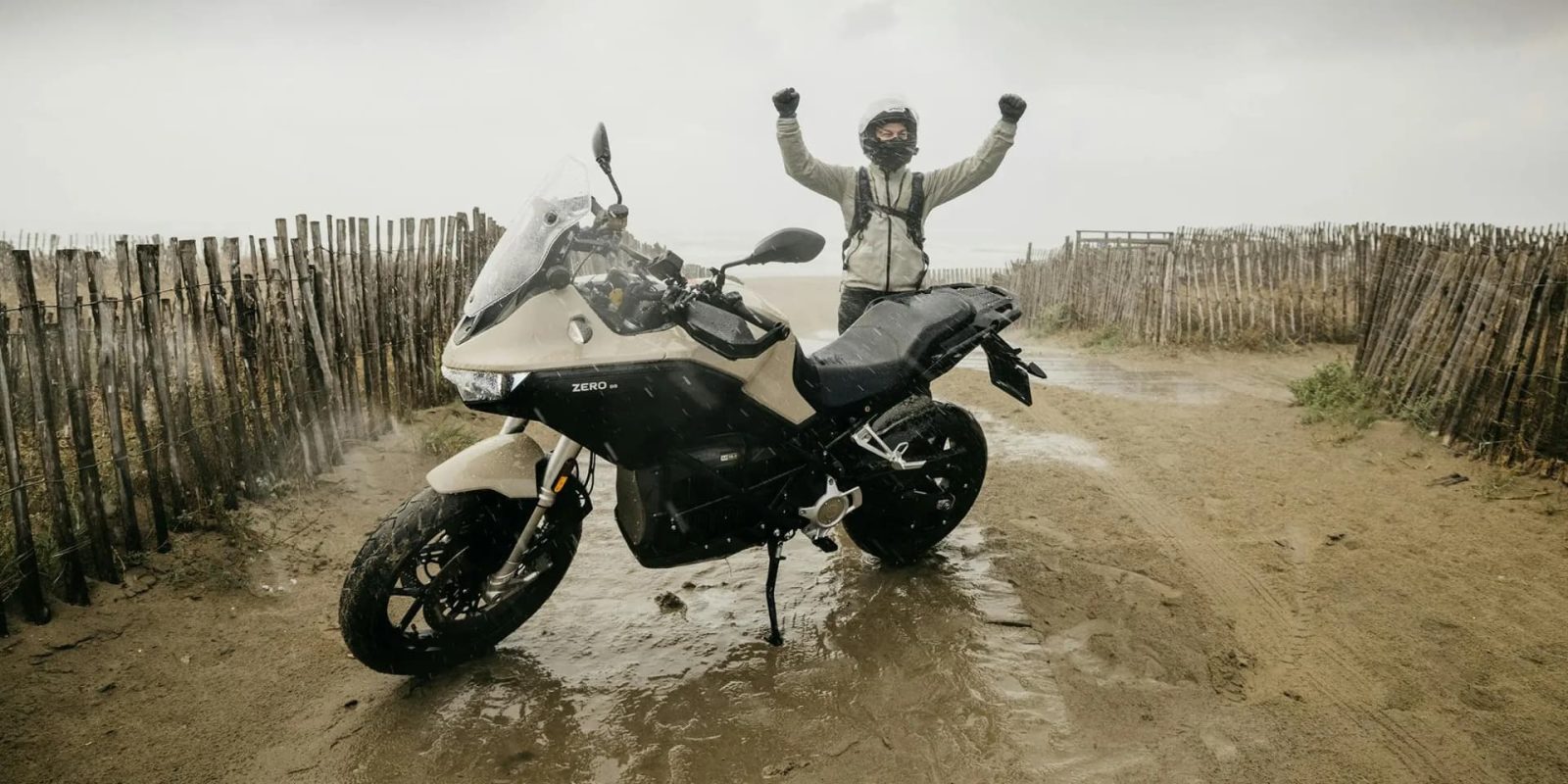
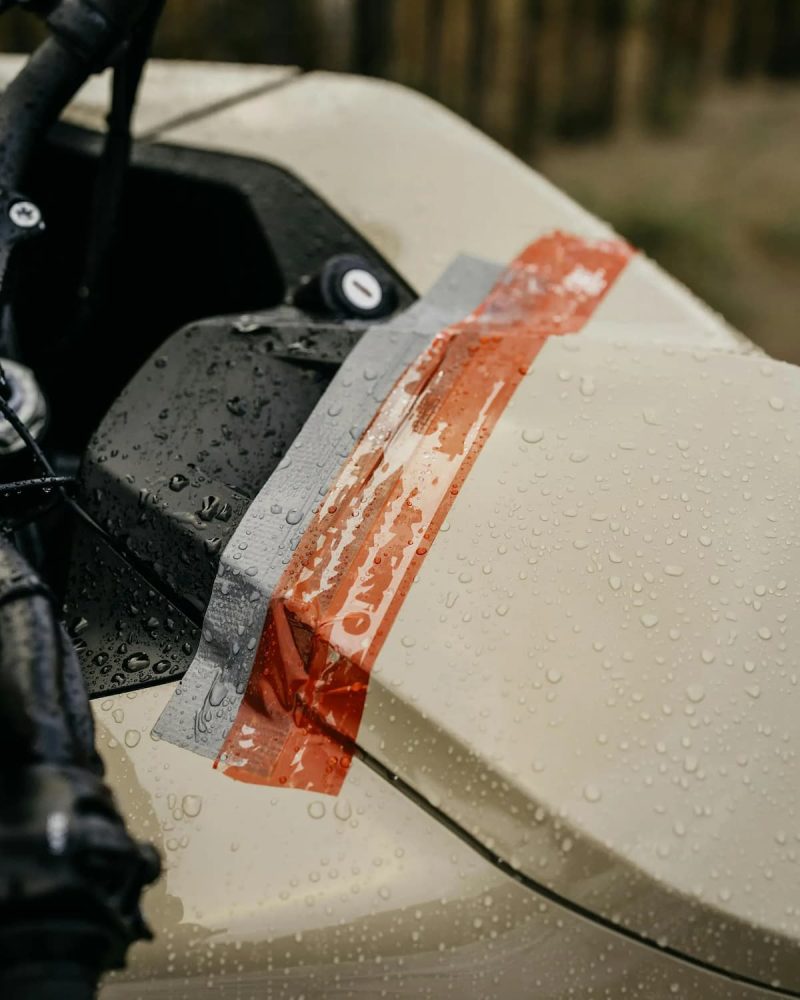
The final leg of the record-breaking ride presented an additional, formidable challenge. For approximately the last 100 kilometers (62 miles), the riders encountered heavy rainfall. This turned what was already an endurance test into a soggy, challenging battle against the elements as they pushed towards the finish line. Despite these adverse conditions, Verstaen and his Zero DS persevered, completing the full 436.5 kilometers and shattering the prior record by over 40%.
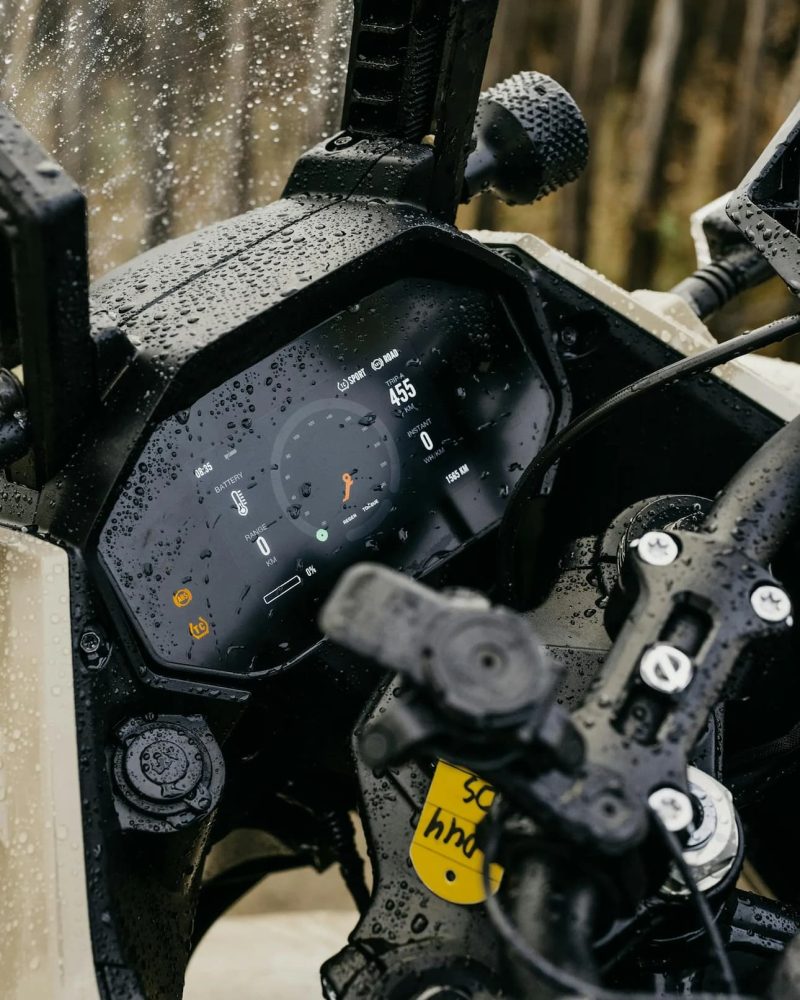
The integrity of the record attempt was ensured through rigorous verification processes. The entire ride was meticulously tracked using GPS technology, and the journey was independently witnessed by officials, fulfilling the stringent requirements for a Guinness World Records title. This level of scrutiny ensures the authenticity and credibility of the achievement.
Analysis of the Record and its Implications
The achievement of traveling over 270 miles on a single charge with a battery capacity of less than 20 kWh is a compelling demonstration of the growing efficiency of electric motorcycles. For a production vehicle, this performance challenges the lingering perception that electric motorcycles are inherently limited in their range.
However, a nuanced analysis of the record reveals several contributing factors that, while legitimate for a record attempt, may not be directly replicable in everyday riding scenarios.
1. Elevation Gradient: The chosen route, starting high in the French Alps and descending towards the Mediterranean coast, inherently benefited from a significant net decrease in elevation. While the ride was not a continuous downhill coast, gravity undoubtedly provided assistance over the substantial distance covered. This gravitational advantage, while part of the planned route, played a role in extending the motorcycle’s range.
2. Optimized Riding Speed: The target cruising speed of approximately 52 km/h (32 mph) is a key factor. This speed is highly efficient for electric motorcycles as it minimizes aerodynamic drag. At typical highway speeds, commonly exceeding 100 km/h (62 mph), the energy consumed by air resistance would drastically reduce the achievable range. This record highlights the potential for efficiency but underscores the trade-off between speed and range.
3. Nighttime Riding Strategy: The decision to conduct a significant portion of the ride at night, while crucial for maintaining a steady pace and reducing traffic, also presents practical considerations. Maintaining a speed of around 32 mph on roads where daytime traffic moves much faster could be impractical and potentially hazardous. Nighttime, with reduced traffic density, made this slow, steady pace feasible and safer.
Therefore, while the record is an undeniable testament to the capabilities of modern electric motorcycles and Zero’s engineering, it does not imply that a rider can expect to achieve 271 miles at highway speeds on a Zero DS without intermediate charging. Record attempts are designed to explore the absolute limits of a machine under optimized, controlled conditions.
Zero Motorcycles’ Perspective and Future Outlook
Zero Motorcycles, a pioneer in the electric motorcycle industry, has consistently focused on developing high-performance, reliable electric bikes. This record-breaking achievement serves as a powerful endorsement of their technology and their commitment to pushing the boundaries of electric mobility.
The company has often emphasized the efficiency and potential of electric powertrains, particularly in urban and commuting scenarios where regenerative braking can further enhance range. However, this record demonstrates that with careful planning and optimized riding, electric motorcycles can also excel in long-distance applications.
The implications of this record extend beyond mere bragging rights. It provides valuable data for future battery development, motor efficiency improvements, and rider training programs focused on maximizing range. As battery technology continues to advance and charging infrastructure becomes more widespread, the practical range of electric motorcycles for everyday riders will undoubtedly continue to improve.
This feat is particularly significant in the context of the broader transition towards sustainable transportation. Electric motorcycles offer a compelling alternative to traditional gasoline-powered bikes, providing a thrilling riding experience with zero tailpipe emissions. Records like this help to build consumer confidence and accelerate the adoption of electric two-wheelers.
A Milestone for Electric Two-Wheelers
The Guinness World Record set by Jelle Verstaen and Zero Motorcycles is more than just a statistic; it represents a significant milestone in the evolution of electric two-wheeled transportation. It underscores the remarkable progress made in battery technology, energy management systems, and motorcycle design.

While the conditions of the record attempt were specific, the core message is clear: electric motorcycles are becoming increasingly capable of covering substantial distances. This achievement will likely inspire other manufacturers and riders to explore the potential of electric mobility and further contribute to the ongoing shift towards a cleaner, more sustainable future for motorcycling. The era of long-range electric adventures is not just dawning; it is here, and it is breaking records.