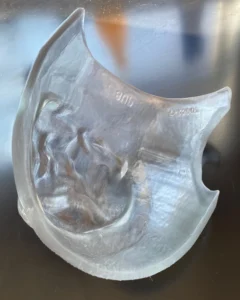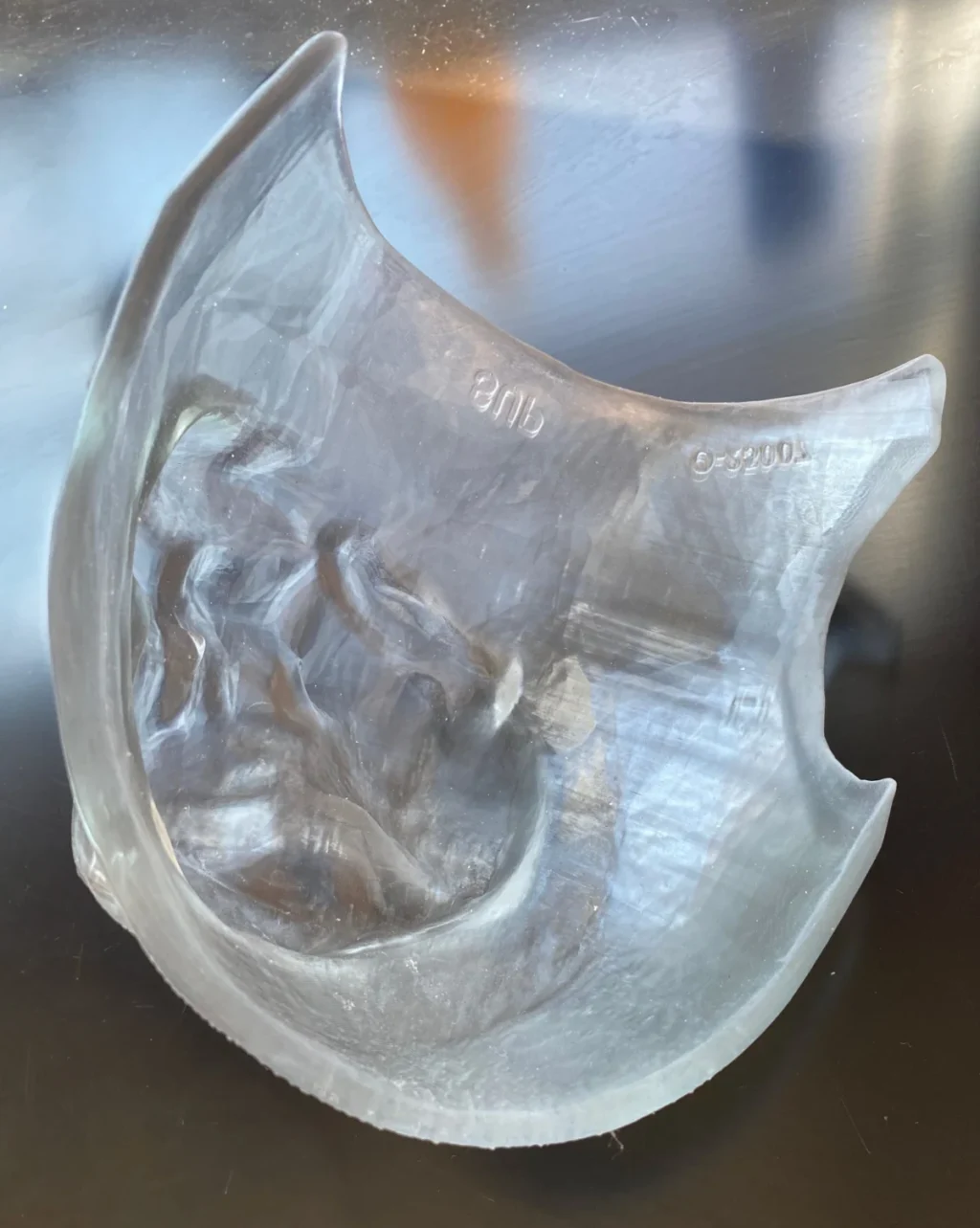
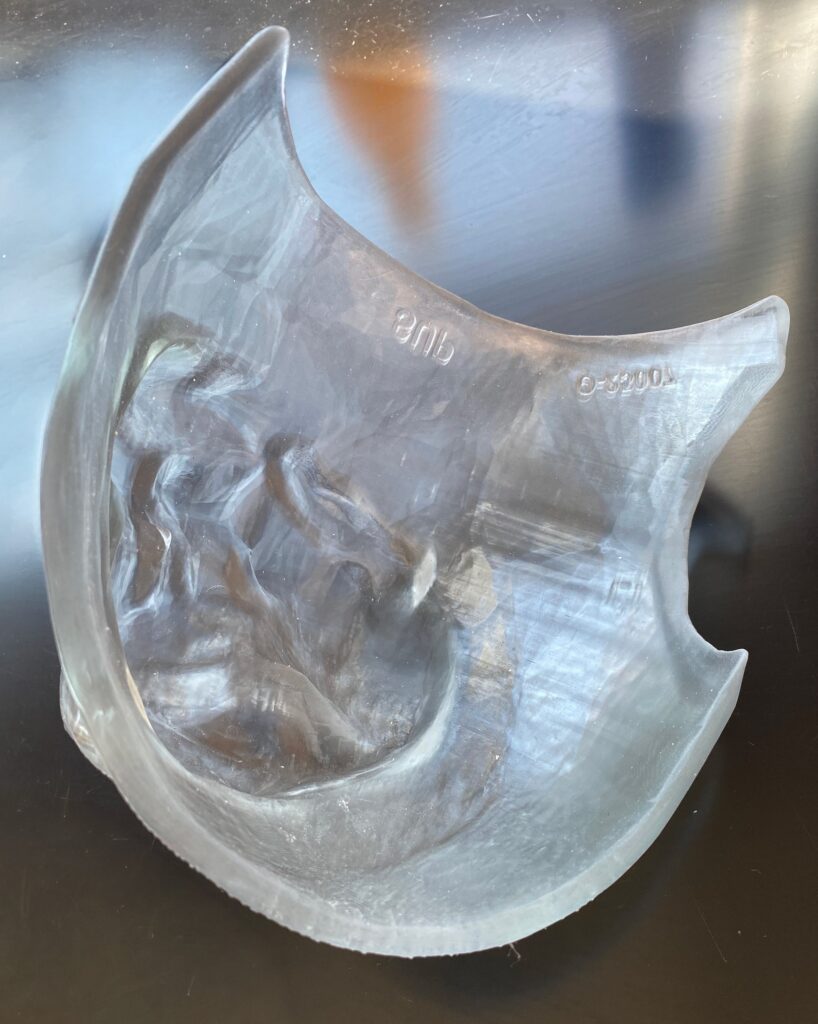
In a significant development for personalized medicine, Myrava LLC, formerly known as Ricoh 3D for Healthcare, has announced its receipt of FDA 510(k) clearance for its innovative 3D printed patient-specific bolus device. This clearance marks a pivotal moment in the field of radiation oncology, offering a substantial upgrade from traditional, often improvised, bolus materials. The newly approved device promises to enhance the accuracy and control of radiation dosing, ultimately improving patient comfort and treatment outcomes.
Traditionally, radiation therapy teams have relied on methods such as wet cloths, gelatin sheets, or other less precise materials to serve as boluses. These materials, while functional to a degree, lack the inherent ability to be perfectly tailored to an individual patient’s unique anatomy and specific treatment plan. Myrava’s 3D printed bolus directly addresses this limitation by being custom-fabricated for each patient. Placed directly onto the skin, it acts as a critical interface, allowing physicians to meticulously manage the radiation dose delivered during treatment. This patient-specific approach moves beyond a one-size-fits-all solution, enabling a level of precision previously unattainable.
The manufacturing process for Myrava’s bolus is entirely additive, eschewing traditional casting methods. Each bolus is 3D printed to precisely match the design conceived by radiation therapists, taking into account the patient’s individual anatomy and the intricacies of their treatment regimen. The material employed is described as flexible and translucent, designed to maximize patient comfort and ensure accurate positioning during treatment sessions. Furthermore, the durability of the material, when properly maintained, allows for safe reuse throughout a patient’s entire treatment cycle, offering both consistency and cost-effectiveness.
Gary Turner, CEO and Co-Founder at Myrava, emphasized the transformative potential of this clearance. "FDA 510(k) clearance of our patient-specific bolus marks a significant step forward in our mission to empower clinicians with customized tools to help advance treatment precision and patient comfort," Turner stated. "By leveraging our expertise in advanced manufacturing and healthcare innovation, we are helping radiation therapy teams deliver reliable and reproducible outcomes." He further highlighted the operational advantages of co-located point-of-care facilities, noting that "The Myrava Bolus can be manufactured at co-located point-of-care facilities offering additional benefits, such as closer contact to the clinicians for iterative design and faster turnaround times." This integration of manufacturing closer to the point of care is expected to streamline workflows and improve responsiveness to clinical needs.
The implications of this FDA clearance extend beyond mere technological advancement. It signifies a broader trend toward personalized healthcare solutions driven by additive manufacturing. The ability to produce patient-specific medical devices on demand opens new avenues for treatment optimization, potentially leading to reduced side effects and improved patient prognoses across various oncological treatments. The company’s transition from its previous identity as Ricoh 3D for Healthcare to Myrava LLC also suggests a strategic focus on carving out its niche within the specialized medical additive manufacturing sector, signaling a commitment to sustained innovation in this critical area.
AML3D Engages in High-Stakes Aerospace Tooling Project
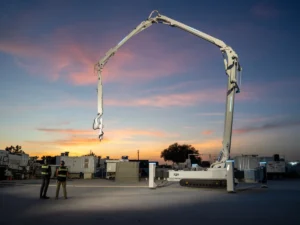
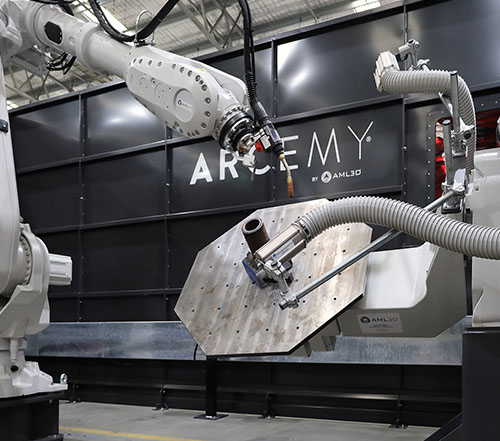
In parallel, the Australian advanced manufacturing company AML3D is embarking on a significant three-year research and development project aimed at elevating its wire arc additive manufacturing (WAM) technology for the demanding aerospace sector. The project involves collaboration with industry and research partners, including an undisclosed global aerospace prime contractor known for its extensive work in the design, development, and manufacturing of large-scale aerospace systems, such as aircraft. The core objective is to mature AML3D’s WAM technology to a standard suitable for the production of qualified aerospace tooling.
This ambitious R&D initiative is backed by a substantial investment of approximately A$3.89 million over its three-year duration. AML3D’s contribution is estimated at A$530,000, comprising A$130,000 in cash and A$400,000 in in-kind contributions, including staff time and other resources. While the identity of the aerospace prime remains confidential, citing its immateriality to AML3D’s stock value, the partnership itself underscores the growing recognition of additive manufacturing’s potential within the aerospace supply chain. AML3D anticipates no direct revenue from this R&D phase; however, the project’s success is strategically positioned to establish the company as a potential supplier of aerospace tooling, paving the way for future commercial opportunities.
Sean Ebert, CEO of AML3D, articulated the project’s significance: "This $3.89 million R&D project, with an aerospace prime, will build on AML3D’s track record demonstrating WAM technology can support the Aerospace sector. We have already achieved the AS9100D Aerospace Quality Management accreditation, the highest global quality standard for manufacturers supplying flight-ready structures. This new R&D project moves AML3D into a formal qualification pathway for WAM to be deployed for Aerospace tooling applications." The AS9100D accreditation is a testament to AML3D’s commitment to quality and its readiness to meet the stringent requirements of the aerospace industry.
A critical challenge within aerospace manufacturing is the extended lead time for tooling, which can often reach up to 24 months. AML3D’s WAM technology has the potential to disrupt this paradigm by drastically reducing manufacturing lead times for tooling components compared to conventional methods. The successful completion of this R&D project could position AML3D as a vital solution provider, helping to alleviate supply chain constraints and accelerate production cycles for aircraft manufacturers. The ability to produce large, complex tooling components rapidly and efficiently is a significant advantage in an industry where time-to-market is a crucial competitive factor.
The project’s focus on tooling is particularly noteworthy. Tooling, which includes molds, jigs, and fixtures, is essential for the mass production of aircraft parts. Traditional tooling manufacturing processes are often labor-intensive and time-consuming. By leveraging WAM, AML3D aims to provide aerospace companies with a faster, more cost-effective, and potentially more innovative approach to acquiring the tools they need. This could lead to greater design freedom for engineers, enabling the creation of optimized tooling that enhances the efficiency and precision of subsequent manufacturing processes.
Mears Machine Corporation Expands Metal 3D Printing Capabilities with Sixth Velo3D Sapphire XC System
In the realm of advanced metal additive manufacturing, Mears Machine Corporation, a specialist in precision machining and metal AM, has significantly bolstered its production capacity by ordering its sixth Velo3D Sapphire XC system. This new acquisition is earmarked for a dedicated role in printing copper-nickel (CuNi) alloys, a material crucial for applications demanding high corrosion resistance and robust thermal properties. This strategic investment underscores Mears Machine’s commitment to expanding its additive manufacturing portfolio and serving critical industries.
Mears Machine’s existing fleet of Velo3D Sapphire XC systems already supports a diverse range of customer programs utilizing materials such as CP1 aluminum, Inconel 718, and Haynes 282. The addition of a dedicated CuNi printing capability marks a significant expansion. Copper-nickel alloys, particularly the 70-30 composition, are highly valued for their exceptional resistance to corrosion in seawater and their consistent mechanical and thermal performance across a wide temperature spectrum. These properties make them indispensable for applications in marine environments, including seawater cooling systems, heat exchangers, shipbuilding components, and condensers. Historically, these components have been manufactured using traditional casting methods, which can present limitations in terms of design complexity and lead times.
The adoption of Velo3D’s Sapphire XC system for CuNi printing allows Mears Machine to leverage its existing infrastructure and expertise. By utilizing a common production platform, the company can build upon its established machine infrastructure, workforce capabilities, and operational experience. This standardization streamlines production processes and ensures consistency across its entire fleet of Velo3D printers. All systems operate with Velo3D’s integrated software suite, including Flow for print preparation and Assure for quality assurance, alongside standardized process controls and automated calibration, all contributing to predictable and reliable output.
James Lloyd, CEO of Mears Machine Corporation, elaborated on the strategic rationale behind this expansion: "Following a period of market, product, and technical analysis, our move into copper-nickel additive manufacturing is a strategic decision. We are building a vertically integrated Cu-Ni supply chain solution for the industry, with the ability to take a customer from additive design support through additive manufacturing, machining and final inspection—all within one facility. That changes the customer experience significantly by reducing handoffs, shortening the manufacturing chain and giving customers a single accountable partner from concept through finished hardware." This integrated approach promises to deliver greater efficiency and accountability to Mears Machine’s clients.
Lloyd further highlighted the advantages for customers: "For the markets we are targeting, our existing medium-to-large format machining capability is also very well matched to the size and geometry of the components our customers need." He added, "Some customers are already treating laser powder bed fusion Cu-Ni components as interchangeable with traditionally cast hardware for selected applications. That creates an important opportunity to provide tooling-free replacements for legacy components, particularly where castings are difficult to source, tooling is no longer available, or volumes do not justify traditional foundry investment." This capability to produce direct replacements for cast parts without the need for expensive tooling is a significant benefit, especially for legacy systems or low-volume production runs.
Moreover, Lloyd emphasized the innovative potential enabled by additive manufacturing: "At the same time, additive manufacturing gives engineers far greater freedom to develop next-generation heat-transfer and fluid-management hardware, including more integrated geometries, optimized internal flow paths and designs that would be difficult or impossible to manufacture conventionally." This design freedom allows for the creation of more efficient, compact, and higher-performing components, pushing the boundaries of what is possible in fluid dynamics and thermal management applications.
University of Waterloo Engineers Develop Low-Cost 3D Printed Filter for Microplastic Removal
In an urgent response to a growing global environmental concern, a team of engineers at the University of Waterloo has developed a novel, low-cost, and customizable 3D printed filter designed to significantly reduce the presence of microplastics in water. Microplastics, defined as plastic fragments smaller than 5 millimeters, are increasingly found in drinking water sources worldwide, posing potential risks to human health. Research suggests that ingested microplastics can enter the bloodstream and tissues, with emerging studies linking them to serious health issues, including cardiovascular problems and certain cancers.
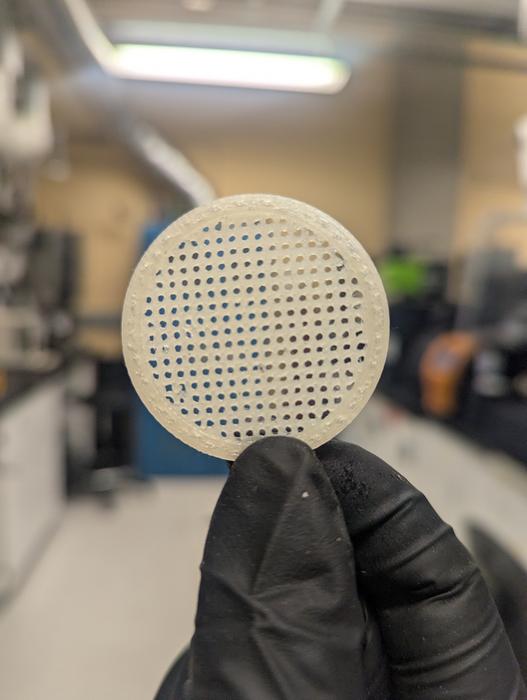
The researchers have engineered an innovative filtration column composed of stacked, 3D printed disk filters fabricated from a biodegradable material. The design prioritizes maximizing the contact surface area between the water and the filter media. A key element of the process involves the application of a water-soluble polymer that is subsequently washed away post-printing. This step strategically leaves behind a network of micro- and nanoscale pores, creating an effective barrier for particulate matter. To further enhance capture efficiency, the team incorporated a pressure-sensitive adhesive that selectively traps microplastics without impeding water flow through the pores.
This customizable filtration system has demonstrated a remarkable capacity to remove up to 90% of microplastics from water, representing a substantial improvement over existing filtration technologies. The biodegradable nature of the filter material also contributes to its environmental credentials, addressing concerns about the disposal of traditional filtration products. Dr. Tizazu Mekonnen, a chemical engineering professor at Waterloo and a lead researcher on the project, stated, "We explored using between eight and 20 filters stacked together. With 20 filters, we removed 90 per cent of microplastics, a marked improvement over current filtering technologies."
While the filter has proven highly effective at capturing larger microplastic particles, the team acknowledges that smaller particles, particularly those below 10 micrometers, remain a challenge. This area of focus will be a priority in their ongoing research and development efforts. The ability to produce these filters at a low cost and in a customizable format holds immense promise for widespread adoption, particularly in regions where access to clean water is limited and microplastic contamination is a pressing issue. The research findings have been published in a peer-reviewed paper, making the technical details of their innovative approach accessible to the scientific community and potentially accelerating further development and implementation.
The implications of this low-cost, high-efficiency microplastic filter are far-reaching. It offers a tangible solution to a pervasive environmental problem, with potential applications ranging from municipal water treatment facilities to individual household water purification systems. The customizable nature of the 3D printed design also allows for adaptation to specific water quality challenges and flow rate requirements, further enhancing its utility. As the global understanding of microplastic pollution and its health impacts continues to grow, innovations like the University of Waterloo’s filter are poised to play a crucial role in safeguarding public health and environmental integrity.