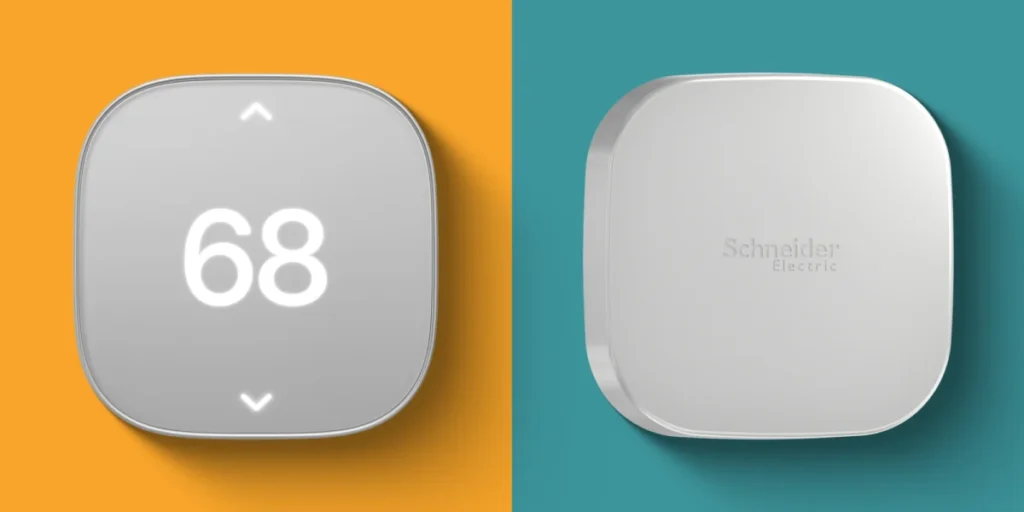
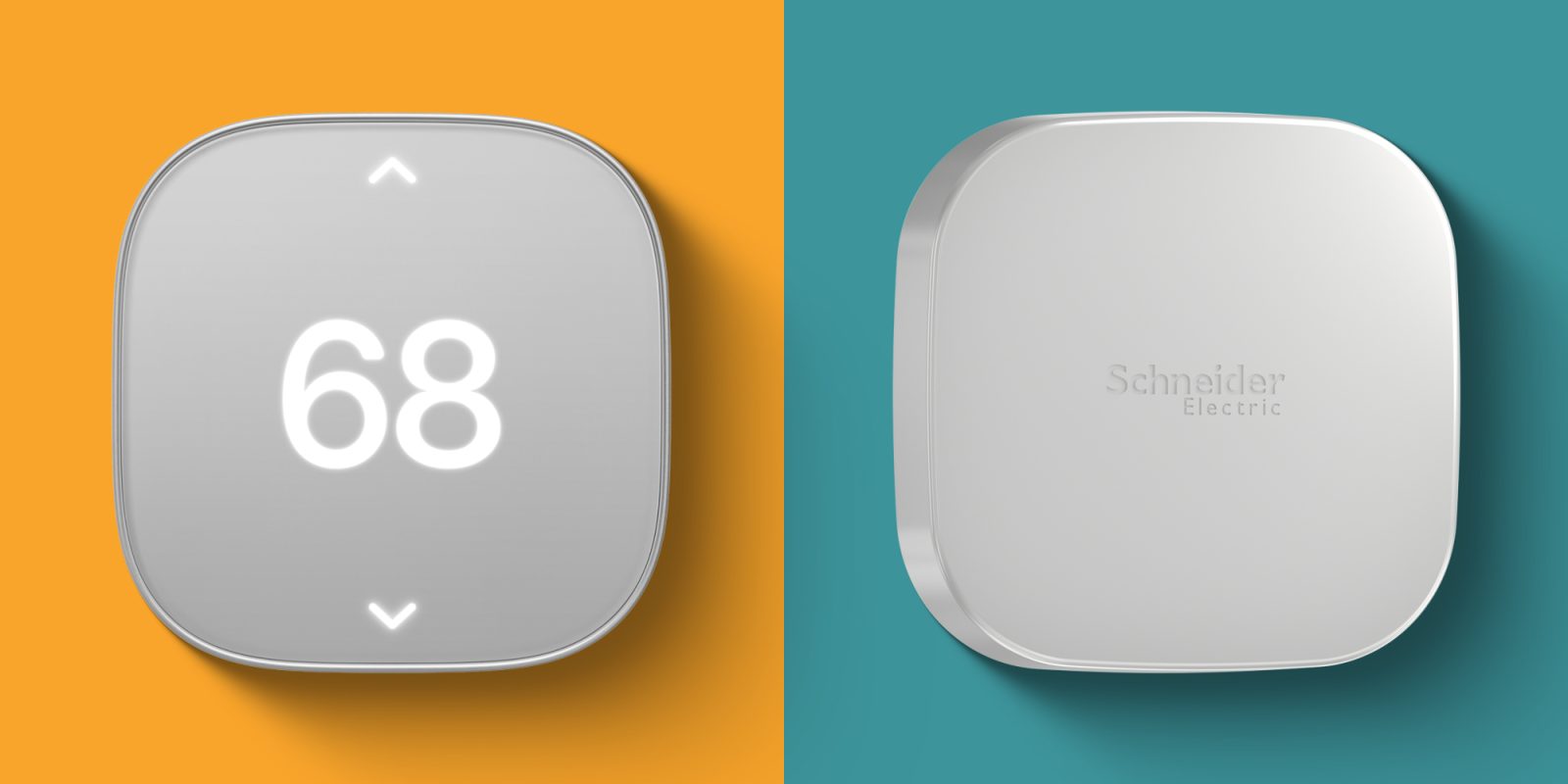
The smart home landscape is set to experience a significant evolution with the forthcoming launch of a co-developed smart thermostat by tech giant Apple and energy management leader Schneider Electric. This innovative device, slated for release in the US and Canada in early 2027, promises to redefine home climate control by leveraging the intelligence of the iPhone and prioritizing energy efficiency and sustainability. The thermostat, integrated into the new Apple Home Collection, aims to simplify user experience while offering advanced features for both comfort and cost savings, marking a strategic move by both companies into the burgeoning smart home market.
This partnership signifies a convergence of Apple’s renowned user-centric design and pervasive ecosystem with Schneider Electric’s deep expertise in energy management and automation. The thermostat’s core functionality is built around its seamless integration with the Apple Home app, eliminating the need for separate applications or user accounts. This approach aligns with Apple’s broader strategy of consolidating smart home control within a unified platform, enhancing convenience for its existing user base. The inclusion of optional room sensors further expands the thermostat’s capabilities, allowing for more precise temperature monitoring and adjustment across different living spaces.
Key Features and User Experience
At the heart of the new Schneider Electric and Apple smart thermostat lies Apple’s proprietary Adaptive Temperature feature. This intelligent system harnesses the capabilities of the user’s iPhone to dynamically manage heating and cooling. Instead of relying on manually programmed schedules, the thermostat will intuitively learn and adapt to the user’s presence. It will detect when occupants are home, away, or preparing for sleep, automatically adjusting the climate settings to optimize comfort and energy consumption. This "set-it-and-forget-it" approach is designed to reduce the cognitive load on users, offering a truly automated and responsive home environment.
Voice control via Siri is also a key component, allowing users to adjust temperature settings or inquire about their home’s climate with simple voice commands. This further solidifies the thermostat’s integration within the Apple ecosystem, providing a natural and familiar interaction method for iPhone and HomePod users.
Driving Energy Efficiency and Cost Savings
Beyond enhanced comfort and convenience, a central tenet of this new smart thermostat is its commitment to energy efficiency and cost reduction. Apple’s Clean Energy Guidance feature is a standout innovation, designed to empower users to make more environmentally conscious and economically beneficial decisions regarding their energy usage. For customers in the contiguous US who have compatible utility plans, this feature can intelligently shift heating and cooling cycles to periods when electricity is either cleaner or more affordable.
This capability addresses a growing consumer demand for sustainable living solutions and the increasing awareness of the grid’s energy mix. By optimizing energy consumption based on real-time grid conditions, the thermostat can help reduce reliance on fossil fuel-based power generation during peak demand, thereby contributing to a lower carbon footprint. The Home app will provide users with detailed energy-use insights, including information on peak and off-peak electricity rates, enabling them to better understand and manage their energy expenditure.
According to the U.S. Energy Information Administration (EIA), residential buildings account for a significant portion of total energy consumption in the United States, with heating and cooling systems being major contributors. Smart thermostats, by their very nature, have the potential to significantly reduce this consumption. Studies have shown that smart thermostats can reduce heating and cooling costs by an average of 10-15% per year, translating to substantial savings for households over time. The addition of features that actively encourage the use of cleaner energy sources further amplifies these benefits, aligning with national and global efforts to decarbonize the energy sector.
Seamless Integration and Advanced Connectivity
The Schneider Electric and Apple smart thermostat is built upon robust and future-proof connectivity standards. It supports Matter, a unifying, IP-based connectivity protocol that aims to simplify smart home device interoperability across different brands and ecosystems. This commitment to Matter ensures that the thermostat can seamlessly integrate with a wide array of other smart home devices, regardless of their manufacturer, fostering a more cohesive and extensible smart home experience.
Furthermore, the thermostat incorporates Thread, a low-power, IP-based wireless networking protocol. Thread is crucial for maintaining a stable and responsive connection to the home network, even during internet outages. This resilience is particularly important for critical home systems like climate control, ensuring that users can maintain comfort and security regardless of external network disruptions.
The setup process is designed to be exceptionally user-friendly, featuring NFC pairing. By simply bringing an iPhone close to the thermostat, users can initiate the setup process, even before the device is powered on. This intuitive onboarding experience is characteristic of Apple’s product design philosophy, aiming to remove friction and make advanced technology accessible to a broader audience.
Security and privacy are paramount for Apple, and this is reflected in the thermostat’s design. All Home app data, including thermostat usage and sensor readings, is end-to-end encrypted. This ensures that sensitive personal information remains protected and accessible only to the user.

Optional Room Sensors and Wider Ecosystem Integration
To further enhance its adaptive capabilities, the thermostat will be accompanied by optional room sensors. These sensors are designed to measure temperature and humidity in different rooms, providing granular data that allows the thermostat to optimize climate control on a room-by-room basis. This capability is particularly beneficial for larger homes or homes with varying occupancy patterns, ensuring that comfort is prioritized where and when it’s needed most.
Beyond these dedicated sensors, Apple’s thermostats can also leverage sensors built into other Apple devices within the home, such as the HomeView display and HomePod smart speakers. This distributed sensing approach allows for a more comprehensive understanding of the home’s environment, leading to more accurate and efficient climate management.
Pricing and Availability
The Schneider Electric smart thermostat is slated for an early 2027 debut in the US and Canada. Schneider Electric has indicated suggested retail prices of $199.99 for the thermostat and $39.99 for each optional room sensor. Apple’s officially announced prices for these items are four cents lower, a subtle but characteristic pricing strategy from the tech giant.
For comparative context, the smart thermostat market currently offers a range of options. Ecobee’s smart thermostats typically range from $139.99 to $259.99, while Google’s Nest smart thermostats fall between $99 and $280. The pricing of the new Apple and Schneider Electric offering positions it in the mid-to-high range of the market, suggesting a focus on premium features and integration within the Apple ecosystem.
Accompanying Accessories and Future Developments
In addition to the thermostat, Schneider Electric has also announced a suite of magnetic power mounts designed for Apple’s new wall-mounted HomeView display. These mounts will be available in three configurations: a USB-C version priced at $59.99, a hardwired AC version for $79.99, and a Power over Ethernet (PoE) option for $129.99. The wired versions are engineered to discreetly conceal cables within the wall, offering a clean and integrated aesthetic.
The USB-C and AC power mounts are scheduled to arrive in Apple stores on November 13th, with the Ethernet version expected to follow in early 2027, coinciding with the thermostat’s launch. Schneider Electric plans to provide further details and potentially showcase these new products at CES 2027 in Las Vegas, a key event for consumer electronics and technology innovations.

Broader Implications and Market Impact
The entry of Apple and Schneider Electric into the smart thermostat market signifies a major development in the ongoing smart home revolution. Apple’s deep integration capabilities and vast consumer base have the potential to accelerate the adoption of advanced smart home technologies. By focusing on user experience, intelligent automation, and sustainability, the partnership aims to appeal to a broad spectrum of consumers, from tech enthusiasts to those seeking greater energy efficiency and cost savings.
Schneider Electric’s role as a seasoned energy management expert brings credibility and technical prowess to the partnership, ensuring that the thermostat’s advanced features are grounded in practical energy solutions. The emphasis on Matter support also signals a commitment to an open and interconnected smart home future, which is crucial for long-term industry growth and consumer trust.
The competitive landscape of the smart thermostat market is already robust, with established players like Nest and Ecobee. However, the unique combination of Apple’s brand power, its seamless ecosystem integration, and Schneider Electric’s energy management expertise could disrupt the status quo. The focus on "clean energy" features, in particular, taps into a growing global consciousness around environmental sustainability and the desire for consumers to actively participate in reducing their carbon footprint. This could set a new benchmark for what consumers expect from their smart home devices, moving beyond mere convenience to encompass genuine environmental and economic benefits. The success of this venture will likely depend on its ability to deliver on its promises of intuitive operation, reliable performance, and tangible energy savings, further solidifying the role of smart technology in creating more sustainable and comfortable living spaces.