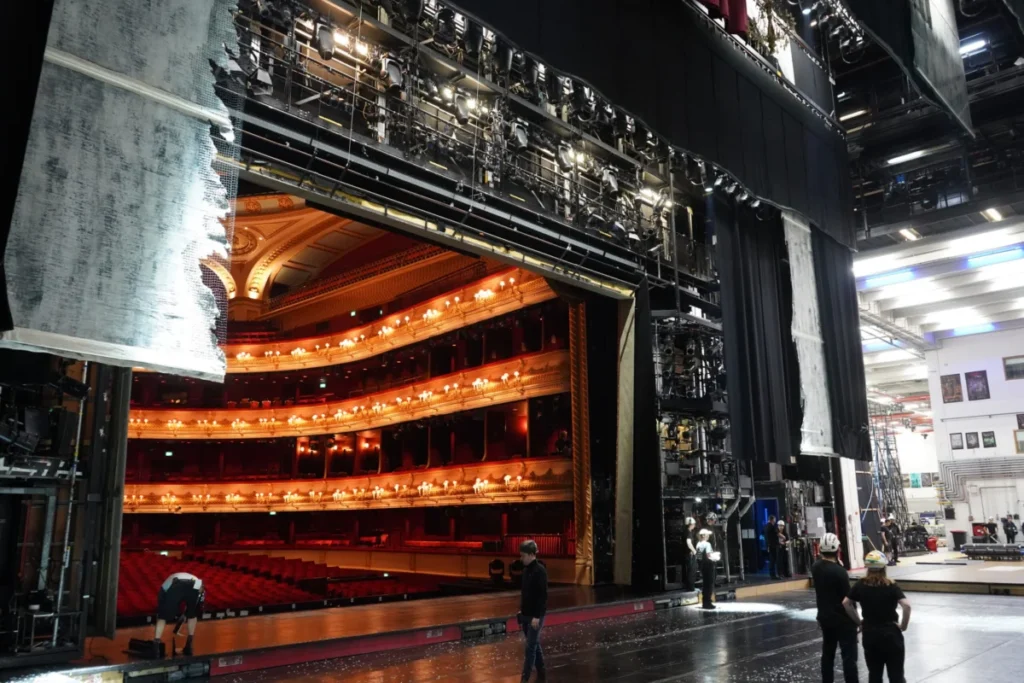
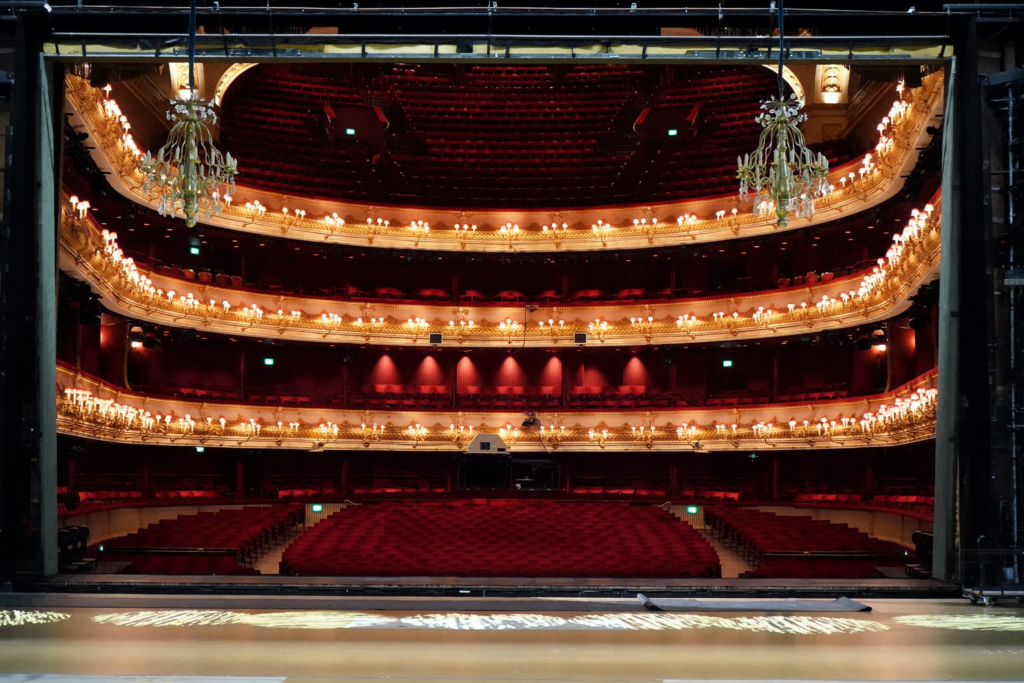
London’s iconic Royal Opera House (ROH), a global beacon for ballet and opera, has completed a significant technical upgrade to its main auditorium, implementing a state-of-the-art, customized plastic cable management system to support its transition to modern LED lighting technology. This intricate engineering feat ensures the seamless and silent operation of the stage’s dynamic lighting infrastructure, critical for the hundreds of performances hosted annually.
The Royal Opera House: A Legacy of Performance and Innovation
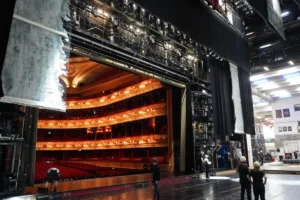
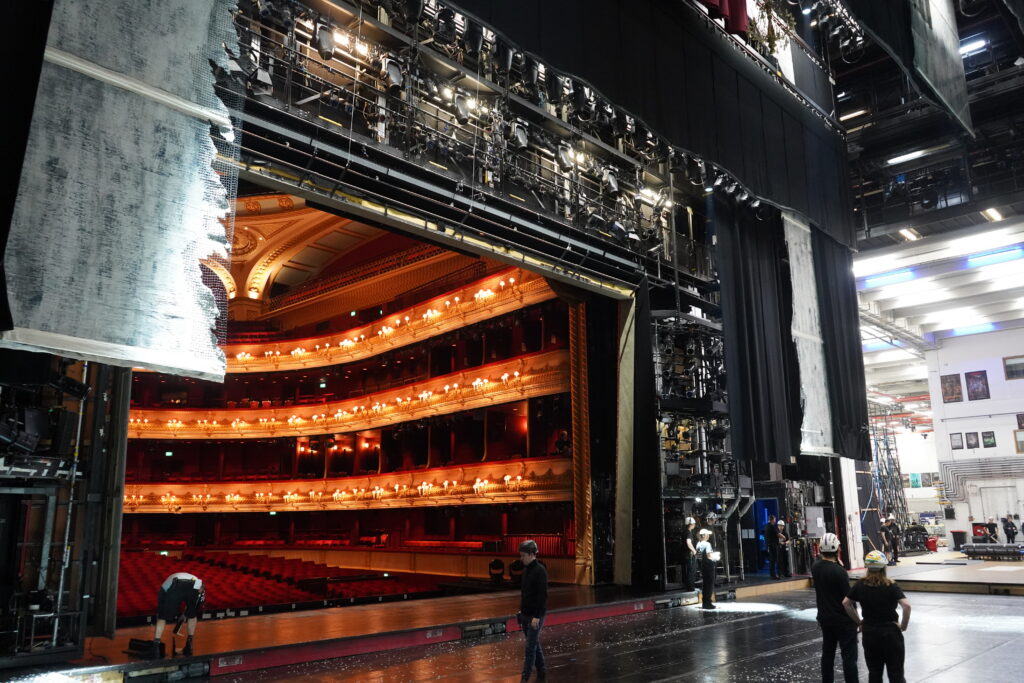
The Royal Opera House, situated on Bow Street in London, stands as a testament to artistic excellence and historical grandeur. Home to both The Royal Opera and The Royal Ballet, it employs a vast workforce exceeding 3,000 individuals, dedicated to bringing world-class productions to life. The main auditorium alone, with its capacity of 2,256 seats, represents merely a fraction of the entire site’s footprint. Since its major rebuild between 1997 and 1999, the ROH has consistently embraced cutting-edge stage technology. This modernization included the installation of a 37-meter fly tower, capable of simultaneously holding two full stage sets, and a purpose-built elevator designed to transport full-scale scenery directly from the loading level to the stage. This commitment to innovation ensures that the ROH remains at the forefront of theatrical production, constantly pushing the boundaries of what is possible on stage.

The Imperative for Modernization: Halogen to LED Transition
For over two decades, the ROH’s overstage machinery relied on a system of five vertically moving rows of beams equipped with traditional halogen spotlights. The intricate web of cables powering these lights was reliably managed by a zigzag energy chain system supplied by motion-plastics manufacturer igus in the year 2000. This original system, a testament to robust engineering, provided 25 years of trouble-free service, silently guiding the numerous cables through countless vertical movements, a crucial, albeit unseen, element of every performance.
However, by 2025, the evolving landscape of stage technology necessitated a critical upgrade. The industry’s shift towards LED (Light Emitting Diode) technology presented an opportunity for significant advancements in energy efficiency, longevity, and creative lighting control. LEDs offer numerous benefits, including vastly reduced power consumption, cooler operation, and a much longer lifespan compared to halogen bulbs, leading to lower maintenance costs and a reduced environmental footprint. They also provide unparalleled flexibility in color mixing and beam shaping, enabling richer and more dynamic visual effects for theatrical productions.
Despite these advantages, the adoption of LED technology brought forth new engineering challenges for the Royal Opera House. While individual LED fixtures can be lighter than their halogen counterparts, the comprehensive new lighting arrays—designed to accommodate a greater number of fixtures for finer control, along with their associated power supplies and robust mounting hardware—resulted in a different and often increased overall system weight. This new configuration, combined with the extensive cabling required for sophisticated DMX (Digital Multiplex) and power distribution, exceeded the load-bearing capacity of the existing suspension points and the original energy supply system. The aging infrastructure, though reliable, was simply not designed for the demands of 21st-century LED technology. A new support structure and a re-engineered energy-supply solution became imperative, not only to safely manage the increased weight and high volume of cables but also to future-proof the ROH’s technical capabilities.
Engineering the Unseen: Challenges of Stage Automation
Modern live theatre performances, particularly those on the grand scale of the Royal Opera House, are intricate ballets of art and engineering. The technical ecosystem behind each production is a complex marvel, designed to safely and silently move heavy overhead lighting trusses, scenery, and stage elements with precise choreography. The ROH’s new lighting hoists are a prime example of this complexity. They now consist of five 21-meter-long rows of aluminum trusses, each capable of vertical movement up to heights exceeding 25 meters, at speeds of 250 millimeters per second. Each row is further segmented into three closely spaced units, allowing for individual control and dynamic stage configurations. Each unit itself features a sophisticated two-truss design: a lower section dedicated to mounting the lighting fixtures, and a main, robust load-bearing section integrated into the stage’s overall structure.
The design of the new energy supply system had to meet stringent requirements. It needed to integrate directly and compactly into these main structural trusses, optimizing space and ensuring maximum stability. Crucially, it had to operate flawlessly and reliably under continuous load, supporting the ROH’s demanding schedule of hundreds of annual performances and rehearsals. Furthermore, in a live theatrical environment, any mechanical system must remain exceptionally quiet and visually unobtrusive, ensuring that technical operations never detract from the artistic experience on stage. The combination of heavy loads, high-speed movement, precise positioning, and the absolute necessity for silence presented a formidable engineering challenge that required a bespoke solution.
Igus’s Proven Expertise and the Zigzag Solution
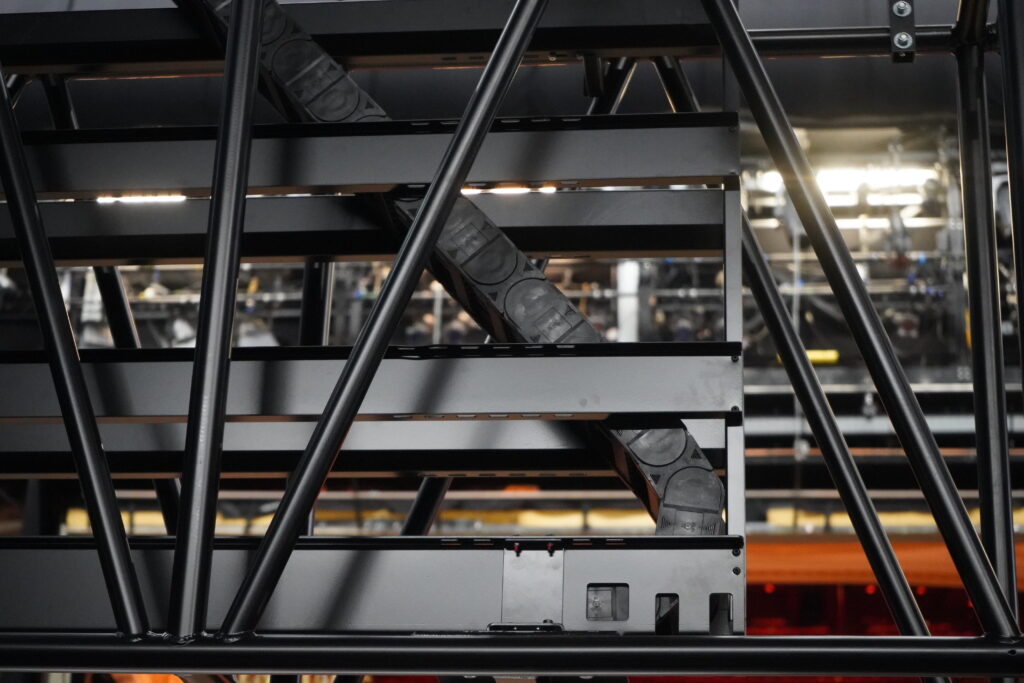
Given their successful track record spanning 25 years with the original system, igus, a leading motion-plastics manufacturer, was once again entrusted with the task of designing and supplying the appropriate cable management system for this critical upgrade. The igus engineering team initially explored various alternative solutions, including motorized cable reels. However, after thorough analysis, considering the sheer volume and diversity of cabling required—which included robust motor, bus, data, fiber-optic, and control lines—the zigzag energy chain system once again emerged as the superior option.
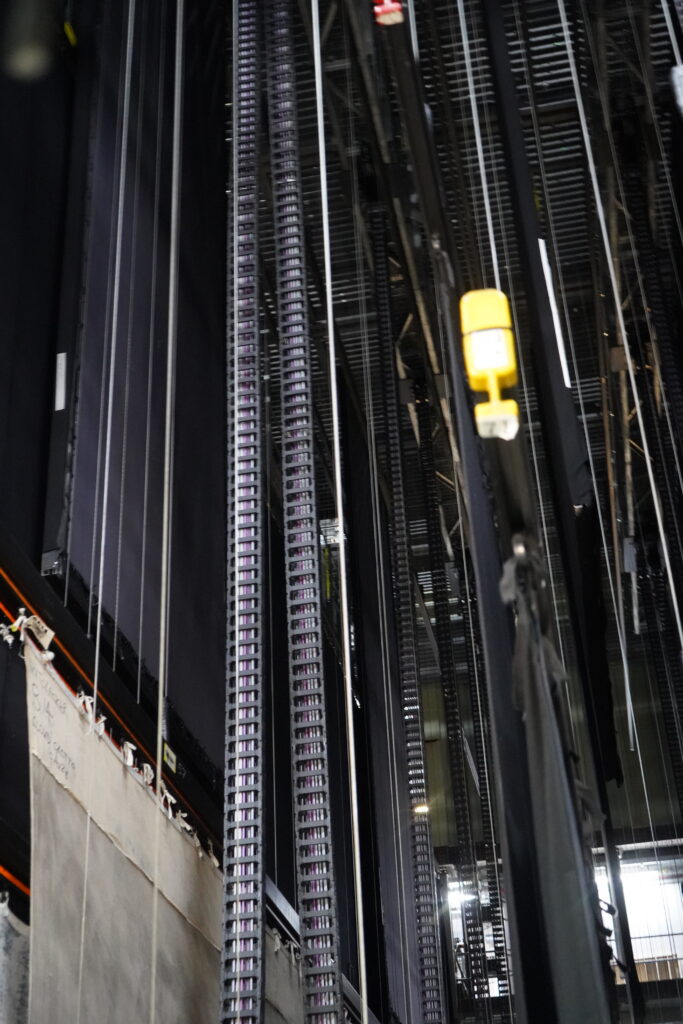
Zigzag systems are ingeniously designed to manage a high concentration of cables in applications requiring significant vertical travel within confined spaces. The fundamental principle involves the energy chain neatly folding into a compact basket at the base of the structure. As the platform or truss rises, the chain smoothly and quietly unfolds, delivering a continuous and protected energy supply without placing any tensile strain on the enclosed cables. This design offers several significant advantages: it is inherently space-saving for dynamic platforms, ensures the longevity of the cables by protecting them from abrasion and sharp bending, and facilitates quick and easy addition or replacement of individual cables, streamlining maintenance procedures. The modular nature and proven reliability of igus’s energy chains, especially their capability to withstand millions of continuous cycles, made them an ideal fit for the demanding environment of the Royal Opera House.
Precision Engineering: Tackling Weight and Pendulum Effects
The implementation of the zigzag system for such a large-scale, dynamic application at the ROH presented unique engineering challenges that demanded innovative solutions. One inherent characteristic of zigzag systems, particularly when deployed vertically, is the natural tendency to generate a slight pendulum effect due to their geometry and the accumulated mass of the cables. At the Royal Opera House, with its massive cable load and the substantial heights involved, this effect was significantly amplified. Initial tests of the system revealed alarming lateral deflections of up to one meter during operation. In a stage environment where lighting trusses are positioned in close proximity and precise movement is paramount, such wide lateral sway posed an unacceptable safety hazard and could compromise the integrity of performances.
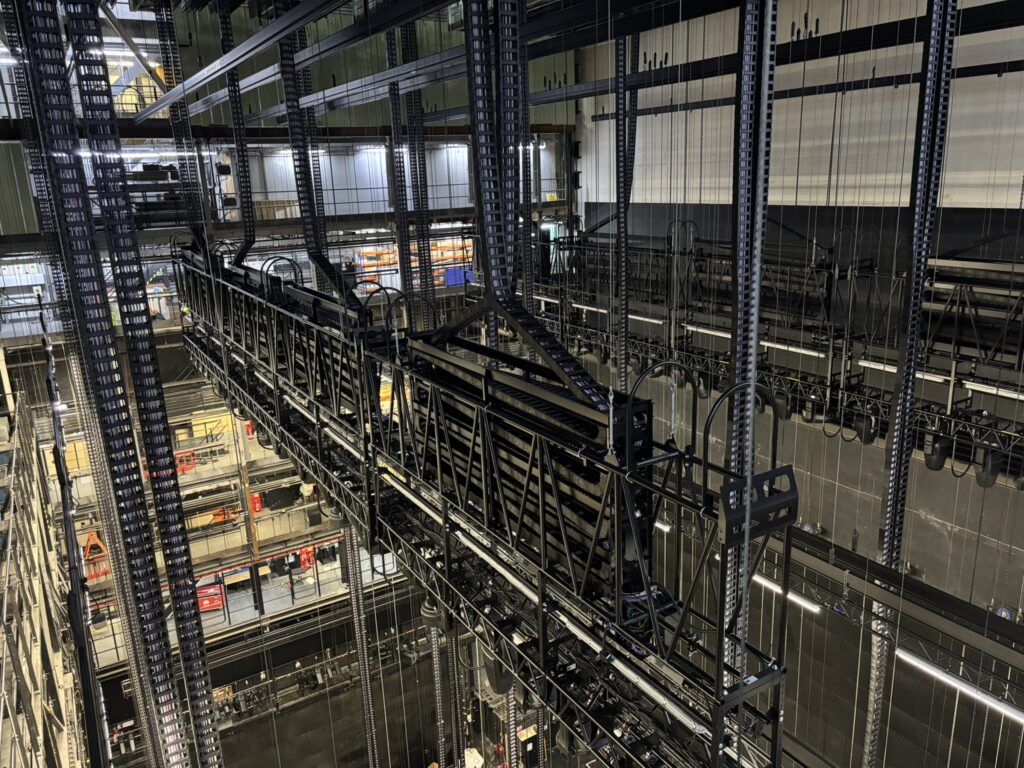
To meticulously counteract this pendulum effect, igus engineers devised an ingenious and highly effective solution: arranging the zigzag systems in an opposed pattern. This involved installing two e-chain energy chains per unit, designed to move in direct opposition to each other. By synchronizing their movements, the lateral forces generated by each chain effectively canceled each other out. Utilizing high-precision laser measurements, engineers rigorously confirmed the success of this innovative configuration, demonstrating a dramatic reduction in lateral sway from a hazardous one meter to an almost imperceptible 20 millimeters. This level of precision ensured both the safety of the stage environment and the smooth, silent operation essential for live performances.
Another critical challenge was the system’s weight. The original design for the guide boxes, which house the folded zigzag chains, consisted of 2.5-millimeter-thick steel baskets. While robust, this design resulted in a system weight of approximately 200 kilograms per unit. This figure, when multiplied across the multiple truss units, collectively exceeded the load capacity of the ROH’s hoisting machinery, threatening the structural integrity of the historic building and the operational safety of the stage. The engineering team was tasked with the crucial objective of reducing the guide box weight to less than 150 kilograms per unit without compromising strength or durability.
Leveraging igus’s specialization in "motion plastics" and lightweight design, the team addressed this challenge through a combination of material optimization and structural redesign. While the original text implies a bulleted list that is empty, it can be logically inferred that the solution involved:
- Material Substitution: Moving away from heavy steel for certain components of the guide boxes, likely towards high-performance, lightweight plastics or optimized aluminum alloys that maintain structural integrity while significantly reducing mass.
- Design Optimization: Implementing advanced computer-aided design (CAD) and simulation techniques to identify and remove unnecessary material, creating a more efficient and lighter structural form without sacrificing load-bearing capabilities. This could involve lattice structures or honeycomb designs for internal components.
- Component Integration: Streamlining the overall design to reduce the number of separate parts, thereby minimizing connection points and overall material usage.
For the center truss units, where space allowed, engineers implemented a straightforward design with two guide boxes, each containing one chain. However, for the shorter side units, where space constraints were more severe, they ingeniously designed two chains to fold compactly into a single, custom-engineered guide box, maximizing space efficiency without sacrificing performance.
The Comprehensive Cable Management System
Beyond the innovative zigzag configuration and the lightweight guide boxes, the igus cable management solution incorporated several other critical components to ensure robust and reliable operation. The system included igus’s E4.56 series e-chains, specifically engineered for high loads and long travel distances, all while maintaining an exceptionally low-noise profile—a non-negotiable requirement for the Royal Opera House.
Inside these advanced energy chains, igus installed a comprehensive suite of its proprietary chainflex cables. Unlike standard industrial cables, chainflex cables are meticulously engineered for continuous motion, designed to withstand millions of bending cycles without degradation in performance. This specialized construction ensures their longevity and reliability in the demanding, dynamic environment of the ROH stage. Furthermore, these cables feature advanced electromagnetic compatibility (EMC) to prevent interference with other sensitive stage equipment, such as audio systems, wireless microphones, and other lighting controls. Their robust design also ensures they can withstand the rigorous vertical travel and the complex folding stresses inherent to the zigzag system over an extended operational lifespan. This comprehensive approach, from the chains themselves to the carefully selected and designed cables within them, underscores the meticulous attention to detail required for such a high-stakes theatrical application. The entire installation comprises over one kilometer of igus chains, collectively weighing nine tons, facilitating vertical travel of more than 25 meters at speeds reaching 250 millimeters per second.
Seamless Implementation and Operational Excellence
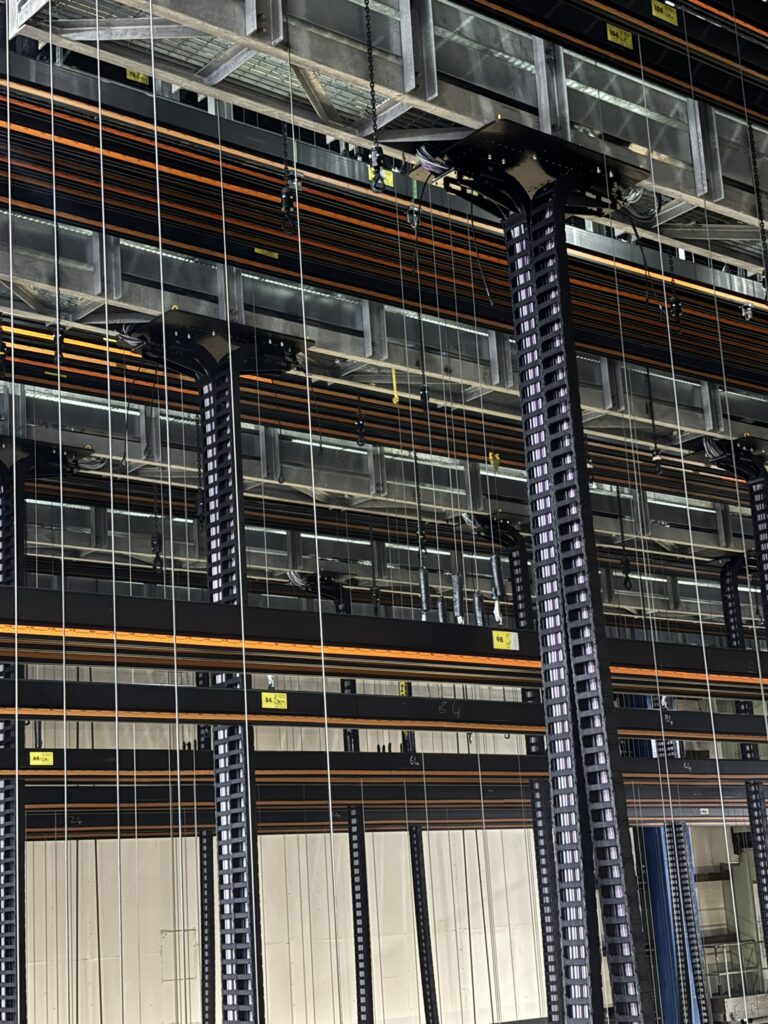
To minimize disruption to the Royal Opera House’s busy schedule, the entire retrofit project had to be executed within a tightly constrained four-week maintenance window. To meet this challenging deadline, igus delivered 15 complete zigzag systems, including the specialized guide boxes, energy chains, and pre-installed chainflex cables, as ready-to-install units. This pre-assembled, modular approach significantly streamlined the installation process, allowing the ROH technical team to rapidly integrate the new infrastructure.
The successful completion of this project has resulted in a stage infrastructure that is not only quieter and lighter but also significantly more durable and advanced than its predecessor. The innovative engineering solutions, particularly in mitigating the pendulum effect and reducing system weight, have transformed the operational capabilities of the Royal Opera House. While invisible to the audience members, the new lighting trusses and their sophisticated cabling system are now a fundamental, high-performing component critical to the success and artistic ambition of every performance staged at this world-renowned institution.
A Sustainable Future for Theatrical Production
Beyond the immediate operational benefits, the Royal Opera House’s upgrade also highlights a commitment to environmental sustainability. The retrofit involved the decommissioning of the original igus system that had served faithfully for 25 years. Through the igus Chainge recycling program, the ROH was able to return 2.4 tons of these old energy chains, ensuring that the plastic materials were responsibly re-entered into the material cycle for future use. This initiative underscores a growing trend in the entertainment industry towards more sustainable practices, from energy-efficient lighting to responsible waste management. The adoption of LED technology itself drastically reduces energy consumption compared to halogen lights, contributing to a lower carbon footprint for the venue.
The new igus cable management system is not merely an upgrade; it is an investment in the future, engineered to be more robust, efficient, and environmentally conscious. It is expected to outlast the impressive 25-year record of its predecessor, providing reliable service for decades to come.
Broader Implications for Theater Technology
The Royal Opera House’s successful integration of advanced cable management technology serves as a significant case study for the global theatrical community. It demonstrates how precision engineering and innovative material science can address the complex demands of modern stage automation, enabling more ambitious artistic visions while enhancing safety, efficiency, and sustainability. As venues worldwide continue to transition to LED lighting and increasingly complex stage designs, the lessons learned from the ROH project—particularly concerning weight management, dynamic stability, and integrated cable solutions—will undoubtedly influence future developments in theater automation. The collaboration between a world-class cultural institution and a leading industrial technology provider showcases the critical synergy required to maintain the magic of live performance in an increasingly technologically driven world. The Royal Opera House continues to stand as a beacon, not just of artistic excellence, but also of technical innovation in the performing arts.