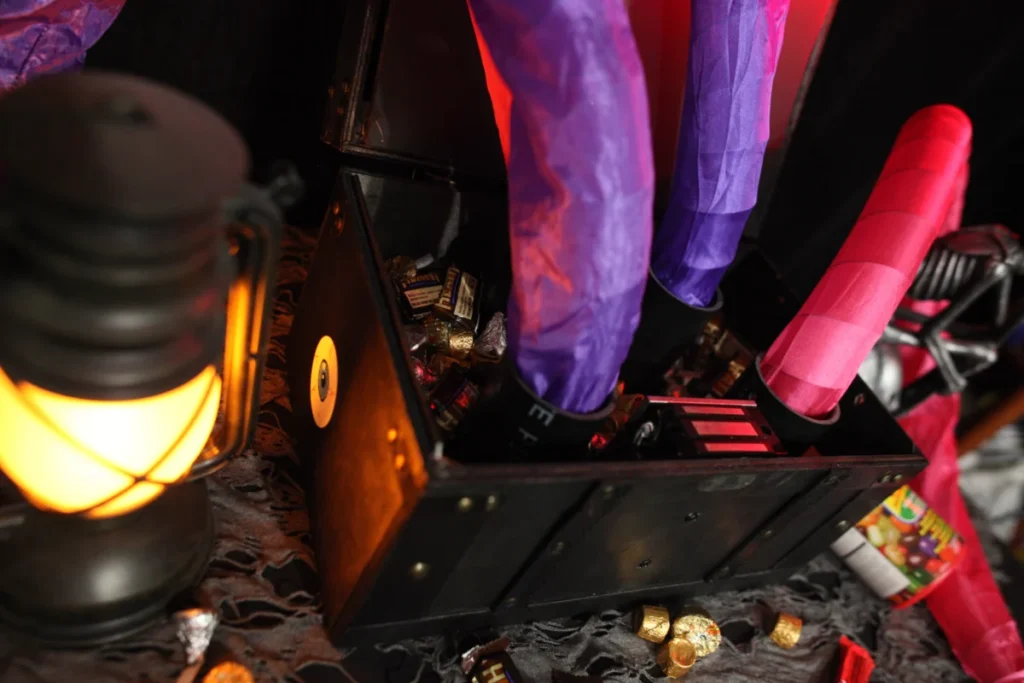
The engineering core of the device relies on an electromagnetic lock, or maglock, which provides a high degree of holding force that prevents the box from being opened through manual strength alone. This creates a psychological tension for the user; the box remains resolutely shut until a specific, hidden "key"—in this case, a magnet—triggers the release mechanism. The project exemplifies the democratization of specialized hardware, as components that were once the exclusive domain of security contractors are now readily available to hobbyists through online marketplaces and local hardware suppliers.

The Engineering Foundation: Understanding the Components
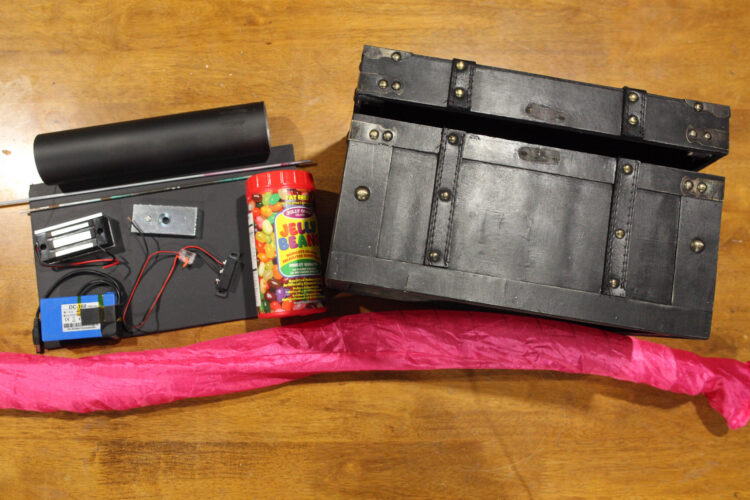
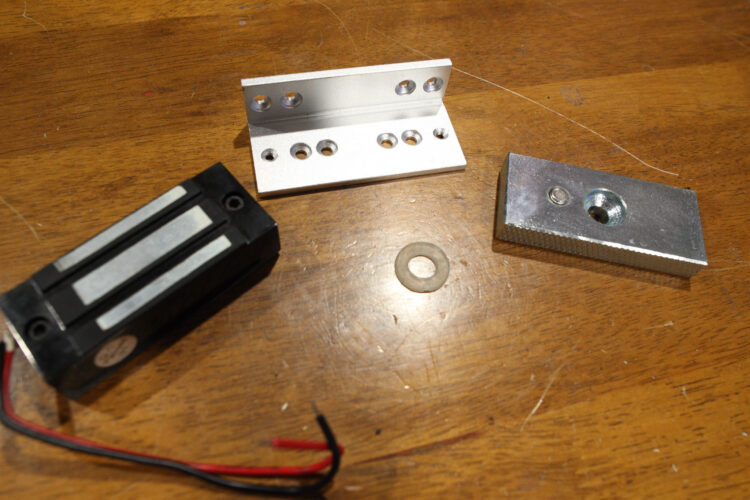
To understand the functional complexity of the scare box, one must examine the specific roles of its industrial components. The centerpiece is the 12V magnetic lock, a device that uses an electromagnetic field to create a bond between a base unit and a strike plate. Unlike mechanical latches, maglocks have no moving parts, making them ideal for high-repetition use in a prank setting.
Supporting this is the magnetic reed switch, a critical sensor in modern security systems. For this specific application, the builder utilizes the "Normally Closed" (NC) configuration. In a standard security setup, this switch would trigger an alarm if a door were opened; here, it maintains the circuit that powers the electromagnet. When a secondary magnet is introduced to the exterior of the box, the internal reed switch opens the circuit, immediately cutting power to the lock and allowing the internal tension to force the lid open.
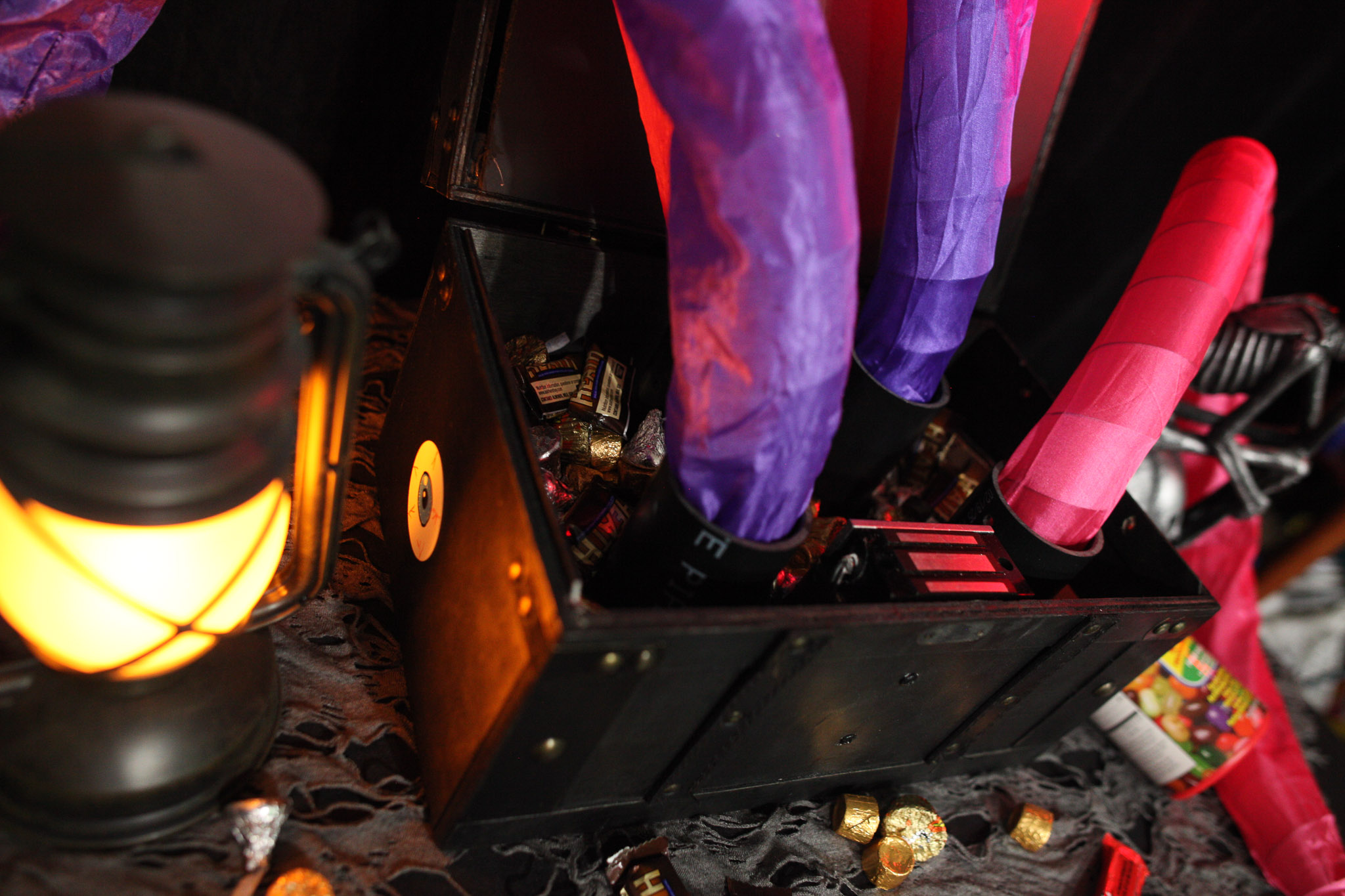
The mechanical force of the "scare" is provided by spring-loaded snakes, a classic novelty item. However, the integration into a wooden chassis requires careful calibration. The builder employs ABS piping—noted for its thick walls and structural integrity—to house the snakes. This choice of material ensures that the lateral force of the compressed springs does not warp the housing or interfere with the sensitive alignment of the electromagnetic strike plate.
Chronology of Construction: A Systematic Build Process
The assembly of the scare box follows a logical progression from structural reinforcement to electronic integration, ensuring that the high-tension environment of the finished product does not lead to mechanical failure.
1. Structural Preparation and Lid Reinforcement
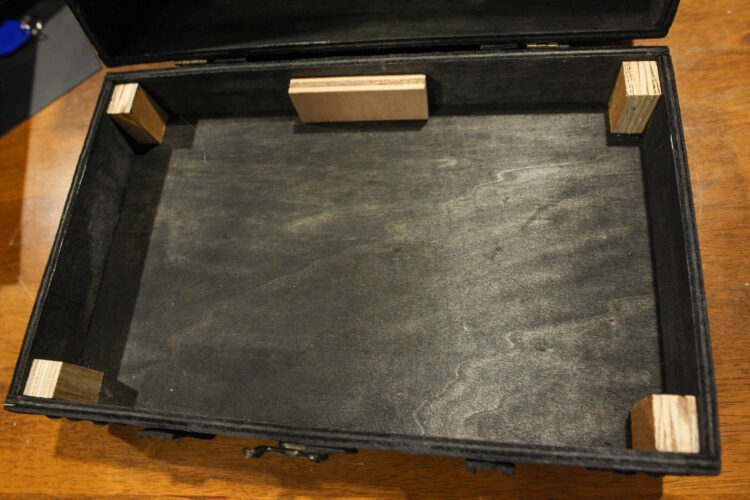
The process begins with the modification of a standard wooden chest. Because the lid must withstand the sudden, explosive force of four compressed springs, it requires internal reinforcement. Builders typically use black foamcore board to create a clean aesthetic while providing a mounting surface for the strike plate. Wooden square dowels are cut to match the depth of the lid, providing a frame that prevents the foamcore from collapsing under pressure.
2. Mounting the Electromagnetic Lock
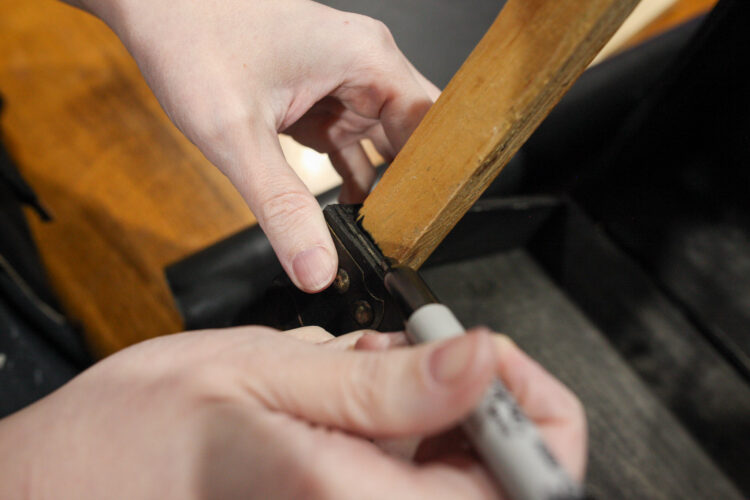
The installation of the maglock is the most technically demanding phase. The mounting bracket must be flush with the edge of the box to ensure a clean seal. Due to the thin walls of most decorative wooden boxes, builders often employ 2×4 lumber scraps as internal mounting blocks. These blocks provide the necessary mass to anchor the screws, ensuring the lock does not tear away from the wood when the box is moved.
3. Alignment of the Strike Plate
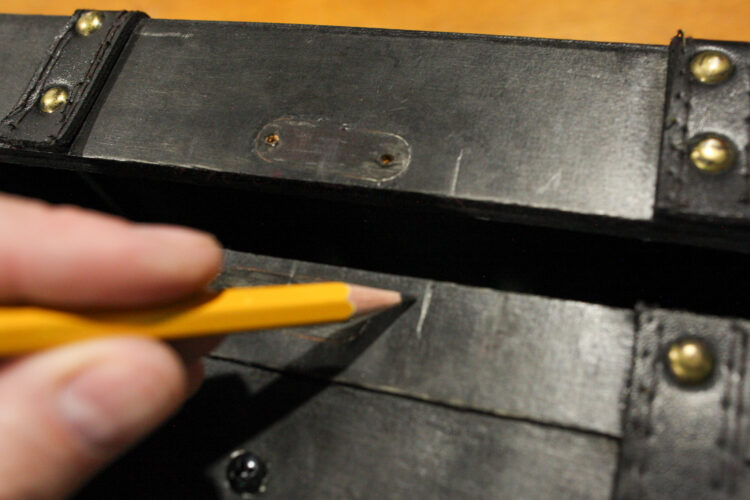
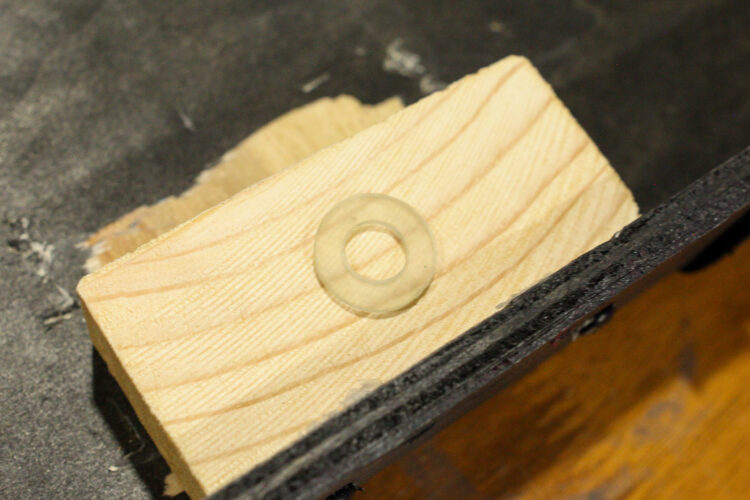
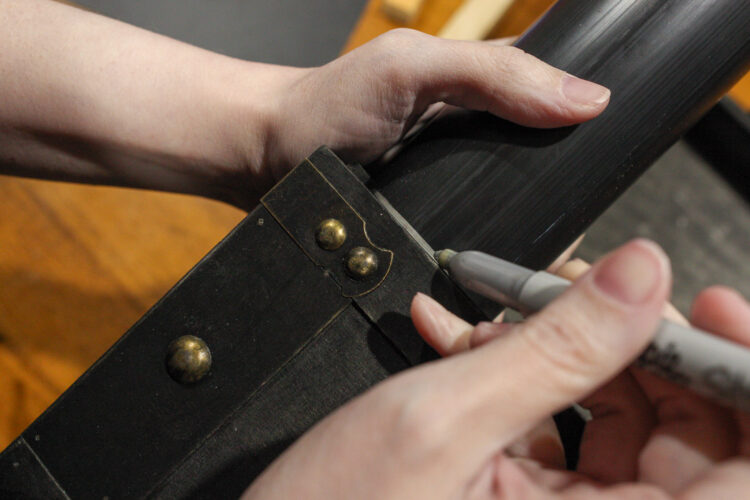
The strike plate is mounted to the lid using a specific "floating" technique. A clear rubber washer, typically included with industrial maglocks, is placed between the plate and the wood. This allows the plate to shift slightly, ensuring it seats perfectly against the electromagnet even if the lid hinges have a small amount of play. Precise alignment is verified through pencil marking on the exterior of the chassis before the final mounting screws are driven.
4. The Spring Housing System
Four lengths of ABS pipe are cut to match the height of the box. These are glued into a staggered configuration using high-strength adhesives or hot glue. To facilitate the loading of the snakes, 3/16" holes are drilled through the box walls and the pipes. This allows the builder to use 1/8" metal rods as temporary pins. These pins hold the compressed snakes in place while the lid is being closed and the maglock is being engaged.
5. Circuitry and Power Integration
The wiring utilizes Wago lever nuts, which provide secure, tool-less connections for the 12V system. The power source—typically a 12V battery pack or a wall-mounted adapter—is wired in series with the magnetic reed switch and the maglock. Once the wires are tucked into the base of the box, they can be concealed with a false bottom or decorative filler like candy or fabric.
Supporting Data: The Growth of the DIY Prop Market
The emergence of projects like the Trick & Treat Scare Box is supported by broader economic trends in the seasonal entertainment industry. According to data from the National Retail Federation (NRF), Halloween spending in the United States reached a record $12.2 billion in 2023, with a significant portion of that growth attributed to high-tech decorations and animatronics.
The "Maker" segment of this market has seen a parallel rise. Platforms like Etsy and Instructables have reported a surge in interest for DIY electronics kits. Furthermore, the global magnetic lock market is projected to grow at a CAGR of 5.8% through 2030, driven not just by traditional security needs but by the creative repurposing of these devices in escape rooms and interactive theater—industries that rely heavily on the same technology used in the scare box.
Safety Considerations and Technical Analysis
While the project is designed for entertainment, the use of industrial hardware necessitates a brief analysis of safety and reliability. Electromagnetic locks are "fail-safe" devices, meaning they require constant power to stay locked. In the event of a battery failure, the box will simply unlock, preventing the mechanism from becoming permanently stuck.
However, the kinetic energy stored in the spring snakes can be substantial. The builder’s recommendation to secure the box to a table or heavy surface is a critical safety step. Without being anchored, the sudden release of four springs can cause the entire box to jump or slide, potentially leading to minor injury or damage to the internal electronics.
From a technical standpoint, the choice of a reed switch over a traditional button adds a layer of "magic" to the interaction. By using magnetism to trigger the release, the builder removes visible points of interaction, forcing the "victim" to solve a puzzle or wait for a remote trigger. This elevates the project from a simple toy to a sophisticated piece of interactive theater.
Broader Impact and Implications for STEM Education
The Trick & Treat Scare Box serves as more than a seasonal prank; it is a practical application of STEM (Science, Technology, Engineering, and Mathematics) principles. Educators have increasingly looked toward "holiday hacking" as a way to engage students in electrical engineering. By building a scare box, students learn about:
- Electromagnetism: The conversion of electrical energy into a magnetic field.
- Circuit Logic: Understanding the difference between Normally Open and Normally Closed states.
- Mechanical Advantage: How to manage and release stored potential energy in springs.
- Prototyping: The iterative process of aligning industrial components within non-standard housings.
The maker community’s response to such projects has been overwhelmingly positive. Online forums suggest that the versatility of the maglock-and-reed-switch setup is being adapted for year-round use. Some makers have reported using the same logic to create "magic" jewelry boxes that only open when a specific ring is placed on top, or hidden compartments in bookshelves that react to a magnet concealed inside a book spine.
Conclusion: The Future of Interactive Pranks
As hardware becomes more accessible and documentation more detailed, the line between professional special effects and home-grown DIY projects continues to blur. The Surprise Visitors With a Trick & Treat Scare Box project is a testament to the ingenuity of the modern maker, turning a simple wooden chest into a high-tech delivery system for a classic jump-scare.
Whether used as a centerpiece for a Halloween party, a high-stakes gift box for a scavenger hunt, or a remote-triggered prop for a haunted house, the device illustrates a fundamental shift in how we interact with technology during the holidays. It moves the user from a passive consumer of store-bought decorations to an active engineer of their own entertainment. As we look toward future iterations, the integration of RF remotes, motion sensors, and even microcontrollers like Arduino or Raspberry Pi will likely further evolve the capabilities of the humble scare box, making the next generation of Halloween tricks even more unpredictable and technologically advanced.