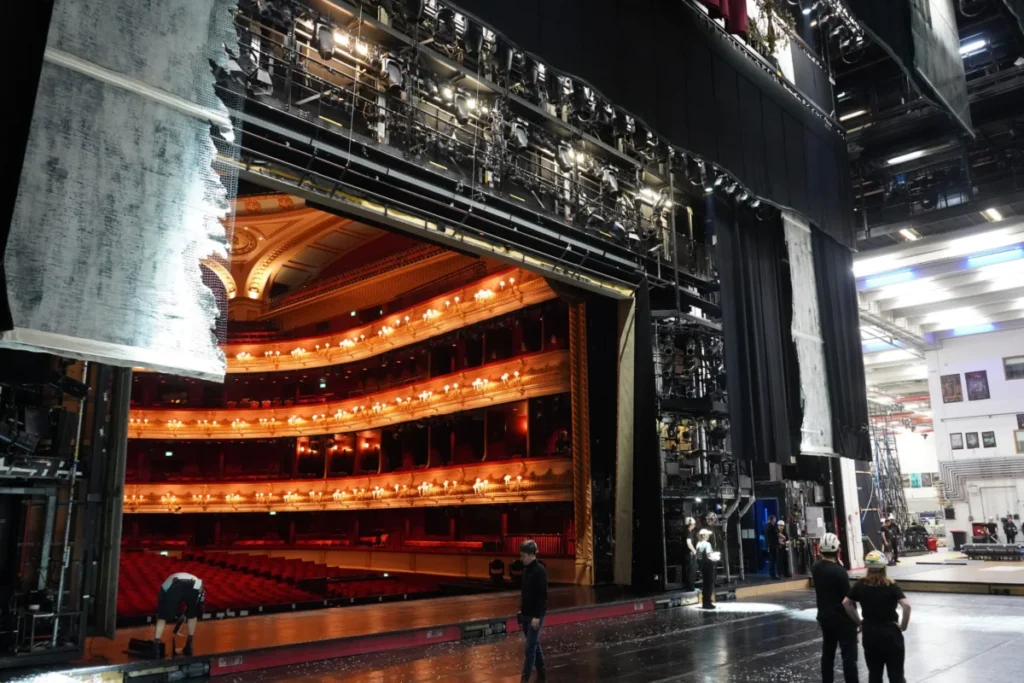
The Royal Opera House (ROH) in London, a global beacon for ballet and opera, has recently completed a significant technological upgrade, implementing a state-of-the-art, customized plastic cable management system to support its transition to modern LED lighting technology. This critical infrastructure enhancement, delivered by motion-plastics manufacturer igus, addresses the evolving demands of contemporary stage productions, ensuring silent, safe, and efficient movement of complex lighting rigs high above the iconic Covent Garden stage. The project not only modernizes the ROH’s technical capabilities but also sets a new benchmark for combining historical preservation with cutting-edge engineering in performing arts venues.
A Quarter-Century of Reliability: The Pre-LED Era

For over two decades, the Royal Opera House relied on a robust technical ecosystem designed to facilitate the intricate lighting requirements of its world-class performances. Since its original implementation in 2000, the overstage machinery consisted of five vertically moving rows of beams, each equipped with traditional halogen spotlights. To manage the extensive cabling for these systems, igus, a specialist in motion plastics, had supplied a zigzag energy chain system. This innovative system was responsible for safely guiding the numerous cables during the continuous vertical movements required for various stage configurations. Its performance was exemplary, operating reliably and trouble-free for a remarkable 25 years, a testament to the durability and thoughtful engineering inherent in its design. This longevity underscored the fundamental importance of dependable cable management in high-stakes live performance environments, where disruptions are simply not an option.
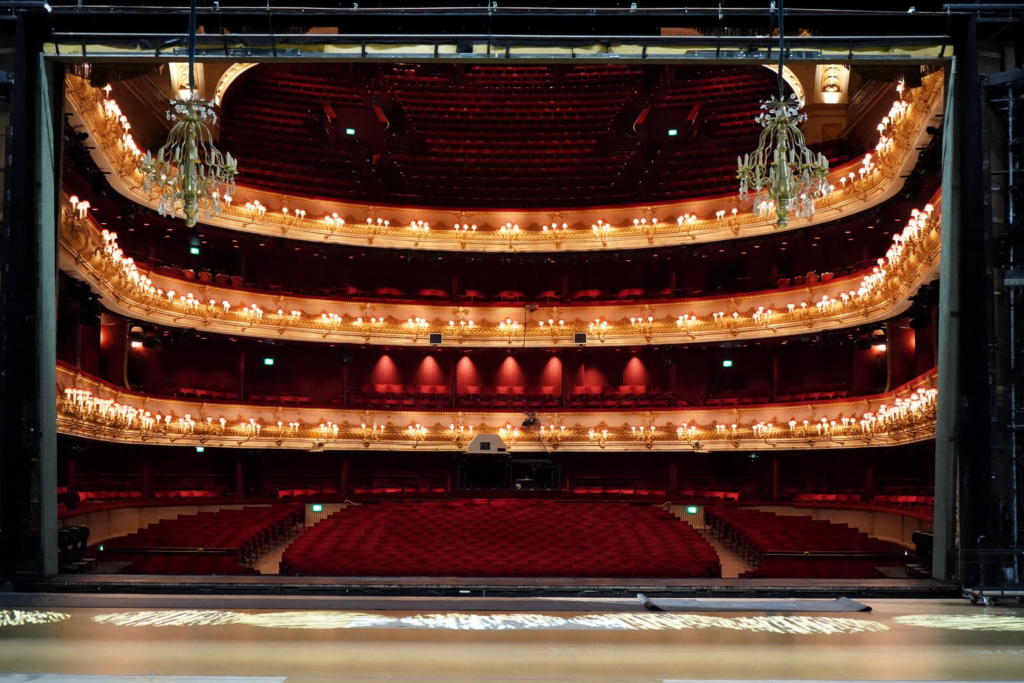
The Royal Opera House itself boasts a rich history, standing as a testament to architectural grandeur and artistic excellence. Following a major rebuild between 1997 and 1999, the ROH incorporated cutting-edge stage technology for its time, including a 37-meter fly tower capable of holding two full sets simultaneously, and a purpose-built elevator large enough to transport full-scale scenery directly from the loading level to the stage. This commitment to technological advancement, even within a historic framework, established a precedent for the continuous evolution seen in its recent upgrade.
The Dawn of LED: Modernization Challenges and Necessities
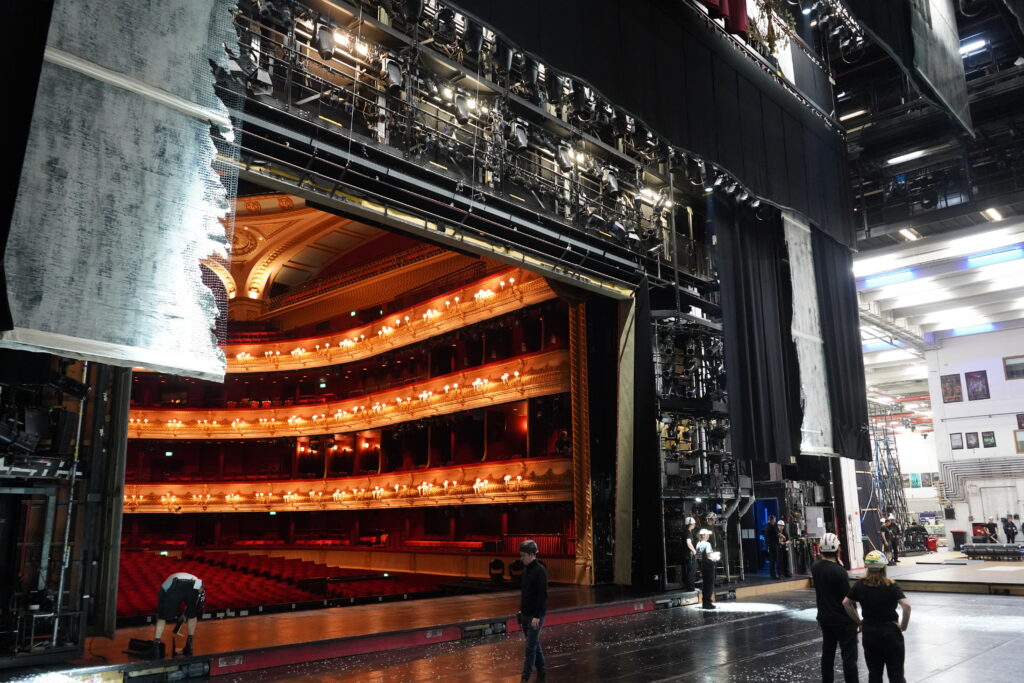
The performing arts industry, like many others, has witnessed a transformative shift towards more energy-efficient and versatile lighting solutions. In 2025, the Royal Opera House embarked on a crucial modernization initiative, replacing its long-serving halogen spotlights with advanced LED units. This transition was driven by several compelling factors: LEDs offer significantly reduced energy consumption, vastly improved light quality with greater control over color and intensity, and a reduction in heat output, which is beneficial for both performers and delicate stage equipment. However, this technological leap brought its own set of engineering challenges. While individual LED fixtures are often lighter than their halogen counterparts, the sheer volume of LED units required to achieve the desired stage illumination, coupled with their associated power and data cabling, resulted in a considerably heavier overall lighting truss structure.
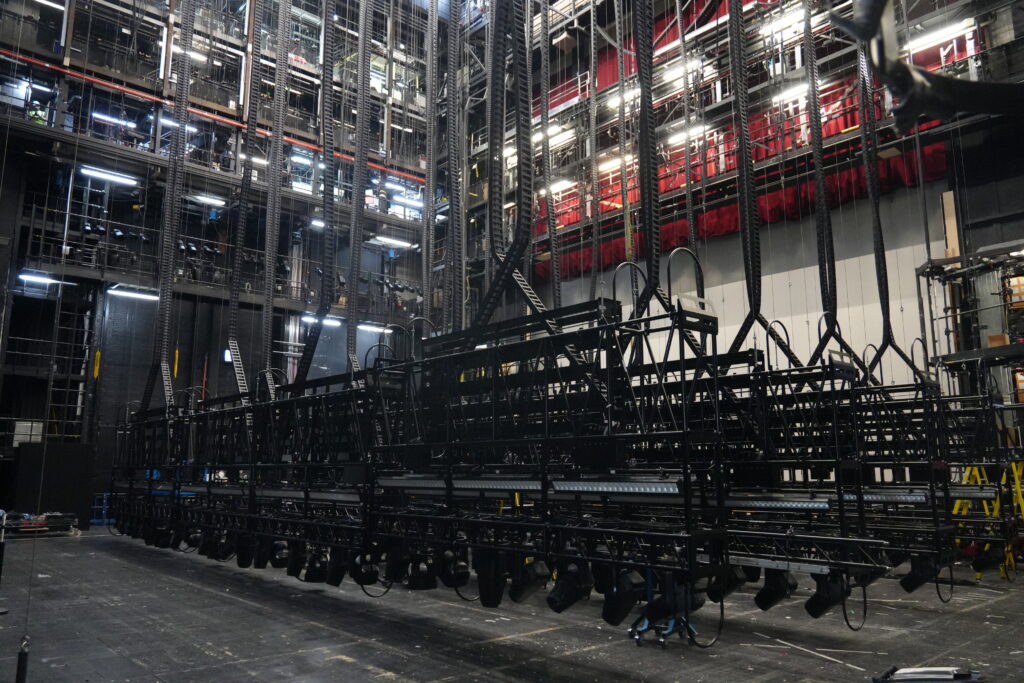
This increased weight, particularly the cumulative load of hundreds of new LED fixtures across five 21-meter-long rows of aluminum trusses, exceeded the load-bearing capacity of the existing suspension points and the original energy supply system. The need for an entirely new support structure and a re-engineered energy-supply solution became paramount. The new lighting hoists were designed to be highly dynamic, capable of moving at speeds of 250 millimeters per second to heights exceeding 25 meters. Each row comprised three closely spaced units, each individually movable, featuring a sophisticated two-truss design: a lower section dedicated to the lighting fixtures and a main, robust load-bearing section. The new cable management system had to seamlessly integrate into this main structural truss, not only for optimal space utilization but also to ensure maximum stability during operations. Crucially, it needed to reliably support the ROH’s demanding schedule of hundreds of annual performances and rehearsals, all while maintaining an almost imperceptible presence – quiet in operation and visually unobtrusive to the audience and artists alike.
Precision Engineering: Tailoring the Zigzag Solution
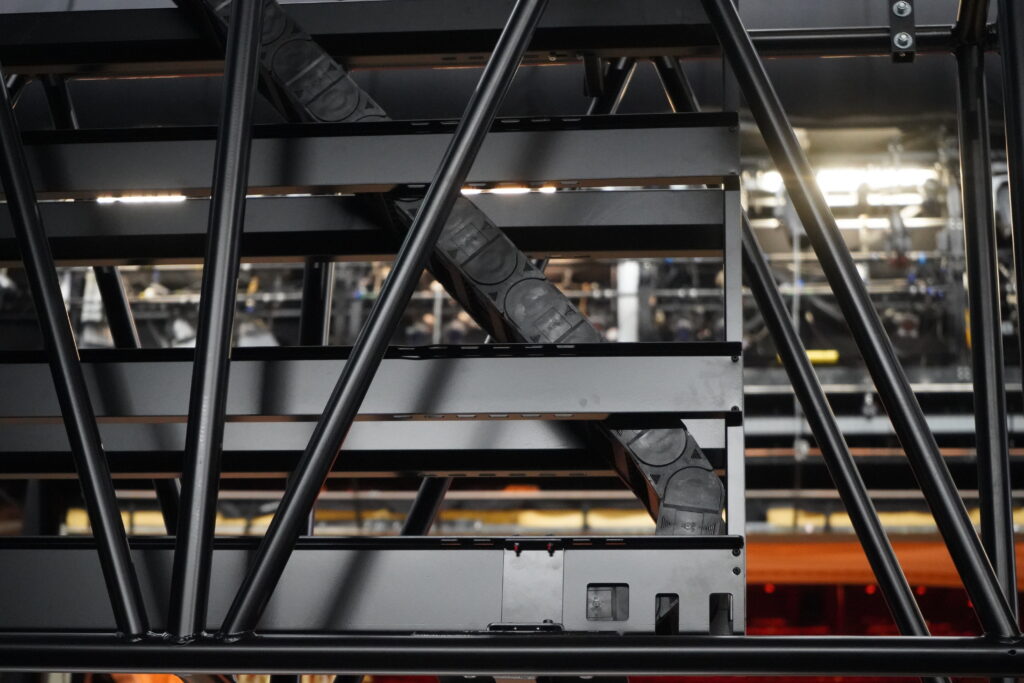
Faced with these complex requirements, the Royal Opera House once again turned to igus, leveraging their long-standing relationship and specialized expertise. The igus team was tasked with devising an appropriate cable system that could meet the stringent demands of modern stage automation. Engineers initially explored various alternatives, including motorized cable reels, but after thorough evaluation, the zigzag energy chain system again emerged as the superior option. This decision was primarily driven by the immense volume of cabling required, encompassing a diverse array of lines including motor, bus, data, fiber-optic, and control cables, all needing to move synchronously and reliably.
Zigzag systems, as employed by igus, function by neatly folding the energy chain into a compact basket. As the lighting platform rises or lowers, the chain smoothly and quietly unfolds or refolds, delivering a highly efficient and space-saving solution for dynamic vertical applications. A key advantage of this design is that it prevents tensile strain on the cables, significantly extending their lifespan and ensuring consistent performance. Furthermore, the modular nature of these systems allows for fast and easy addition or replacement of individual cables, a critical feature for the constantly evolving technical demands of live theatre. The ability to perform maintenance quickly and efficiently minimizes downtime, which is invaluable for a venue like the Royal Opera House, operating on a tight performance schedule.
Overcoming Structural and Dynamic Hurdles
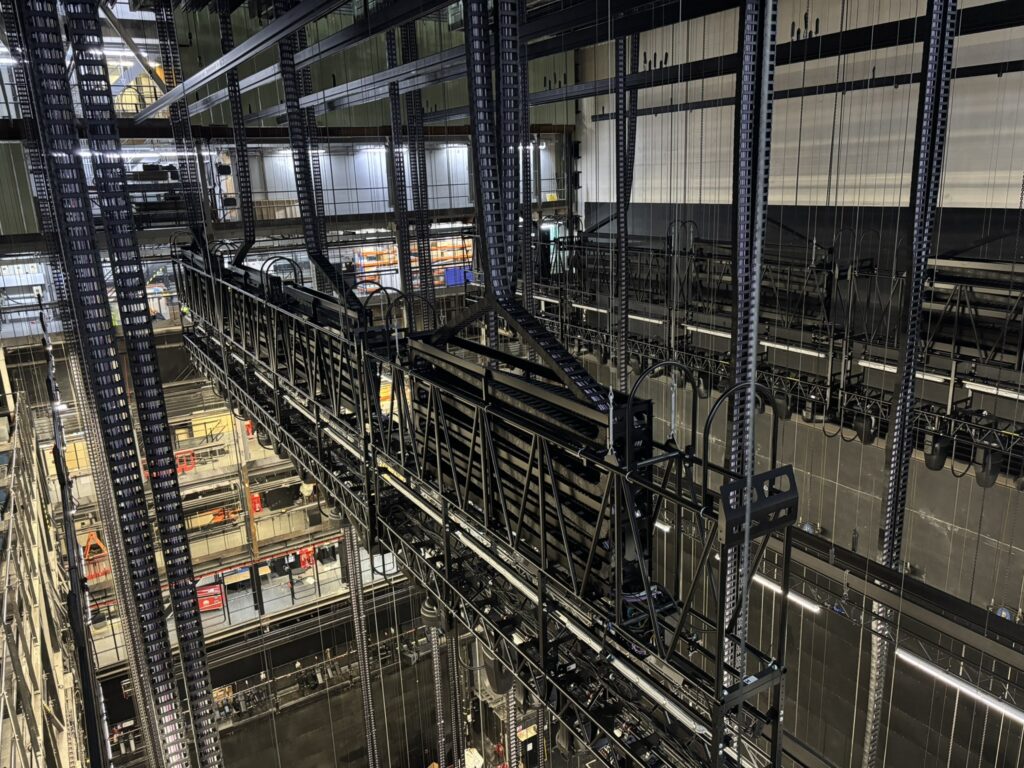
The implementation of the new zigzag system at the Royal Opera House presented several unique engineering challenges that required innovative solutions. One primary concern was the inherent "pendulum effect" generated by vertically folding zigzag systems. Due to their geometry, these systems naturally produce a slight lateral sway during movement. At the ROH, the massive cable load, combined with the significant travel height, amplified this effect. Initial tests revealed lateral deflections of up to one meter during operation. In a densely packed stage environment where lighting trusses are positioned in close proximity, such a wide sway posed a significant safety hazard and could compromise the precision required for theatrical lighting cues.
To counteract this critical issue, igus engineers devised an ingenious solution: arranging the zigzag system in an opposed pattern. This involved installing two e-chain energy chains per unit, designed to move in opposition to each other. By synchronizing their movements, the lateral forces generated by each chain effectively cancel each other out. This sophisticated counter-motion mechanism was rigorously tested using high-precision laser measurements, which confirmed a dramatic reduction in lateral sway from the initial one meter to a mere 20 millimeters – an almost negligible movement, ensuring the stability and safety of the lighting trusses.
Another substantial challenge was the weight of the guide boxes designed to house the energy chains. The original design for these baskets, constructed from 2.5-mm-thick steel, resulted in a system weight of approximately 200 kilograms per unit. This weight, when combined with the new LED trusses and extensive cabling, exceeded the load capacity of the hoisting machinery and the structural limits of the historic building. Engineers had to meticulously reduce the guide box weight to less than 150 kilograms per unit without compromising structural integrity or durability. The team addressed this challenge through a multi-faceted approach:
- Material Optimization: Exploring and utilizing lighter, high-strength plastics and potentially advanced composites where feasible, replacing heavier steel components without sacrificing structural rigidity.
- Design Refinement: Employing advanced CAD and simulation tools to optimize the geometry of the guide boxes, identifying areas where material could be removed without impacting performance, thus achieving a ‘lightweight by design’ approach.
- Component Integration: Streamlining the design to minimize the number of individual components and connections, thereby reducing overall mass while maintaining structural coherence.
- Custom Fabrication: Working closely with specialized fabricators to ensure that the chosen lightweight materials could be manufactured to the precise tolerances required for a dynamic stage environment.
- For the center truss units, engineers implemented a system with two guide boxes, each containing one chain. On the shorter side units, where space was at an absolute premium, they ingeniously designed two chains to fold compactly into a single, specialized box, showcasing the high degree of customization and problem-solving involved.
The Power of Plastics: Robust Cables for Continuous Motion
Beyond the mechanical structures, the cabling itself formed a critical component of the igus solution. The Royal Opera House’s cable management system integrated the igus E4.56 series e-chain, specifically chosen for its ability to handle high loads and long travel distances while maintaining an exceptionally low-noise profile – a non-negotiable requirement in a performance venue. Inside these robust chains, igus installed a comprehensive suite of its specialized Chainflex cables. Unlike standard cables, Chainflex products are engineered from the ground up for continuous motion applications, designed to withstand millions of cycles of bending and folding without degradation.
These advanced cables possess several key characteristics vital for the ROH’s demanding environment:
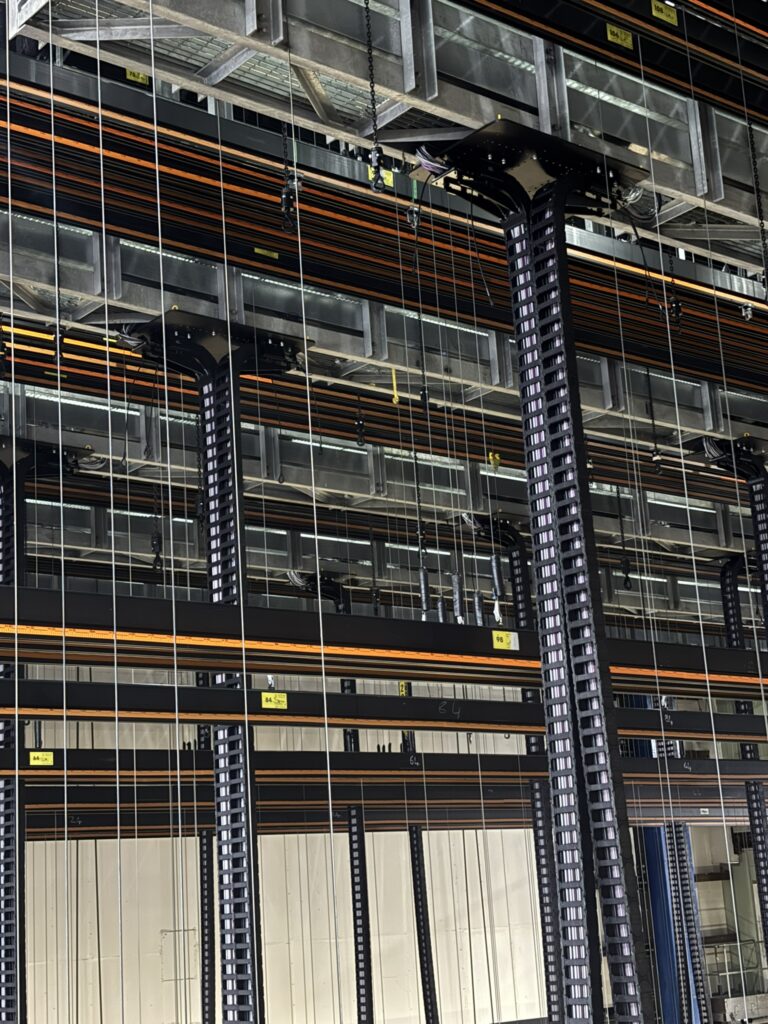
- Durability for Continuous Motion: They are constructed with specific conductor materials, strand designs, and jacket compounds that resist fatigue and wear from constant movement, ensuring a long operational life.
- Electromagnetic Compatibility (EMC): In a complex stage environment filled with sensitive audio, video, and control equipment, preventing electromagnetic interference is paramount. Chainflex cables are designed with robust shielding to maintain signal integrity and prevent disruption to other stage systems.
- Resistance to Folding Stresses: Specifically optimized to endure the unique folding and unfolding stresses inherent in the zigzag energy chain system, preventing conductor breakage or insulation damage.
- Variety and Capacity: The installed Chainflex range included robust motor cables for moving the trusses, bus and data cables for control signals, fiber optic cables for high-speed communication, and various control lines, all seamlessly integrated within the e-chains.
This holistic approach to cable management, encompassing both the protective chains and the specialized cables within them, ensures the highest levels of reliability and performance for the Royal Opera House’s lighting systems.
Ensuring Seamless Performances: Operational Benefits
The successful implementation of this advanced cable management system translates directly into significant operational benefits for the Royal Opera House. The new infrastructure is markedly quieter, lighter, and more durable than its predecessor, directly enhancing the quality and versatility of productions. The smooth, silent movement of the lighting trusses ensures that no unwanted mechanical noises interfere with the delicate acoustics of a live opera or ballet performance, preserving the immersive experience for the audience. The reduced weight on the hoisting machinery not only extends the lifespan of the equipment but also allows for greater flexibility in lighting design, enabling more complex and dynamic stage configurations.
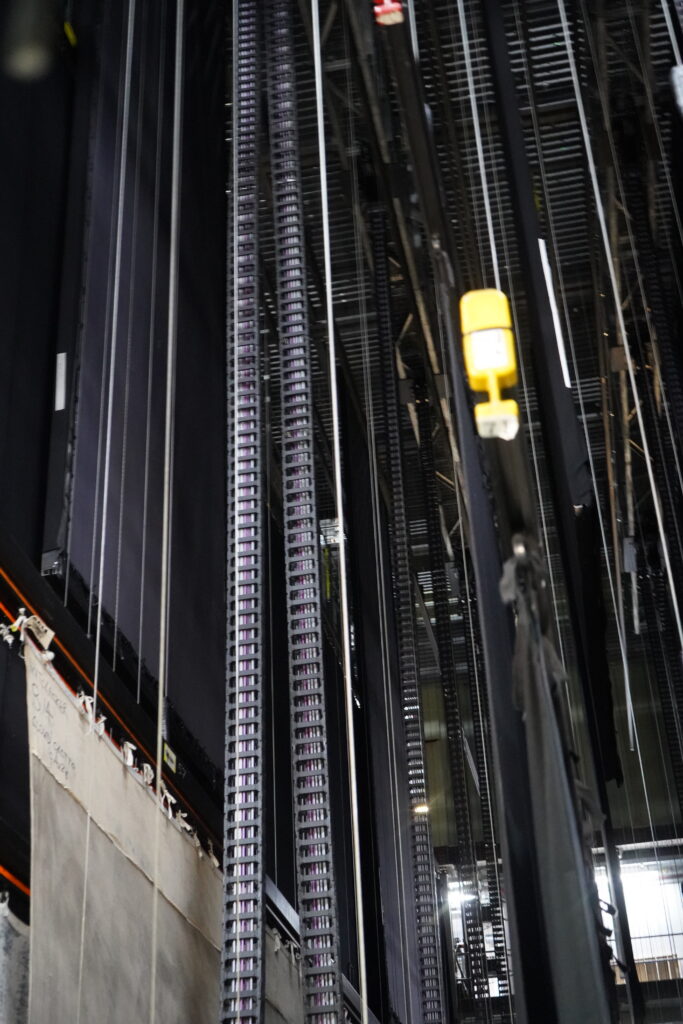
With more than 250 performances annually and rehearsals filling the remaining days, the reliability of the system is paramount. The igus solution, designed for millions of cycles, is expected to outlast the impressive 25-year record of its predecessor, offering a long-term, trouble-free operation. This extended lifespan translates into reduced maintenance costs and fewer disruptions, allowing the ROH technical teams to focus on artistic execution rather than equipment failures. A spokesperson for the Royal Opera House’s technical department emphasized, "This upgrade is not just about new lights; it’s about the invisible engineering that makes every performance possible. The collaboration with igus has delivered a system that is robust, silent, and incredibly precise, empowering our designers and technicians to push creative boundaries while ensuring absolute safety."
A Model for Sustainable Stage Technology
Beyond operational efficiency, the project also underscores a commitment to environmental sustainability. The shift from halogen to LED lighting technology alone represents a significant reduction in energy consumption, aligning with global efforts to minimize carbon footprints. Furthermore, the decommissioning of the original igus system presented an opportunity for responsible waste management. Through the igus Chainge recycling program, the Royal Opera House returned 2.4 tons of old energy chains. This initiative ensures that the high-performance plastics are not sent to landfill but are instead reintroduced into the material cycle, supporting a circular economy. An igus representative commented, "We are proud not only to provide cutting-edge solutions but also to ensure that our products contribute to a more sustainable future. The Chainge program allows our clients, especially esteemed institutions like the Royal Opera House, to close the loop on their technical upgrades." This commitment to recycling positions the ROH as a leader in adopting environmentally conscious practices within the cultural sector.
Industry Recognition and Future Outlook
The Royal Opera House’s cable management system, spanning over a kilometer of igus chains and weighing a total of nine tons, represents a monumental engineering achievement. It is a testament to how meticulous planning, advanced material science, and collaborative design can overcome significant challenges in complex, high-profile environments. This project serves as a compelling case study for other performing arts venues globally, demonstrating that historical buildings can seamlessly integrate the most advanced technologies without compromising their heritage or aesthetic integrity.
The successful upgrade reinforces the critical, though often unseen, role of engineering in facilitating artistic expression. The reliability, precision, and silent operation of the new cable management system are fundamental to the seamless illusion presented on stage, allowing audiences to fully immerse themselves in the magic of opera and ballet. As the Royal Opera House continues to deliver world-class performances, seating 2,256 people in its main auditorium and inspiring millions worldwide, the invisible infrastructure provided by igus ensures that its stage technology remains at the forefront of innovation, ready to support the creative visions of tomorrow. This forward-thinking approach not only future-proofs the ROH’s technical capabilities but also solidifies its position as a global leader in both artistic excellence and technological stewardship.