The Raspberry Pi Foundation, in a strategic collaboration with Google DeepMind, has intensified its global mission to democratize artificial intelligence education through the Experience AI program, marking a significant milestone in linguistic inclusivity. By prioritizing the localization of complex technical resources into what are often categorized as "small languages," such as Croatian, the initiative is dismantling the barriers that have historically prevented non-English speaking youth from participating in the digital revolution. This effort represents a shift in educational philosophy, moving away from a one-size-fits-all English-centric model toward a localized approach that respects cultural nuances and linguistic integrity.
As artificial intelligence continues to reshape global economies, the demand for AI literacy has transitioned from a niche skill to a fundamental necessity. The Experience AI program, currently active in over 38 countries and available in more than 19 languages, is designed to provide young people with the tools to engage with AI critically and responsibly. However, the true challenge of this global expansion lies not just in distribution, but in the meticulous process of translation and cultural adaptation, ensuring that the next generation of innovators can learn in their native tongue.
The Linguistic Hierarchy in Global Technology
In the realm of international software development and educational publishing, a pragmatic but exclusionary divide often exists between "big languages" and "small languages." Big languages, such as English, Spanish, and Mandarin, represent massive market shares and vast numbers of speakers, making them the primary targets for resource allocation. Conversely, languages like Croatian, which has approximately four million native speakers, are frequently overlooked. In a commercial context, these languages are often deemed "low-priority markets," leading to a persistent delay in the availability of translated technical materials.
This linguistic gap creates a secondary "digital divide." When educational resources are only available in English or major world languages, students in smaller linguistic communities are forced to bridge a double gap: they must master a foreign language while simultaneously attempting to grasp complex, high-level concepts like machine learning and neural networks. For many, this barrier is insurmountable, leading to a concentration of AI expertise in specific geographic and linguistic hubs.
The Raspberry Pi Foundation’s localization coordinator notes that for Croatian speakers, this divide is a daily reality. Historically, when computing first entered the Croatian market, user interfaces remained in English. This lack of localization meant that foundational terms like "copy" and "paste" were never formally integrated into the common Croatian vernacular in a technical sense; instead, the English terms were simply adopted. This phenomenon, while seemingly minor, reflects a broader loss of linguistic sovereignty in the face of rapid technological advancement.
Overcoming the Hurdles of Emerging Technical Terminology
Translating concepts related to emerging technologies is a task fraught with linguistic and pedagogical challenges. Because AI is evolving at an unprecedented pace, the vocabulary used to describe it is often still being formed in English, let alone in other languages. When the Experience AI team began the process of localizing materials for the Croatian education system, they were met with fundamental questions regarding the very identity of the technology.
A primary point of contention was the term "AI" itself. In English, "Artificial Intelligence" is ubiquitous. In Croatian, the equivalent is "Umjetna Inteligencija," which would logically be abbreviated as "UI." However, "UI" in a global tech context almost universally refers to "User Interface." This created a dilemma: should the program use the globally recognized English abbreviation "AI," or should it adhere to Croatian linguistic rules and use "UI"?
The decision-making process involved multiple rounds of discussion between localization experts, linguists, and educators. The team had to weigh the benefits of global standardization against the necessity of local accessibility. If they assumed all Croatian students and teachers were comfortable with English terminology, they risked alienating those without a strong English background. Conversely, if they used Croatian terms that felt "forced" or "artificial," the resources might feel out of place in a modern classroom.
Ultimately, the project adopted a philosophy of linguistic empowerment. The team decided that wherever a Croatian term existed, it should be used. This led to the replacement of terms like "offline activity" with "aktivnost bez računala" (activity without a computer). This approach ensures that the materials do not read like a clunky, automated translation but rather like native educational content designed specifically for the Croatian context.
Strategic Partnerships: The Role of Suradnici u učenju
The success of the Experience AI localization in Croatia is largely attributed to the partnership with Suradnici u učenju (Partners in Learning), a prominent Croatian educational organization. This collaboration highlights a critical component of the Raspberry Pi Foundation’s strategy: the reliance on in-country experts who possess both linguistic fluency and subject-matter expertise.
Lidija Kralj, a representative from Suradnici u učenju and a veteran educator, emphasized that the localization process was about more than just words—it was about pedagogical alignment. The translation had to mirror the terminology and conventions already established in the Croatian national curriculum and textbooks. This ensures that when a teacher introduces Experience AI materials in a classroom in Zagreb or Split, the terminology aligns with the Informatics syllabus students are already studying.
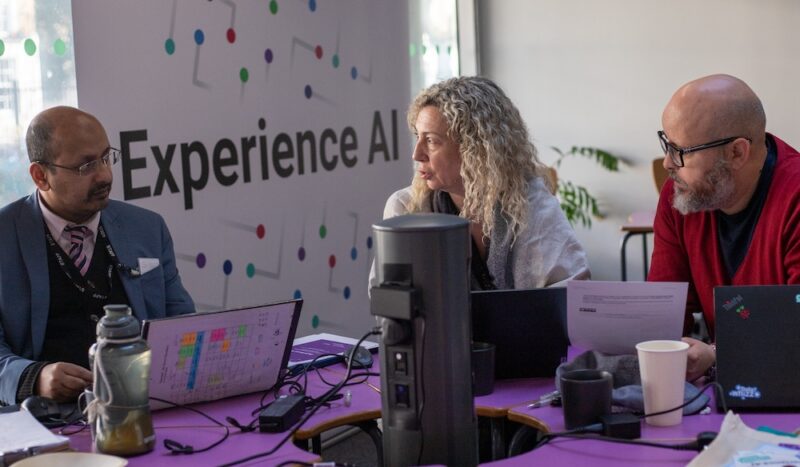
"It was very important that an Informatics subject expert worked together with a Croatian language expert, and that both of us are teachers," Kralj stated. She noted that as educators, they felt a responsibility to preserve the Croatian language within the sciences. The collaboration between a subject expert, a linguist, and the Foundation’s localization team resulted in a suite of resources that feel natural and are ready for immediate classroom implementation. Early feedback from the first Experience AI courses in Croatia indicates that teachers significantly value this level of localization, as it reduces the cognitive load on students and allows them to focus entirely on the logic of AI.
A Timeline of Global Expansion and Impact
The Experience AI program has seen rapid growth since its inception, reflecting the global urgency for AI literacy.
- Initial Launch: The program was launched as a collaborative effort between the Raspberry Pi Foundation and Google DeepMind to address the lack of structured AI curriculum for young people (ages 11–14).
- Expansion Phase (2023-2024): The program expanded from its initial English-language pilot to include major European and Asian languages. During this period, the Foundation began identifying key regional partners to lead localization efforts.
- The Croatian Milestone (2025): The successful rollout of the Croatian localized version marks a new chapter in the program’s commitment to "small languages," serving as a blueprint for future localizations in regions with similar linguistic profiles.
- Current Status: Experience AI now reaches millions of young people across six continents. The resources include lesson plans, videos, and interactive activities that cover everything from how data is used to train models to the ethical implications of AI-driven decision-making.
Data-Driven Analysis: Why Native-Language Education Matters
Research in educational psychology consistently shows that students grasp complex conceptual frameworks more effectively when taught in their first language. According to UNESCO, mother-tongue-based multilingual education is a key factor in improving learning outcomes and classroom participation. In the context of STEM (Science, Technology, Engineering, and Mathematics), this is particularly vital.
Data from global educational assessments suggest that students in non-English speaking countries often lag in technical subjects not due to a lack of aptitude, but due to the "language barrier of entry." By providing AI resources in Croatian, the Experience AI program is effectively leveling the playing field. It allows Croatian students to compete with their peers in Silicon Valley or London by ensuring they have the same foundational understanding of the technologies that will define their future careers.
Furthermore, the impact of localized education extends beyond the students. It empowers teachers—many of whom may not be fluent in English—to lead high-tech lessons with confidence. This "train-the-trainer" model is essential for the sustainability of AI literacy. When the curriculum is localized, the entire educational ecosystem of a country is strengthened.
Broader Implications for Global AI Governance and Ethics
The localization of AI education also has profound implications for the ethical development of the technology. AI models are often criticized for harboring Western or English-centric biases, largely because the data used to train them and the people who build them are concentrated in English-speaking regions.
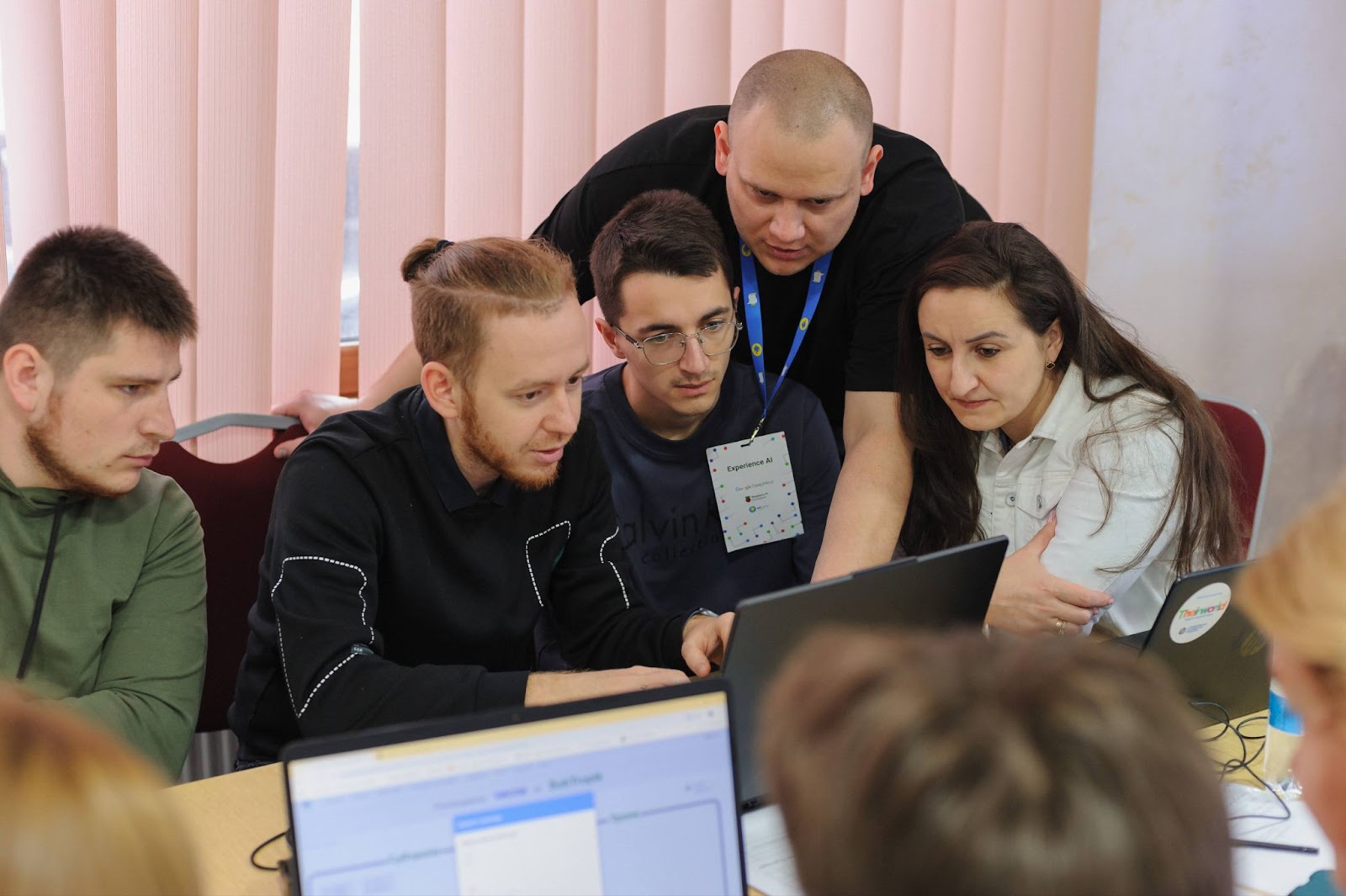
By educating young people in diverse linguistic communities about how AI works, the Experience AI program is fostering a more diverse global community of "critical consumers" and future developers. When a student in Croatia understands how a training dataset can be biased, they are better equipped to advocate for AI systems that respect their own culture and language. This is a crucial step toward "algorithmic sovereignty," where nations have the literacy and expertise to manage how AI affects their citizens.
The work being done in Croatia is a microcosm of a larger global movement. As the Raspberry Pi Foundation and Google DeepMind continue to add more languages to the Experience AI roster, they are building a global network of informed citizens. The transition of Croatian from a "small language" to simply "a language" in the eyes of tech developers is a victory for educational equity.
Conclusion and Future Outlook
The Experience AI program’s commitment to localization demonstrates that the future of technology must be inclusive to be truly revolutionary. Through the dedicated efforts of the Raspberry Pi Foundation, Google DeepMind, and local partners like Suradnici u učenju, the complexities of artificial intelligence are being translated into a language of opportunity for millions of young people.
As the program continues to evolve, the focus will likely shift toward even more specialized localization, including regional dialects and adapting content for different socio-economic contexts within countries. The success in Croatia serves as a powerful reminder that while technology may be global, education is most effective when it is local. By ensuring that no language is too small for the world of AI, the Experience AI initiative is ensuring that the digital future belongs to everyone, regardless of the language they speak at home.