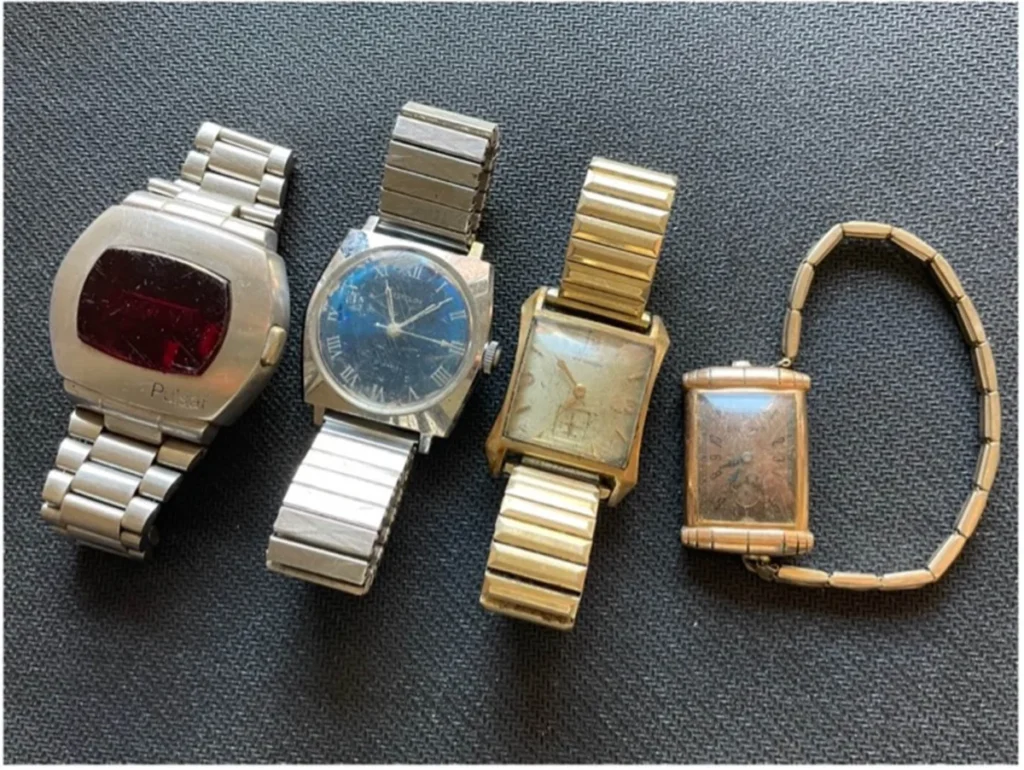
The thrill of unearthing a timepiece at a local Goodwill or community rummage sale evokes a unique sense of exhilaration for watch collectors, a feeling that often proves elusive through conventional acquisition methods. This sentiment is deeply rooted in the pursuit of discovery, a sentiment that can trace its origins back to the author’s own nascent collecting journey. At the tender age of twelve, two Timex watches, discovered nestled amongst a jumble of silverware, buttons, and thimbles at a local flea market, ignited a passion that continues to this day. The precise appeal of these particular timepieces remains a subject of nostalgic contemplation, yet the profound sense of having unearthed a hidden gem, a diamond in the rough, is a potent stimulus that fuels the ongoing hunt for such exceptional finds. This article delves into the multifaceted reasons behind the immense satisfaction derived from acquiring watches through second-hand channels, exploring the psychological, economic, and historical dimensions of this rewarding endeavor.
The Psychology of the Thrift Find
The appeal of a good deal is a universal human trait, readily observable in everyday consumer behavior. The impulse to purchase a discounted hot dog and drink combo at a warehouse club, even when quantities far exceed immediate needs, illustrates this innate inclination. This rationale naturally extends to personal hobbies, particularly for individuals with extensive collections, such as the author’s accumulation of over a hundred watches. The acquisition of watches from thrift stores and local sales, often exceeding immediate necessity, is frequently driven by the sheer irresistibility of an unbeatable price. This is further compounded by the ever-present, almost devilish, rationalization: “I could always sell it later and make a profit.” While this prospect offers a comforting justification for an impulsive purchase, the reality often sees these acquired pieces joining the ranks of other unworn watches, residing in dusty drawers rather than being listed for resale.
Beyond the allure of economic advantage, there exists a palpable sense of being a “pseudo-savior” when acquiring pre-owned timepieces. The act of rescuing a watch, such as a Casio, from a pile of miscellaneous items – crocheted placemats, an outdated board game, vintage exercise tapes, and worn children’s toys – imbues the collector with a sense of purpose. This perceived rescue mission, while often unconscious, contributes to the emotional reward of the purchase. However, in rare instances, a collector might encounter a piece that could potentially serve as the genesis of another individual’s collecting journey. In such ethically nuanced situations, a collector might deliberately refrain from purchasing the watch, fostering the hope that it will spark the interest of a budding enthusiast. Nevertheless, the potent combination of an exceptional deal and the potential for adding a unique piece to one’s own collection often overrides such considerations.
A Chronology of Notable Thrift Store and Local Sale Acquisitions
The author’s personal collection serves as a testament to the enduring appeal of second-hand watch hunting. These acquisitions, spanning various eras and brands, highlight the diverse opportunities that await the keen-eyed collector.
The Genesis: 1970s Timex SSQ LCD
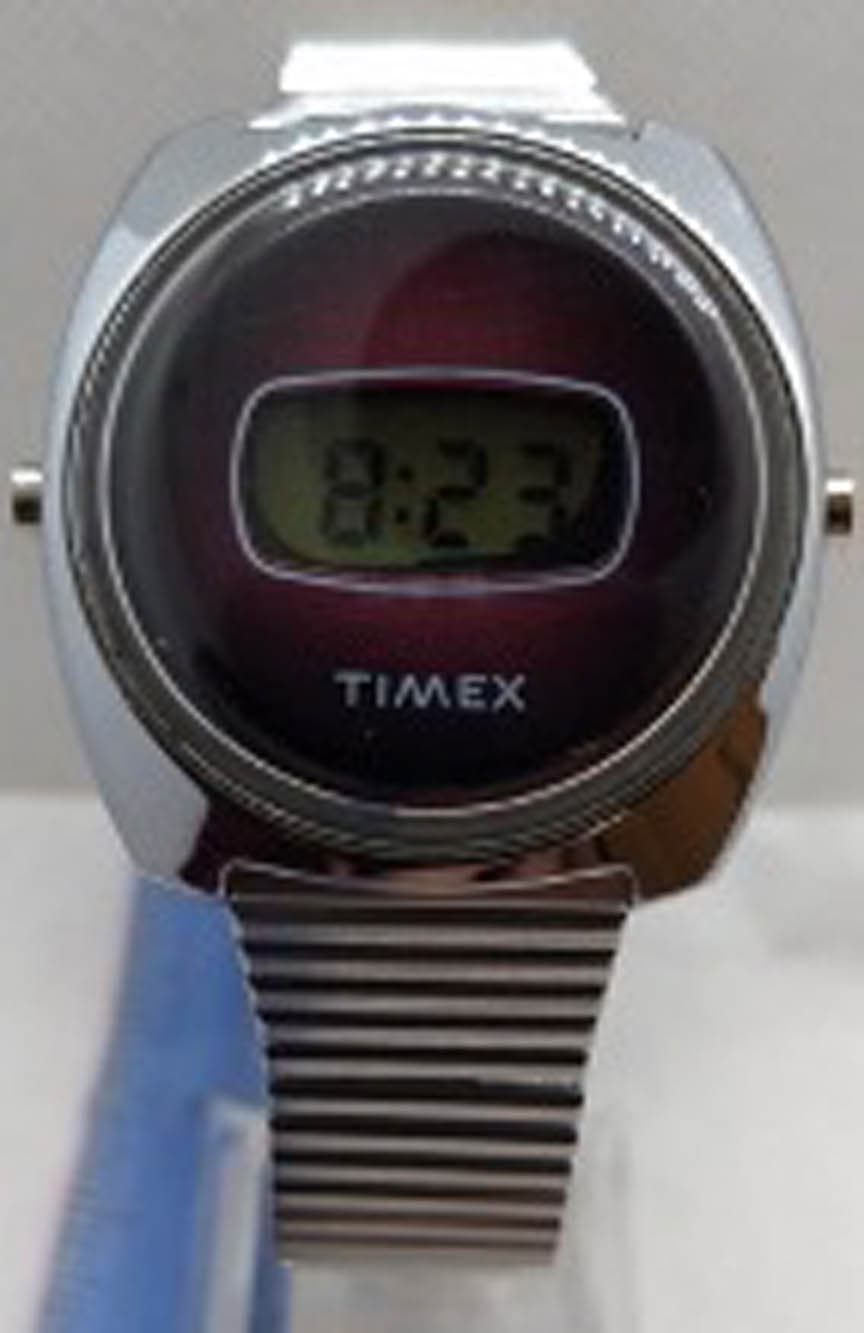
The author’s watch collecting journey commenced with the acquisition of two Timex SSQ LCD watches at a local flea market. While the specific watch pictured is not the author’s original piece, it represents the identical model and variant, featuring a distinctive burgundy burst dial. The initial purchase price for each watch was a mere $2.50. These watches, found amongst a collection of everyday items, were the catalyst for a burgeoning interest. Upon bringing them home, the author researched battery replacement procedures. A subsequent purchase of an inexpensive watch repair kit enabled the successful replacement of the button cell batteries, bringing the watches back to life. This foundational experience underscores the transformative power of a small investment and the satisfaction of breathing new life into discarded objects. The impact of these initial finds cannot be overstated, as they laid the groundwork for a lifelong passion.
A Technological Marvel: 1998 Seiko Kinetic 5M43-0819
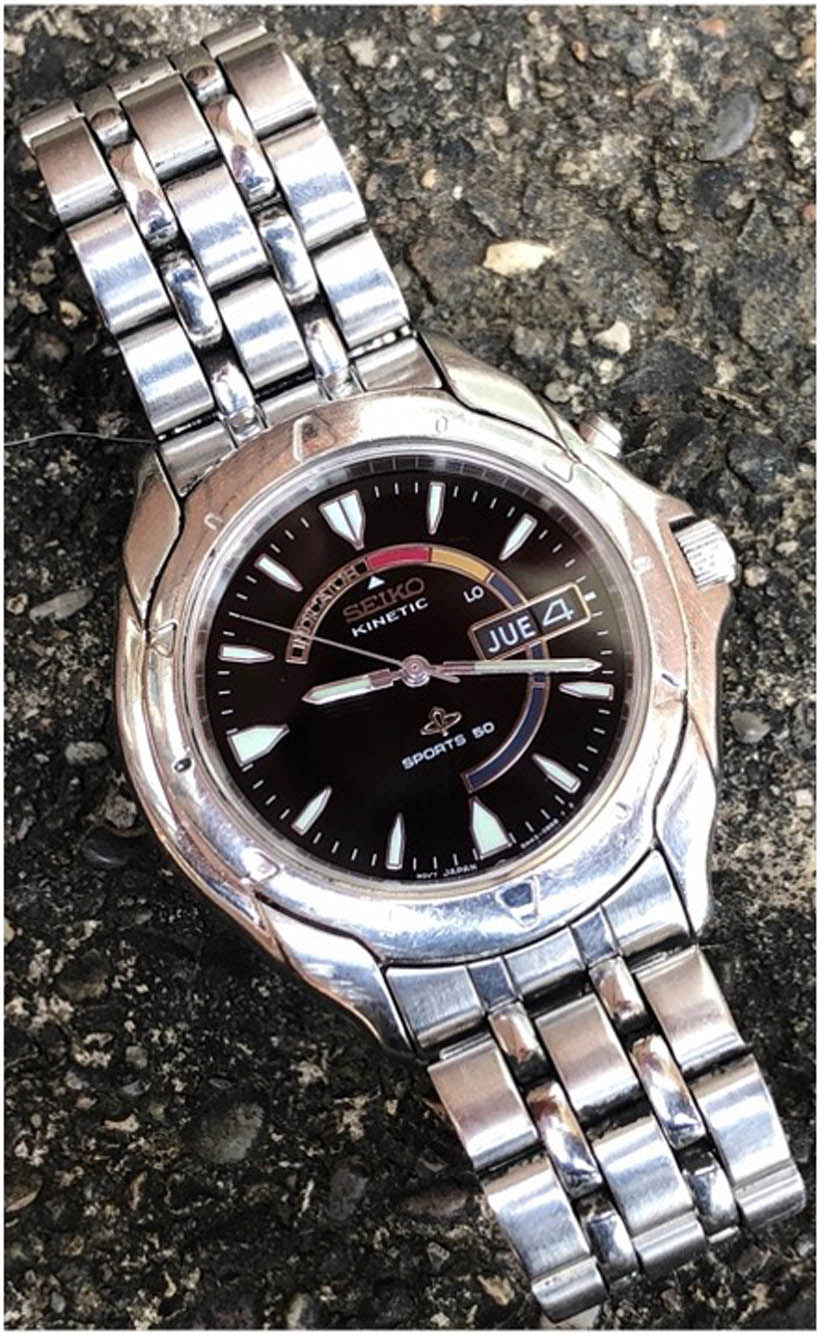
Approximately eight years after the initial Timex discovery, the author encountered a 1998 Seiko Kinetic 5M43-0819 at the very same flea market where the collecting journey began. The purchase price was $10.00. The elderly couple selling the watch explained that its low price was due to the perceived need for a battery change, a common misconception regarding Seiko’s Kinetic technology. Kinetic watches are powered by the wearer’s movement, which drives a rotor that charges a capacitor, thereby powering the watch. Over time, this capacitor can degrade and require replacement, akin to a watch battery. The author retained this watch for several years, intending to replace the capacitor and restore its functionality. However, during a collection thinning process initiated in response to the COVID-19 pandemic, this piece was regrettably sold. The auction concluded at $56.99, representing a profitable transaction. Despite the financial gain, the author expresses a lingering regret for not undertaking the capacitor replacement, a project that would have honored the potential of the watch and the success stories often associated with this flea market. The hope remains that its current owner has managed to revive it.
A Treasure Trove of Vintage Timepieces: 1973 Pulsar P2 2900, 1970s Westclox, 1950s Benrus, and 1940s Bulova
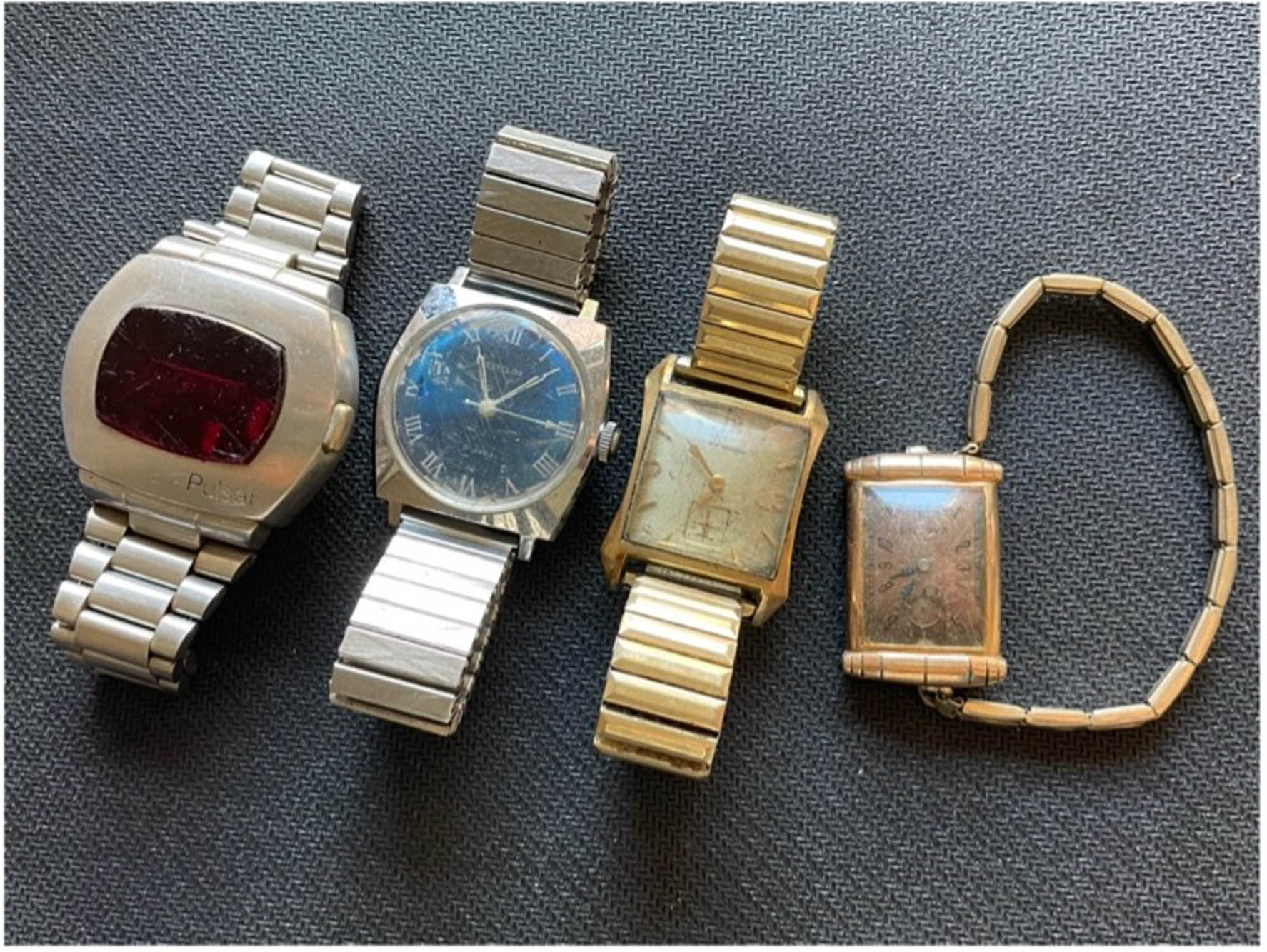
An event known as the Neighborhood Flea, held periodically in the South Side of Pittsburgh, proved to be a significant discovery. This vibrant market features a diverse array of vendors offering vintage goods, unique artwork, and handmade jewelry. While jewelry often dominated the offerings, watches were less prevalent. During a visit, the author stumbled upon a table laden with an assortment of timepieces. Among them were several notable mechanical watches, including a 1973 Pulsar P2 2900, a 1970s Westclox, a 1950s Benrus, and a 1940s Bulova. The entire lot was acquired for a remarkably low price of $50. The Pulsar, in particular, immediately caught the author’s eye due to its rarity. Adding to the delight of this acquisition, the Pulsar was found to still possess its original magnet, a rare and cherished accompaniment tucked away within the bracelet clasp. While these watches are not currently in working condition, the intention to restore them to their former glory remains a long-term aspiration. The Neighborhood Flea, with its eclectic mix of offerings, exemplifies the potential for uncovering significant horological finds in unexpected locales.
A Modern Classic: Luminox Space SXC GMT 5027
A regular patron of a local Goodwill, the author often frequents the store for vintage home decor and clothing. While numerous Casio and Timex watches have been acquired from this location in the past, none approached the caliber of a Luminox Space SXC GMT 5027. This particular find occurred when the watch was spotted in the display case. The author anticipated a price point exceeding $30, which would still represent a substantial bargain compared to its original Manufacturer’s Suggested Retail Price (MSRP) of over $300. Upon requesting to examine the watch more closely, a sticker on the case back revealed a price of $7.99, with no discounts applicable. This unexpected low price represented a significant undervaluation, unbeknownst to the store personnel. A battery replacement, a thorough cleaning of the case and band, and a crystal polishing treatment were sufficient to restore this modern classic to full operational status, all achieved at a fraction of its new cost.
The Broader Implications of Thrift Store Watch Collecting
The practice of acquiring watches from thrift stores and local sales extends beyond personal gratification; it contributes to a broader cultural and economic ecosystem.
Preservation of Horological Heritage: By rescuing vintage timepieces from potential obsolescence or disposal, collectors play a vital role in preserving horological history. Each watch represents a piece of design, engineering, and cultural context from a bygone era.
Economic Accessibility: Thrift store finds democratize watch collecting. They offer individuals with limited budgets the opportunity to acquire interesting and historically significant timepieces that might otherwise be financially out of reach. This accessibility fosters a more inclusive and diverse collecting community.
Sustainable Consumption: The act of purchasing pre-owned items aligns with principles of sustainability. By extending the lifespan of existing products, collectors contribute to reducing waste and minimizing the environmental impact associated with manufacturing new goods.
The "Thrifty State of Mind" and its Economic Impact: The "thrifty state of mind"—a combination of seeking value, enjoying the thrill of the hunt, and a degree of acquisitive impulse—drives a significant segment of the second-hand market. This mindset fuels not only individual collections but also contributes to the revenue streams of charitable organizations that operate thrift stores and the livelihoods of vendors at flea markets and community sales. The economic implications are multifaceted, supporting non-profits, providing income for small businesses and individual sellers, and recirculating goods within the economy.
The Role of Digital Platforms: While this article focuses on physical thrift and local sales, it is important to acknowledge the parallel rise of online platforms for second-hand goods. These platforms have expanded the reach of the thrift market, connecting buyers and sellers globally. However, the tactile experience and serendipitous discovery often associated with in-person finds remain a distinct and cherished aspect of the collecting experience. The author’s exclusion of antique stores from this discussion, noting the complex interplay of price, value, and availability, suggests a recognition of different market dynamics and a focus on the more accessible and discovery-driven nature of general thrift and community sales.
In conclusion, the allure of finding a watch at a local thrift store or community sale is a potent blend of economic prudence, the thrill of discovery, and a sense of historical preservation. These acquisitions offer more than just timekeeping devices; they represent tangible connections to the past, opportunities for learning, and the enduring satisfaction of unearthing a hidden treasure. The stories behind these watches, from humble beginnings to potential restorations, underscore the rich and often unexpected narratives that can be found within the seemingly ordinary realm of second-hand goods.