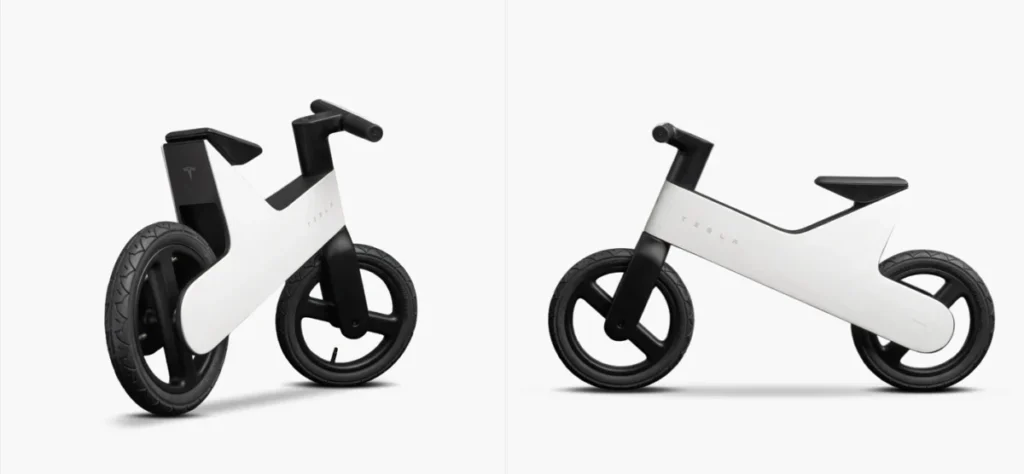
Tesla, a company synonymous with electric vehicle innovation and ambitious future-forward products, has recently unveiled a new addition to its merchandise line: a "Balance Bike for Kids." Priced at $225 and designed for children aged two to five, this offering has generated a mixed reaction among the brand’s dedicated fanbase. While the company has long been the subject of speculation and demand for a full-fledged electric bicycle, the release of a pedal-less, motor-less balance bike for toddlers has left many enthusiasts feeling that their long-held aspirations for a "Tesla Model B" have been met with a surprisingly rudimentary product.
The desire for a Tesla-branded electric bicycle has been a persistent undercurrent within the Tesla community for years. Surveys and fan-generated renderings have frequently surfaced, consistently naming Tesla as the electric bike brand consumers most wish to see enter the market. Whispers of a potential "Tesla Model B" have circulated for nearly as long as the company has been producing its iconic electric cars. Elon Musk, Tesla’s CEO, has offered a somewhat ambivalent stance on the prospect, at times appearing to dismiss the idea while at other times seemingly encouraging it. This ambiguity has fueled ongoing anticipation, making the recent launch of the toddler balance bike all the more jarring for those who have been envisioning a more technologically advanced, adult-oriented two-wheeler.

A History of E-bike Anticipation
The narrative surrounding Tesla and e-bikes is not new. Since the early days of the electric vehicle revolution, Tesla’s innovative spirit has naturally led many to believe that expanding into the burgeoning electric bicycle market would be a logical next step. As far back as 2017, discussions and conceptual designs began to circulate online, driven by the enthusiasm of Tesla owners and prospective buyers. These early visions often depicted sleek, minimalist e-bikes that would embody Tesla’s signature design language and incorporate advanced features.
In subsequent years, the clamor for a Tesla e-bike continued to grow. A 2023 survey highlighted that a significant portion of consumers interested in electric bicycles would strongly consider purchasing one if Tesla were to enter the market. This sentiment was further amplified by the circulation of rumored product names and even speculative patents, all contributing to the persistent belief that a Tesla e-bike was on the horizon. Elon Musk’s own comments, though often cryptic, have occasionally fanned these flames. For instance, in response to fan suggestions over the years, he has sometimes acknowledged the idea, leading to further speculation about the company’s long-term product strategy.
However, the reality of the "Tesla bike" that has now materialized is a far cry from these high-tech imaginings. The "Balance Bike for Kids" is a simple, pedal-less design intended to help very young children develop their balance and coordination before transitioning to a traditional bicycle with pedals. This fundamental difference between the community’s expectations and the product delivered has naturally led to a sense of anticlimax.
The Unveiling of the Toddler Balance Bike
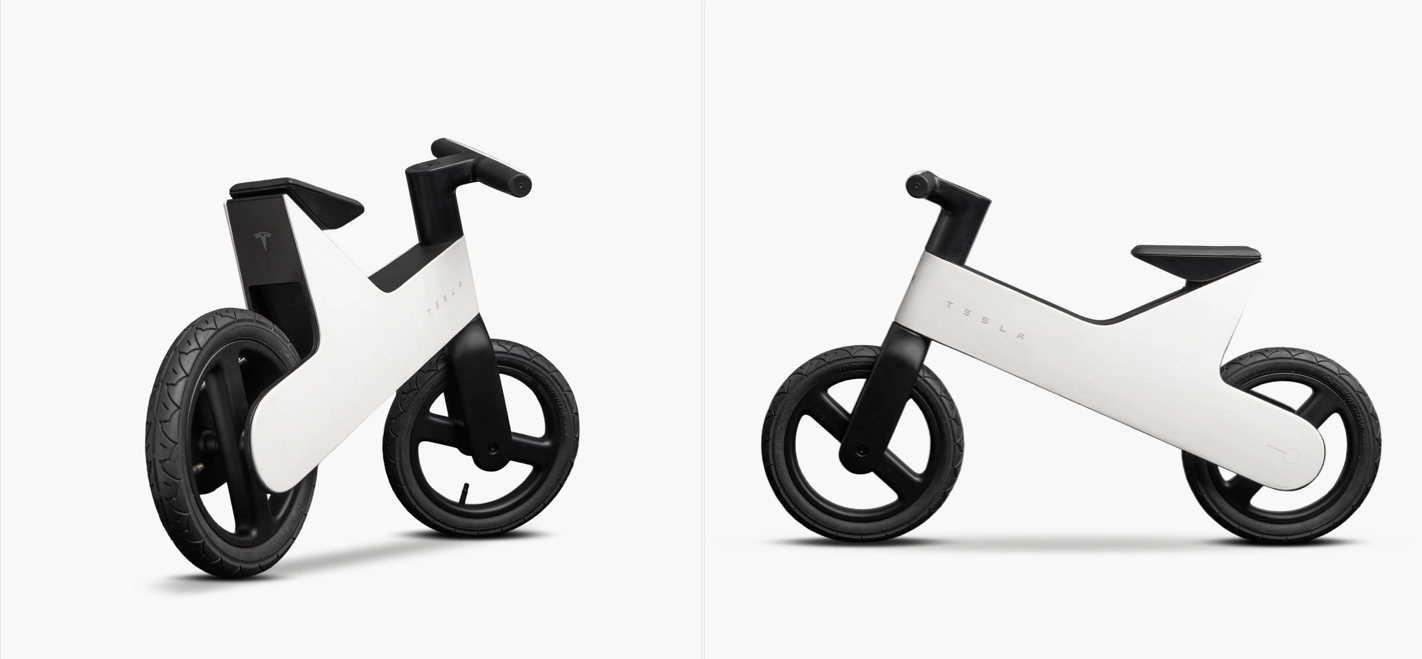
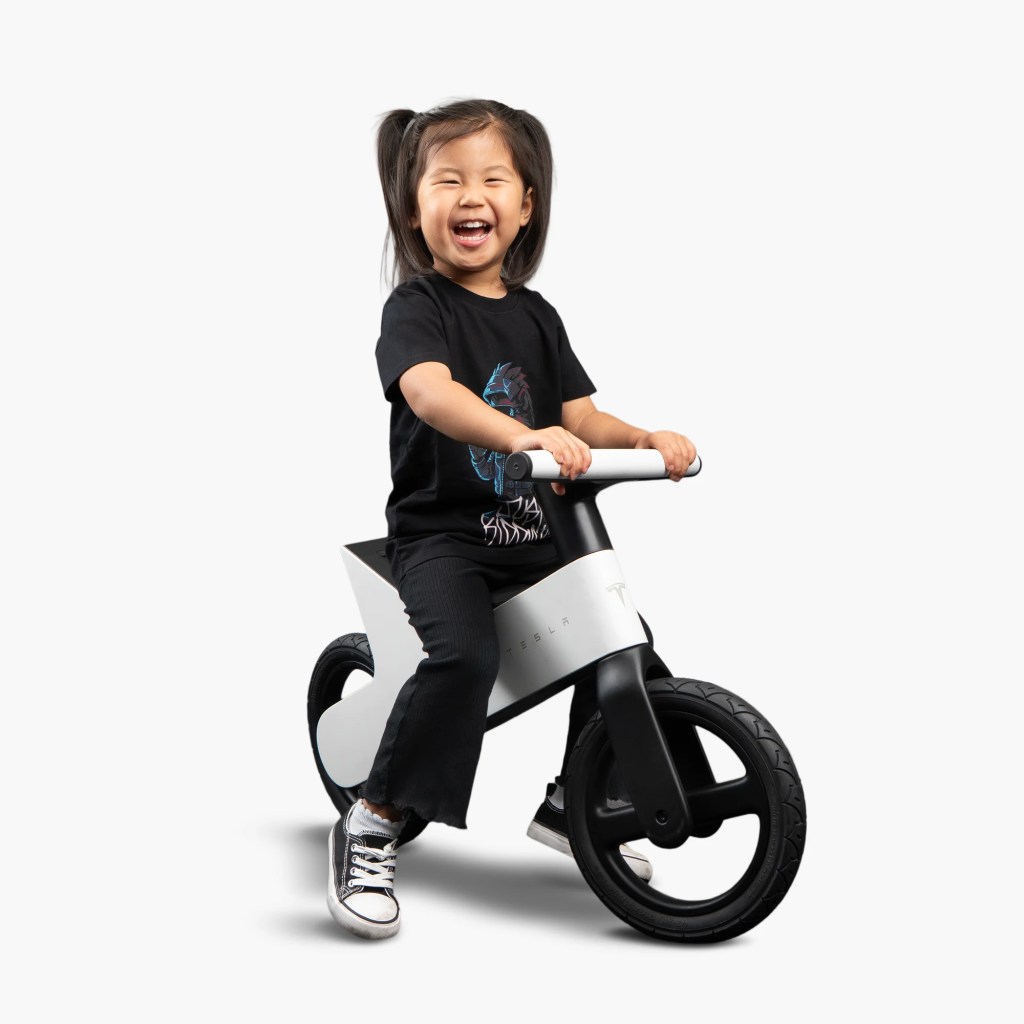
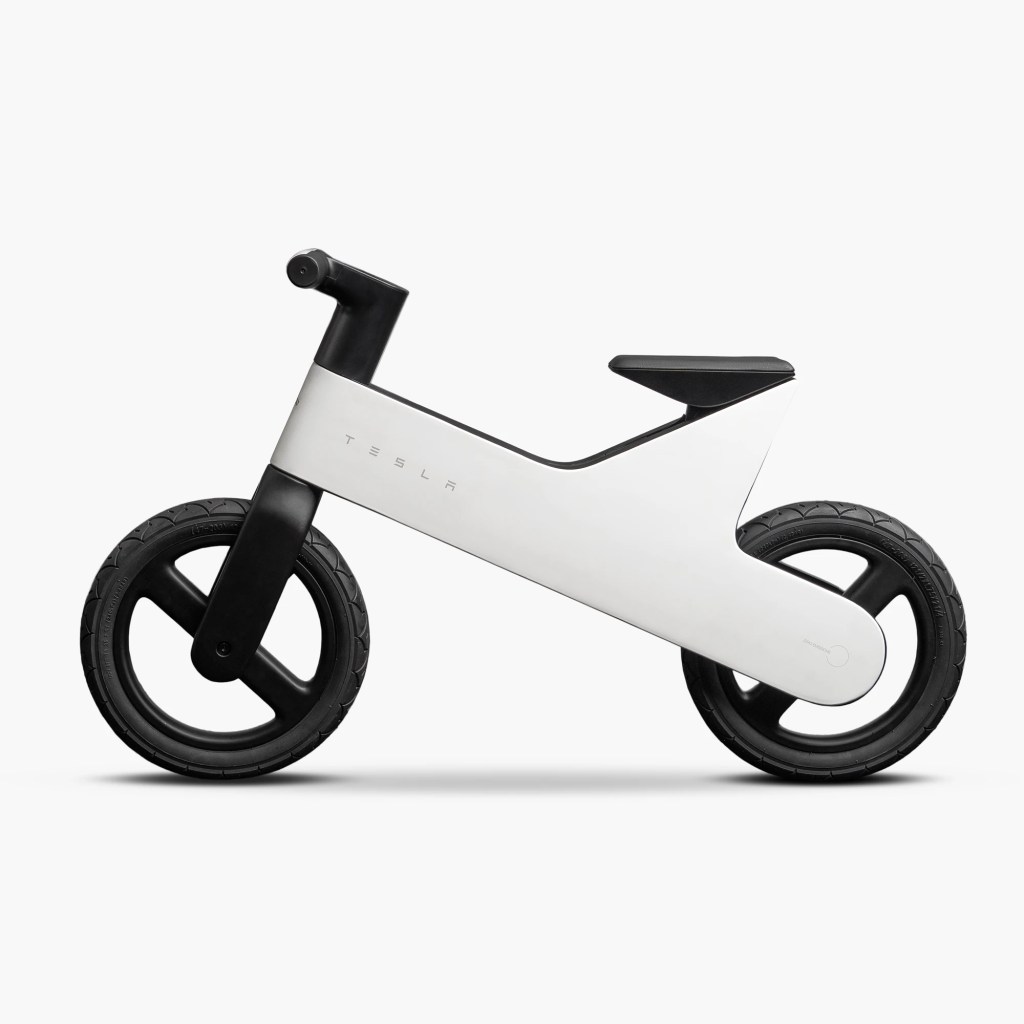
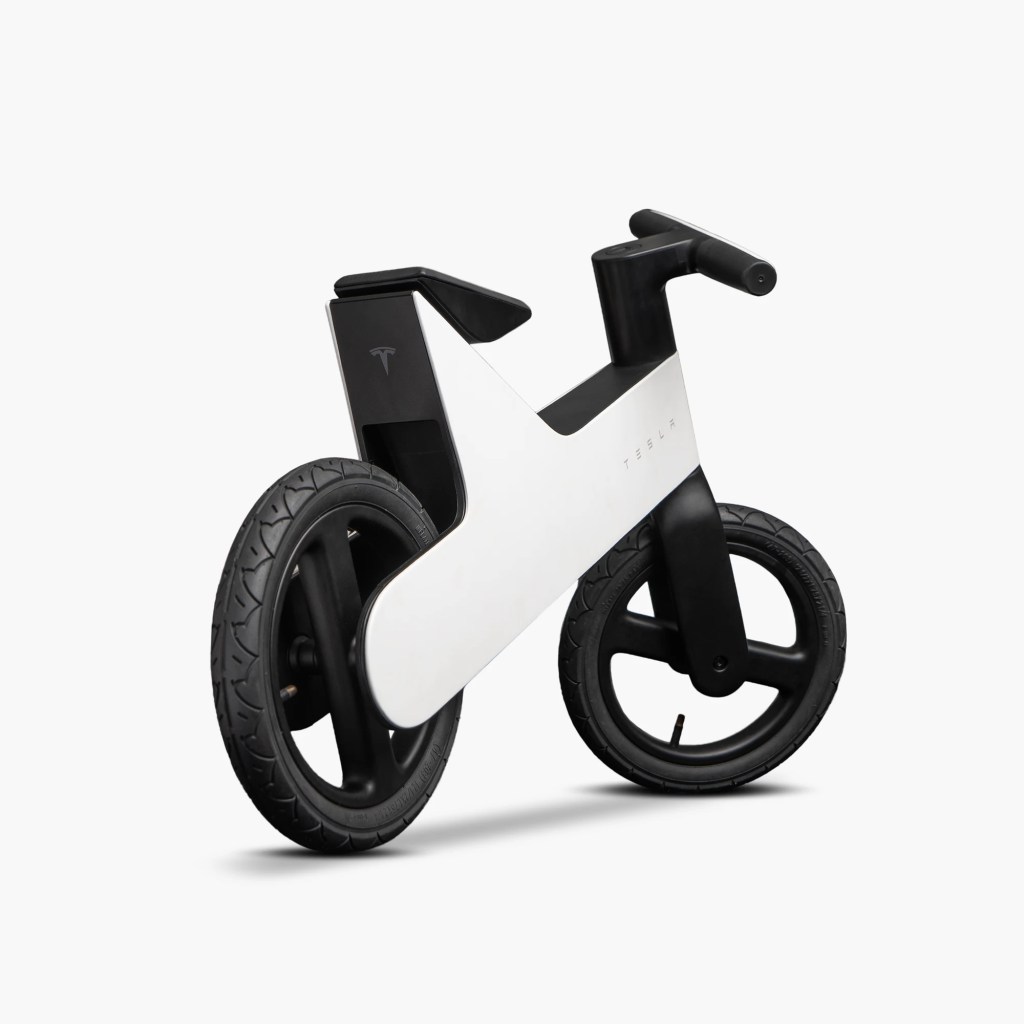
The newly released "Balance Bike for Kids" is now available for purchase on Tesla’s official online shop for $225. The target demographic for this product is children aged two to five years old, a clear indicator of its intended purpose. The bike features a lightweight magnesium frame, designed for durability and ease of handling for young riders. It boasts an adjustable seat that offers five different height settings, allowing for a degree of customization as a child grows. The distinctive Tesla branding is evident, with the wordmark prominently displayed on the side and the iconic "T" logo adorning the front.
Crucially, the bike is designed as a balance trainer. This means it entirely omits a drivetrain, a motor, and pedals. Instead, children are meant to propel themselves by pushing off the ground with their feet. This is the fundamental principle behind balance bikes, which are widely recognized as an effective tool for teaching young children the skills needed to eventually ride a two-wheeled bicycle without the aid of training wheels. Tesla specifies a minimum leg length requirement of 13.7 inches for riders and a maximum weight capacity of 77 pounds. The package includes the necessary tools for assembly, a common practice for children’s products.
The design, while functional for its intended purpose, does not incorporate any of the advanced technological features that one might associate with a Tesla product. There are no battery packs, no integrated charging systems, and no connectivity options – elements that have become hallmarks of Tesla’s automotive and energy products. This stark contrast with the company’s broader product portfolio underscores the disconnect between fan expectations and the actual merchandise released.
A Premium Price Tag for a Simple Design
The $225 price point for the Tesla Balance Bike places it at the higher end of the market for children’s balance bikes. While not entirely exorbitant when compared to some niche premium models, it significantly exceeds the cost of many perfectly functional balance bikes available from other manufacturers.
For context, well-regarded balance bikes from reputable brands typically range from $50 to $120. For instance, the Hornit AIRO, a balance bike constructed with a magnesium frame and often praised for its quality and lightweight design, retails for around $73. This places the Tesla balance bike at more than three times the price of such comparable options.
When examining the higher echelon of the balance bike market, Tesla’s pricing begins to appear more aligned, though still at the upper limit. The Woom 1, another popular balance bike known for its premium materials and child-friendly design, features a magnesium frame and is priced at approximately $249. Similarly, the Strider 14x Sport, a model that offers the option to convert into a pedal bike, is listed at $220.
Therefore, Tesla has positioned its branded toddler bike squarely within the territory of the most expensive and specialized balance bikes available. This pricing strategy, combined with the lack of any unique technological features, suggests that a significant portion of the cost is attributed to the Tesla brand name and logo. While brand loyalty is a powerful force, the substantial price premium for a basic children’s product is likely to be a point of contention for many consumers, even those who are ardent Tesla supporters.
Broader Implications and Industry Trends
The release of the Tesla Balance Bike, while perhaps a disappointment for e-bike enthusiasts, can also be viewed within the broader context of brand diversification and market strategy. Companies often leverage their brand recognition to enter adjacent markets, offering a range of products that appeal to their existing customer base. For Tesla, this could be an attempt to cultivate brand loyalty from an even younger age, introducing children to the Tesla ecosystem early on.
However, the move also highlights a notable trend in the automotive industry. As electric mobility gains traction, several established automakers have ventured into the electric bicycle market, often with more sophisticated offerings. BMW, for example, has unveiled high-speed electric bicycles with impressive range capabilities and has also explored the electric motorcycle segment. Similarly, Rivian, another prominent electric vehicle manufacturer, has spun off an e-bike company named "Also," which has introduced a range of e-bikes with distinctive designs and advanced features, some priced in the $3,500 range.
These competitive entries suggest that the electric bicycle market is becoming increasingly sophisticated, with a focus on performance, technology, and innovative features. In this landscape, a simple toddler balance bike, while a legitimate product, may not be what the market, or Tesla’s own fanbase, envisioned as the company’s contribution to the two-wheeled electric future.
The implications of this product launch for Tesla’s potential e-bike aspirations remain to be seen. It could be interpreted as a strategic move to test the waters of the cycling market with a lower-risk, entry-level product. Alternatively, it might simply be a merchandise expansion aimed at capitalizing on brand appeal. Without further announcements or a clear roadmap, the anticipation for a true Tesla electric bicycle continues to simmer, leaving fans to wonder if and when the company will finally deliver on the high-performance, technologically advanced e-bike that so many have been waiting for. The current offering, while undeniably a "Tesla bike," is not the one that has been fueling imaginations for years. It represents a different facet of the brand, one focused on accessibility and early brand introduction rather than cutting-edge electric mobility for adults.