The humble watch caseback, often overlooked by the casual observer, is a testament to centuries of horological innovation and engineering. Far from being a mere protective cover, the caseback has evolved into a crucial component that dictates water resistance, showcases intricate movements, and even forms an integral part of the watch’s structural integrity. This exploration delves into the complex world of watch casebacks, tracing their historical development and the diverse array of designs that shape the modern timepiece.
From Hinged Lids to Sealed Enclosures: A Historical Journey
The genesis of the watch caseback can be traced back to the early 16th century with the advent of the Nuremberg Eggs, early portable clocks that served as precursors to pocket watches. These initial designs featured hinged lids, primarily fashioned from brass, that provided access for winding and setting the movement, as well as for servicing the intricate gear trains and escapements. While offering a basic level of closure, these early casebacks provided negligible protection against water or dust.
As timepieces evolved, so did their protective mechanisms. The 18th century saw the introduction of hinged backs and the "pair case" system, where an inner case was nested within an outer, often hinged, shell for enhanced protection. This era necessitated frequent access to the movement for winding and setting, as keyless winding mechanisms were not yet commercialized. It wasn’t until the mid-to-late 19th century, with the advent of stem winding, that more permanent and sealed caseback designs began to gain traction.
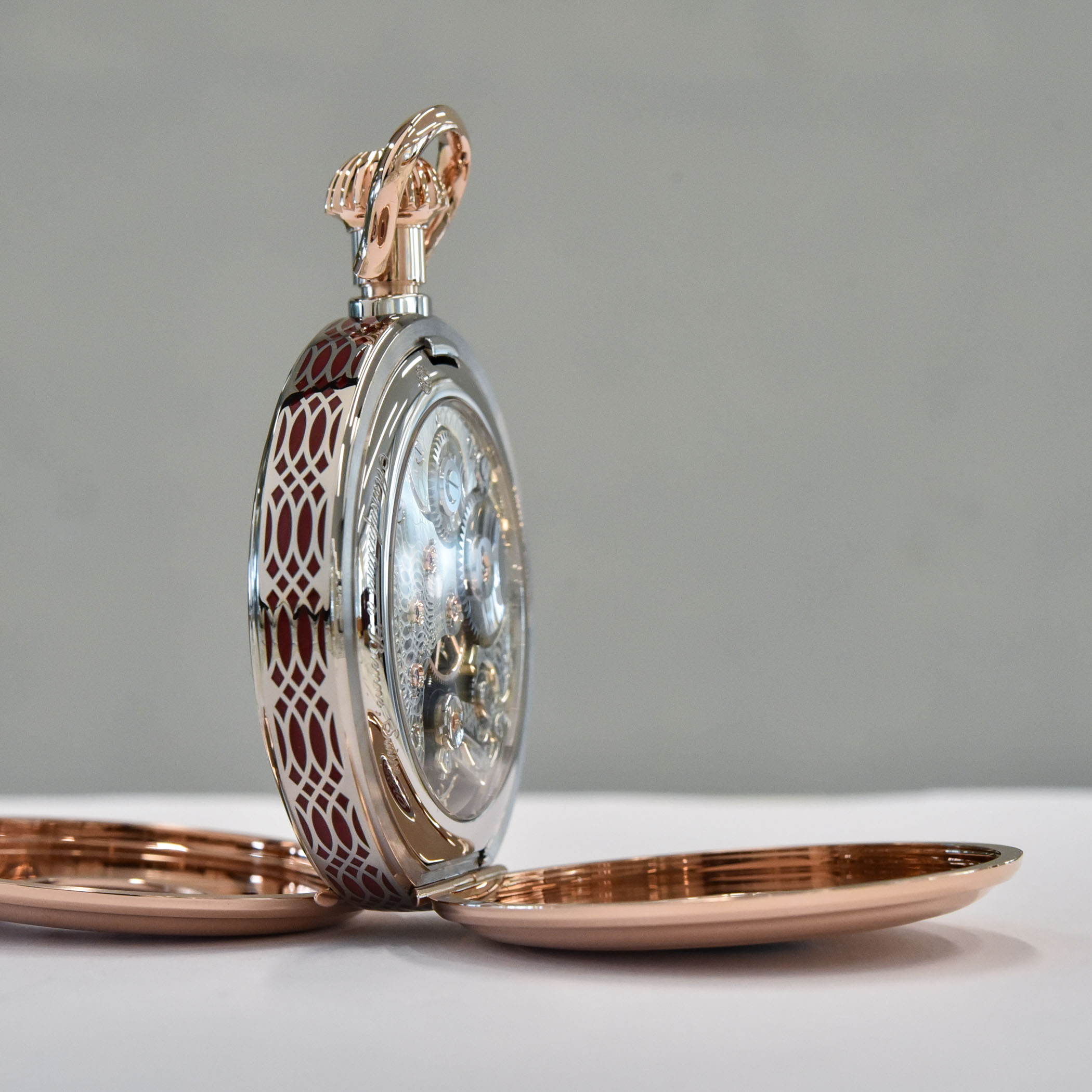
The early 19th century also witnessed the rise of "hunter" pocket watches, designed to withstand the rigors of activities like fox hunting. These timepieces featured spring-loaded metal covers over the crystal, a concept echoed in later designs like the Jaeger-LeCoultre Reverso, which rotated within its case for protection. Some elaborate hunter watches incorporated double hinged covers, and a few even featured a secondary "cuvette" – a metal cover beneath the main back – for added protection or as an early, albeit rare, form of exhibition caseback.
The Rise of Secure Closures: Snap-On and Threaded Casebacks
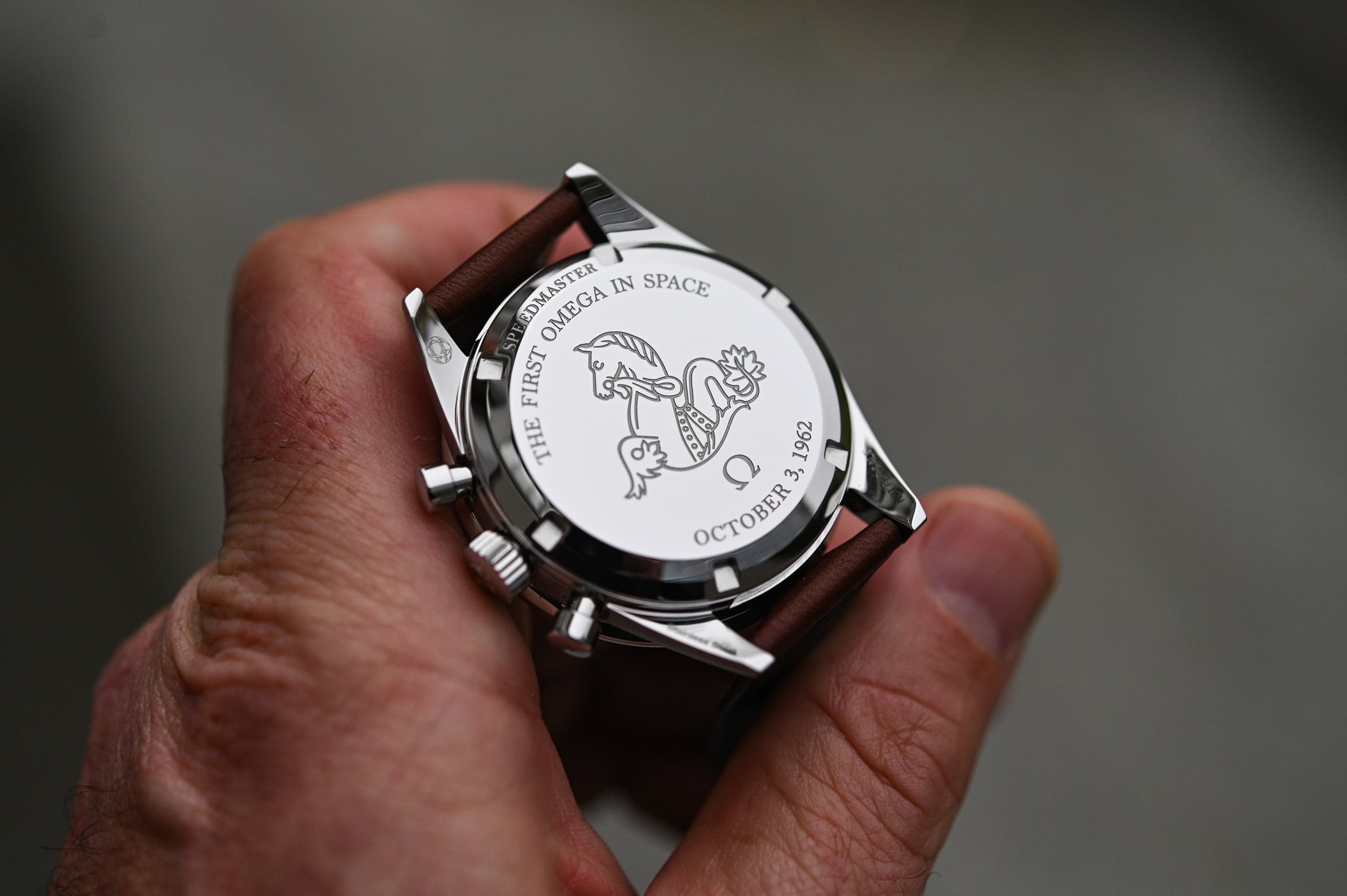
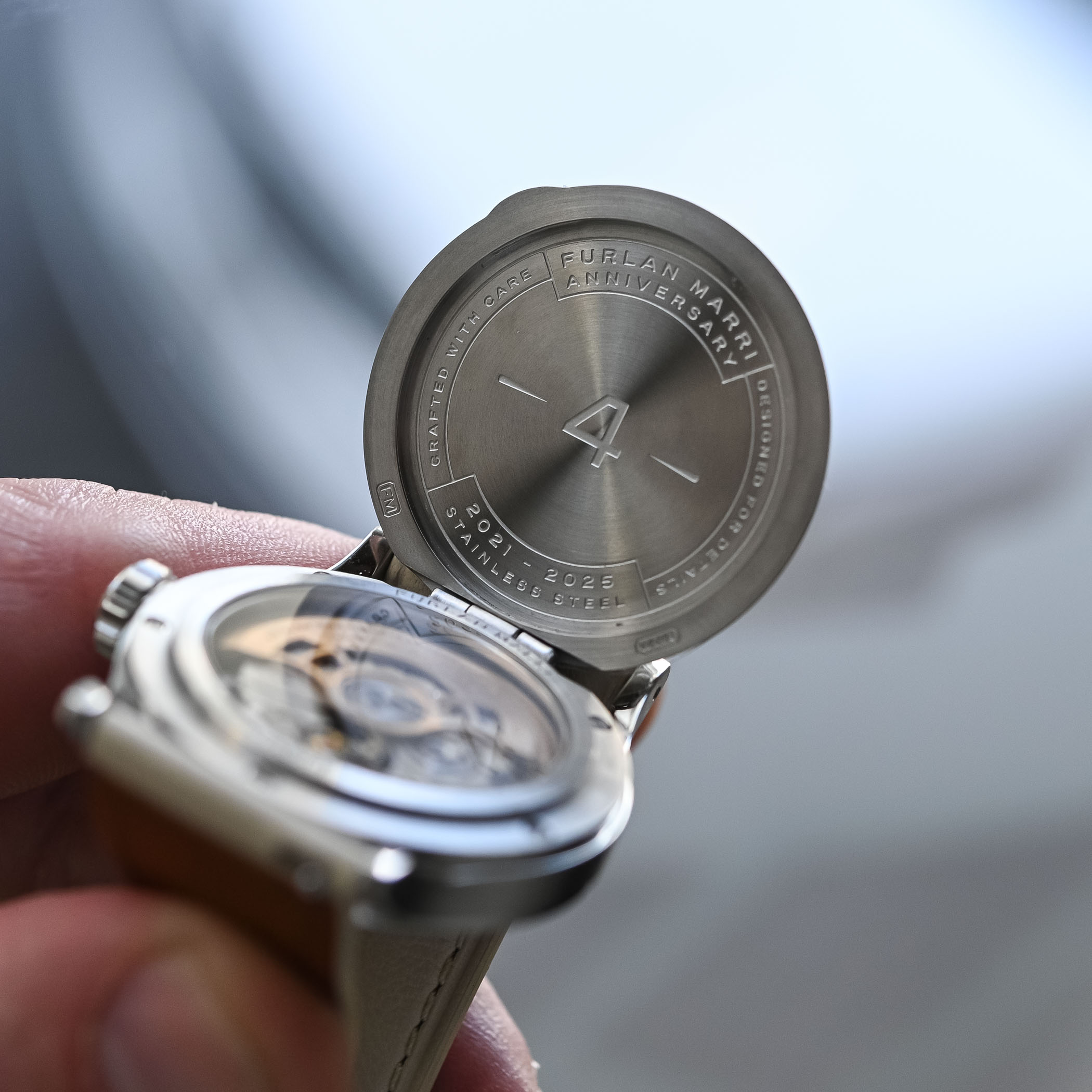
The transition from easily opened hinged backs to more secure closures marked a significant leap in watchmaking. Snap-on casebacks, pressure-fitted into place, offered improved protection against dust and a slimmer case profile. While not as user-friendly as hinged backs for frequent access, they provided a more robust seal. These became a standard for early wristwatches, offering a respectable 30 to 50-meter water resistance rating, sufficient for everyday rain and splash protection.
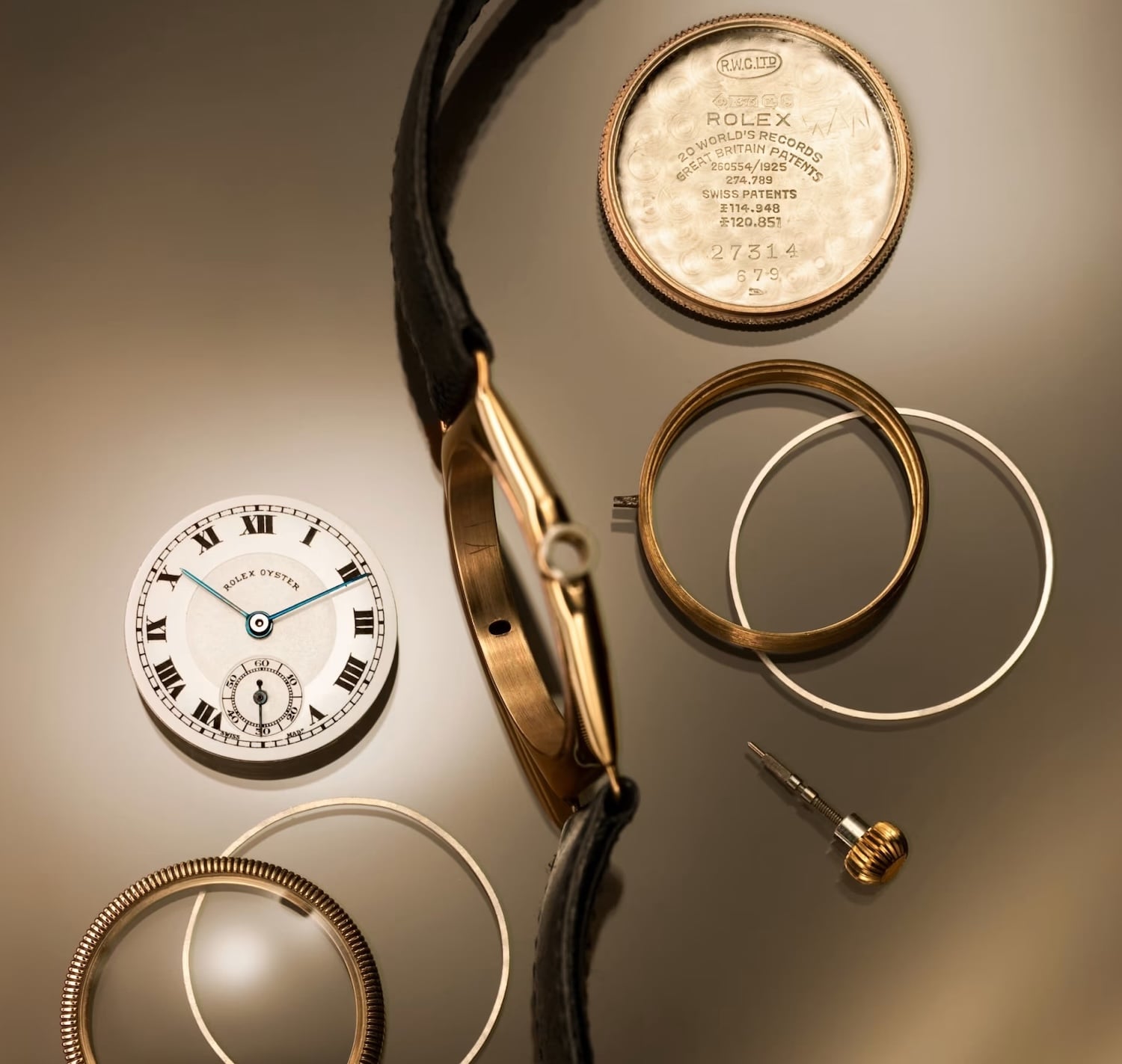
A more substantial advancement came with threaded casebacks, which screwed directly into the watch case. Pioneered in the 19th century by watchmakers like Aaron L. Dennison, these designs offered superior water and dust resistance. The development of the screw-down crown, patented by Swiss watchmakers Paul Perregaux and Georges Perret in 1926 and subsequently refined by Rolex, was instrumental in creating truly waterproof watch cases. Rolex founder Hans Wilsdorf recognized the potential and quickly acquired the rights, leading to the iconic Rolex Oyster case, introduced in 1926. This hermetically sealed design, featuring a screw-down caseback, bezel, and crown, revolutionized water resistance and paved the way for the modern dive watch. The legendary feat of English swimmer Mercedes Gleitze crossing the English Channel in 1927 with a Rolex Oyster on her wrist served as a powerful testament to the efficacy of this design.
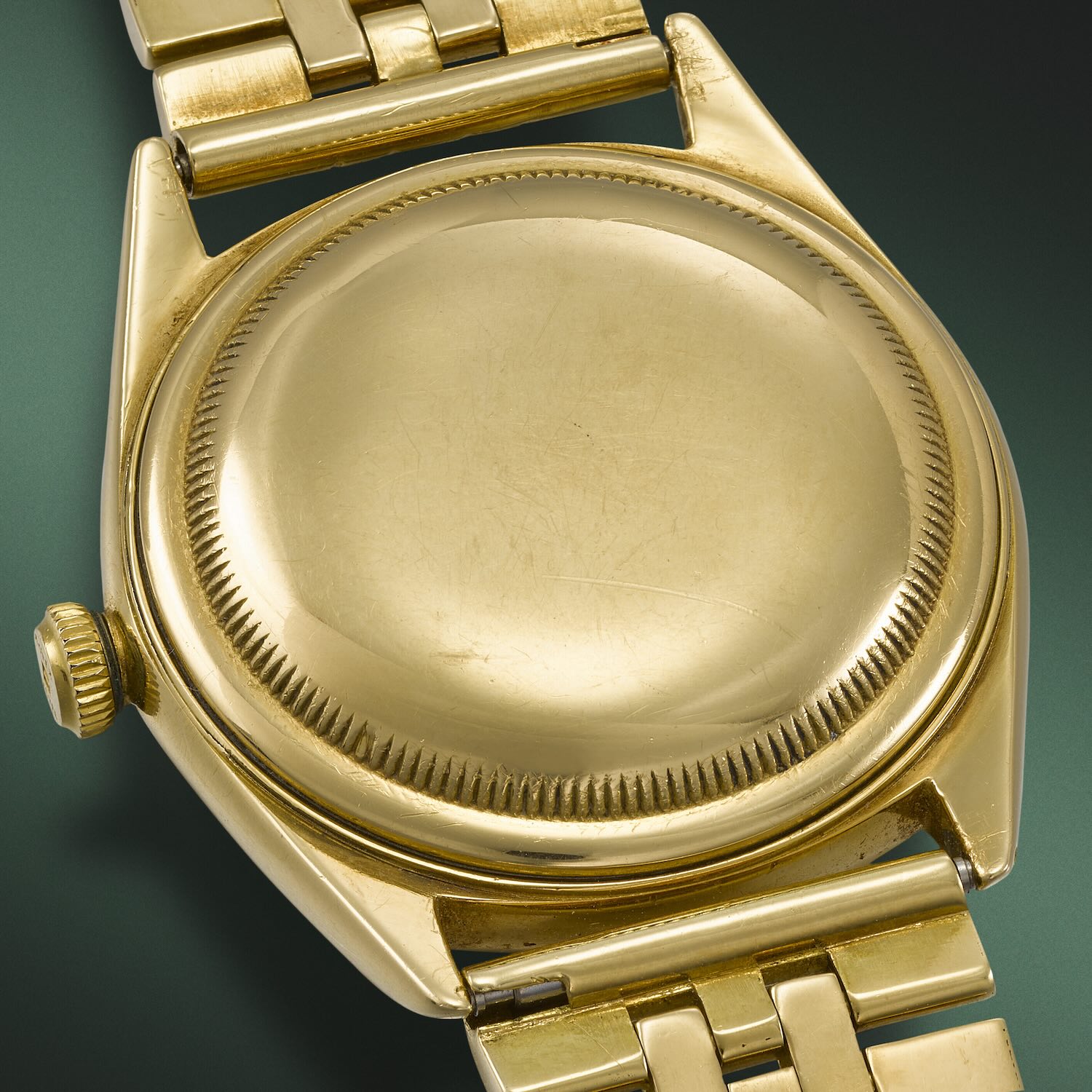
Other notable brands also embraced Borgel’s threaded case designs. Longines utilized them during World War I, and Patek Philippe featured them in iconic models like the Calatrava (ref. 565) in 1938. Rolex further innovated with the Oyster Perpetual in 1931, integrating the Oyster case with an automatic movement. This necessitated a slightly more pronounced caseback, giving rise to the "Bubbleback" design in 1933, which featured a domed profile to accommodate the winding rotor.
Beyond Threads: Clamshell, Compressor, and Monobloc Designs
While threaded casebacks became the gold standard for water resistance, alternative solutions emerged to address specific needs. The "clamshell" or "clamped" caseback, secured by four screws threading into the lugs, gained popularity in the 1930s. This design, pioneered by Otto and Werner Schmitz and adopted by brands like Gallet, Heuer, Eterna, and Breitling, allowed for a tight seal against a rubber O-ring and was particularly favored for chronographs.
In the mid-1950s, Ervin Piquerez S.A. (EPSA) introduced the groundbreaking "Super Compressor" case. This innovative design featured a spring-loaded caseback that dynamically adjusted to increasing water pressure. As a diver descended, the caseback would move inward, compressing tighter against the O-ring seal and enhancing water resistance up to 200 meters. This ingenious mechanism, often accompanied by twin crowns for internal rotating bezels, was supplied to over 100 brands, including Longines, IWC, and Jaeger-LeCoultre. Although Super Compressor cases eventually waned in popularity due to advancements in conventional sealed designs and O-ring longevity, their legacy is remembered in modern interpretations by brands like Farer and Circula.
A more radical approach to case construction is the monobloc or integrated case. In these designs, the case is milled from a single block of material, with no separate caseback. Access to the movement is gained from the front, requiring the crystal to be removed for servicing. This construction method yields exceptional durability and water tightness, making it ideal for extreme environments. Iconic examples include the Jenny Caribbean 1000, the first diver to reach 1,000 meters, and Omega’s legendary Seamaster Ploprof, renowned for its asymmetrical design and 600-meter water resistance without a helium escape valve. Modern iterations, such as the Omega Seamaster Planet Ocean Ultra Deep Professional, have demonstrated the remarkable capabilities of monobloc architecture, reaching the deepest point in the Mariana Trench. Intriguingly, this robust construction method also found its way into highly refined timepieces, with the original Audemars Piguet Royal Oak Jumbo and the first Patek Philippe Nautilus featuring monobloc cases.
The Allure of the Visible Movement: Exhibition Casebacks
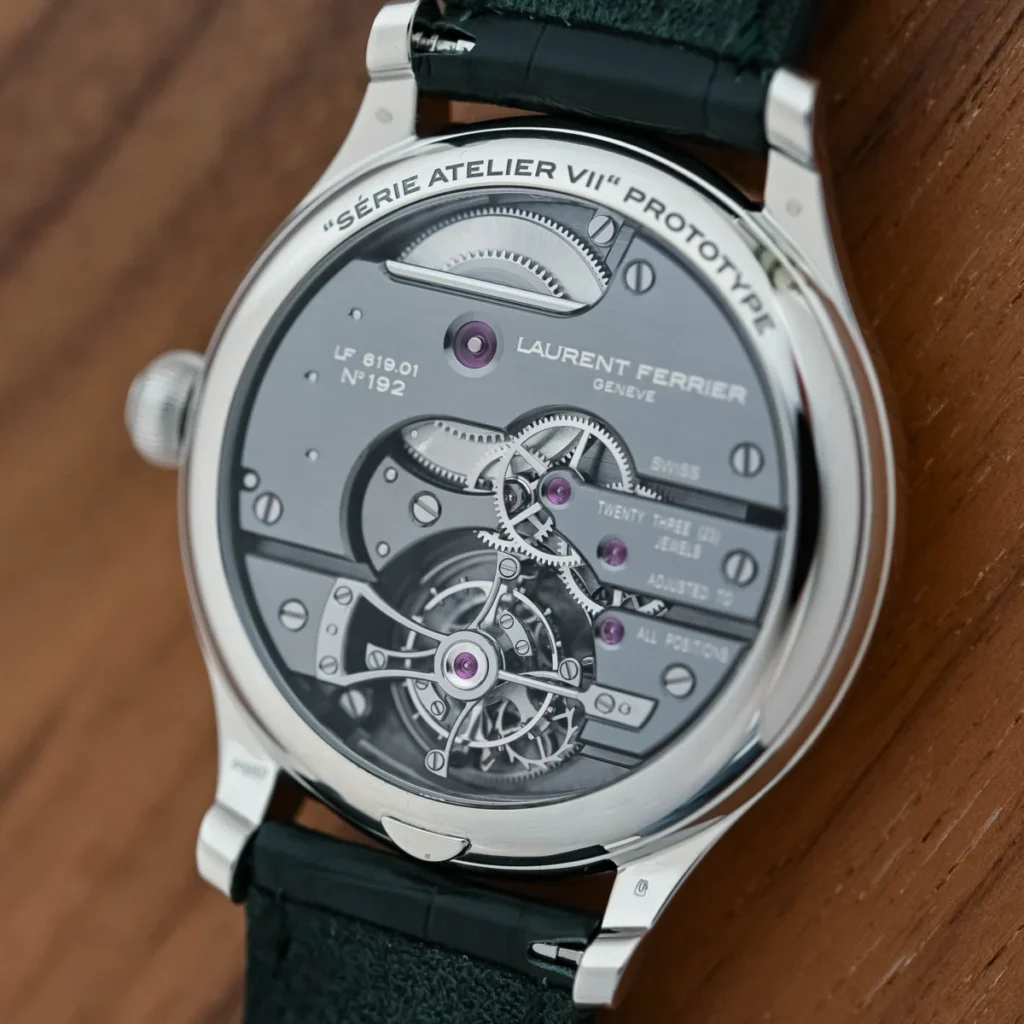
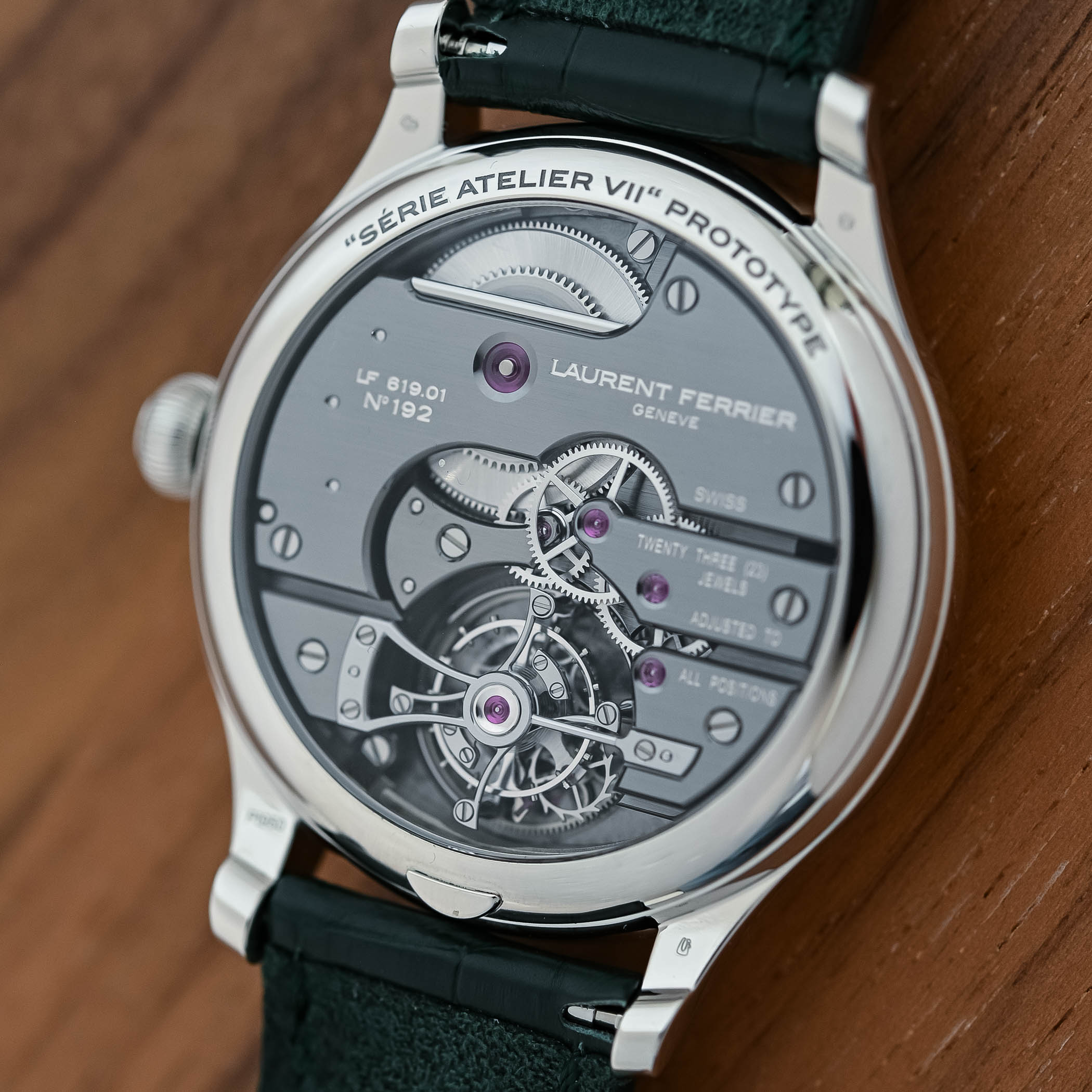
While the pursuit of water resistance and durability dominated much of caseback development, another evolution catered to a different desire: showcasing the intricate artistry of the watch movement. Exhibition casebacks, initially appearing around 1880, primarily served as "salesman samples" in American pocket watches, allowing retailers to display the mechanical prowess and hand-finishing of the timepieces. They were also used for chronometry trials, enabling judges to assess movement decoration without dismantling the watch.
The rise of the wristwatch in the 1920s, with its emphasis on water and dust resistance, initially relegated exhibition casebacks to a secondary role. However, as mechanical watchmaking faced the challenge of the quartz crisis in the late 20th century, brands like Patek Philippe and Audemars Piguet reintroduced exhibition casebacks as a way to highlight their superior craftsmanship and complex movements. Today, sapphire crystal and hardened mineral glass allow for durable and aesthetically pleasing display backs, making them a common feature across various price points, even in robust dive watches.
A Vital Component, Past and Present
From the rudimentary hinged lids of early pocket watches to the technologically advanced monobloc cases capable of withstanding extreme pressures, the evolution of the watch caseback is a compelling narrative of ingenuity and adaptation. Each type of caseback, whether snap-on, threaded, clamped, Super Compressor, monobloc, or exhibition, represents a distinct set of engineering solutions tailored to specific functional and aesthetic requirements. These seemingly simple components are not just protective shells but are fundamental to a watch’s performance, durability, and visual appeal, playing an indispensable role in the enduring legacy of horology. The continued innovation in caseback design ensures that this often-unseen element will remain a critical factor in the advancement of watchmaking for generations to come.