In an era saturated with digital chatbots, a groundbreaking project spearheaded by Chapman University student Sam Potozkin is redefining the boundaries of human-AI interaction by bringing an iconic fictional character to life. Potozkin’s "Threepio" is an intricately crafted, embodied AI system designed to replicate the beloved protocol droid C-3PO from the Star Wars saga. Far from being a mere novelty, this sophisticated creation serves as a tangible platform for exploring profound questions about how physical presence, personality, and established cultural archetypes influence our engagement with artificial intelligence, moving the conversation beyond the confines of a screen and into the real world.
The Protocol Droid Reimagined: A Fusion of Craftsmanship and AI
The digital landscape is teeming with AI chatbots, readily accessible and often indistinguishable in their text-based interactions. While custom hardware integrations for AI are less common, they too are steadily growing. To truly distinguish a conversational robot in this evolving ecosystem, a project must go the extra mile—a challenge Sam Potozkin has met with remarkable success. His Threepio project transcends typical hobbyist endeavors, presenting a meticulously designed system that captures the essence of the original 1977 film’s C-3PO.
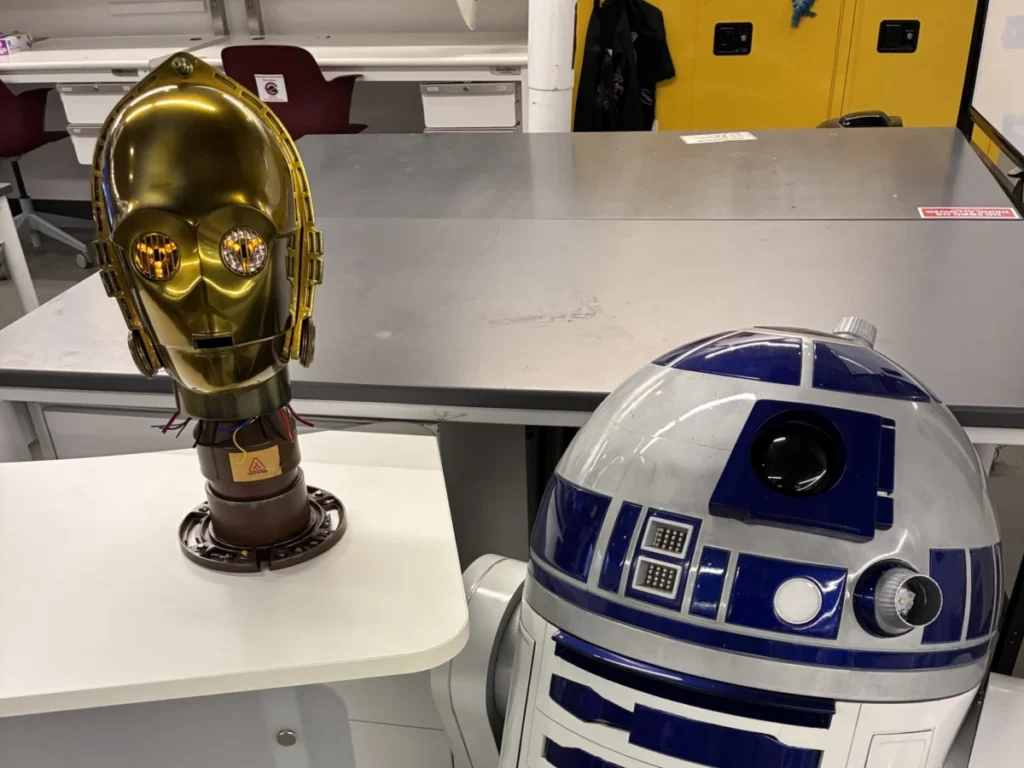
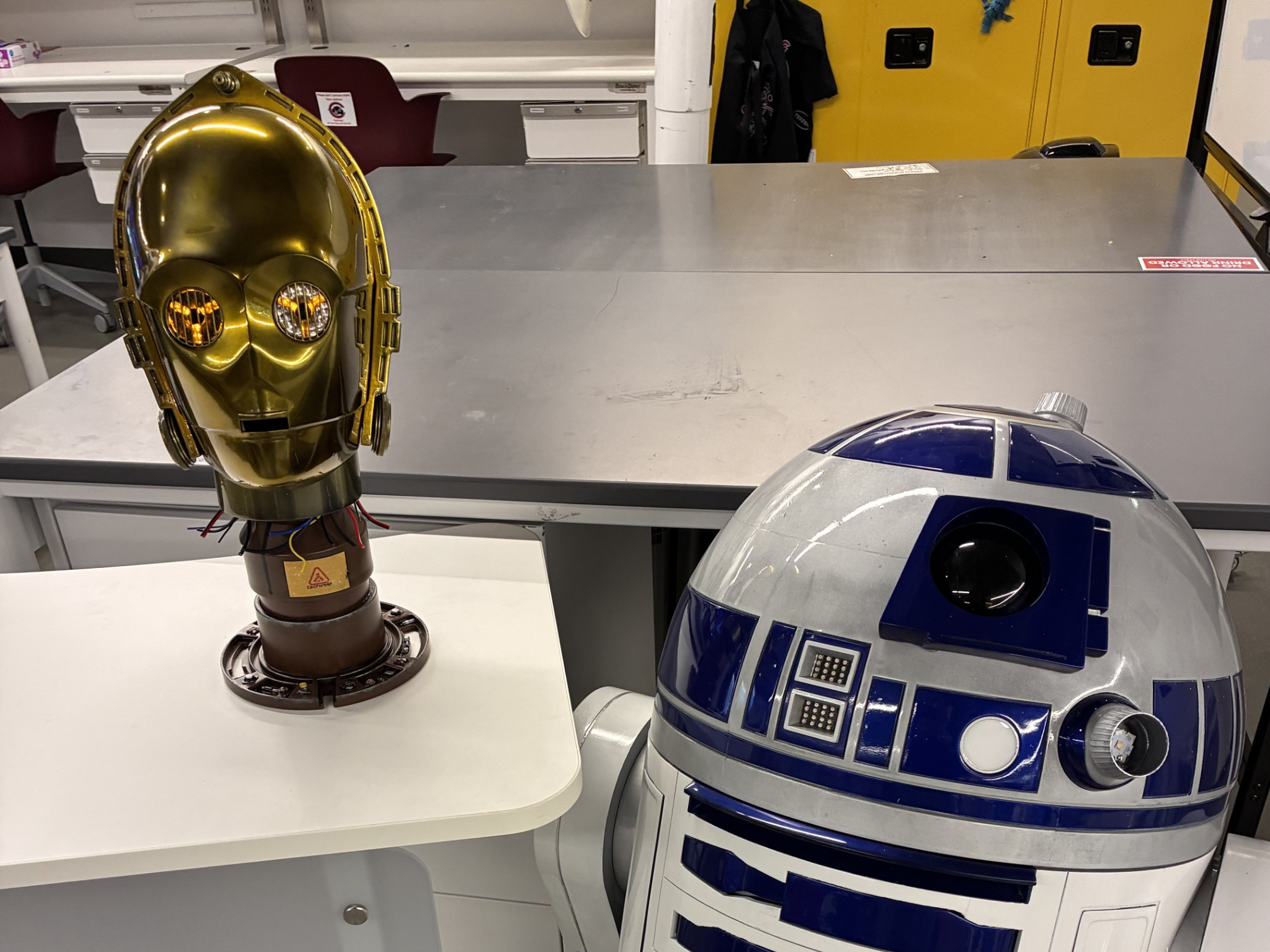
Potozkin, drawing deep inspiration from the iconic golden droid, embarked on a mission to replicate the experience of interacting with the protocol droid as faithfully as possible. The attention to detail is evident in the physical manifestation of the project. The 3D-printed casing, for instance, underwent extensive post-processing to achieve a remarkably smooth, lustrous finish that convincingly mimics C-3PO’s characteristic metallic sheen. Further enhancing its authenticity, subtle "greeblies"—small, intricate details—were added to the display stand, grounding the model in the aesthetic of the Star Wars universe and contributing to an immediate sense of recognition and nostalgia for observers. This commitment to visual fidelity underscores Potozkin’s understanding that the physical form is paramount in shaping human perception of an AI entity.
The Technological Core: Raspberry Pi 5 and Immersive Audio
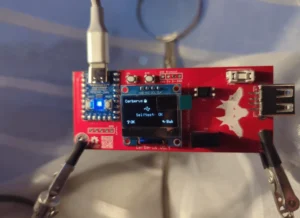
The sophisticated exterior of Threepio belies an equally impressive internal architecture, designed for robust, localized AI processing and an immersive auditory experience. At the heart of the system, driving the AI chat stack, is a Raspberry Pi 5. This powerful single-board computer enables the AI to run locally, a critical design choice that distinguishes Threepio from many cloud-dependent chatbots. Local processing offers several advantages, including enhanced privacy, reduced latency in responses, and greater autonomy for the system, making interactions feel more immediate and personal. The Raspberry Pi 5, known for its versatility and processing power, has become a cornerstone in the maker community for developing complex robotics and AI projects, demonstrating its capacity to handle demanding tasks such as real-time natural language processing.
However, Potozkin’s innovation extends beyond mere computational power to the very delivery of the AI’s voice. Moving away from conventional speakers, he integrated an exciter, a device that transforms the entire head structure into a resonant surface. This ingenious solution allows C-3PO’s voice to emanate convincingly from its "head," rather than from a discrete, identifiable speaker. This spatial audio effect significantly enhances the illusion of an embodied, sentient being. Potozkin invested considerable effort in refining these audio effects, tweaking parameters until the sound achieved just the right timbre and resonance, ensuring the voice was not only clear but also imbued with the familiar, slightly anxious, yet formal tone characteristic of C-3PO. This dedication to auditory realism is crucial, as the voice plays a central role in conveying personality and establishing a believable presence for the AI.
Beyond Novelty: A Deep Dive into Human-AI Interaction
Threepio is not merely a fan project or a demonstration of technical prowess; it serves as a robust platform for academic inquiry. Sam Potozkin documented his research and findings in a comprehensive paper exploring human-AI interaction. The core thesis of his work delves into a critical question: why do people react so differently to modern, screen-based AI systems compared to a fictional, fifty-year-old android like C-3PO? Potozkin argues that the established familiarity and anthropomorphic qualities of C-3PO foster a unique connection that contemporary AI often struggles to achieve. This understanding of human psychology and perception was a driving force behind every realistic detail incorporated into the build.
In his paper, Potozkin articulates the project’s profound implications: "This project explores the translation of a fictional character into a real-world, embodied AI system. Developing this system required translating and combining abstract concepts from both AI and communication theory into a functional, working architecture." This statement highlights the interdisciplinary nature of his endeavor, bridging computer science with the nuances of human communication. He further emphasizes, "The goal of the project was to explore what happens when conversational AI moves off the screen and into a physical, interactive system. Rather than treating AI as something purely digital, this build focuses on embodiment, giving the system a presence, voice, and personality that can be experienced in the real world."
This focus on "embodiment" is a crucial aspect of contemporary AI research. While powerful language models like OpenAI’s ChatGPT or Google’s Gemini have revolutionized text-based interaction, they lack a physical presence. Research in human-robot interaction consistently shows that physical form, perceived personality, and the ability to interact in a shared physical space dramatically alter human perception and engagement with AI. An embodied AI can utilize non-verbal cues, spatial reasoning, and a consistent physical identity, fostering a deeper sense of presence and trustworthiness than a disembodied voice or text interface. Potozkin’s Threepio, by manifesting AI in a familiar, physically present form, offers a compelling case study for understanding how such embodiment can bridge the psychological gap between human and machine.

The Art and Science of Replication: Challenges and Craftsmanship
Bringing Threepio to life was a tremendously ambitious endeavor, requiring a diverse skill set and unwavering perseverance. Potozkin’s journey was marked by a series of technical and artistic challenges, each overcome with meticulous dedication. From the fundamental task of learning to solder—a cornerstone skill in electronics—to the intricate process of honing the audio effects, every step demanded precision. The physical construction involved extensive sanding to eliminate visible layer lines inherent in 3D printing, a painstaking process to achieve the smooth, seamless finish. He also contended with issues like "orange peel" texture, a common aesthetic challenge in advanced finishes, and even a dropped head at one point—a testament to the real-world trials faced by makers.
These challenges highlight the interdisciplinary nature of modern robotics and AI projects, which often require expertise spanning mechanical engineering, electronics, software development, and even industrial design. Potozkin’s success in navigating these hurdles underscores the growing sophistication of the maker movement, where individuals combine technical acumen with artistic vision to create complex, functional, and aesthetically pleasing systems. The project exemplifies how a passion for a fictional universe can drive real-world innovation and the acquisition of valuable skills.
Broader Implications and the Future of Embodied AI
The Threepio project offers significant insights into the evolving landscape of human-AI interaction and the future of embodied AI. Potozkin’s work suggests that the physical manifestation and aesthetic design of an AI system play a far more critical role in human perception and acceptance than previously emphasized in purely software-centric AI development. By leveraging a culturally resonant archetype like C-3PO, the project demonstrates how pre-existing familiarity and narrative context can facilitate a rapid and intuitive connection with an AI. This has profound implications for the design of future personal assistants, educational robots, and companion AI systems.
Experts in human-robot interaction have long theorized that social robots, endowed with a physical presence and a semblance of personality, can foster greater trust and engagement than their screen-based counterparts. Threepio serves as a compelling proof-of-concept for this hypothesis, showcasing how carefully designed embodiment can make AI feel less like a tool and more like an interactive entity. The project contributes to a growing body of research exploring embodied cognition, where intelligence is understood as arising from the interaction of a body with its environment, rather than solely from abstract computation.

Looking ahead, the success of projects like Threepio points towards a future where AI integrates more seamlessly into our physical environments. Imagine personal assistants that are not just voices from smart speakers but interactive entities with a presence, capable of conveying nuance through their form and movement. The market for social robots, though nascent, is projected to grow significantly, driven by applications in elder care, education, and domestic assistance. Threepio offers a glimpse into the potential for personalized, companion AI systems that are not only functional but also emotionally resonant. However, this also opens up ethical considerations regarding potential over-attachment, the line between human-like interaction and deception, and the responsibility of designers in shaping these relationships. Potozkin’s work lays foundational groundwork for these critical discussions.
The Open-Source Spirit and Community Engagement
In line with the collaborative ethos of the maker community, Potozkin has made his Threepio project open-source, providing all necessary documentation and code on GitHub. This decision democratizes access to his innovations, inviting other enthusiasts, students, and researchers to customize and extend the project. The accessibility of the design means that others can put their own spin on the protocol droid, perhaps even attempting to integrate the "other 5,999,999 languages" that C-3PO famously masters. This open-source approach accelerates learning and innovation, fostering a vibrant ecosystem of creators who can build upon each other’s work.
The Threepio project is a remarkable addition to the long lineage of Star Wars-inspired droids featured in publications like Makezine. The community of "droidsmiths," dedicated to meticulously recreating or inventing droids from the Star Wars universe, is a testament to the enduring cultural impact of the franchise and the passion of its fans. Experienced builders often advise beginners to start with the dome, acknowledging the complexity and detailed work involved in crafting even a portion of a functional robot. Potozkin’s C-3PO head, with its advanced AI and refined aesthetics, exemplifies the pinnacle of such dedicated craftsmanship.
Ultimately, Sam Potozkin’s Threepio is far more than an impressive fan build; it is a significant contribution to the ongoing discourse surrounding artificial intelligence. By expertly blending meticulous craftsmanship with cutting-edge AI and a deep understanding of human psychology, Potozkin has created a compelling prototype for future human-AI symbiosis. His work demonstrates the critical role that embodiment, personality, and cultural familiarity play in shaping our interactions with intelligent machines, laying important groundwork for a future where AI isn’t just smart, but also relatable and truly present.