The landscape of American K-12 education is witnessing a significant shift toward the integration of computational thinking into traditional core subjects, a movement underscored by the recent collaboration between Minnesota educators and the Raspberry Pi Foundation. Mark Nechanicky and Taryn Israel Nechanicky, two veteran teachers from the Albert Lea school district in Minnesota, have become central figures in this transition by implementing the Experience CS program within their classrooms. This free, cross-curricular resource is designed to bridge the gap between technical computer science skills and foundational academic subjects such as mathematics, science, and language arts. As educators nationwide grapple with increasing curricular demands, the Nechanickys’ success provides a blueprint for how integrated computer science (CS) can foster student agency, creativity, and leadership without necessitating additional hours in an already crowded school day.
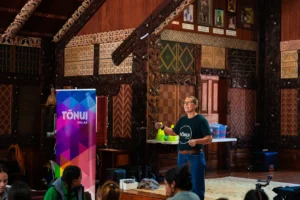
The Nechanickys are scheduled to present their findings and classroom experiences at the upcoming Computer Science Teachers Association (CSTA) annual conference in New Orleans, Louisiana. Their breakout session, titled "Foster Student Engagement, Confidence, and Collaboration through Integrated CS," aims to demonstrate how the Experience CS curriculum has fundamentally altered the learning dynamic in their classrooms. The presentation, set for July 17, comes at a time when schools are under increasing pressure to prepare students for a digital economy while maintaining high performance in standardized testing areas.
The Evolution of Cross-Curricular Computer Science
The integration of computer science into elementary and middle school classrooms has historically faced two primary hurdles: lack of teacher specialized training and a perceived lack of time. In many districts, computer science is treated as a "special" or elective subject, often siloed from the core curriculum. However, the Experience CS initiative seeks to dismantle these barriers by providing scaffolded, ready-to-use resources that align with existing state standards in math and science.
By embedding coding projects within lessons on weather patterns or multiplication, the program allows teachers to meet their core content requirements while simultaneously introducing students to programming logic. This dual-purpose approach addresses the "time poverty" reported by many educators. Mark and Taryn Nechanicky noted that by using these integrated resources, they were able to circumvent the need to find "extra" time for technology, instead using technology as a vehicle to deepen the understanding of the primary subject matter.
The pedagogical foundation of Experience CS relies heavily on Scratch, a block-based visual programming language developed by the MIT Media Lab. Scratch is designed to be exploratory and "low-threshold," meaning it is easy for beginners to start, but "high-ceiling," allowing for complex projects as students’ skills grow. This design philosophy is central to the "play-based" learning environment that Taryn Nechanicky observed in her third-grade classroom.
Case Study: Student Agency and the Weather Watchers Unit
One of the most striking outcomes reported by the Minnesota educators is the rise in student agency—the degree to which students feel in control of their own learning process. In Taryn Nechanicky’s third-grade class (serving students aged 8–9), the implementation of the "Weather watchers" unit served as a catalyst for this engagement. This unit requires students to collect meteorological data and translate that information into visual picture graphs using code.
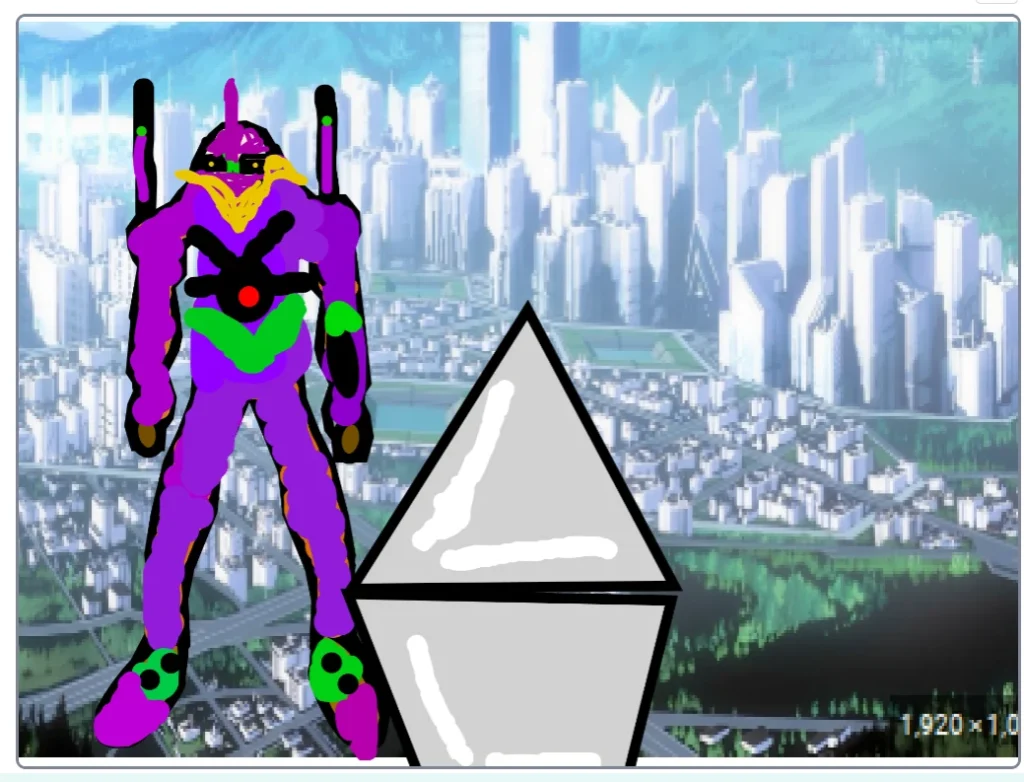
A specific instance highlighted by Taryn involved a student who utilized the creative flexibility of the Scratch platform to personalize her project. Rather than using the default sprites (the characters or objects in a Scratch project), the student incorporated an image of her dog, Chewy. This seemingly simple act of customization represents a critical educational milestone: the transition from passive consumption of technology to active, creative production. When students are given the agency to make mistakes, problem-solve, and incorporate personal interests, the curriculum ceases to be a series of rote tasks and instead becomes a platform for expression.
Mark Nechanicky observed a similar phenomenon in his classroom regarding the "Weather watchers" project. When his students realized that the starter project lacked a "tornado" sprite, they did not wait for teacher intervention. Instead, they utilized the program’s design tools to create their own, demonstrating an advanced level of problem-solving and creative initiative. This "tinkering" mindset is a core objective of the Raspberry Pi Foundation’s educational philosophy, which emphasizes the importance of students seeing themselves as creators of technology.
Fostering Leadership and Inclusive Environments
Perhaps the most significant finding from the Nechanickys’ implementation of Experience CS is its impact on classroom social dynamics. Traditional academic settings often have established hierarchies where certain students are consistently viewed as "experts." However, because computer science is a relatively new field for most elementary students, it serves as a "great equalizer."
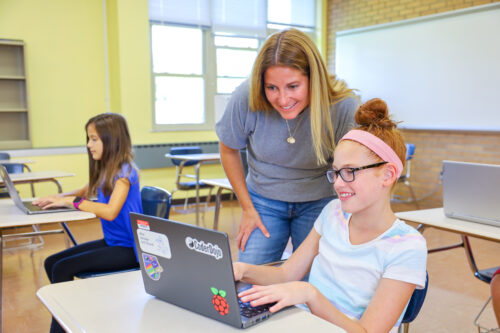
Mark Nechanicky reported that the introduction of coding created leadership opportunities for students who are often marginalized or overlooked in traditional academic settings. This includes students with Individualized Education Plans (IEPs), English Language Learners (ELLs), and those who may struggle with traditional literacy or numeracy tasks. The visual and logic-based nature of block-based coding allows these students to excel in ways that written assessments might not permit.
In one instance, during the "Digit dash" unit—a game design project focused on multiplication fluency for fourth-grade students (ages 9–10)—the first student to master the concept of "variables" was a typically introverted child. In programming, a variable is used to store information, such as a player’s score. Once this student understood how to implement a scoring system, he became the class’s resident expert. His peers, including those who might typically dominate classroom discussions, sought his guidance. This shift in dynamic not only boosts the confidence of the "student-expert" but also fosters a collaborative environment where peer-to-peer learning becomes the norm.
Data and Trends in US Computer Science Education
The success of the Experience CS program in Albert Lea reflects a broader national trend. According to the 2023 State of Computer Science Education report by Code.org, while 57.5% of public high schools in the United States offer a foundational computer science course, the integration at the elementary level remains more fragmented. Programs like Experience CS are vital because research suggests that students who are exposed to CS concepts before middle school are significantly more likely to pursue STEM fields later in life.
Furthermore, the "cross-curricular" model addresses the equity gap in tech education. By embedding CS into required subjects like math and science, schools ensure that all students—regardless of whether they would choose a CS elective—receive foundational digital literacy. This is particularly crucial for closing the gender and racial gaps that have historically plagued the technology sector.
Chronology of the Experience CS Implementation
The journey of the Nechanickys and their students follows a clear timeline of adoption and growth:
- Fall 2023: Mark and Taryn Nechanicky meet with Raspberry Pi Foundation representatives to discuss the integration of the Experience CS resources into their Minnesota classrooms.
- Winter 2023 – Spring 2024: The educators implement several key units, including "Weather watchers" (3rd grade) and "Digit dash" (4th grade). They begin documenting the shifts in student engagement and the emergence of new leadership patterns.
- Spring 2024: Feedback from the Albert Lea classrooms, such as the request for more diverse sprites (e.g., the tornado), is used to refine the free resources provided by Experience CS.
- July 17, 2024: The Nechanickys will join the Raspberry Pi Foundation team at the CSTA conference in New Orleans to share their data and classroom anecdotes with a global audience of educators.
Broader Implications for the Future of Education
The presentation in New Orleans is expected to draw significant interest from school administrators and curriculum developers. The Experience CS units—including "Weather watchers," "Logic and lore," "Picture this!", and "Digit dash"—represent a shift toward a more holistic view of education. In this model, computer science is not a standalone skill but a "new literacy" that enhances a student’s ability to analyze data, tell stories, and solve mathematical problems.
The pedagogical shift toward integrated CS also reflects a change in how "success" is measured in the classroom. While multiplication fluency and understanding weather patterns remain the primary objectives, the secondary gains—confidence, collaboration, and the ability to navigate complex digital environments—are increasingly viewed as essential life skills.
As the CSTA conference approaches, the story of the Albert Lea teachers serves as a compelling case study for the "integrated" movement. By removing the barriers of time and specialization, and by focusing on the innate joy of "making," the Experience CS program is proving that any classroom can become a hub for the next generation of digital leaders. The upcoming session in New Orleans will provide a platform for these insights to be scaled, potentially influencing classrooms across the country and beyond.
For educators unable to attend the conference, the Raspberry Pi Foundation continues to offer the Experience CS resources for free online, emphasizing their commitment to democratizing access to high-quality computing education. The organization’s focus remains on supporting teachers like the Nechanickys, who are on the front lines of transforming how the next generation interacts with the world around them.