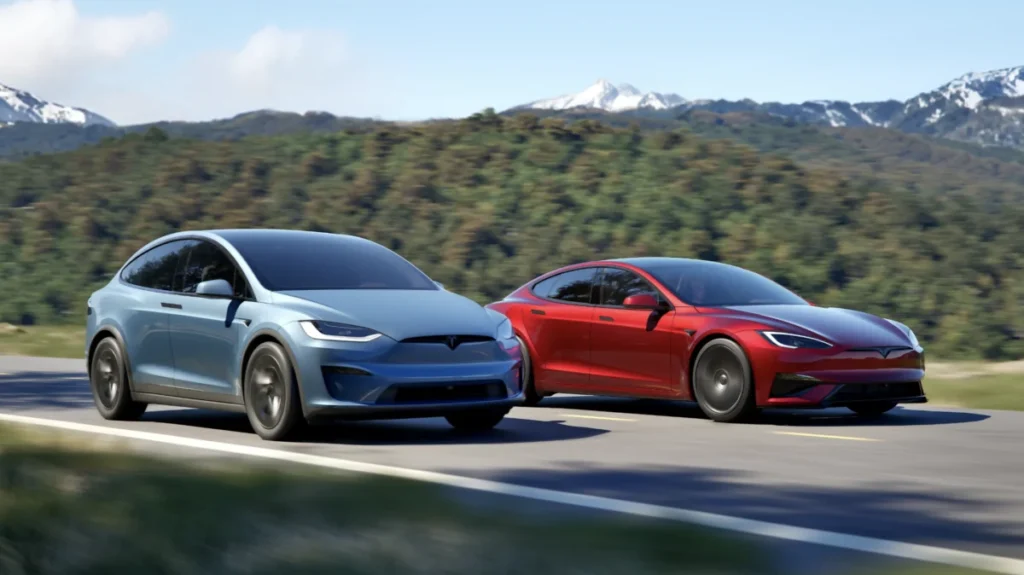
Tesla CEO Elon Musk has announced the company’s intention to "open source" the design and engineering of its Model S and Model X electric vehicles, drawing a parallel to a similar initiative undertaken for the original Tesla Roadster. This announcement, made via a social media post on July 24, 2026, has reignited discussions about Tesla’s commitment to transparency and its definition of "open source," especially given the limited scope of its previous Roadster release. The move comes as Tesla has officially concluded production of both the Model S and Model X, a decision made earlier in 2026 to reallocate manufacturing resources.
The company’s prior endeavor to open source the original Roadster’s design and engineering, announced in November 2023, was met with a mix of appreciation and scrutiny. While Tesla did indeed make certain files publicly available, the extent of this release has been a point of contention. Critics argue that the provided materials fall far short of a comprehensive open-source release, lacking crucial elements like CAD files, source code for firmware, and explicit licensing that grants users rights to modify and redistribute.
Understanding Tesla’s Previous "Open Source" Release: The Roadster Precedent
The initial promise of open-sourcing the original Tesla Roadster, a vehicle that ceased production over a decade prior, was hailed by some as a significant step towards industry transparency. Elon Musk himself stated in November 2023, "all design & engineering of the original Tesla Roadster is now fully open source. Whatever we have, you now have." This statement generated considerable excitement within the automotive and technology communities.
However, a closer examination of the released materials revealed a more nuanced reality. The primary repository for the Roadster’s open-sourced data, located on GitHub under the teslamotors/roadster repository, contained a relatively small collection of files. This included five CAN database (.dbc) files, totaling approximately 339 KB, which are essential for understanding vehicle communication protocols. Additionally, a 309 MB diagnostic software ISO file and two PDF quick-start guides were made available. These files were reportedly uploaded to GitHub in stages, with the DBC files appearing on December 2, 2022, nearly a year before Musk’s public announcement, and the diagnostic ISO and guides arriving on November 22, 2023. The repository has seen no further updates since, garnering a modest 1,100 stars and 300 forks on GitHub, indicating limited engagement.

Beyond the GitHub repository, Tesla also made some information available on its service website under a section titled "Disclosed Research and Development Documents." This section included five entries: Battery Monitoring Board, Vehicle Display System, HVAC Controller, Diagnostic Software, and Design Documents. It is important to note that much of the information on this Roadster page, such as service manuals, parts catalogs, and owner’s manuals, was already publicly accessible. Tesla had begun releasing service manuals and diagnostic tools for free as early as 2020, partly in response to right-to-repair advocacy. These pre-existing public documents were also included in the scope of the "open source" release.
The critical missing components from the Roadster release were the core design files that would enable true open-source development or replication. There were no Computer-Aided Design (CAD) files, no detailed mechanical drawings, no comprehensive bills of materials, and no firmware source code. While the diagnostic ISO contained compiled binaries, the actual source code was absent. Furthermore, schematics for key components like the Power Electronics Module (the inverter responsible for propelling the car) and detailed motor or battery pack designs were not provided.
Engineering firms that attempted to work with the released Roadster data, such as Antmicro, reported difficulties. Antmicro, which successfully rebuilt the Roadster’s electronics in simulation, found that the provided board packages contained manufacturing outputs like Gerber files and pick-and-place data, but not the original PCB source files. This necessitated significant effort to reconstruct component footprints.
A major stumbling block for the Roadster release, and potentially for future Tesla open-source initiatives, is the absence of a clear open-source license. The GitHub README referenced terms from the "Disclosed Research and Development Documents for Roadster." However, these terms primarily function as a liability disclaimer rather than a license that grants rights. Tesla explicitly stated that the information was not intended for manufacturer reference or repair and maintenance, offered no warranties, and warned that any products built from it would not be genuine Tesla parts. Crucially, Tesla did not grant any explicit rights to copy, modify, or redistribute the materials. Without such a grant, and lacking a recognized open-source license (like GPL, MIT, or Apache), the released Roadster data does not meet the definition of "open source" according to standards set by organizations like the Open Source Initiative.
The Future of Open Sourcing at Tesla: Model S and X on the Horizon
With the production of the Model S and Model X officially concluded in April 2026, following Elon Musk’s decision in January of the same year to discontinue them in favor of the Optimus humanoid robot, the timing of the open-sourcing announcement for these vehicles is notable. This mirrors the Roadster’s situation, where the initiative came long after production ceased and support for the legacy model was being wound down.
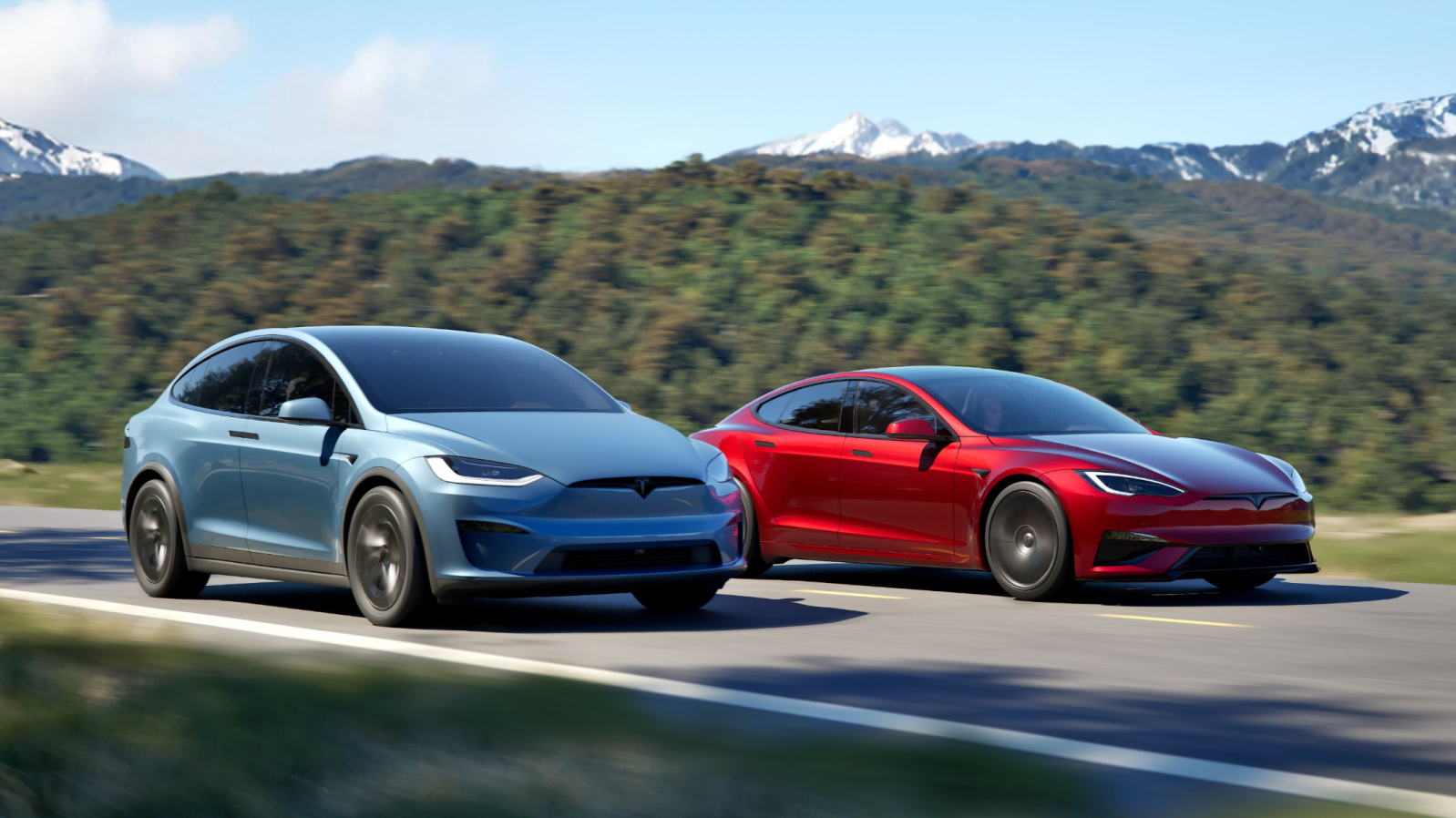
If Tesla adheres to the same playbook used for the Roadster, the "open sourcing" of the Model S and X would likely involve the release of diagnostic software, various CAN databases, Gerber files for select minor circuit boards, and the same liability disclaimer. It is highly improbable, based on past practices, that proprietary technologies such as Autopilot software, advanced drive unit designs, or detailed battery pack architectures would be included.
However, there is one area where Tesla could make a more substantial contribution to the open-source community: its software. Both the Model S and Model X, like many modern EVs, run on Linux. Tesla’s history with Linux software licenses has been somewhat contentious. In 2018, the company began publishing kernel and Buildroot source code after facing criticism from the Software Freedom Conservancy for alleged GPL violations. The Conservancy has maintained that these disclosures have historically been incomplete. A genuine open-source release of the Model S and X software would provide an opportunity for Tesla to fully comply with its GPL obligations and potentially offer a more robust and usable software foundation.
Analysis and Implications
The decision to potentially open source the Model S and Model X, even in a limited capacity, can be viewed through several lenses. From a positive perspective, the Roadster files have proven useful for independent repair shops keeping older vehicles operational and for researchers like Antmicro who have leveraged them for simulation and development. Very few automakers offer even this level of access to their vehicle data, and Tesla deserves credit for providing it.
However, the continued use of the term "open source" without the accompanying legal framework and comprehensive release of design files remains a significant mischaracterization. True open source requires a license that explicitly grants users the freedom to use, modify, and distribute the software or design. Tesla’s current approach, as demonstrated with the Roadster, essentially provides access to information without granting any rights, which fundamentally differs from the principles of open source. Elon Musk’s assertion that "whatever we have, you now have" has not materialized, as Tesla retains the proprietary CAD files and firmware source code for the Roadster.
The implications for the Model S and X are significant. If Tesla replicates the Roadster release strategy, it would be a missed opportunity to make a truly impactful contribution to the automotive industry. An actual open-sourcing of a production EV platform, refined over more than a decade, including its drive unit and battery pack, would be unprecedented. Such a release could empower engineers, small manufacturers, and independent developers to innovate, adapt, and potentially accelerate the transition to sustainable transportation.

For Tesla to deliver on a meaningful open-source initiative for the Model S and X, several actions would be crucial. Firstly, the company must adopt an actual open-source license that clearly defines user rights. Secondly, the release should include comprehensive design files, such as CAD data and firmware source code, not just manufacturing outputs or compiled binaries. Thirdly, and critically, Tesla should use this opportunity to fully address its past GPL compliance issues by providing complete and accurate source code for all its Linux-based systems.
Such a comprehensive approach would represent a genuine contribution to the industry, fostering innovation and collaboration. Conversely, if Tesla proceeds with a release similar to the Roadster’s, it would largely amount to a public relations exercise rather than a substantive advancement of open-source principles. The automotive world will be watching to see if Tesla chooses to set a new precedent for transparency and industry collaboration or reiterates its past approach.
The broader context of Tesla’s production decisions and its focus on future technologies like Optimus suggests that the Model S and X are indeed legacy products for the company. Leveraging these vehicles for a genuine open-source release, at this stage, would incur minimal cost for Tesla while potentially yielding substantial goodwill and fostering broader technological development. It presents an opportunity for Tesla to demonstrate a commitment to open innovation beyond its immediate product roadmap, a move that could resonate deeply within the engineering and sustainability communities.