BOSTON – Two prominent U.S. manufacturing facilities have been distinguished among the latest cohort of the World Economic Forum’s Global Lighthouse Network, recognized for their pioneering integration of artificial intelligence (AI) and advanced digital technologies to achieve remarkable improvements in factory performance. Schneider Electric’s engineer-to-order factory in El Paso, Texas, and Hitachi Vantara Manufacturing’s storage systems plant in Norman, Oklahoma, were among the 16 global facilities to earn this prestigious honor, underscoring a growing commitment to Industry 4.0 principles within American industrial operations.
The Global Lighthouse Network, an initiative spearheaded by the World Economic Forum in collaboration with McKinsey & Company, identifies and celebrates manufacturing sites that are leading the way in the adoption and integration of cutting-edge technologies to enhance productivity, foster supply chain resilience, elevate customer centricity, advance sustainability efforts, and bolster workforce development. These facilities serve as global benchmarks, demonstrating how digital transformation can unlock significant operational and economic value. Schneider Electric’s latest recognition brings its total count of Global Lighthouse facilities to an impressive eleven, solidifying its position as a global leader in smart manufacturing.
The Global Lighthouse Network: A Beacon for Industry 4.0
Launched in 2018, the Global Lighthouse Network was established to create a community of advanced manufacturers that could illuminate the path for others navigating the complexities of the Fourth Industrial Revolution. At its core, Industry 4.0 represents the fusion of advanced manufacturing techniques with smart technologies, creating interconnected systems that can analyze, predict, and adapt in real-time. The network’s mission is to accelerate the adoption of these transformative technologies across industries by showcasing tangible, measurable benefits achieved by leading organizations.
For a manufacturing site to be designated a "Lighthouse," it must demonstrate exceptional leadership in leveraging technologies such as artificial intelligence, industrial internet of things (IIoT), big data analytics, robotics, and cloud computing to drive significant operational and financial improvements. The selection process is rigorous, involving detailed assessments of technological deployment, impact on key performance indicators (KPIs), and the strategic alignment of digital initiatives with business objectives. By highlighting these exemplars, the World Economic Forum aims to foster a learning ecosystem where best practices can be shared, inspiring a broader industrial uptake of advanced manufacturing capabilities. The latest cohort, now comprising over 150 Lighthouses worldwide, reflects a growing global commitment to digital transformation as a strategic imperative for competitiveness and sustainability.
Schneider Electric’s El Paso Triumph: Engineering Customer Centricity
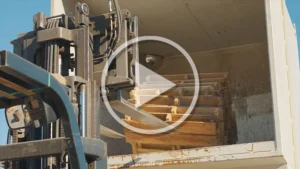
Schneider Electric’s El Paso plant achieved a significant milestone by becoming the company’s first Engineer-to-Order (ETO) Lighthouse facility, receiving distinction specifically in the network’s Customer Centricity category. This recognition highlights the plant’s exceptional ability to meet highly customized customer demands with unparalleled efficiency and responsiveness.
The El Paso campus is a critical hub for manufacturing low- and medium-voltage electrical distribution equipment, tailored for a diverse range of industrial, commercial, and residential applications. The facility faced considerable challenges stemming from the rapid growth in data center demand, which significantly amplified the complexity of its ETO production system. Engineer-to-order models, by their nature, involve unique design and manufacturing processes for each customer order, making standardization and efficiency particularly difficult to achieve. This complexity often leads to longer lead times, higher costs, and potential for errors without robust systems in place.
To address these intricate challenges, Schneider Electric embarked on a comprehensive digital transformation journey. The company strategically digitized engineering, manufacturing, and supply chain workflows through the deployment of industrial Internet of Things (IIoT) technologies, advanced analytics, and AI-driven tools. IIoT sensors provided real-time data from machinery and processes, allowing for continuous monitoring and optimization. Advanced analytics converted this raw data into actionable insights, while AI-driven tools automated decision-making and predicted potential bottlenecks, from design modifications to logistics.
The impact of this transformation was profound and measurable. Schneider Electric reported a dramatic increase in on-time delivery rates, surging from 61% to an impressive 97%. Lead times, a critical factor in customer satisfaction for customized products, were reduced by as much as 35%. Furthermore, the digital overhaul eliminated a staggering $43 million in backorders, showcasing the financial benefits of improved operational fluidity. Beyond these quantitative gains, the initiative also fostered significantly better coordination between engineering, production, and logistics operations, creating a seamless value chain from design to delivery.
Mourad Tamoud, Schneider Electric’s Chief Supply Chain Officer, emphasized the broader strategic significance of this recognition. "This recognition from the World Economic Forum reflects our continued commitment to transform our supply chain through the combined power of people, digital, and sustainability," Tamoud stated. His remarks underscore that the digital advancements are not merely technological upgrades but are deeply integrated with the company’s human capital strategy and its overarching sustainability goals, aligning efficiency with environmental responsibility. The World Economic Forum cited these results directly, noting that the El Paso plant leveraged "data engineering, integrated logistics, industrial IoT and advanced AI solutions" to achieve superior responsiveness amidst increasing product customization demands, setting a new standard for customer-centric manufacturing.
Hitachi Vantara’s Norman Plant: A Model for Productivity
Another U.S. facility making waves in the Global Lighthouse Network is Hitachi Vantara Manufacturing’s plant in Norman, Oklahoma. This site earned a coveted Productivity distinction, a testament to its successful implementation of advanced digital solutions to significantly enhance operational efficiency and output.
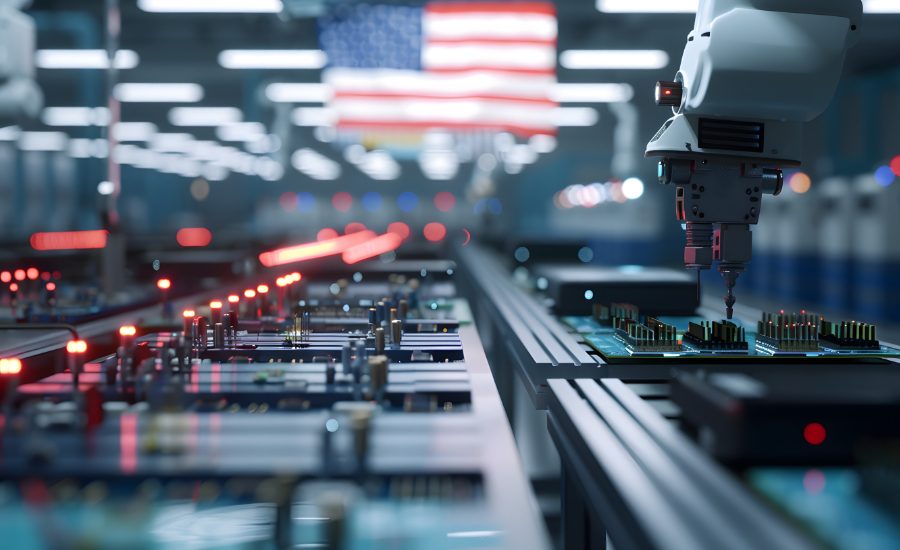
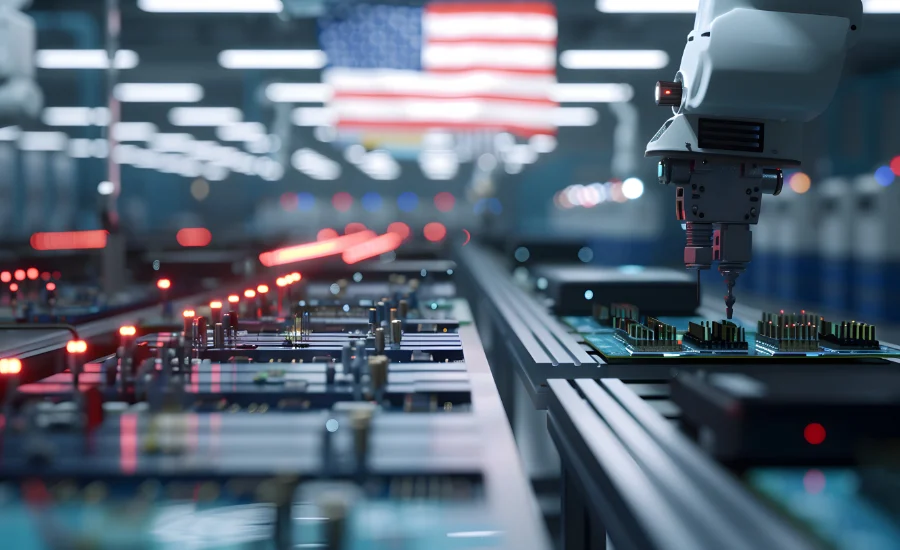
The Norman facility specializes in the production of highly customized storage systems, a product category that inherently presents complexities in inventory management, production scheduling, and delivery. Traditional manufacturing models often struggle with the dynamic nature of custom orders, leading to challenges in maintaining optimal inventory levels and ensuring timely dispatch. Hitachi Vantara sought to overcome these hurdles by leveraging a global digital platform combined with AI-enabled configuration automation.
The implementation of a unified global digital platform provided unprecedented end-to-end visibility across the entire manufacturing and supply chain process. This platform served as the backbone for integrating various operational data points, enabling real-time insights into production status, material availability, and order progression. Complementing this, AI-enabled configuration automation played a crucial role in streamlining the complex process of designing and assembling customized storage solutions. By automating configuration, the plant could rapidly process diverse customer specifications, minimizing manual errors and accelerating the transition from order placement to production.
The tangible benefits of this transformation were remarkable. According to the World Economic Forum, Hitachi Vantara’s Norman plant achieved a 50% reduction in inventory levels, a critical improvement that frees up capital and reduces storage costs. Even more impressively, the order-to-ship lead times were slashed by an astonishing 77%, dramatically improving the speed at which customized products reached customers. This heightened efficiency also translated into improved delivery performance for its complex storage systems, solidifying customer trust and satisfaction. The Norman plant’s achievements highlight the immense potential of AI and integrated digital platforms to revolutionize even the most intricate manufacturing processes, driving significant productivity gains and setting a new standard for operational excellence.
The Broader Landscape of US Manufacturing and Industry 4.0
The recognition of these two U.S. plants by the World Economic Forum arrives at a critical juncture for American manufacturing. The sector is undergoing a significant transformation, driven by a confluence of factors including global supply chain disruptions, a renewed focus on domestic production (reshoring), and the imperative to remain competitive in an increasingly digital world. The adoption of Industry 4.0 technologies is no longer a luxury but a strategic necessity for U.S. manufacturers seeking to enhance resilience, reduce costs, and innovate faster.
Recent economic shifts, exacerbated by events like the COVID-19 pandemic and geopolitical tensions, have exposed vulnerabilities in global supply chains. This has spurred a movement towards greater localized production and diversified sourcing, making advanced, agile manufacturing capabilities more crucial than ever. Government initiatives, such as the CHIPS and Science Act and investments in infrastructure, are further bolstering the ecosystem for advanced manufacturing in the U.S., encouraging companies to invest in domestic production and high-tech processes.
Investment trends clearly indicate a growing commitment to Industry 4.0. According to various industry reports, spending on industrial automation, IoT, and AI in manufacturing is projected to continue its upward trajectory, with significant growth anticipated in the coming years. This includes investments in predictive maintenance, quality control automation, digital twins, and collaborative robotics, all aimed at creating smarter, more efficient, and more sustainable factories.
The impact extends beyond mere operational efficiency; it fundamentally reshapes the workforce. While concerns about job displacement often accompany automation discussions, the reality observed in Lighthouse factories points towards a shift in skill requirements and the creation of new, higher-value roles. The workforce in these advanced facilities requires training in data analytics, AI interpretation, robot programming, and cybersecurity, necessitating significant upskilling and reskilling initiatives. This evolution fosters a more engaging and intellectually stimulating work environment, where human ingenuity is augmented by intelligent systems. Moreover, the integration of digital technologies inherently supports sustainability goals. By optimizing processes, reducing waste, conserving energy through smart management, and enabling more efficient resource utilization, Industry 4.0 factories contribute significantly to environmental stewardship.
The Strategic Imperative: Why Digital Transformation Matters
The achievements of Schneider Electric and Hitachi Vantara are not isolated incidents but rather illustrative examples of a broader strategic imperative facing global manufacturing. In an era defined by rapid technological change and intense competition, digital transformation offers a pathway to sustained competitive advantage.
For companies, it means enhanced agility to respond to market fluctuations, improved resilience against unforeseen disruptions, and the ability to meet increasingly sophisticated customer demands for customized products delivered with speed and precision. Beyond the factory floor, digital capabilities also empower better decision-making at all organizational levels, fostering innovation and enabling new business models. Furthermore, being recognized as a leader in Industry 4.0 helps attract top talent, as skilled professionals are increasingly drawn to companies at the forefront of technological innovation. The "learn-and-scale" model championed by the Global Lighthouse Network encourages companies not just to adopt technologies but to develop the organizational capabilities to continuously innovate and integrate new advancements.
The Path Forward: Sustaining Innovation
For Schneider Electric and Hitachi Vantara, these recognitions are not the culmination but rather milestones in an ongoing journey of digital transformation. Sustaining innovation requires continuous investment, a culture that embraces change, and leadership committed to leveraging technology for strategic advantage. The success of these U.S. plants provides a compelling narrative for other manufacturers, demonstrating that the future of industry is digital, interconnected, and increasingly intelligent.
The examples set by El Paso and Norman underscore the immense potential for U.S. manufacturing to lead globally in the Fourth Industrial Revolution. As more factories embrace these advanced technologies, they will collectively drive economic growth, create higher-skilled jobs, and build a more resilient and sustainable industrial future for the nation. The World Economic Forum’s Global Lighthouse Network continues to serve as a vital platform, illuminating the path forward and inspiring a new era of manufacturing excellence worldwide.