The Pallet Predicament: A Common Industrial Headache
For many manufacturers, the accumulation of used wooden pallets and crates presents a dual problem of space inefficiency and escalating operational costs. These essential shipping materials, once serving their purpose, quickly transition into bulky waste products that demand significant storage area while awaiting disposal. In the case of the Birmingham facility, a staggering 25,000 square feet of prime manufacturing real estate was dedicated solely to stockpiling whole pallets. This area, which could otherwise be utilized for production, inventory, or expansion, represented a substantial hidden cost and a drag on operational fluidity.
The issue extends beyond mere space. The logistical complexities of coordinating regular waste removal, coupled with fluctuating disposal fees and transportation costs, can amount to a considerable financial drain. Brad and Jake Boulware of Boulware Equipment, the company behind the new recycling system, highlighted this particular facility’s plight, noting the sheer scale of the space dedicated to what was essentially trash. Their insights underscore a widespread problem where manufacturers are often at the mercy of external waste management providers and market conditions for recycled materials.
A Strategic Shift: From Accumulation to Immediate Processing
The decision to invest in an on-site recycling system marked a significant paradigm shift for the facility. Instead of accumulating wood waste for later, often sporadic, disposal, the new system allows for pallets and crates to be processed immediately upon being deemed waste. This ‘just-in-time’ waste management approach aligns closely with lean manufacturing principles, aiming to eliminate waste in all forms, including wasted space and time.
Boulware Equipment designed and installed a comprehensive system tailored to the facility’s specific needs. The system occupies a mere 2,000 square feet, a dramatic reduction compared to the previous 25,000 square feet used for stockpiling. This liberated approximately 23,000 square feet of manufacturing space, which can now be repurposed for core production activities, new equipment installation, or improved workflow – directly impacting the facility’s overall efficiency and potential for growth.
Beyond space reclamation, the financial benefits have been immediate and substantial. According to Boulware Equipment, the installation has eliminated approximately $15,000 per month in disposal costs. This figure encompasses not only direct landfill fees but also the associated costs of transportation, labor for handling and loading, and potentially fees related to specialized waste removal services. Over the course of a year, these savings translate to an impressive $180,000, providing a rapid return on investment for the new system.
The Technology Behind the Transformation
The on-site recycling system is engineered to handle various forms of wood waste, including pallets, crates, and other wooden debris generated during manufacturing processes. A key feature of the system is its ability to efficiently reduce the volume of this material. Large pieces of wood are fed into specialized shredders or grinders, which break them down into smaller, manageable wood chips.
A critical component of the process involves the separation of embedded metal. Pallets and crates often contain nails, screws, and other metallic fasteners that must be removed before the wood can be recycled effectively. The Boulware system incorporates advanced magnetic or eddy current separation technologies to identify and extract these metal components, which are then collected independently for their own recycling stream. This dual-stream recycling maximizes resource recovery and ensures the purity of the wood chips.
The processed wood chips themselves are not merely a reduced form of waste; they become a valuable commodity. These chips can be sold to various industries, creating a potential new revenue stream for the manufacturer, further offsetting operational costs. The versatility of recovered wood chips is significant, with applications ranging from:
- Mulch and Landscaping Materials: A common use, providing ground cover, moisture retention, and weed suppression.
- Biomass Fuel: Wood chips are an excellent source of renewable energy, used in industrial boilers and power generation facilities as a sustainable alternative to fossil fuels.
- Industrial Absorbents: Their porous nature makes them suitable for absorbing spills in industrial settings.
- Recycled Composites: Wood fibers can be incorporated into composite materials for various products, from decking to automotive parts.
- Engineered Wood Products: Used in the production of particleboard, fiberboard, and other composite wood products, extending the lifecycle of wood resources.
This ability to monetize what was once a cost center significantly enhances the economic viability and environmental stewardship of the manufacturing operation.

Broader Implications for Industrial Waste Management
The success story at the Birmingham facility offers a compelling case study for the wider manufacturing industry, which faces increasing pressure to adopt more sustainable practices and improve operational efficiency. According to the U.S. Environmental Protection Agency (EPA), wood waste, including pallets, constitutes a significant portion of the municipal solid waste stream, with industrial and commercial sources being major contributors. Landfilling these materials not only consumes valuable space but also contributes to greenhouse gas emissions as the wood decomposes.
The traditional reliance on third-party waste management services for whole pallet disposal carries inherent risks and inefficiencies. Jake Boulware highlighted a critical vulnerability: "Pallet-market conditions can change, potentially leaving a manufacturer with material that a local recycler no longer wants." This market volatility can disrupt disposal schedules, increase costs unexpectedly, and even lead to situations where manufacturers are left with unmanageable stockpiles. By taking control of their wood waste processing on-site, manufacturers gain greater autonomy, predictability, and resilience in their waste management strategies.
The Drive Towards a Circular Economy in Manufacturing
The implementation of such systems aligns perfectly with the global movement towards a circular economy, where resources are kept in use for as long as possible, extracting the maximum value from them whilst in use, then recovering and regenerating products and materials at the end of each service life. In a linear economy, materials are often extracted, used, and then discarded. The on-site wood waste recycling system transforms this linear model into a more circular one, turning waste into a valuable feedstock for other industries.
This shift has multiple benefits:
- Environmental Stewardship: Reduces the volume of waste sent to landfills, conserves natural resources by reducing the demand for virgin timber, and lowers the carbon footprint associated with transportation and disposal.
- Economic Advantage: Generates cost savings through reduced disposal fees and potential revenue from selling processed wood chips. It also reduces operational risks associated with external market fluctuations.
- Operational Efficiency: Frees up valuable manufacturing space, streamlines waste handling processes, and improves overall facility organization.
- Enhanced Brand Image: Demonstrates a commitment to sustainability, which can be a significant differentiator in today’s environmentally conscious market. Consumers and business partners increasingly prefer companies that prioritize responsible environmental practices.
Industry analysts suggest that the trend towards on-site waste processing will only accelerate as environmental regulations tighten and the cost of raw materials and waste disposal continues to rise. Companies that proactively invest in such solutions are positioning themselves for long-term sustainability and competitive advantage.
Expert Perspectives and Future Outlook
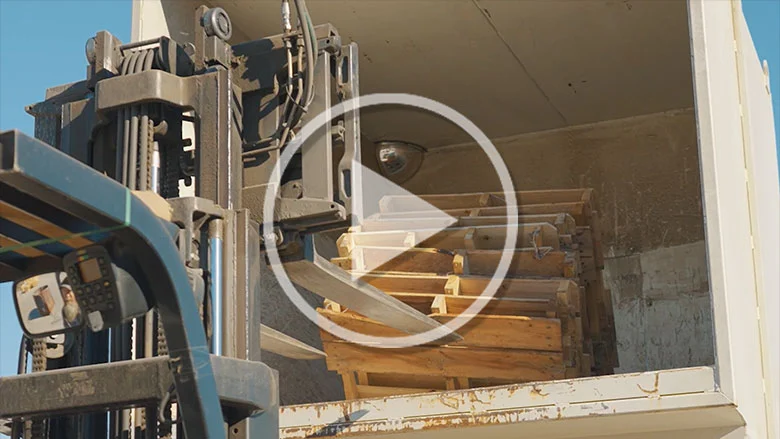
Brad and Jake Boulware’s expertise in providing these specialized solutions underscores the growing demand for innovative waste management technologies. Their video discussion on the installation and its results serves as a testament to the tangible benefits achievable. While the specific manufacturing facility remains unnamed due to proprietary operational details, the quantifiable outcomes speak volumes.
"This isn’t just about waste management; it’s about resource optimization," remarked an inferred spokesperson for the manufacturing facility, speaking on condition of anonymity to protect competitive information. "The amount of space we’ve reclaimed is transformative for our production capabilities, and the monthly savings are directly impacting our bottom line. It’s a win-win for efficiency and sustainability."
Environmental experts also weigh in on the significance of such initiatives. Dr. Evelyn Reed, a prominent researcher in industrial ecology, notes, "Decentralized waste processing, especially for materials like wood that have clear secondary market value, is a crucial step towards industrial symbiosis. It turns a liability into an asset, reducing environmental impact while boosting economic performance. We expect to see more manufacturers adopting similar closed-loop systems in the coming years."
The investment made by the Birmingham, Michigan, facility represents a forward-thinking approach to industrial operations. It demonstrates that with the right technology and strategic planning, waste can be re-envisioned not as an unavoidable cost, but as a valuable resource. As the manufacturing landscape continues to evolve, embracing such sustainable and efficient practices will be key to long-term success and resilience. The story of reclaimed space and significant cost savings serves as a powerful illustration of how innovative waste management can drive both environmental responsibility and economic prosperity.