While many vehicles arrive on the automotive scene with an engine that defines their character from the outset, a select group achieve legendary status not through their initial conception, but through a pivotal powertrain upgrade. These are the cars that, while perhaps competent in their original form, were utterly transformed, morphing from ordinary to extraordinary when a new heart was implanted into their chassis. This evolution often stems from the availability of a significantly more potent engine within the manufacturer’s range, or a radical rework of an existing unit that unlocks a new dimension of performance and desirability. This article delves into 28 such automotive transformations, exploring how engine swaps and upgrades reshaped the very essence of these vehicles, often turning them into icons of their respective eras.
The Genesis of Automotive Transformation: More Than Just an Engine Swap
The automotive industry thrives on innovation, and while design, chassis dynamics, and technology all play crucial roles, the engine often remains the soul of a car. For many models, their initial launch represents a carefully balanced package, designed to meet a specific market segment. However, the automotive landscape is dynamic, and manufacturers frequently develop more powerful or efficient engines that, when introduced to existing models, can unlock unforeseen potential. This is not merely about increasing horsepower; it’s about fundamentally altering a car’s character, its performance envelope, and its appeal to enthusiasts and the wider public. The following examples illustrate this profound impact, showcasing how a change in powerplant could redefine a car’s legacy.
Iconic Transformations: A Deep Dive into Automotive Evolution
The journey through these transformative vehicles begins with a look at some early pioneers and progresses through decades of automotive advancement, highlighting key moments where engine technology fundamentally reshaped automotive icons.
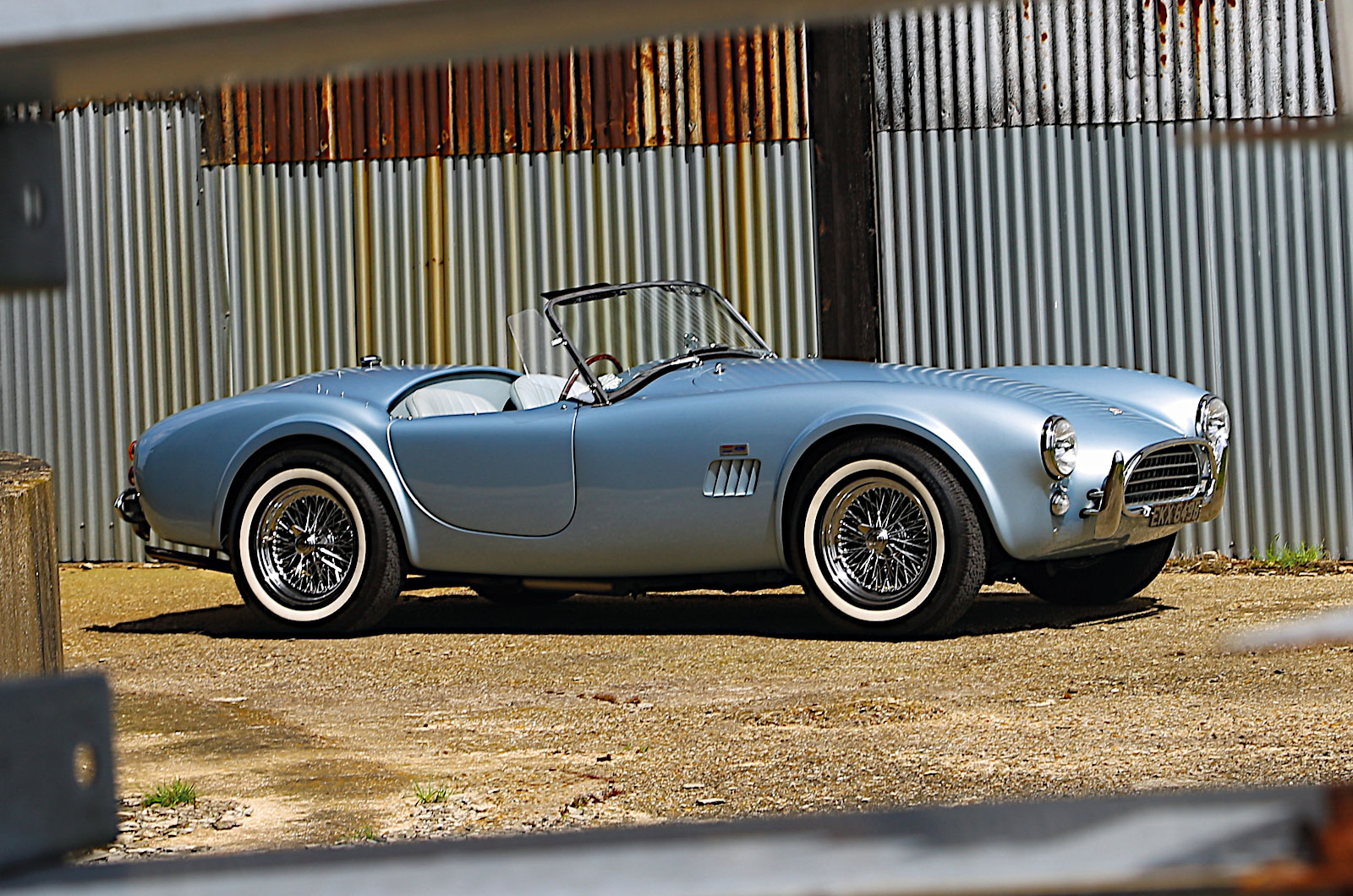
AC Ace: The Birth of the Cobra
The AC Ace, introduced in 1953, was a capable British roadster with a respectable handling profile that lent itself to competition. Its most potent factory offering was a 2.6-litre Ford straight-six. However, in the hands of American racing legend Carroll Shelby, the Ace was destined for a far more ferocious existence. Shelby, convinced the car needed significantly more grunt, embarked on a mission that would birth one of the most iconic sports cars of all time: the AC Cobra. By transplanting a Ford Windsor V8 engine – initially 4.3 litres, later enlarged to 4.7 litres – into the Ace’s lightweight chassis, Shelby created a car that dominated racing circuits. The legend grew with subsequent iterations, most notably the introduction of a colossal 7.0-litre Ford FE V8, cementing the Cobra’s status as a purebred performance machine.
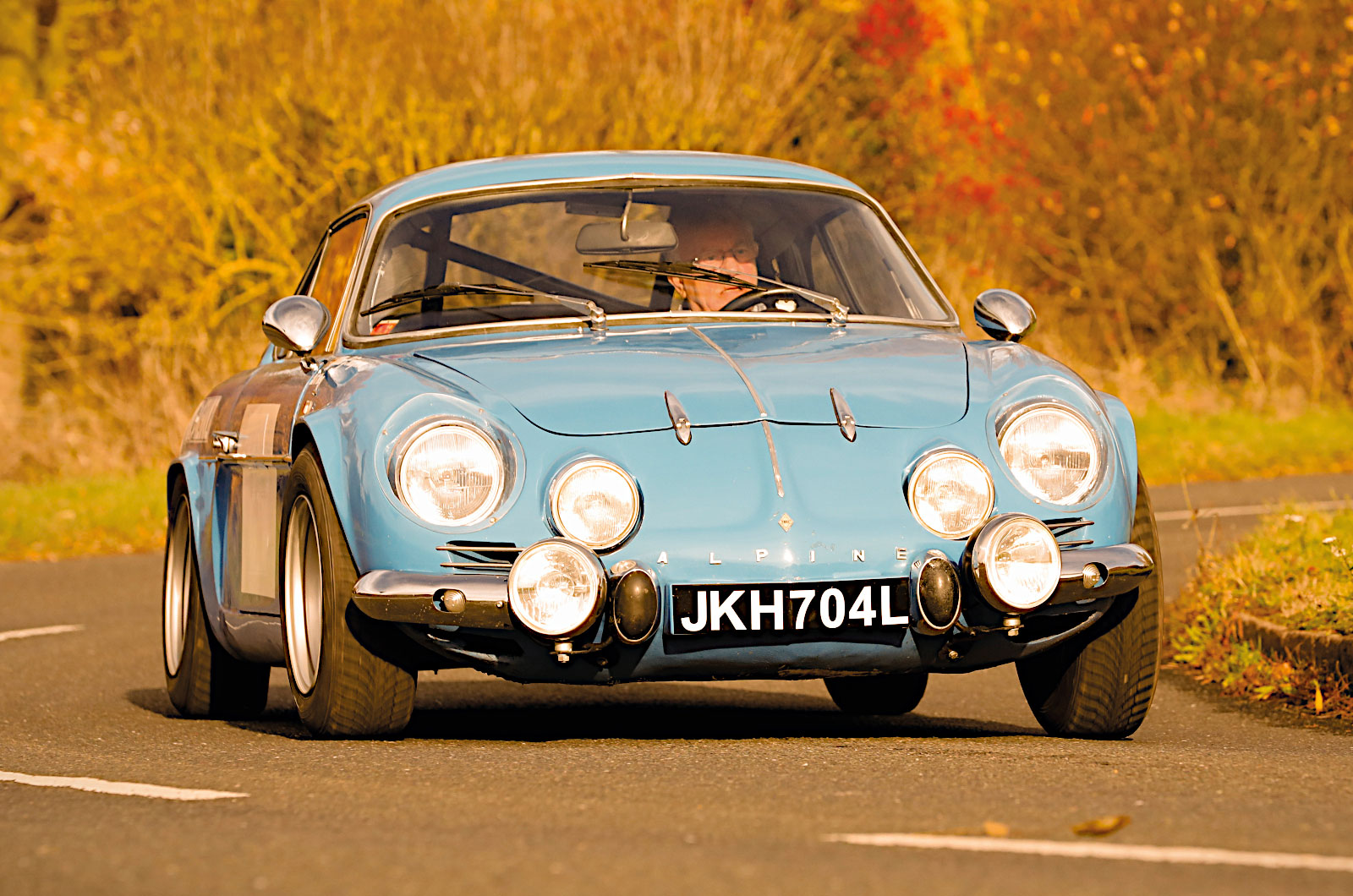
Alpine A110: Rallying Royalty Reimagined
The original Alpine A110, a lightweight and agile sports car, initially relied on Renault’s modest Cléon-Fonte engines. While these provided adequate performance for its intended purpose, a crucial upgrade arrived with the introduction of the larger Cléon-Alu engine, a unit that had debuted in the more pragmatic Renault 16. This seemingly unassuming engine swap, however, proved to be a masterstroke. It transformed the A110 into a dominant force in motorsport, culminating in its triumphant victory in the inaugural World Rally Championship in 1973. Alpine secured a staggering 147 points, leaving rivals Fiat and Ford far behind, a testament to the impact of this powertrain evolution.
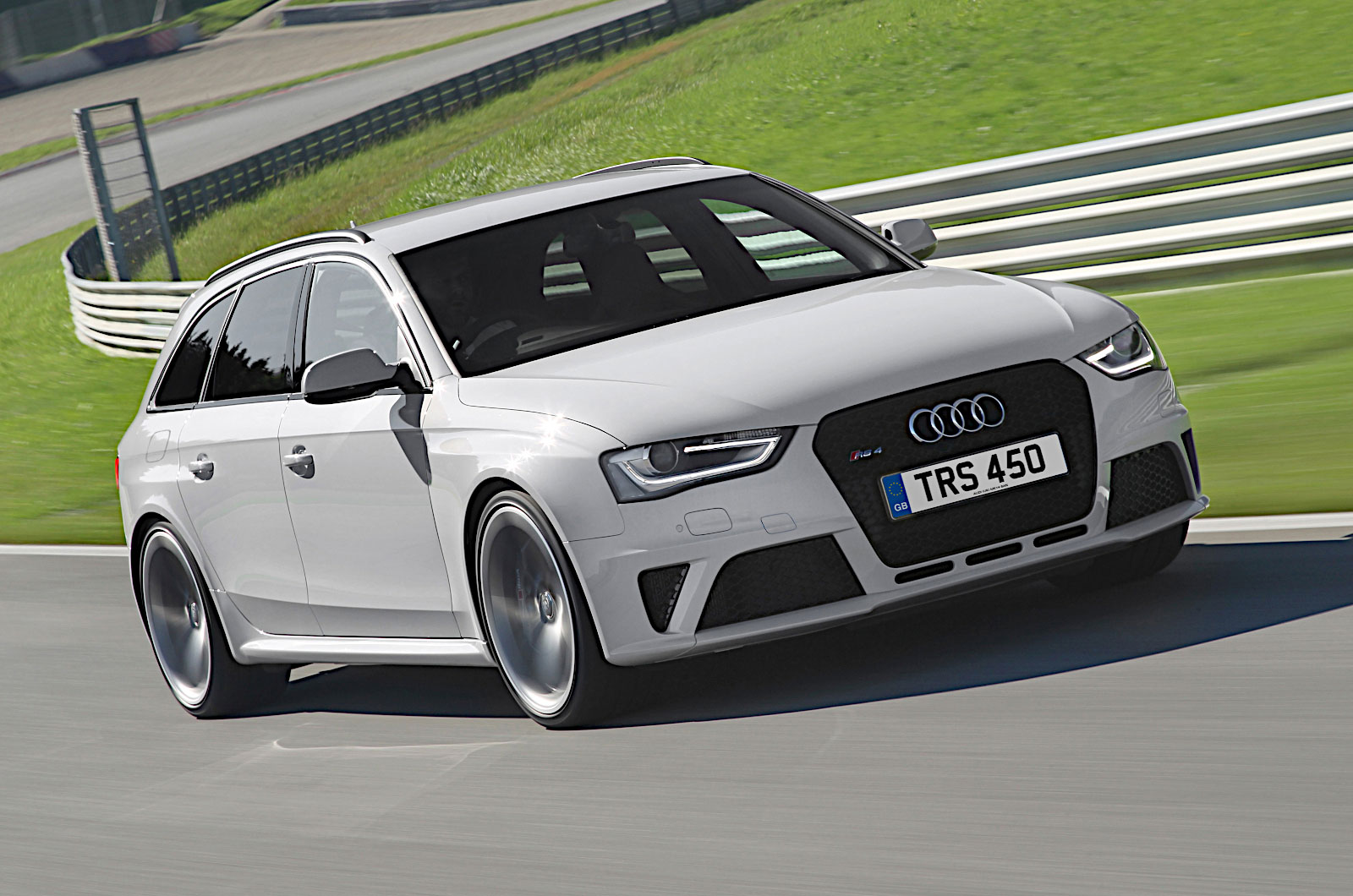
Audi A4: The Roar of the RS V8
Audi has a well-established reputation for enhancing its core models with high-performance "S" and even more potent "RS" variants. The A4 is a prime example of this strategy. While standard A4 models offer competent performance, the RS 4 derivatives consistently boasted exceptional engines. Arguably the most celebrated of these was the magnificent 4.2-litre V8, also found in the exotic Audi R8 supercar. This engine, producing over 400bhp, delivered a sound and performance far exceeding anything found in the regular A4 lineup, transforming it into a serious performance contender and a highly desirable proposition for driving enthusiasts.
Audi Q7: The Unconventional V12 Diesel Powerhouse
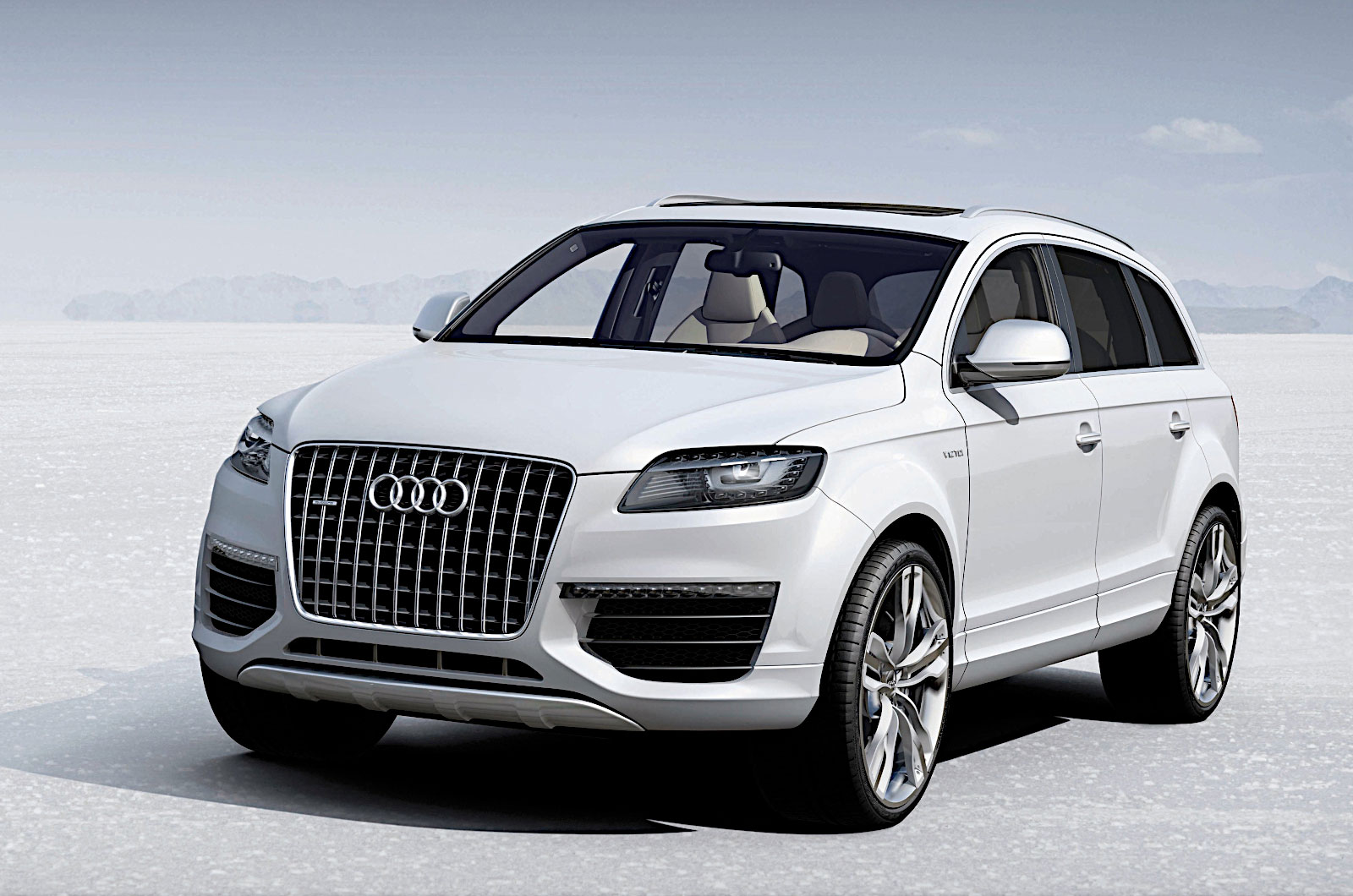
The Audi Q7, a large and imposing SUV, already possessed a commanding presence. However, Audi pushed the boundaries of expectation by equipping it with a colossal 5.9-litre V12 diesel engine. This powerplant, unique to this production car, churned out an astonishing 493bhp. The sheer force of this engine propelled the 2635kg Q7 from 0 to 62mph in a remarkable 5.5 seconds. While the vehicle’s brakes and suspension were uprated to cope with the immense power, the acceleration was both exhilarating and, for some, alarming. The 6.0 V12 TDI, as it was badged, came at a significant premium, costing nearly £100,000 in the UK and around £40,000 more than its closest Q7 sibling. Data indicates that only 21 of these V12-powered behemoths remain on British roads today, a testament to their exclusivity and unique place in automotive history.
BMW M3: The V8 Transformation
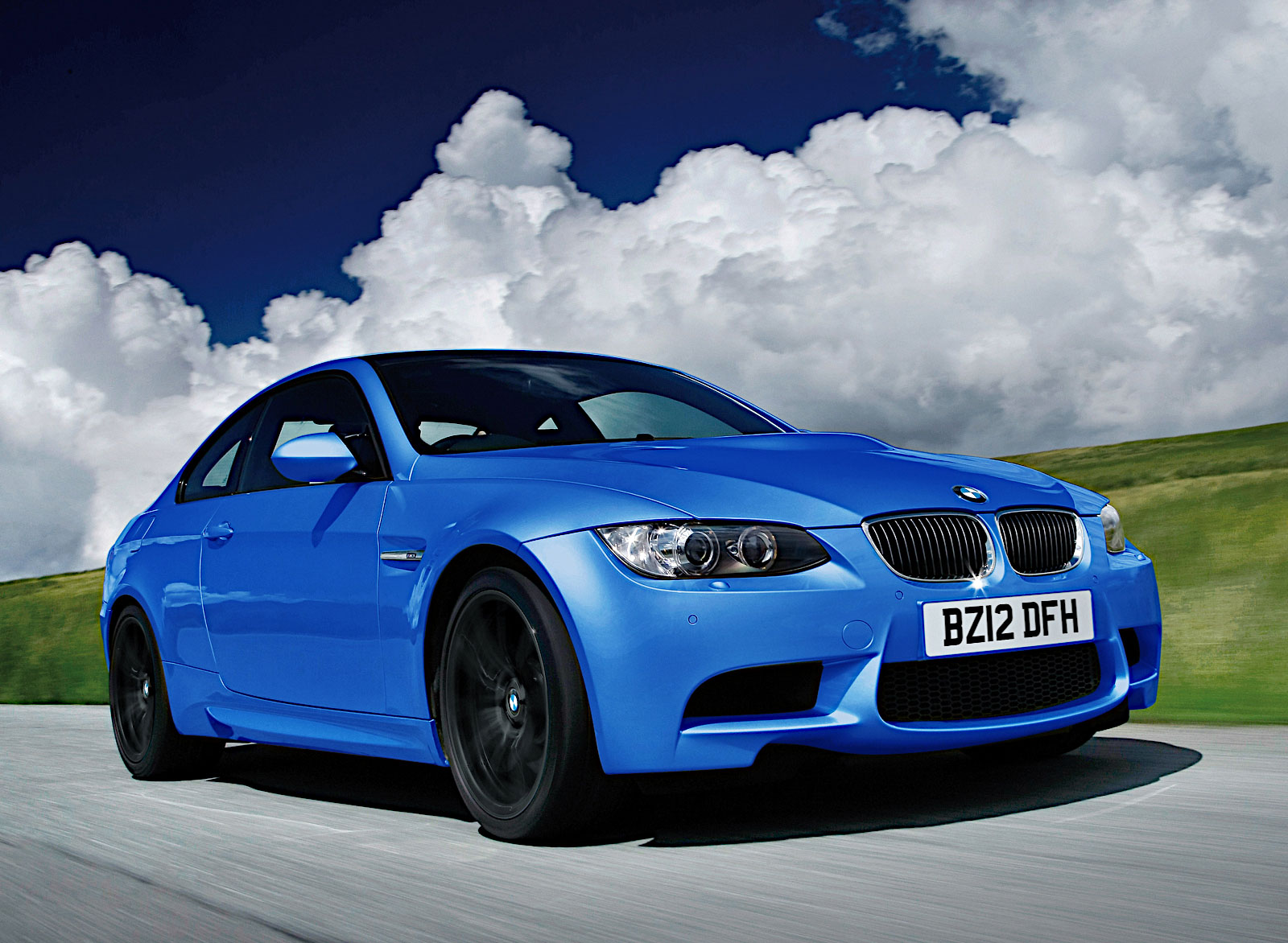
The BMW M3 has, by its very definition, always been a performance-enhanced version of the standard 3 Series. However, the generation produced between 2007 and 2013 marked a particularly significant powertrain evolution. This M3 was powered by the formidable 4.0-litre S65 V8 engine (with a 4.4-litre variant available in the GTS model). This multi-award-winning engine was the first to propel a standard M3 past the 400bhp mark. While a handful of earlier M3s had featured V8 engines, the S65 was the sole V8 employed across an entire generation, solidifying its impact on the M3’s performance pedigree.
Cadillac CT6-V: The Blackwing’s Brief, Brilliant Reign
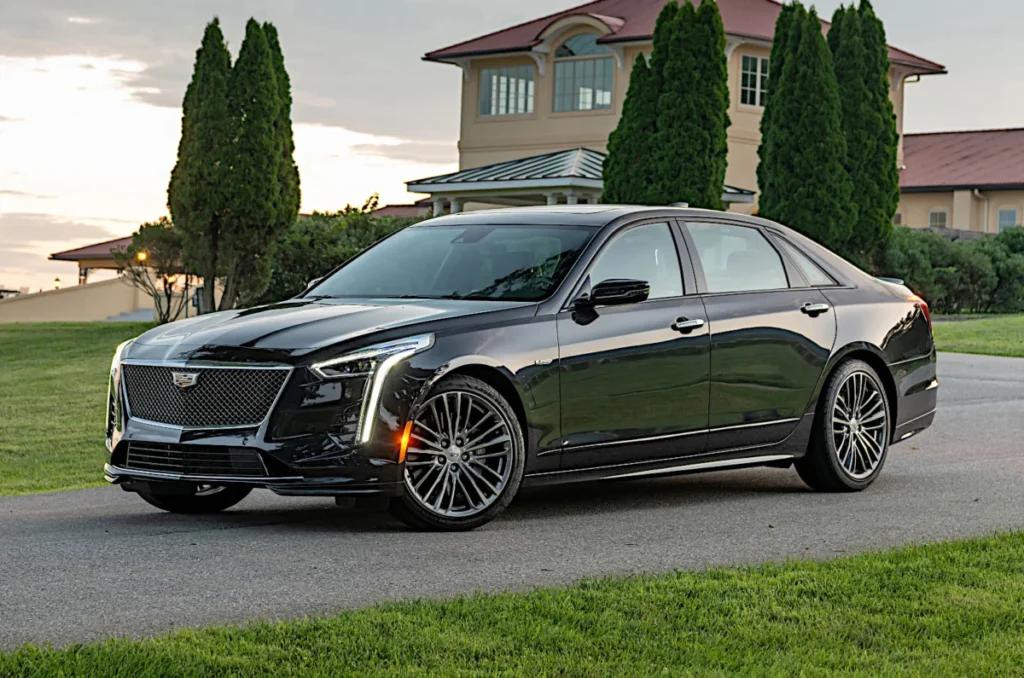
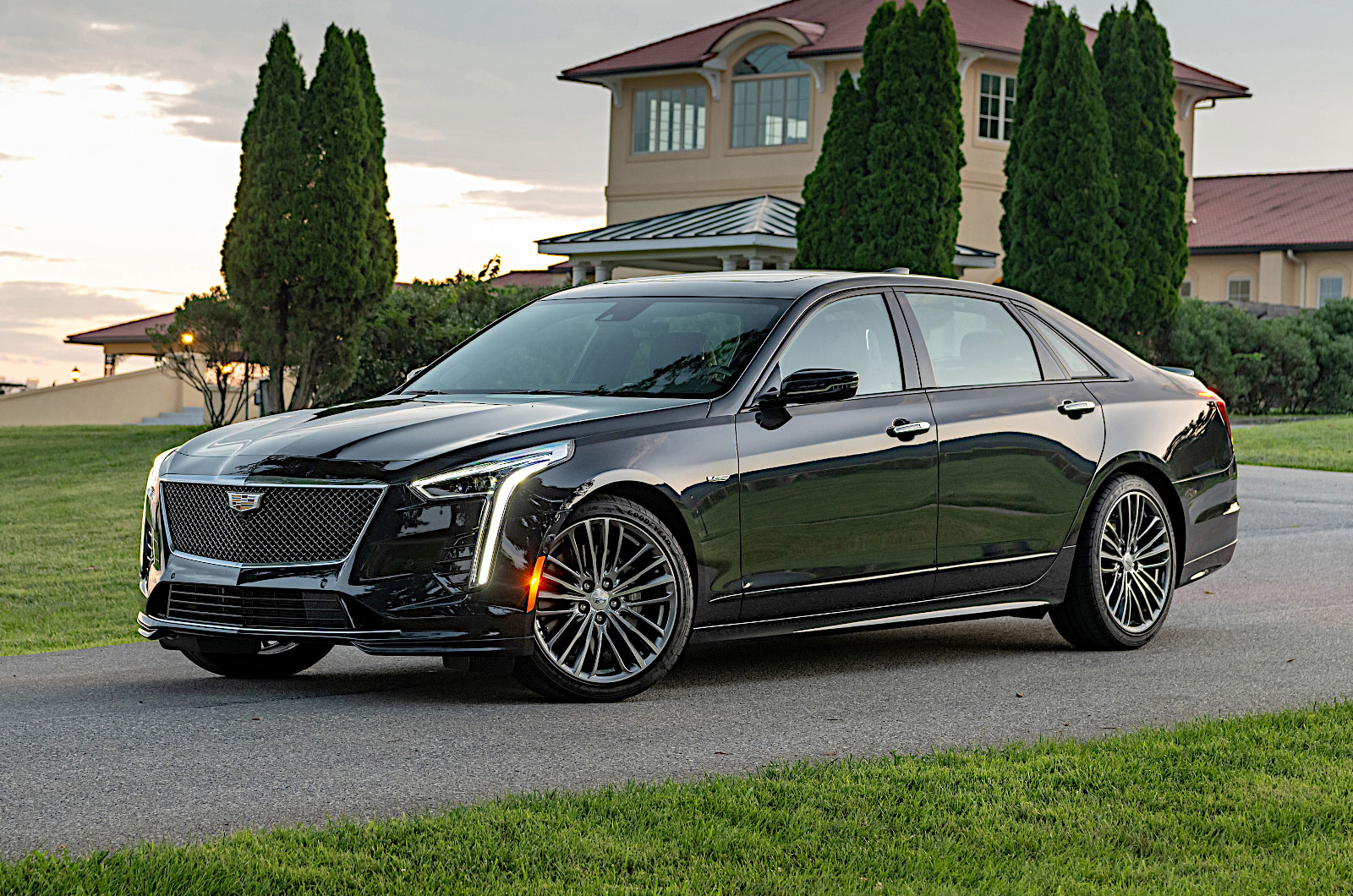
The Cadillac CT6, in its standard form, was a full-size luxury sedan. However, the CT6-V variant elevated the sedan to an entirely new performance level with its potent 550bhp 4.2-litre V8 engine, famously known as the "Blackwing." A slightly detuned 500bhp version was also available in the CT6 Platinum. These exceptional models were produced only for the 2019 model year, with the entire CT6 range being discontinued shortly thereafter due to a combination of sluggish sales and the retooling of the Detroit-Hamtramck plant for electric vehicle production. While the Blackwing name has since been applied to high-performance versions of the CT4 and CT5, these later models do not feature the original Blackwing V8 engine.
Chevrolet Corvette: From Six-Cylinder Struggle to V8 Triumph
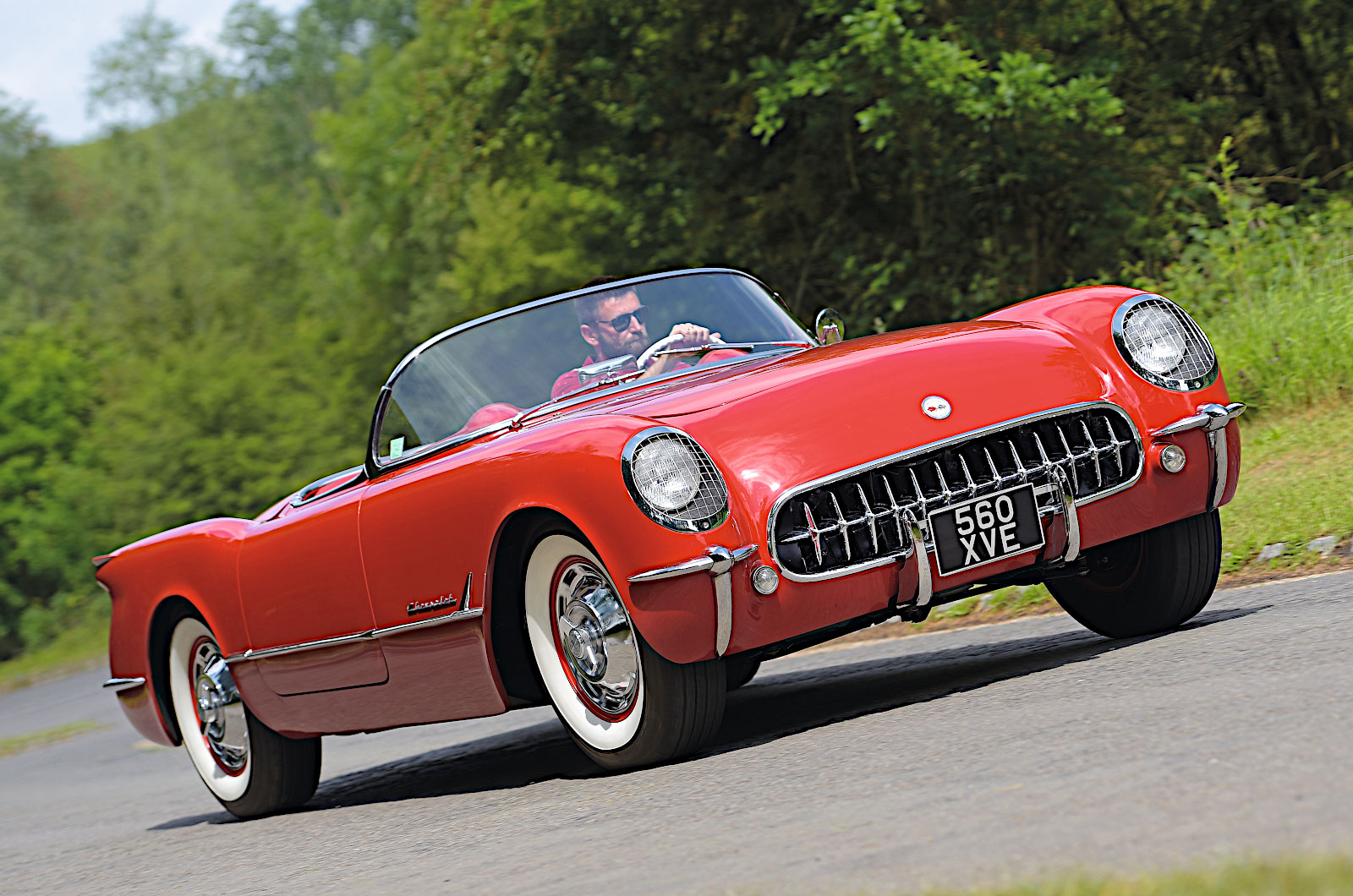
It’s almost astonishing to consider that the Chevrolet Corvette, now one of the most celebrated sports cars in history, initially struggled for sales when it debuted in 1953 with a humble straight-six engine. The turning point arrived two years later with the introduction of the new Chevy Small Block V8. Originally displacing 4.3 litres, this engine was later expanded to 4.6 and then 5.4 litres. This powertrain upgrade ignited public interest, leading to a dramatic surge in Corvette sales and ensuring the car’s survival. The V8 engine has remained a cornerstone of the Corvette’s identity for over six decades, a testament to its enduring appeal and effectiveness.
Dodge Challenger SRT Demon: The Pinnacle of Mopar Power
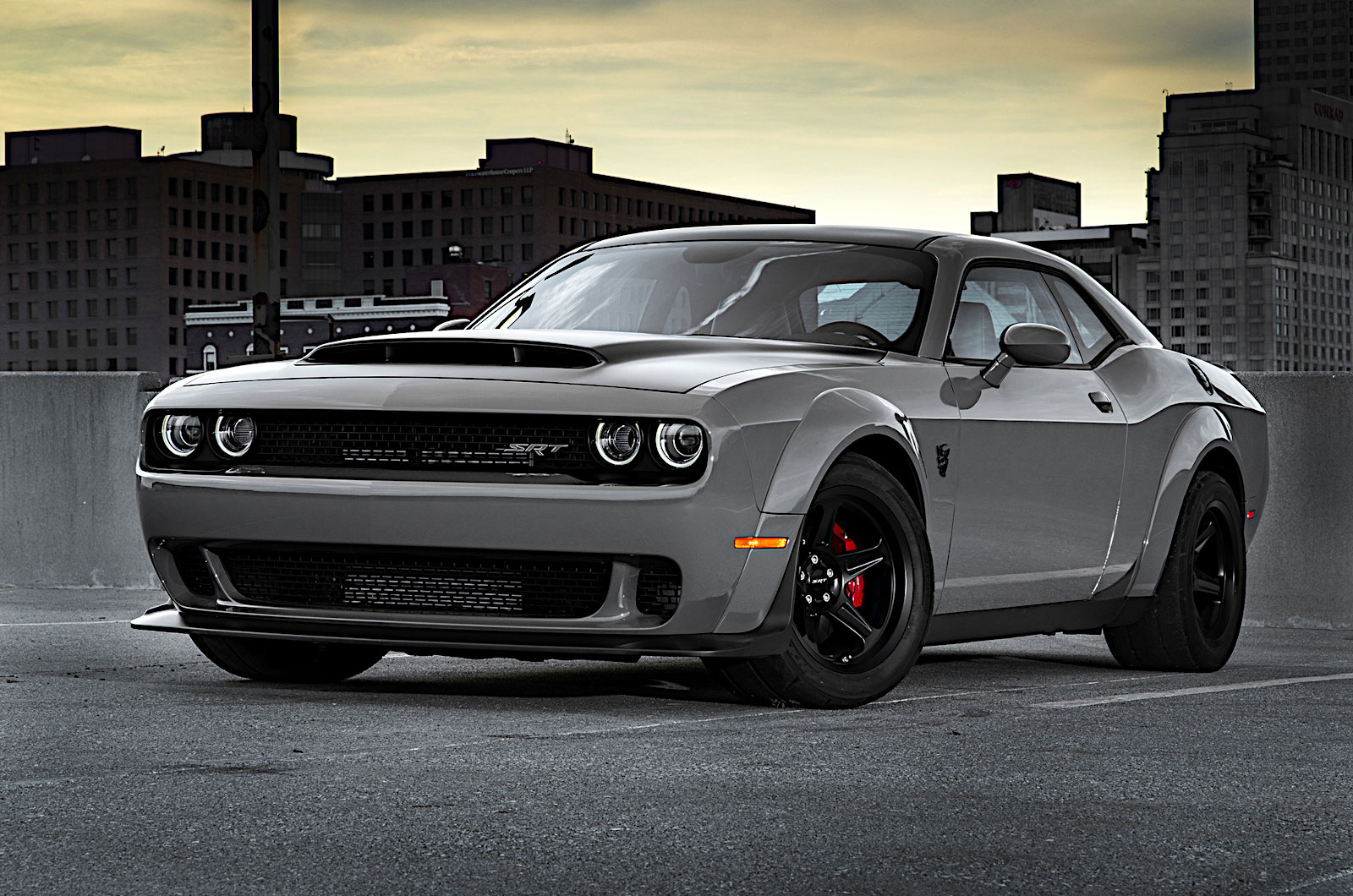
The current generation of the Dodge Challenger has offered a variety of potent variants over its lifespan. However, the 2018 SRT Demon stands out as an exceptional example of extreme performance. Its 6.2-litre supercharged V8 engine became the most powerful ever fitted to a road-legal Dodge, or indeed any Chrysler product. On standard 91-octane gasoline, it produced a staggering 808bhp. With the optional Demon Crate package and 100-octane racing fuel, this output soared to an astonishing 840bhp. While the current Challenger SRT Super Stock achieves similar horsepower figures, the Demon remains a benchmark for raw, unadulterated V8 power in a production car.
Fiat 500: The Quirky TwinAir Arrival
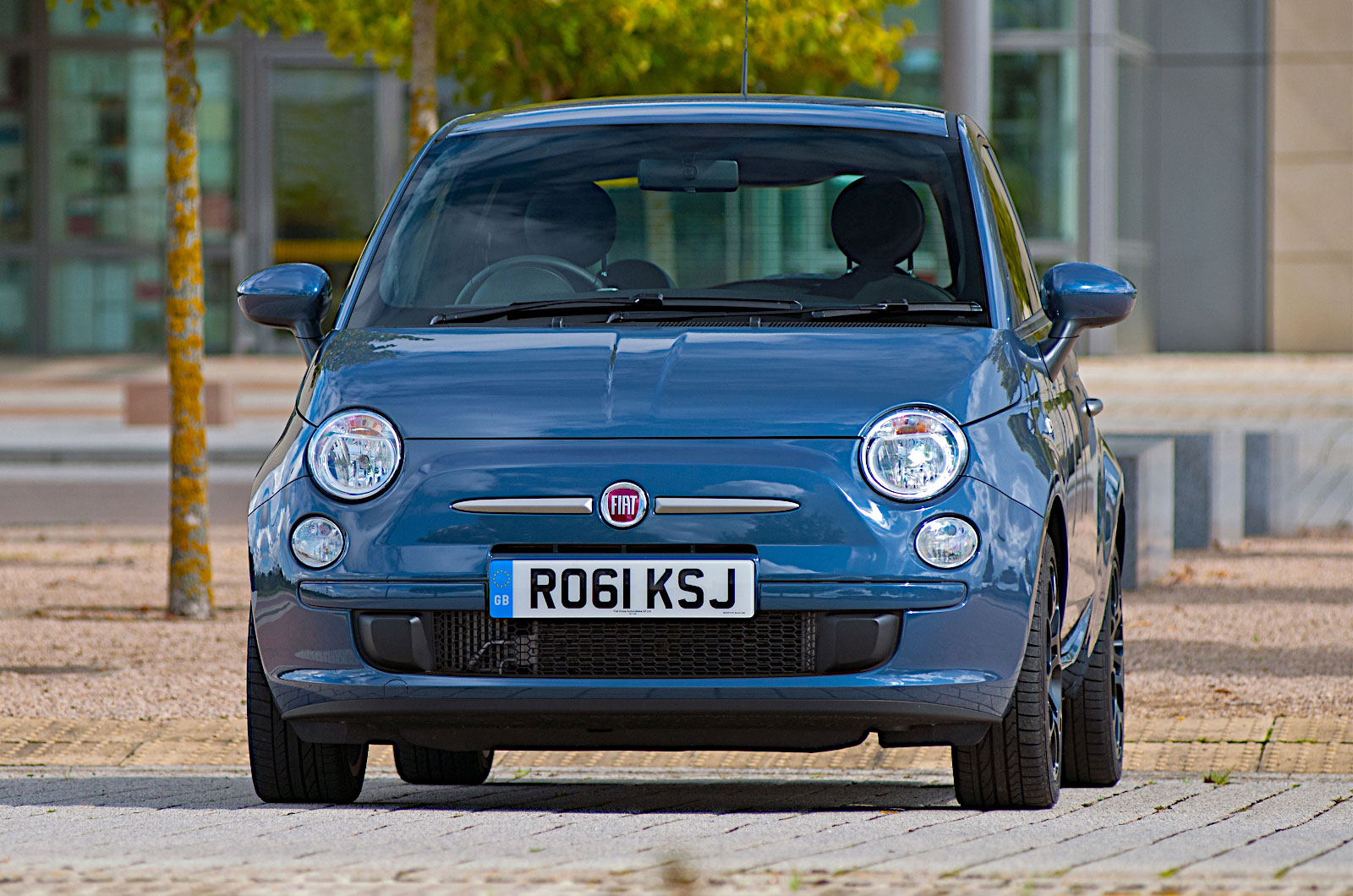
The original Fiat 500 was offered with a range of conventional four-cylinder petrol engines. However, three years after the modern 500’s launch in 2007, Fiat introduced the innovative two-cylinder TwinAir engine. This engine was designed from the ground up to utilize the company’s advanced MultiAir technology, which had previously been retrofitted to existing units. While achieving the official fuel consumption figures proved challenging, and initial vibration issues were addressed with a dual-mass flywheel, the TwinAir added a unique character to the already beloved 500. Its distinctive purr contributed to the car’s overall charm, making it a unique proposition in the small car segment.
Ford Cortina: The Lotus Cortina Revolution
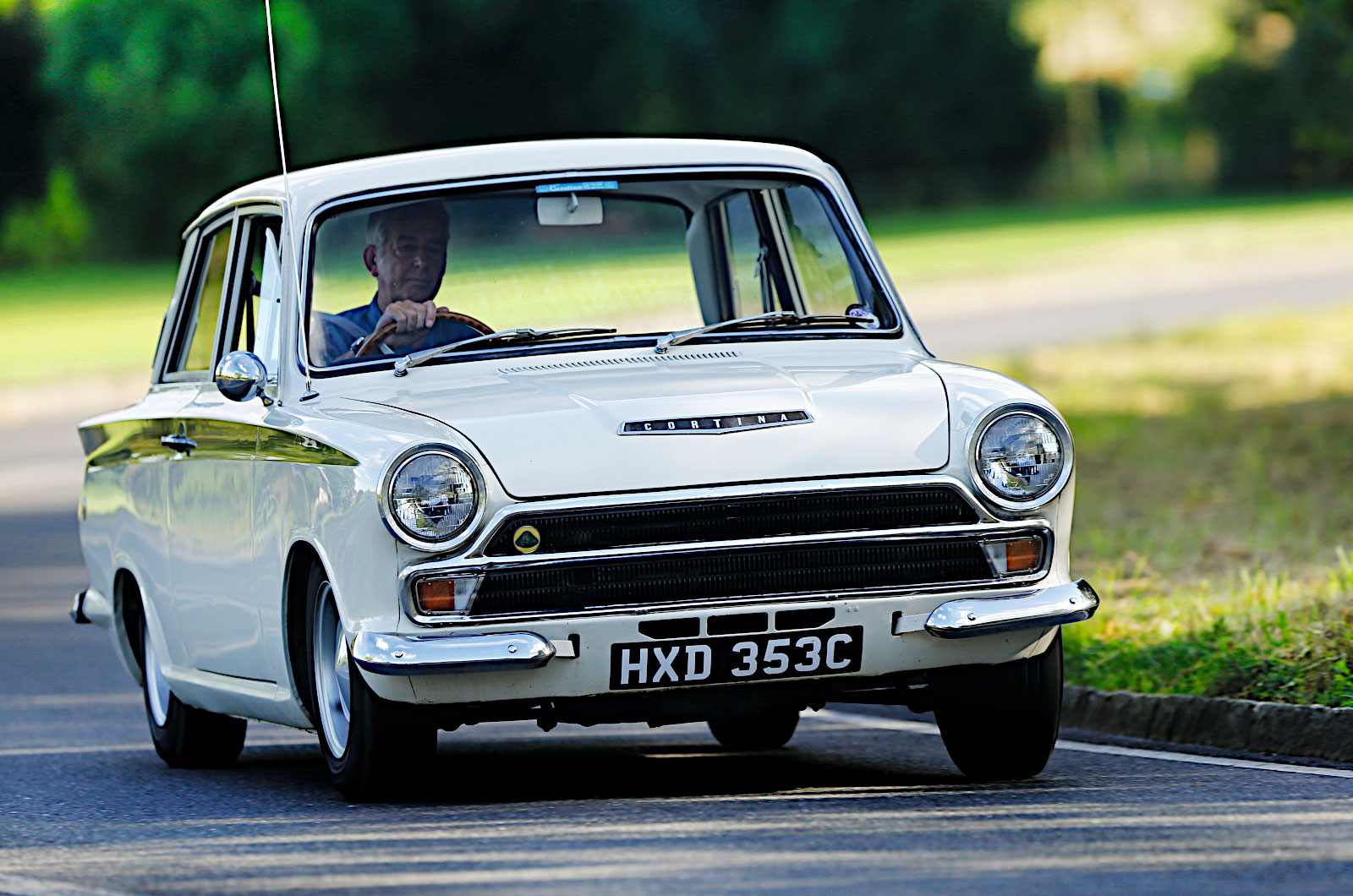
The first-generation Ford Cortina was primarily powered by modest 1.2-litre and 1.5-litre versions of the Ford Kent engine. However, in 1963, a year after its introduction, the Cortina underwent a seismic transformation with the arrival of the epoch-making Lotus Cortina. This potent variant featured a completely redesigned cylinder head, known as the Lotus Twin Cam, which had debuted in the Elan sports car. This upgrade pushed the Cortina’s power output beyond the 100bhp mark for the first time. Further enhancements led to significant success in racing and rallying, while also establishing the Cortina as the 1960s equivalent of a hot hatch.
Ford Escort: The Cosworth BDA Era
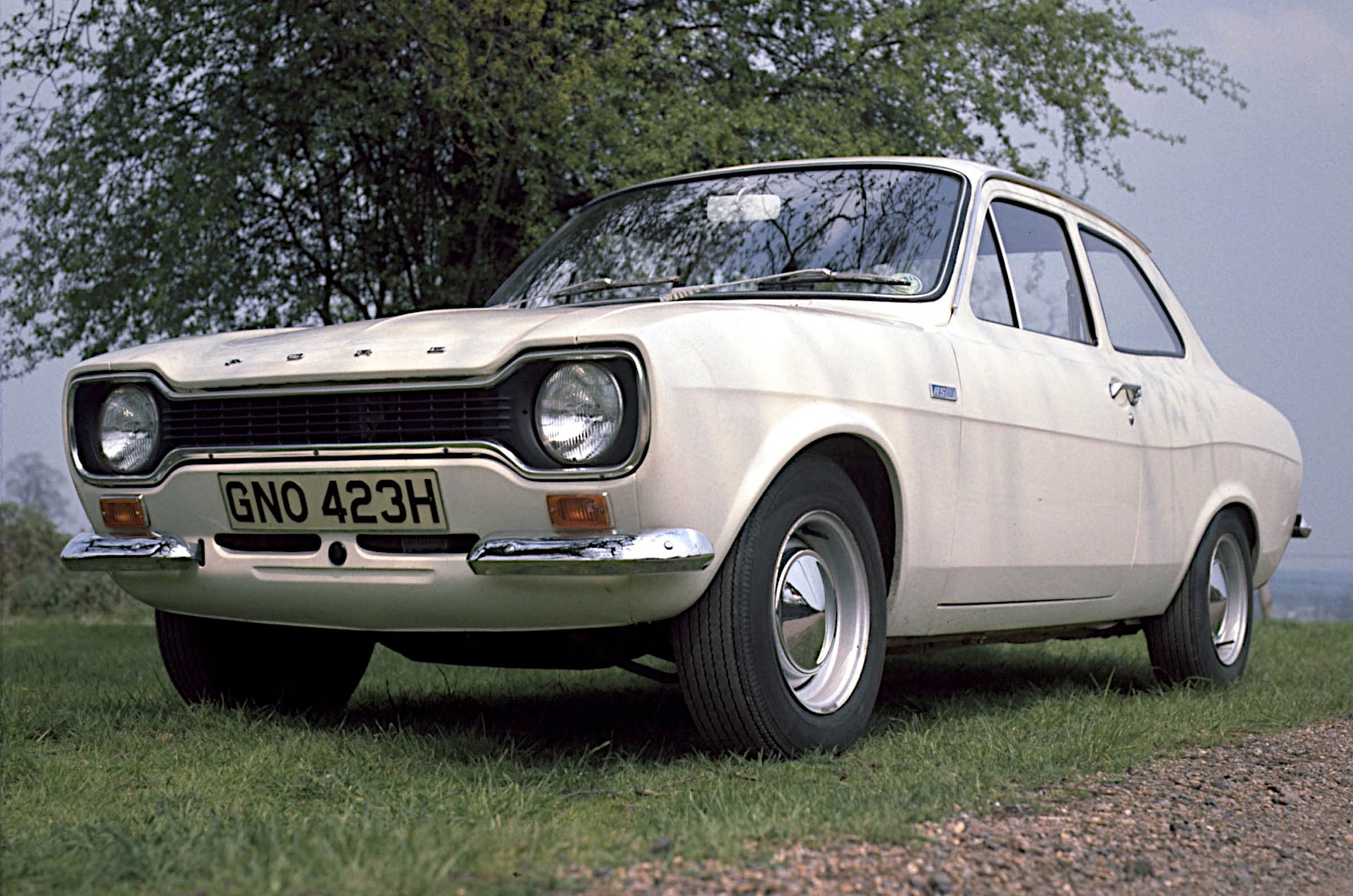
Building on the success of the Lotus Twin Cam, Ford further elevated the mainstream first-generation Escort with the introduction of the Cosworth BDA-powered RS1600 in 1970. While based on the familiar Kent engine, the BDA’s four-valve-per-cylinder design made it far more responsive to tuning. This resulted in the Mk1 Escort becoming a legendary rally car in the early to mid-1970s. The distinctive scream of a fully tuned RS1600 navigating a forest stage remains a deeply evocative sound for motorsport enthusiasts, a testament to the engineering prowess unleashed by this engine.
Ford Sierra: The Cosworth’s Turbocharged Fury
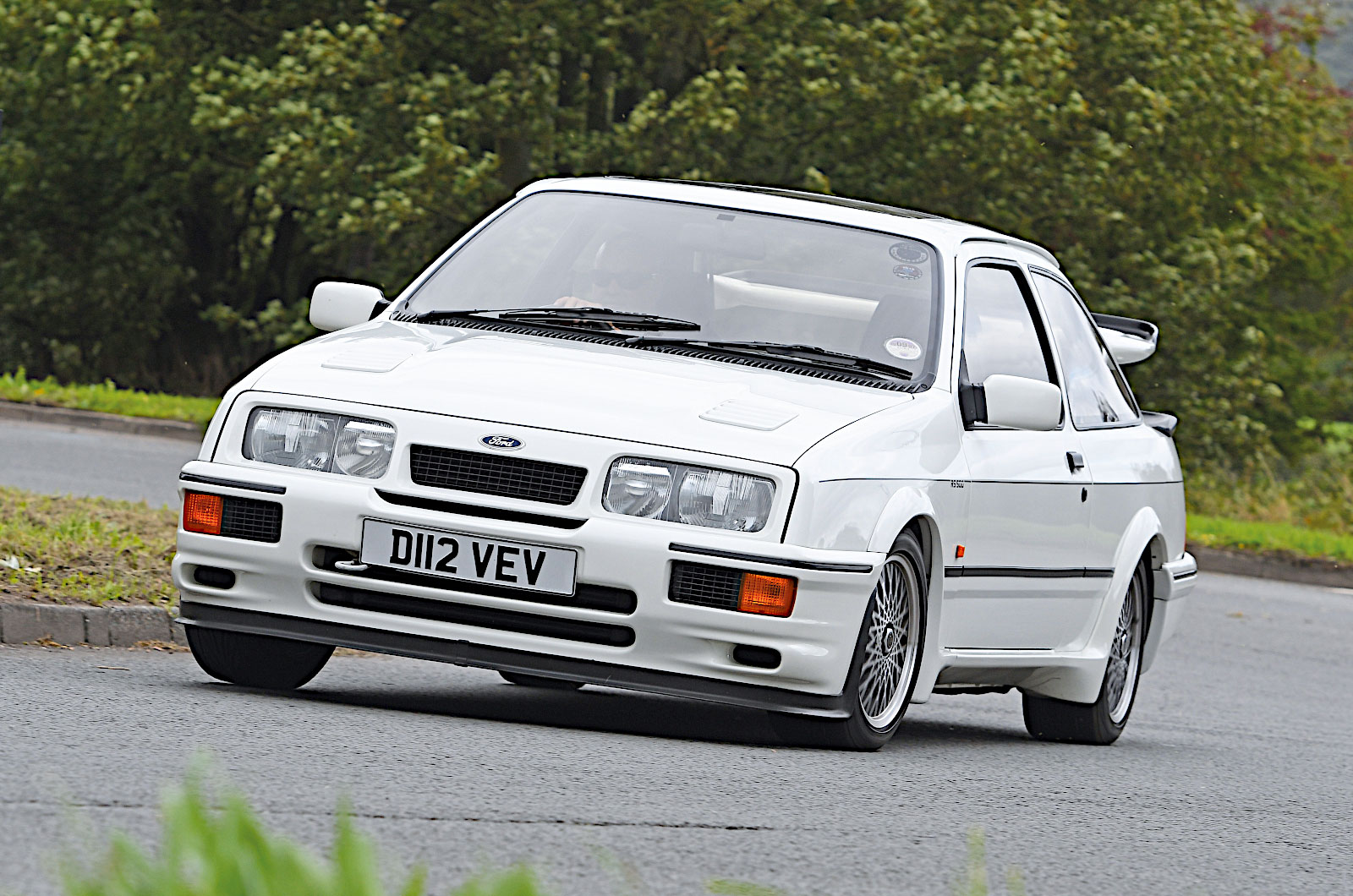
The Ford Sierra, a mid-sized European Ford bridging the gap between the Cortina and Mondeo, initially offered a range of competent engines, with a large V6 being the most potent option. However, the true game-changer arrived in 1986 with the Sierra RS Cosworth, powered by a 2.0-litre four-cylinder engine. While fundamentally based on the humble Pinto engine, the addition of a turbocharger and a 16-valve cylinder head dramatically altered its performance. Even in its least potent form, it produced over 200bhp, a figure no other Sierra could match. In competition guise, this engine was further developed to produce well over 600bhp, showcasing its immense potential.
Honda Civic Type R: The Turbocharged Evolution
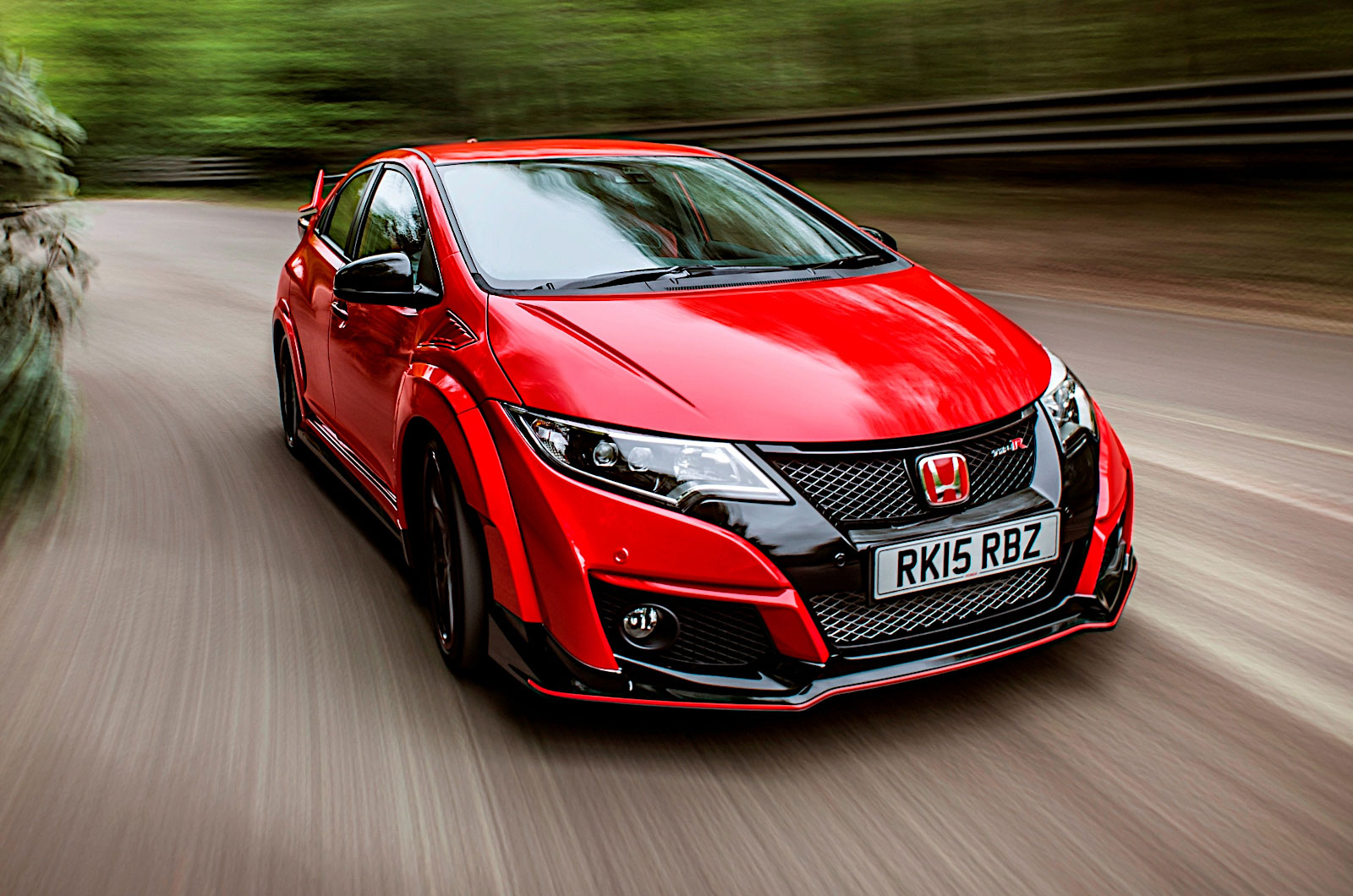
Honda has consistently produced high-performance Type R variants of its Civic since 1997. From 2001 onwards, these models were powered by a 2.0-litre engine renowned for its high-revving nature, often exceeding 8000rpm, and a characteristic surge of power as the VTEC system engaged. However, in 2015, Honda dramatically altered the Civic Type R’s character by introducing a turbocharger. While the engine’s redline was lowered to a more modest 7000rpm, the addition of forced induction provided a significant boost in mid-range torque and pushed the peak output to 306bhp, later increased to 316bhp. This shift transformed the Type R into a more accessible performance machine, though some enthusiasts lamented the loss of the naturally aspirated engine’s high-revving drama.
Lancia Thema 8.32: Ferrari’s Heartbeat in a Luxury Saloon
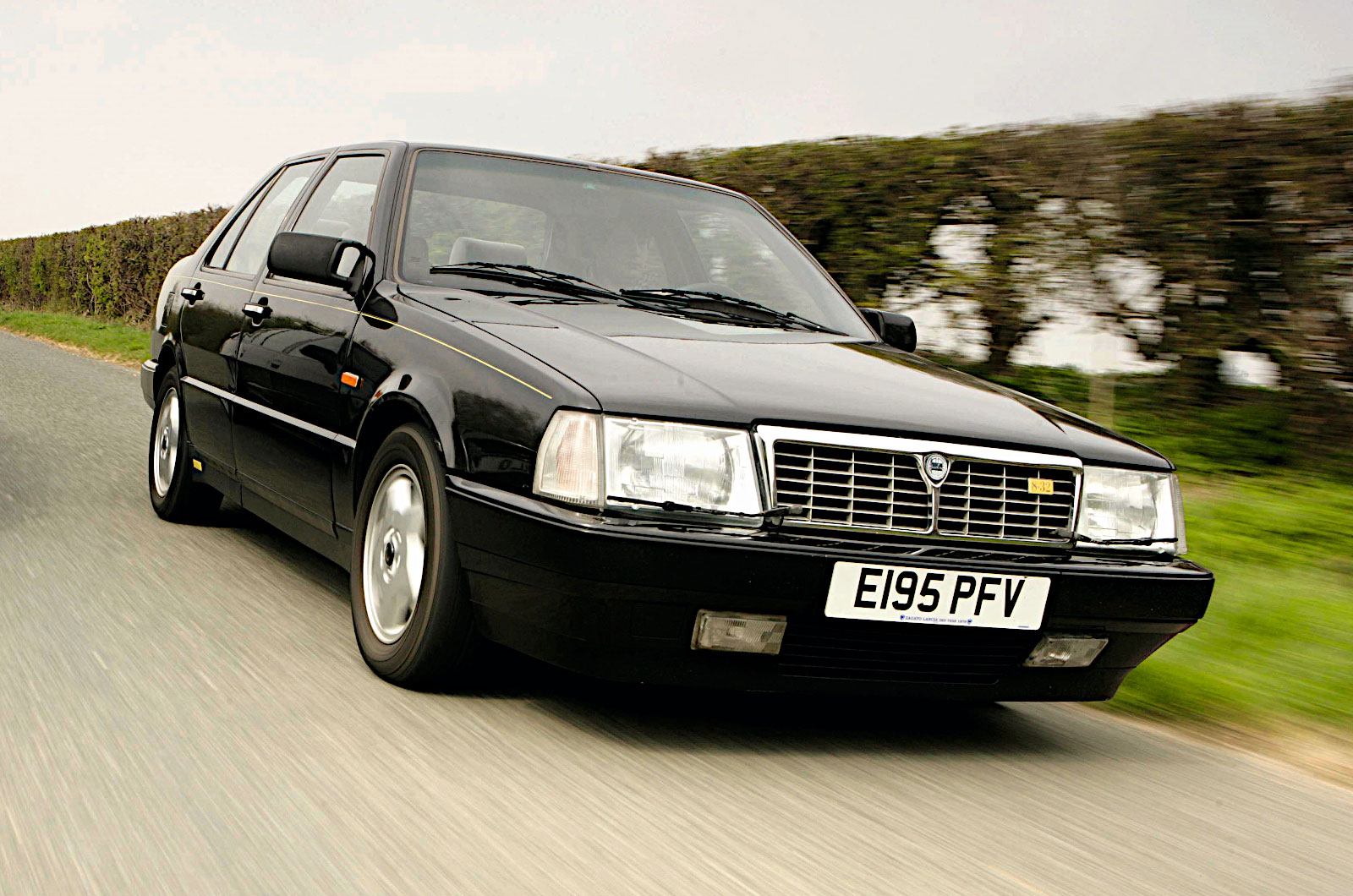
The Lancia Thema was a luxury saloon built on a shared platform with models like the Alfa Romeo 164, Fiat Croma, and Saab 9000. In 1986, two years after its launch, Lancia introduced the exceptional 8.32 variant. Its name derived from the number of cylinders and valves in its engine: a 2.9-litre V8. This powerplant, a derivative of the Ferrari Dino V8, produced 215bhp, a significant increase over the 3.0-litre Alfa Romeo V6 that previously held the top spot in the Thema range. This infusion of Ferrari DNA transformed the Thema into a sophisticated performance saloon, offering a blend of luxury and potent Italian engineering.
Lotus Europa: From Renault Roots to Twin Cam Power
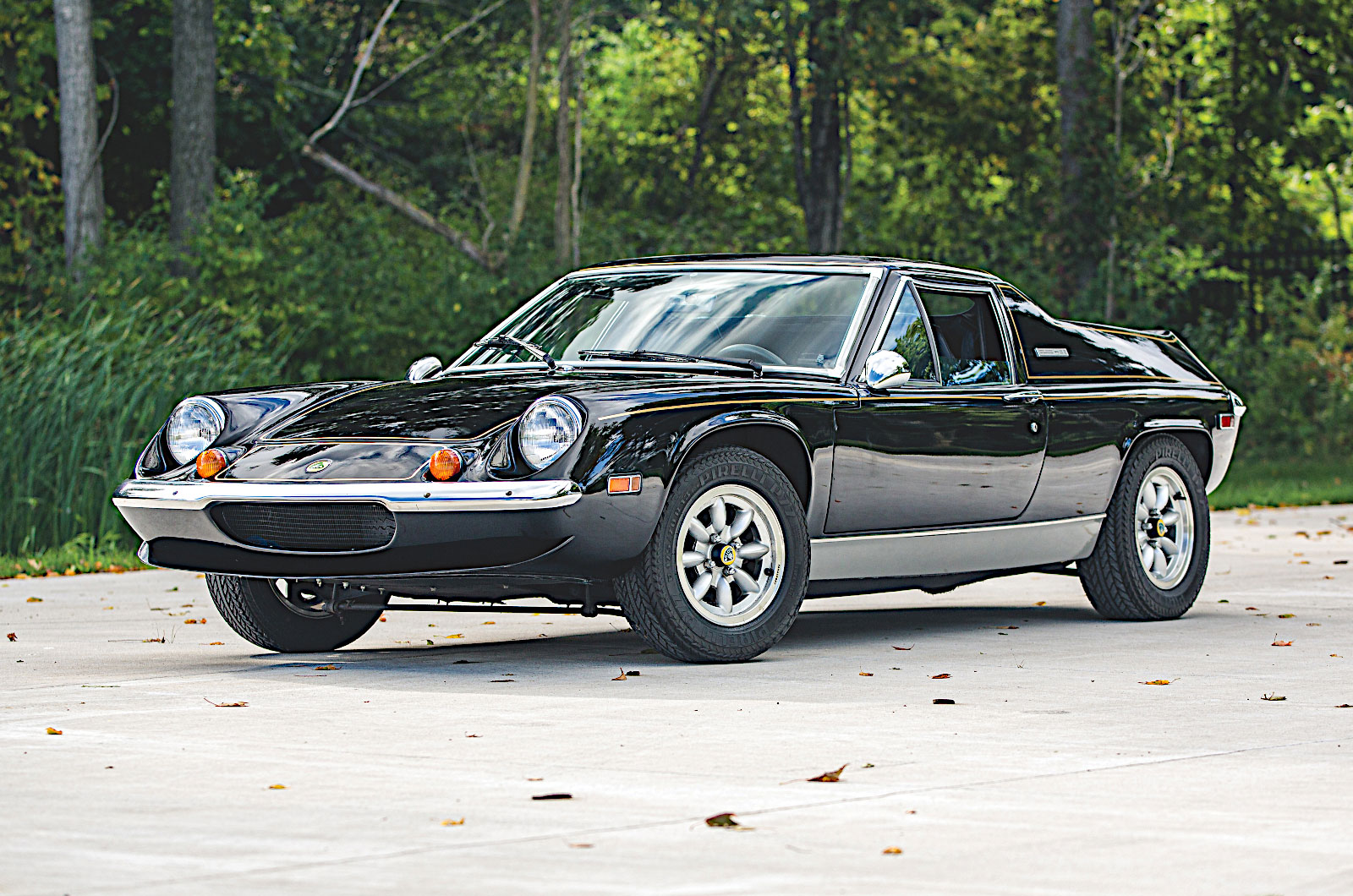
The Lotus Europa, launched in 1965, was an early pioneer of the mid-engined road-going sports car. Initially, it was powered by the Cléon-Alu engine from the Renault 16, sharing the same transaxle that was readily adaptable to the mid-engined layout, a feature not easily replicated by typical suppliers like Ford. Lotus later transitioned to its own Ford-based Twin Cam engine. This change saw a substantial increase in power outputs, rising from the initial 105bhp to 126bhp, significantly enhancing the Europa’s straight-line performance and solidifying its reputation as a capable sports car.
Mazda CX-7: The Diesel Dilemma Resolved
The Mazda CX-7 SUV initially faced challenges in the UK market with its powerful 256bhp 2.3-litre turbocharged petrol engine, shared with the Mazda3 MPS and Mazda6 MPS. This configuration was deemed by many, including Mazda’s British representatives, to be a poor fit for the target audience. In 2009, Mazda addressed this by replacing the petrol engine with a more fuel-efficient 2.5-litre diesel. While this resulted in a reduction in power output by 85bhp and an increase in price, it significantly lowered annual Vehicle Excise Duty and improved fuel economy by approximately 10mpg. This strategic engine change transformed the CX-7 from a niche, underperforming model into a more practical and appealing proposition for its intended customers.
Mercedes-Benz A-Class: The AMG Rocket Ship
The third-generation Mercedes-Benz A-Class was primarily offered with engines producing between 100bhp and 210bhp. However, one year after its launch, Mercedes introduced the A 45 AMG, a four-wheel-drive variant that fundamentally altered the car’s performance profile. The highest power output in the range surged by a remarkable 70% to 355bhp. Following a subsequent revision, this figure climbed further to 376bhp. Today’s fastest A-Class models feature a conceptually similar but more potent engine producing 416bhp, showcasing the AMG division’s ability to transform a compact hatchback into a formidable performance machine.
Mercedes-Benz R-Class: The Extravagant V8 Experiment
In a bold, albeit ultimately unsuccessful, move of "Mercedes’ every-engine-in-everything product planning," the R-Class, a large luxury MPV, became available with a 503bhp 6.2-litre V8 engine just a year after its debut. While the R-Class chassis could handle significant power, this particular engine choice proved to be an extravagant experiment. The R 63 AMG, as it was named, offered power far exceeding what was deemed necessary or desirable for the segment. Sales were minimal, and the model quickly disappeared from price lists, highlighting a rare instance where an engine upgrade did not translate into market success.
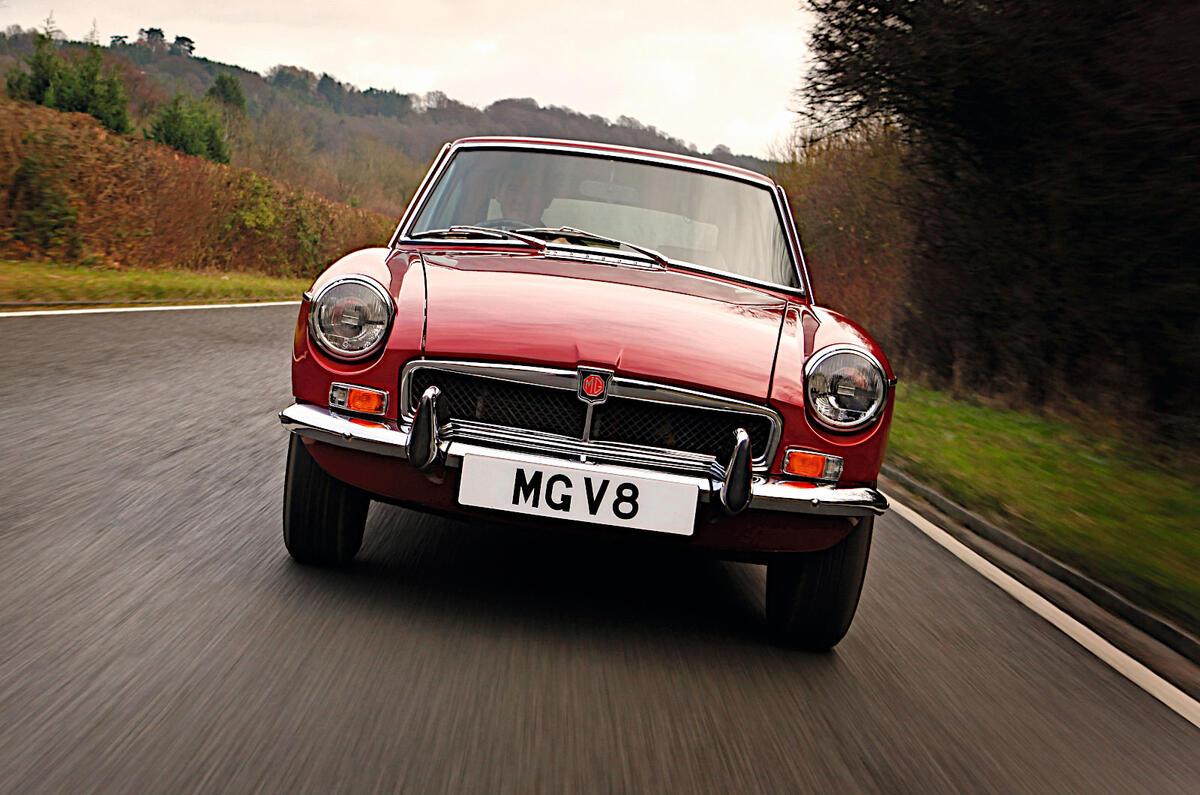
MGB GT V8: The V8 Heartbeat
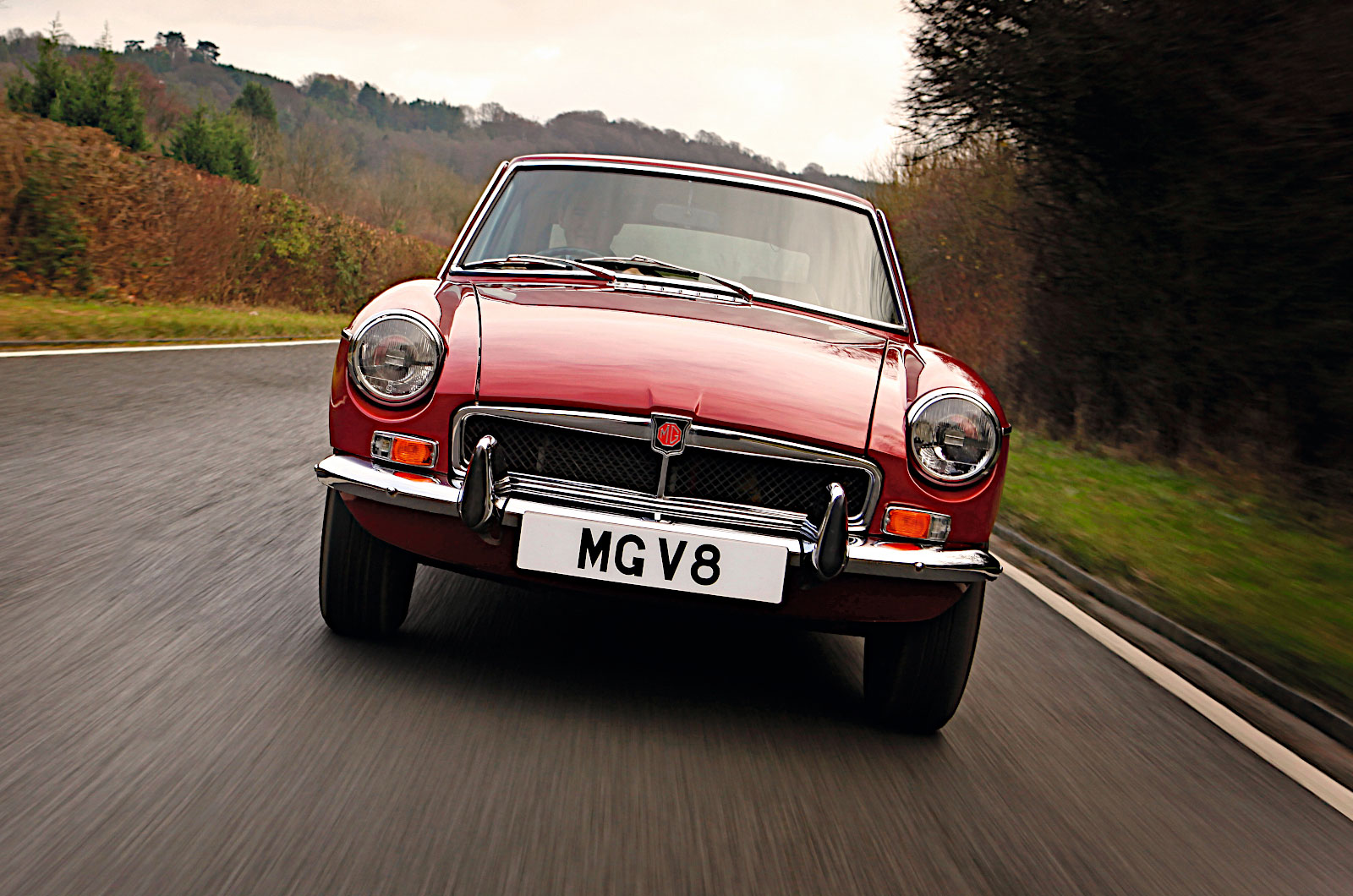
The MGB roadster, launched in 1962, and its coupe counterpart, the MGB GT, introduced three years later, were popular British sports cars. An initial attempt to create a high-performance variant, the MGC, fitted with a 2.9-litre straight-six, proved unsatisfactory and was short-lived. A second, far more successful, endeavor came in 1973 with the MGB GT V8. By fitting the 3.5-litre Buick-derived Rover V8 engine into the GT’s chassis, MG created a car that, by general consensus, was a significant improvement over its predecessor, offering a thrilling V8 driving experience.
Renault 6: The Pragmatic Powertrain Upgrade
The Renault 6, conceived as an upmarket alternative to the Renault 4, initially suffered from an underpowered engine. Launched in 1968 with an immediate post-war Billancourt engine, it lagged behind the availability of the larger and more potent Cléon-Fonte engine that had been in production for six years. In 1970, Renault rectified this by introducing the Cléon-Fonte engine into the Renault 6 range. While the car remained a sensible rather than overtly quick vehicle, this powertrain upgrade made it acceptably performant. As noted in a 1974 road test, this second attempt at engine selection proved to be the "sums exactly right" for the Renault 6.
Renault Clio Renaultsport: The Turbocharged Debate
For its initial iterations, Renault’s performance-focused Clio Renaultsport models were equipped with a high-revving, naturally aspirated 2.0-litre engine. This philosophy shifted dramatically in 2013 when Renault adopted a smaller, 1.6-litre turbo engine, co-developed with alliance partner Nissan, producing a comparable 197bhp. This change profoundly altered the Clio’s character. While the improved mid-range performance was lauded by some, critics felt that the "impish zip" of the previous naturally aspirated engine had been lost, sparking a debate about the merits of this turbocharged transformation.
Saab 96: The Four-Stroke Shift
Saab exclusively fitted two-stroke engines to its vehicles from the launch of the 92 in 1949 until well into the production run of the 96, the 92’s second successor. Eighteen years into the 96’s life, Saab made a significant switch to a four-stroke V4 engine developed by Ford of Germany. While not considered a world-beating engine, it offered more power than its predecessors and, crucially, eliminated the distinctive, often jarring, two-stroke sound and the accompanying blue smoke. This engine upgrade was vital for the 96’s longevity, enabling it to remain in production until 1980.
Sunbeam Tiger: Shelby’s British Cousin to the Cobra
The story of the Sunbeam Tiger bears a striking resemblance to that of the earlier AC Cobra, both of which were influenced by Carroll Shelby. Shelby believed the Sunbeam Alpine sports car’s potential could be unlocked with more power. Consequently, the Alpine was fitted with the Ford Windsor engine, initially 4.3 litres and later 4.7 litres, and christened the Tiger. Unlike the Cobra, however, the Tiger did not progress to a larger Ford V8, but its V8 heart cemented its place as a potent British sports car.
Vanden Plas Princess R: Rolls-Royce Power for a Luxury Saloon
Among the various models bearing the Vanden Plas Princess name, the large, Farina-designed saloon, which shared its platform with Austin and Wolseley counterparts, is of particular interest. While all these models were powered by a 2.9-litre straight-six engine, only the Princess received a significant performance upgrade. In 1964, it was rebranded as the Princess R and fitted with a 3.9-litre engine developed by Rolls-Royce. This powerplant dramatically increased the car’s output from approximately 120bhp to 175bhp, making it considerably quicker. While enhanced acceleration was a benefit, the focus was likely on more effortless high-speed cruising, aligning with the car’s luxurious nature.
Vauxhall Carlton: The Lotus Carlton’s Extreme Makeover
The Vauxhall Carlton GSi was already a refined car with excellent handling and a strong 3.0-litre 24-valve engine. However, it served as the foundation for the legendary Lotus Carlton, a car that became synonymous with extreme performance. Contrary to some online claims, every Lotus Carlton began its life as a standard GSi on the Opel production line in Rüsselsheim before being sent to Lotus in Hethel for a 150-hour conversion. This process involved increasing the 3.0-litre six-cylinder engine’s capacity to 3.6 litres and fitting twin Garrett turbochargers. This transformation boosted power from the original 204bhp to an astonishing 377bhp (on high-octane fuel), resulting in performance so potent that calls for its ban were heard.
Volkswagen Golf R: From V6 Handling Woes to Turbocharged Precision
The first two generations of the Volkswagen Golf R, known as the R32, featured 3.2-litre V6 engines. While these offered impressive power and a distinctive sound, the heavy engine, mounted predominantly ahead of the front axle, created significant handling challenges in the initial version. The subsequent model improved, but occasional troublesome behavior persisted, particularly over uneven surfaces. Volkswagen’s decision to switch to a turbocharged 2.0-litre four-cylinder engine for the next generation marked a pivotal moment. This new powerplant was not only more powerful but crucially lighter, completely resolving the handling issues and finally allowing the Golf R to fulfill its potential as a truly outstanding hot hatch.
Volkswagen Passat W8: The Enigmatic Eight-Cylinder Experiment
The 1997 Volkswagen Passat was generally considered a competent but unremarkable car, offered with a range of straightforward engines. However, one notable exception was the 4.0-litre W8. This unique engine, essentially two 2.0-litre V4 engines sharing a common crankcase, was the only engine of its kind ever fitted to a production car. Available from 2001, it produced 271bhp, making it over 80bhp more powerful than the next best engine in the Passat lineup. Despite its impressive specifications, the W8 Passat sold poorly, and the project was soon abandoned, perhaps as Volkswagen had anticipated.
Volkswagen Touareg W12: The SUV’s Unbridled Power
In another instance of extravagant engine policy, Volkswagen introduced a 6.0-litre W12 engine to the Touareg SUV just two years after its launch. This engine, while rare, was also utilized in other prestigious Volkswagen Group vehicles, including the Audi A8, Bentley Continental, and VW Phaeton. The W12 engine significantly outperformed all other Touareg powertrains, delivering a maximum output of 444bhp. Initially, Volkswagen planned to build only 500 examples of this particular Touareg variant. However, its surprising popularity led to continued production, demonstrating a demand for such extreme performance in an SUV.
Morris Minor: The BMC A-Series Upgrade
The Morris Minor, launched in 1948, was initially equipped with a 918cc engine based on a two-decade-old Wolseley design. It was unlikely that this unit would remain relevant throughout the Minor’s production life, which extended to 1971. The crucial change occurred early in the car’s career. In 1952, Morris merged with its former rival Austin to form the British Motor Corporation (BMC). This consolidation granted Morris access to the new BMC A-Series engine, which had just debuted in the Austin A30. Despite being smaller at 803cc, the A-Series offered comparable power to its predecessor and, importantly, possessed far greater development potential. By the end of the Minor’s production, the engine had been enlarged to 1098cc, demonstrating its enduring versatility.
Talbot Sunbeam Lotus: The Rallying Spectacle
Most Talbot Sunbeam models were powered by 1.3-litre or 1.6-litre engines derived from the Hillman Avenger, or a 928cc unit from the Hillman Imp. However, the standout variant was the 2.2-litre 16-valve Lotus engine, a powerplant also found in the Jensen-Healey sports car and various Lotus models. With an output of 150bhp, the Sunbeam Lotus was a formidable road car, but its primary purpose was to generate publicity through motorsport. This strategy proved highly successful, as the Sunbeam Lotus achieved enough competitiveness to secure Talbot the Manufacturers’ title in the 1981 World Rally Championship, just before the advent of four-wheel-drive cars revolutionized the sport.
Vauxhall Chevette HS: Rallying Pedigree for a Small Hatchback
The Vauxhall Chevette, initially a small hatchback (with saloon and estate variants also offered), was based on the Opel Kadett. Nearly all versions were equipped with a 1256cc engine. However, mirroring Talbot’s strategy with the Sunbeam, Vauxhall sought to enhance its brand image through motorsport by developing a more powerful version of the Chevette. The original engine was unsuitable for this purpose, so Vauxhall fitted its 2.3-litre Slant-4 engine with a 16-valve cylinder head to create the Chevette HS. Early rally cars utilized a similar Lotus-developed head, which was soon banned. The mechanical setup was later employed in the HSR variant, distinguished by its fibreglass body panels and wide wings, which gave the car a dramatic and aggressive stance.