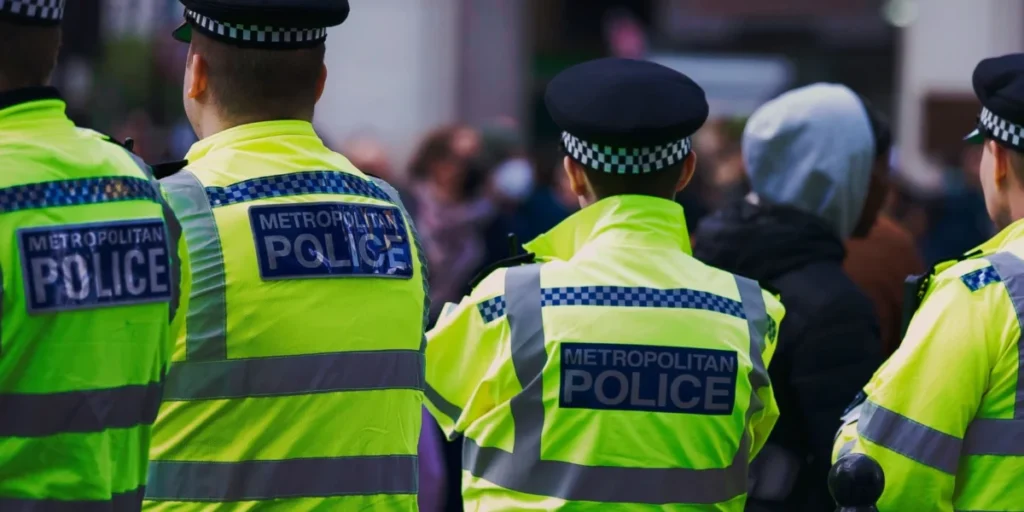
London’s Metropolitan Police have already confiscated more illegal e-bikes and e-scooters in 2026 than during the entirety of last year, as authorities continue an aggressive enforcement campaign targeting illegally modified micromobility vehicles. This significant surge in seizures underscores a heightened focus on road safety and crime reduction, with police deploying advanced tactics to identify and remove these unauthorized devices from public spaces. The operation is not only aimed at curbing the use of these vehicles in criminal activities but also at ensuring compliance with existing regulations designed to protect all road users.
The intensified enforcement efforts, as reported by the BBC, have seen officers seize over 2,500 illegal e-bikes and e-scooters in the first half of 2026 alone. This figure surpasses the 2,241 vehicles confiscated throughout the entirety of 2025, marking a substantial increase in operational tempo and effectiveness. The primary objectives of this campaign are multifaceted: to enhance road safety by removing vehicles that pose a significant risk due to their illegal modifications, and to disrupt criminal networks that frequently utilize these powerful, often untraceable, two-wheelers for offenses such as phone thefts and robberies.
Regulatory Landscape and Enforcement Challenges
In the United Kingdom, the regulatory framework governing e-bikes and e-scooters is distinct and often misunderstood. Privately owned e-scooters, which have become a common sight in many global cities, remain illegal to operate on public roads in the UK. The legal status is restricted to specific, government-authorized trial areas for rental e-scooters. For e-bikes, the regulations are more permissive but strictly defined. Legally compliant e-bikes must adhere to specific technical requirements, most notably that their motor assistance is capped at 15.5 mph (25 km/h). Exceeding this limit, or having a motor that can propel the rider without pedaling at higher speeds, renders the e-bike illegal for use on public thoroughfares.

The challenge for law enforcement lies in accurately and efficiently determining whether an e-bike has been illegally modified. Many e-bikes are purchased with the intent of being used within legal parameters, but a significant number are subsequently tampered with to achieve higher speeds or greater power, often by altering the motor controller or battery output. This is where innovative enforcement techniques have become crucial.
Technological Advancements in Enforcement
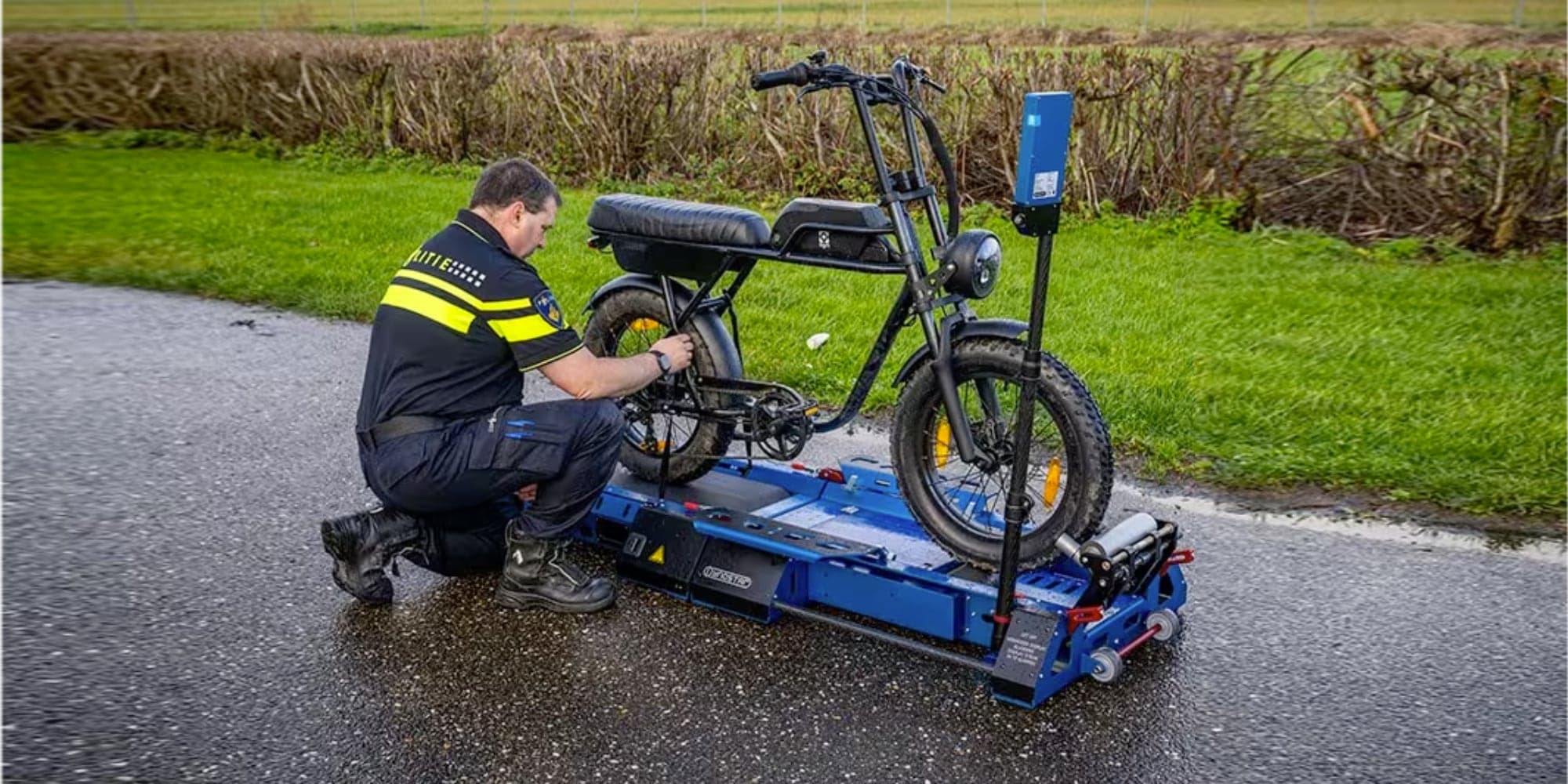
The Metropolitan Police have significantly increased their reliance on portable roadside dynamometers, colloquially known as "rolling roads." These devices, a technology pioneered and widely adopted in countries like the Netherlands, allow officers to test the power output and speed capabilities of e-bikes directly on the street. The rolling road measures the torque and rotational speed of the motor, enabling a rapid assessment of whether the vehicle conforms to legal standards. This method provides objective, measurable data that can be used as evidence in enforcement actions.
The Met is among a select group of police forces in the UK that have invested in and deployed this cutting-edge portable testing equipment. This strategic investment reflects a proactive approach to tackling the growing problem of illegally modified e-vehicles. The availability of such technology allows for more targeted and effective interventions, moving beyond visual inspections to concrete, data-driven assessments.
Identifying Suspicious Vehicles
Police officers are trained to identify common indicators that suggest an e-bike or e-scooter may have been illegally modified. These visual cues often prompt a more thorough inspection and potential testing. Among the most prevalent signs are:

- Unusually High Speeds: Riders observed traveling significantly faster than what is typical for a legal e-bike or in a manner that suggests the vehicle is capable of such speeds.
- Oversized Battery Packs: Modifications to the battery system, often involving larger or multiple battery packs, are frequently employed to increase power output and range, but also indicate a potential breach of regulations.
- Throttles Capable of Independent Propulsion: The presence of throttles that can accelerate the bike to speed without the need for pedaling is a clear indication of a non-compliant system, particularly if the speed achievable exceeds legal limits.
These observable characteristics serve as a crucial first step in the enforcement process, allowing officers to prioritize their efforts and focus on vehicles that are most likely to be operating illegally.
Impactful Enforcement Operations
The Metropolitan Police have been conducting targeted enforcement operations across London with increasing frequency and success. One notable operation, carried out near Tottenham Court Road Station, resulted in the seizure of an impressive 29 e-bikes and seven e-scooters in a single day. This operation was the seventh of its kind conducted by the Met in 2026, with an additional five planned throughout the summer months. These strategically located operations aim to disrupt the use of illegal vehicles in busy urban areas, where they are often employed for criminal purposes.
The consistency and intensity of these operations suggest a sustained commitment to addressing the issue. By regularly deploying resources to key locations and employing effective testing methods, the police aim to create a deterrent effect and make it more difficult for criminals to operate with impunity.
Analyzing the Broader Impact on Crime Reduction
The crackdown on illegal e-bikes and e-scooters is not solely about traffic regulation; it is intrinsically linked to broader crime reduction strategies. Police believe that this focused enforcement is directly contributing to a noticeable decrease in certain types of crime across the capital. Data released by the Metropolitan Police indicates that neighborhood offenses in London have seen a 14% reduction over the past year. More specifically, there has been an 11% decline in general robberies and a significant 23% reduction in theft from the person, a category of crime often associated with the rapid, covert approach enabled by powerful e-bikes and e-scooters used by offenders.
This correlation between the increased seizures of illegal vehicles and the reported decrease in street crime suggests that the police strategy is having a tangible positive impact. By removing the tools of trade for some criminals, the Met is making London a safer place for its residents and visitors.
Official Statements and Future Outlook
Commander Neerav Patel, who spearheads the Metropolitan Police’s e-bike enforcement initiatives, emphasized the dual nature of their mission in a statement to the BBC. He acknowledged that a vast number of individuals utilize e-bikes for legitimate commuting and leisure purposes, and that the police recognize their value. However, the focus of the enforcement efforts remains firmly on those who exploit illegally modified machines for criminal and anti-social behavior.
Commander Patel specifically highlighted the connection between these vehicles and phone snatching incidents, a prevalent issue in urban areas. He stated, "While many people use e-bikes legitimately, our focus remains on those who are using illegally modified machines to commit crimes and cause anti-social behaviour, particularly in connection with phone snatching incidents." This clear articulation of priorities reassures the public that the police are not targeting all e-bike users but rather those who pose a threat to public safety and order.
The ongoing strategy involves a combination of increased patrols, intelligence-led operations, and the effective deployment of technological aids like the portable dynamometers. The success seen in the first half of 2026 suggests that this comprehensive approach is proving effective. The continued planned operations throughout the summer indicate that the Metropolitan Police are committed to maintaining this pressure on illegal micromobility vehicles, aiming for sustained improvements in road safety and crime statistics. The implications of this sustained effort extend beyond mere vehicle confiscations; they represent a significant step towards reclaiming public spaces and ensuring that technological advancements in personal transport are utilized responsibly and legally. As the UK government continues to review and potentially update regulations surrounding e-mobility, the enforcement actions by forces like the Met provide crucial data and insights into the evolving challenges and solutions in this dynamic sector. The proactive stance taken by the Metropolitan Police serves as a model for other urban centers grappling with similar issues, demonstrating that a combination of regulatory clarity, technological adoption, and dedicated enforcement can yield substantial results in enhancing public safety and combating crime.