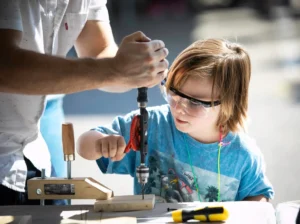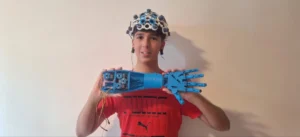
The city of Bradford recently served as the epicenter for youth-led technological innovation as Coolest Projects UK returned for its 2026 edition, drawing more than 200 young creators to showcase a sophisticated array of digital builds. Held in May, the event transformed its venue into a vibrant hub of ingenuity, where participants under the age of 18 presented projects ranging from complex artificial intelligence models to bespoke hardware solutions. The showcase, which has become a cornerstone of the UK’s grassroots STEM (Science, Technology, Engineering, and Mathematics) calendar, provided a platform for students to transition from being passive consumers of technology to active architects of the digital future.
Throughout the day-long event, attendees and industry experts explored an expansive gallery of work categorized into disciplines including Scratch, Python, AI, hardware, web design, and game development. The atmosphere was one of collaborative learning rather than rigid competition, emphasizing the "maker" spirit that defines the global Coolest Projects movement. Every participant was afforded the opportunity to engage in high-level discourse with a panel of judges and seasoned industry professionals, receiving technical feedback that bridged the gap between classroom theory and real-world application.
A Strategic Framework for Digital Literacy and Engagement
The 2026 showcase was the culmination of a broader strategic effort to embed digital making skills within local communities. Prior to the main event in May, a series of targeted workshops were conducted across Bradford. These sessions were designed to democratize access to high-end technology, ensuring that young people from diverse socioeconomic backgrounds had the tools and confidence required to participate. By providing early-stage mentorship, these workshops helped first-time coders navigate the complexities of project management and technical troubleshooting, ultimately increasing the diversity of the projects on display.
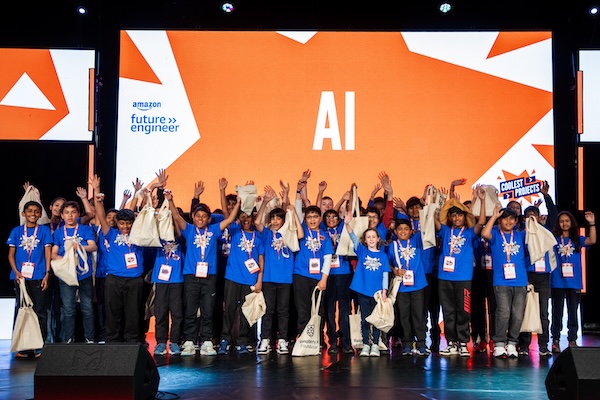
The demographic makeup of the creators reflected a wide-reaching network of educational support. Participants arrived representing local schools, independent learning environments, and international initiatives such as Code Clubs and CoderDojos. This ecosystem of support is critical in addressing the UK’s ongoing digital skills gap, as it fosters interest in computing outside the constraints of traditional curricula. The event demonstrated that when given the resources, young people are capable of tackling complex societal and scientific problems through code.
Integration with Traditional Youth Organizations: The Scout Initiative
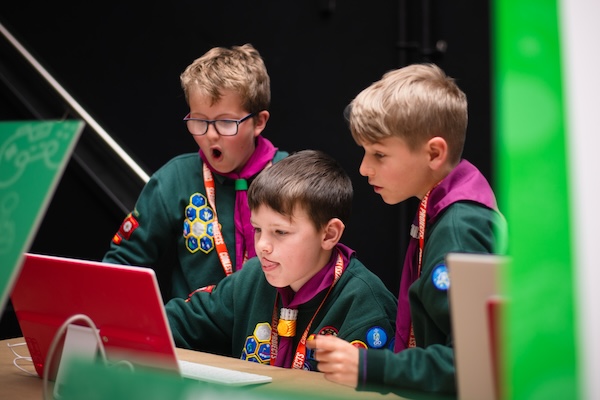
A notable highlight of this year’s event was the successful integration of digital making into the activities of traditional youth organizations. Fifty-seven Scouts from six Yorkshire-based groups participated in a dedicated digital making stream. This collaboration saw the Scouts undertaking intensive workshops where they utilized Scratch’s AI-facial recognition extensions to develop custom "selfie filters."
The initiative allowed these young people to earn their DM1 Digital Maker badges, a credential that signifies a foundational understanding of how software can interact with hardware and human inputs. For many of these Scouts, the Bradford showcase marked their first public presentation of a technical project. The transition from the structured environment of a Scout meeting to the high-energy environment of a public tech showcase was cited by organizers as a vital exercise in building "soft skills" such as public speaking, resilience, and technical communication.
Detailed Analysis of Featured Projects
The projects presented at Coolest Projects UK 2026 displayed a high level of technical maturity and a keen awareness of user experience. Three projects, in particular, exemplified the trend of merging distinct scientific disciplines with creative coding.
Pop Bot: An AI-Driven Hardware Solution by Seth
Seth’s "Pop Bot" was a standout in the hardware category, utilizing a sophisticated blend of physical engineering and computer vision. The project featured a robotic reminder system housed in a chassis constructed from recycled materials, including boxes and tubes. However, the internal logic was far from rudimentary. Seth implemented an AI facial recognition system that triggered personalized audio reminders based on the identity of the person detected by the camera.
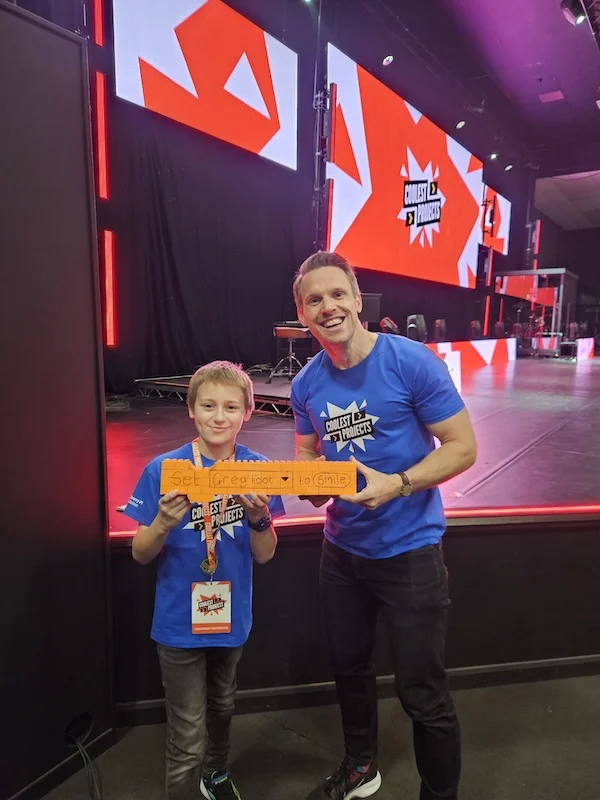
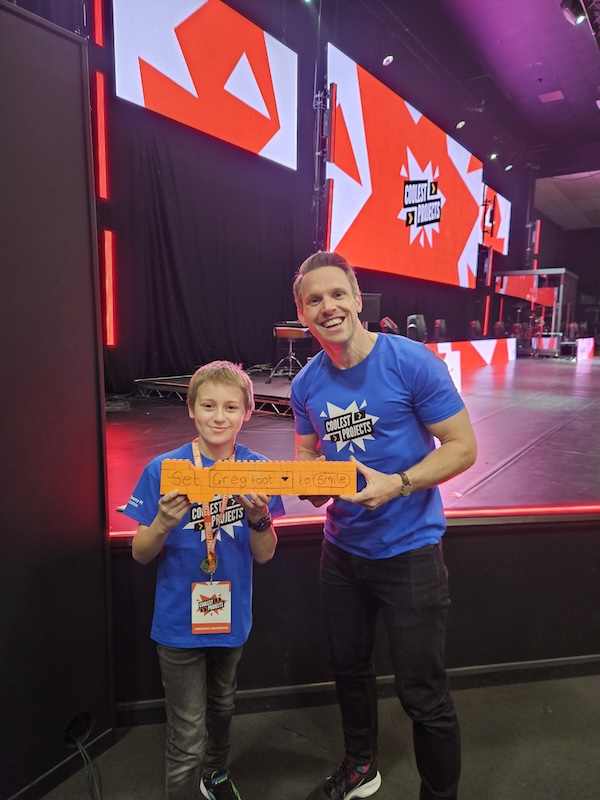
During his presentation, Seth detailed the iterative process required to refine the AI’s accuracy. He noted that the system initially struggled with environmental variables such as lighting and background noise. To overcome this, Seth conducted extensive data training, capturing a diverse set of images in various conditions to improve the model’s confidence scores. Beyond the technical execution, Seth demonstrated a unique engagement with the event’s community by creating a custom "Scratch block" gift for the event host, BBC science presenter Greg Foot, using a mix of Duplo, Lego, and modeling clay.
Immune System Defence: Educational Gamification by Chinemerem
In the games category, Chinemerem presented "Immune System Defence," a project built within the Roblox engine. This game functioned as an interactive biological simulation where players defend a human heart from viral waves using white blood cells and "vitamin boosts." The project was a direct application of school science curriculum topics—specifically the circulatory and immune systems—into a digital environment.
Chinemerem’s work highlighted the potential for gamification in education. By allowing users to scan a QR code and play the game live on their devices, he facilitated a real-time feedback loop. This project underscored a growing trend among young developers: the use of popular gaming platforms as engines for serious educational content, making complex biological concepts accessible to a younger audience through strategy-based gameplay.
Fossil Roulette: Probabilistic Modeling in Scratch by Gabriel
Gabriel’s "Fossil Roulette" used the Scratch platform to teach users about the rarity of the fossilization process. Inspired by a visit to the Fossil Festival in Lyme Regis, Gabriel translated a physical board game concept into a digital experience featuring three synchronized "roulette wheels" representing different geological stages.
The technical challenge of this project lay in the physics of the wheels. Gabriel explained the complexity of coding a realistic deceleration algorithm, ensuring the wheels spun rapidly at the start and slowed down naturally to land on a specific outcome. This project served as an effective demonstration of how mathematical probability can be visualized through simple code to convey a scientific message.
The Role of Public Engagement and Professional Mentorship
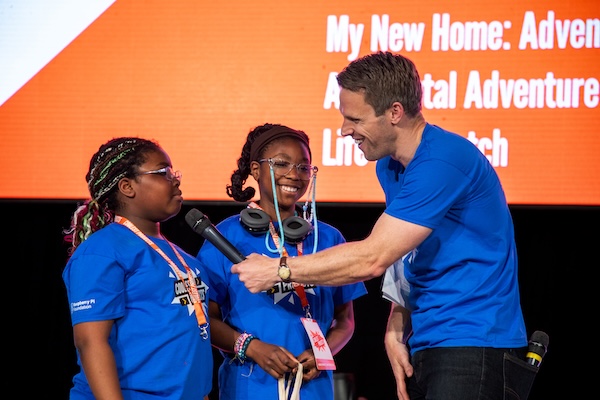
The presence of Greg Foot, a well-known BBC science presenter, added a layer of professional validation to the event. Foot’s role involved interviewing the creators and highlighting the narrative behind each invention. This level of engagement is crucial for young innovators, as it frames their work within the larger context of science communication and public service.
The day concluded with a formal celebration ceremony. While every participant was recognized with a certificate of achievement, the "judges’ favorites" received additional awards across various categories. These awards were not merely for technical prowess but also for creativity, social impact, and the "cool factor"—the ability of a project to surprise and delight its audience.
Broader Impact and the Future of Digital Making
Coolest Projects UK 2026 serves as a barometer for the health of the UK’s youth tech ecosystem. The shift toward AI and integrated hardware suggests that the current generation of students is moving beyond basic block-based coding and is beginning to experiment with the technologies that will define the next decade. By providing a low-stakes, high-reward environment, the event encourages a "fail-fast" mentality, which is essential for innovation.
The implications of such events extend beyond the individual participants. As Bradford prepares for future cultural and technological milestones, the success of Coolest Projects reinforces the city’s reputation as a growing hub for digital talent. Furthermore, the event’s affiliation with the Raspberry Pi Foundation and the global Code Club network ensures that the momentum generated in May is sustained throughout the year.
As the UK showcase concludes, the global Coolest Projects circuit continues, with upcoming events scheduled in various international territories. For those inspired by the Bradford event, the message from organizers remains clear: the journey of a creator does not end at the showcase. Through the network of thousands of free Code Clubs worldwide, young people are encouraged to continue their development, ensuring that the next generation of engineers, scientists, and designers is better equipped than ever to navigate a digital-first world.