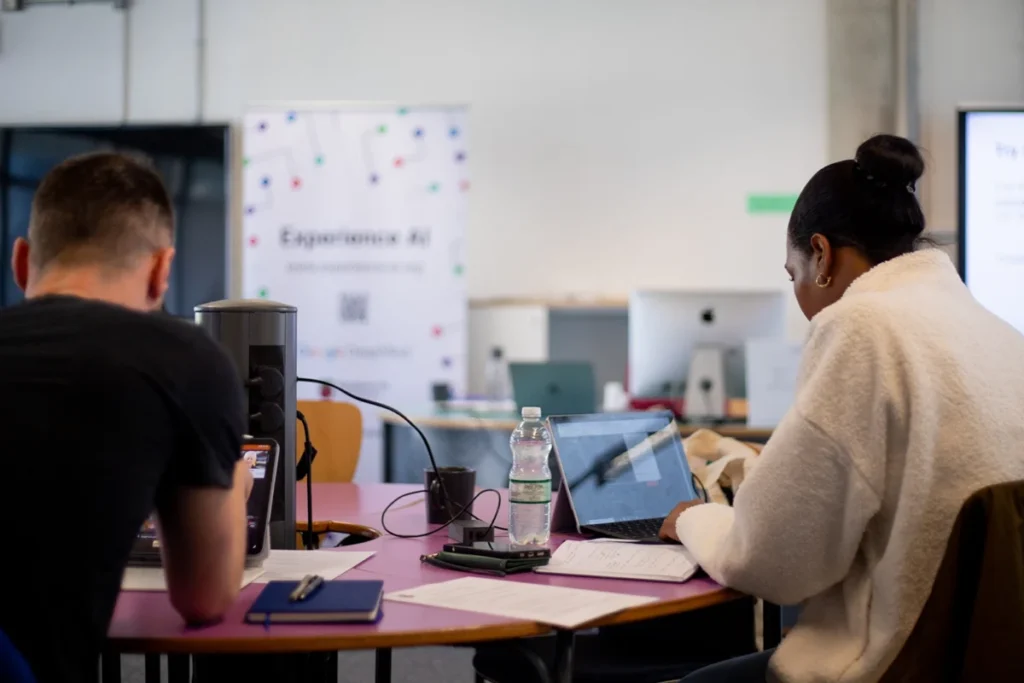
The global landscape of technology education is undergoing a seismic shift as artificial intelligence (AI) moves from the periphery of computer science to the center of daily human interaction. Recognizing the urgent need for a structured pedagogical approach to this technology, the Raspberry Pi Foundation, in collaboration with Google DeepMind, has intensified its efforts to democratize AI literacy through the "Experience AI" program. A pivotal component of this expansion is the recent localization of educational materials for the Croatian market, a move that highlights the complex intersection of linguistics, technology, and educational equity.
The Experience AI initiative represents one of the most ambitious efforts to date to provide young people with the tools necessary to engage with AI critically and responsibly. To date, the program has established a presence in over 38 countries, offering resources in more than 19 languages. However, the expansion into Croatia marks a significant milestone in addressing the "small language" divide—a phenomenon where technological resources are disproportionately allocated to major global languages, leaving speakers of less-prevalent languages at a disadvantage in the digital age.
The Strategic Framework of Experience AI
Experience AI was conceived as a response to the rapid proliferation of generative AI and machine learning models. The program provides teachers with ready-to-use lesson plans, slide decks, and activities designed to demystify how AI works. The partnership between the Raspberry Pi Foundation, a UK-based charity known for its commitment to computing education, and Google DeepMind, a leader in AI research, ensures that the curriculum is both pedagogically sound and technically accurate.
The program’s reach is extensive. By leveraging a global network of partners, the Foundation aims to reach millions of young people. The core philosophy of Experience AI is not merely to teach students how to use AI tools, but to empower them to understand the underlying mechanics, ethical implications, and potential biases of these systems. This mission requires that the materials be accessible in a student’s native tongue, which is where the significant challenge of localization begins.
Addressing the "Small Language" Disparity in Technology
In the context of global software development and educational publishing, languages are often categorized into "big" and "small" markets. Major languages such as English, Spanish, Mandarin, and French typically receive the bulk of localization resources because they offer the highest return on investment in terms of user reach. Conversely, languages like Croatian, with approximately four to five million speakers, are frequently overlooked or relegated to secondary phases of development.
This linguistic hierarchy creates a digital divide. When educational resources are only available in English, they are inherently less accessible to younger students or those in regions where English proficiency is not universal. Furthermore, the reliance on English-centric terminology can alienate learners, making a complex subject like AI feel even more foreign. The Raspberry Pi Foundation’s localization coordinator notes that for Experience AI, the goal was to dismantle this hierarchy, treating Croatian not as a niche market, but as a vital medium for educational delivery.
Technical Hurdles in Localizing Emerging Technologies
The process of translating technical content involves more than a simple substitution of words; it requires the creation of a culturally and contextually relevant lexicon. For many emerging technologies, the English terminology is established long before other languages can develop their own equivalents. This often results in "loanwords" or the adoption of English terms directly into the local vernacular.
In Croatia, this challenge is historically rooted. In the early days of personal computing, user interfaces were almost exclusively in English. Consequently, terms such as "copy/paste" or "format" often bypassed translation in common parlance. When it comes to AI, the linguistic stakes are even higher. The localization team faced a fundamental dilemma: should they use the globally recognized English abbreviation "AI" (Artificial Intelligence) or the Croatian equivalent "UI" (Umjetna Inteligencija)?
While "AI" is ubiquitous in tech circles, "UI" is the linguistically correct term in the Croatian educational system. However, "UI" in a global tech context often refers to "User Interface," creating potential for confusion. Through rigorous discussion, the team decided to prioritize the Croatian terminology where possible, ensuring that the resources aligned with the existing linguistic standards used in Croatian schools. This decision was rooted in the principles of fairness and accessibility, ensuring that students do not need to be proficient in English to begin their journey into AI literacy.
Chronology of the Croatian Localization Project
The journey to bring Experience AI to Croatia followed a structured timeline of development, review, and implementation:
- Initial Partnership Formation: The Raspberry Pi Foundation identified Suradnici u učenju (Partners in Learning), a prominent Croatian non-governmental organization focused on educational technology, as the primary local partner.
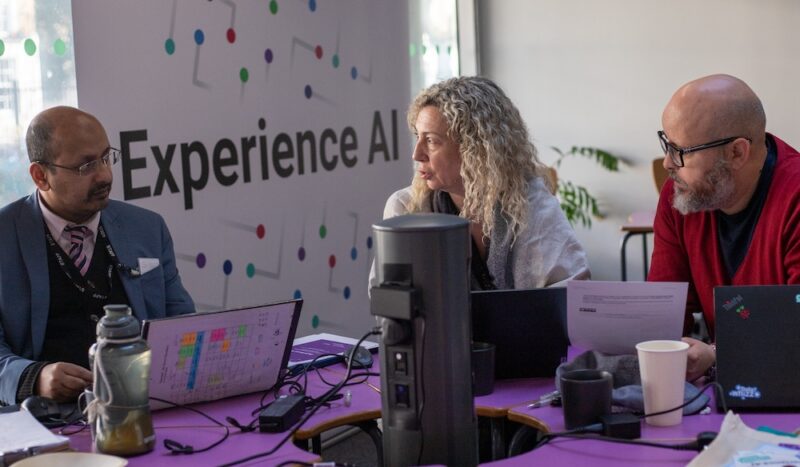
- Linguistic and Subject Matter Review: Unlike standard translation projects, the localization of Experience AI required a dual-layered review. Draft translations were scrutinized by both linguistic experts and informatics specialists.
- Terminology Standardization: During the mid-phase of the project, a definitive glossary was established. This included the decision to use "aktivnost bez računala" for "offline activity," moving away from English-centric phrasing to describe pedagogical methods.
- Curriculum Alignment: The team worked to ensure that the AI modules complemented the existing Croatian national curriculum for Informatics, which has seen significant updates since 2018 to include more computational thinking and digital literacy.
- Pilot Testing and Feedback: The first Experience AI course in Croatian was rolled out to a select group of educators. Their feedback was instrumental in refining the tone and flow of the materials to ensure they felt natural in a classroom setting.
- Full Scale Release: The localized resources were officially launched on the Experience AI platform, providing free access to all Croatian educators.
The Role of Local Partners: Suradnici u učenju
The success of the localization effort is largely attributed to the expertise of Suradnici u učenju. The organization provided the necessary bridge between the Foundation’s global vision and the specific needs of the Croatian educational landscape. Lidija Kralj, a representative from the organization and a respected voice in European digital education, emphasized the importance of teacher-led localization.
Kralj noted that the collaboration involved informatics subject experts and Croatian language experts, both of whom are active teachers. This ensured that the materials were not only accurate but also practical for the classroom. By using terminology consistent with Croatian textbooks, the project reduced the "cognitive load" on teachers, allowing them to focus on the concepts of AI rather than struggling with unfamiliar or foreign phrasing.
Data and Global Impact Analysis
The Experience AI program’s expansion into Croatia is part of a broader trend of increasing investment in digital literacy across Eastern Europe. Data from various educational NGOs suggests that students who receive technology instruction in their primary language show a 15-20% higher retention rate of complex concepts compared to those taught in a second language.
Globally, the Raspberry Pi Foundation reports that its network of partners now covers regions including North America, Europe, Asia, and Africa. In Uzbekistan, for example, similar localization efforts have been undertaken to bridge the gap in Central Asian tech education. By providing these resources for free, the Foundation and Google DeepMind are addressing the economic barriers that often prevent schools in developing or smaller markets from accessing high-quality, up-to-date curricula.
Broader Implications and Future Outlook
The localization of AI education into "small languages" has implications that extend far beyond the classroom. It is a matter of digital sovereignty. When a nation’s youth can discuss and develop AI in their native language, it fosters a local ecosystem of innovation. It ensures that the future workforce of Croatia is not just a consumer of foreign-built AI tools but is capable of contributing to the global discourse on how these tools should be governed and utilized.
Furthermore, this initiative sets a precedent for other technology companies and educational providers. It demonstrates that with the right partnership model, localizing complex technical content for smaller markets is not only feasible but essential for global progress. The Raspberry Pi Foundation’s approach—relying on native speakers who are also subject matter experts—serves as a blueprint for ethical and effective localization.
As AI continues to evolve at a breakneck pace, the Experience AI program plans to update its modules regularly. The established infrastructure in Croatia means that these updates can be localized and deployed almost simultaneously with the English versions. For the millions of young people currently entering the workforce, this level of access to cutting-edge knowledge is the difference between being a spectator and a participant in the next industrial revolution.
In conclusion, the Experience AI initiative in Croatia is more than a translation project; it is a commitment to linguistic inclusivity and educational excellence. By ensuring that "Croatian is simply a language"—not a small one—the Raspberry Pi Foundation and its partners are paving the way for a more equitable digital future. Educators and students can now access these localized resources on the Experience AI website, joining a global community dedicated to understanding the technology that will define the 21st century.