From the imposing astronomical clocks adorning Tudor England’s royal residences to the delicate pendant watches gracing Victorian Britain’s most esteemed figures, timekeeping has long been an indelible symbol of power, prestige, and cutting-edge technological achievement within Europe’s royal courts. This illuminating new series delves into the captivating evolution of clocks and watches meticulously crafted for monarchs, charting a fascinating trajectory of how these intricate masterpieces not only measured time but also mirrored the discerning tastes, burgeoning ambitions, and pioneering innovations of sovereign rulers. Through an examination of exceptional craftsmanship, artistic brilliance, and profound historical significance, we unveil how these royal timepieces became silent witnesses to the passage of dynasties and the rise and fall of empires.
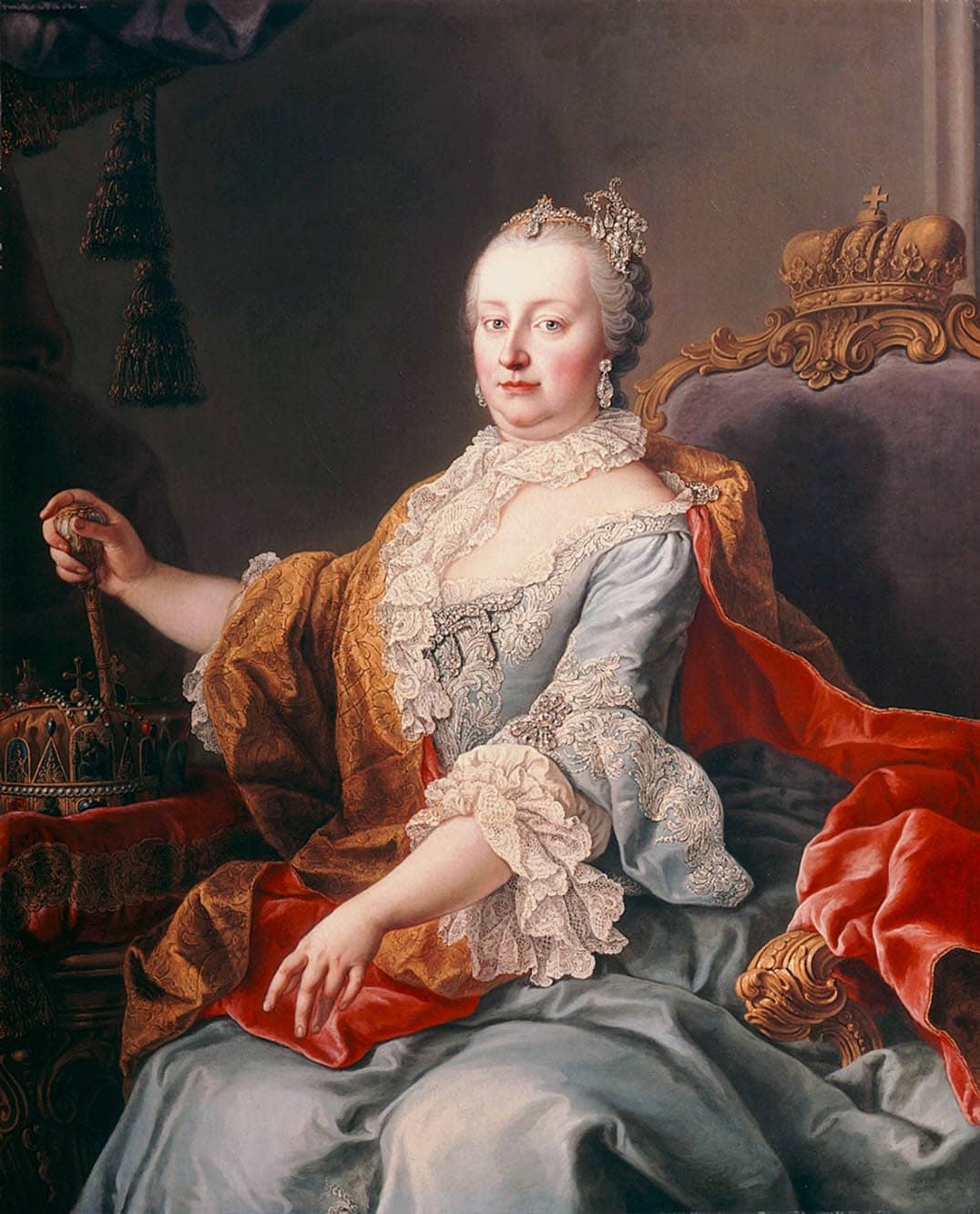
Central to this narrative of temporal artistry is Empress Maria Theresa, the formidable ruler of the vast Habsburg monarchy, whose reign spanned from 1740 until her death in 1780. As the sole woman to ascend to this supreme position in her own right, she navigated a world dominated by patriarchal structures. Though formally crowned Archduchess of Austria and Queen of Hungary and Bohemia, her true authority was forged through an unwavering willpower, a relentless pursuit of reform, and a masterful cultivation of her public image.
Maria Theresa did not rule as a mere placeholder king, but as a sovereign of immense stature, adept at harmonizing the weight of tradition with the dynamic intellectual currents of the Enlightenment. Horology, much like the fine arts and music, became an integral facet of her sovereign language, serving as a sophisticated medium to express her modernizing aspirations and her cultivated aura of authority. Her reign was a testament to the Enlightenment’s embrace of reason, progress, and the arts as tools of governance and cultural advancement.
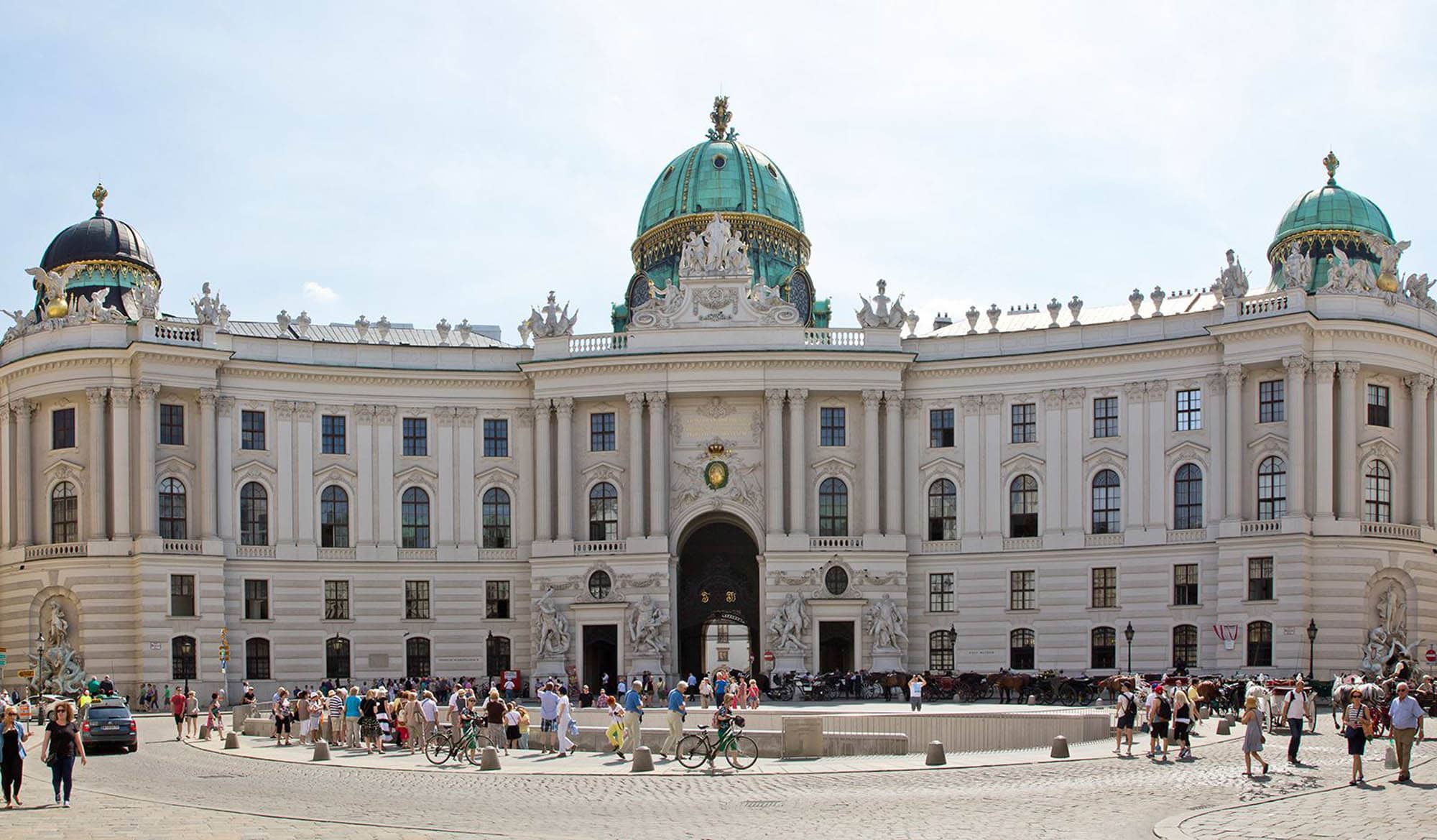
Born in Vienna on May 13, 1717, Maria Theresa was the eldest daughter of Emperor Charles VI and Empress Elisabeth Christine of Brunswick-Wolfenbüttel. Her upbringing within the opulent Hofburg Palace, the ancestral seat of the Habsburg dynasty, was steeped in the elaborate rituals and resplendent grandeur of imperial court life. Although her father’s fervent hope for a male heir remained unfulfilled, he meticulously worked to secure her right to the throne through the "Pragmatic Sanction" of 1713, a pivotal decree that would ultimately form the bedrock of her—though often contested—claim to imperial power.
The Hofburg Palace, a sprawling complex in Vienna, Austria, served as the cradle of her imperial upbringing. Its architectural magnificence and the rich tapestry of courtly life provided a unique backdrop for her education. While her early years were marked by an emphasis on piety, music, languages, and the cultivation of refined courtly manners—reflecting the prevailing societal expectations for imperial daughters—her innate intelligence, formidable willpower, and profound sense of duty were silently preparing her for the immense responsibilities she would unexpectedly inherit at the young age of twenty-three.
Among her many intellectual and personal passions, timekeeping held a particularly cherished place. In an era when mechanical clocks and watches represented the zenith of both technological innovation and artistic mastery, Maria Theresa cultivated a deep and abiding fascination with these intricate marvels. For her, they transcended mere practical instruments; they embodied the very principles of precision, order, and meticulous craftsmanship that resonated profoundly with her vision for effective governance and cultural enrichment.
The empress surrounded herself with exquisite examples of horological artistry, frequently commissioning pieces that masterfully blended functionality with opulent ornamentation. She actively encouraged the proliferation of clockmaking as a vital component of the flourishing decorative arts within her court. Her profound appreciation for clocks and watches was not merely an expression of personal taste; it was a potent reflection of the Enlightenment spirit that characterized her reign, an era where the synergistic interplay of science, technology, and art was harnessed in service of both aesthetic beauty and societal progress.
A Royal Court of Automata and Mechanical Wonders
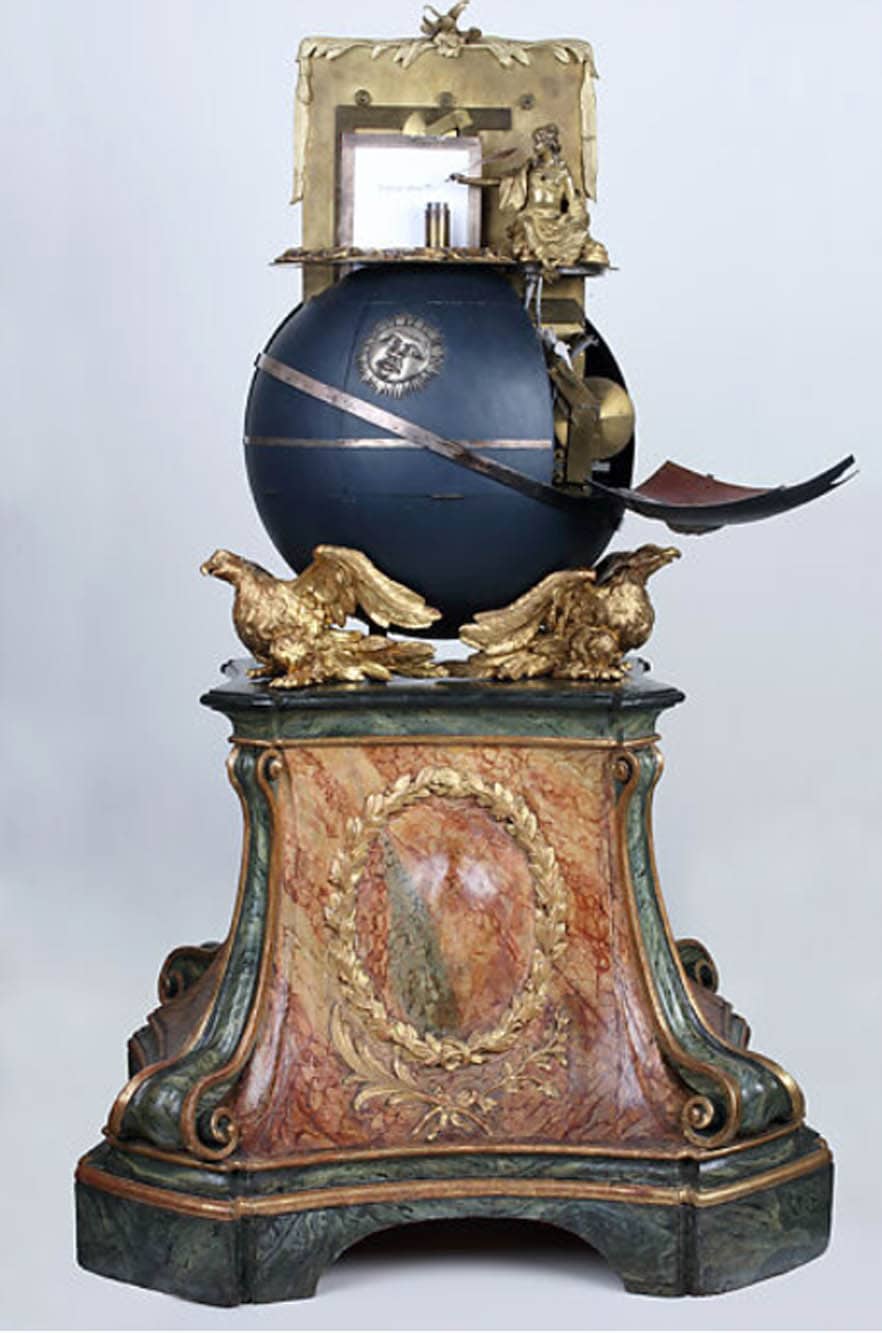
One such testament to this era’s ingenuity, presented to Empress Maria Theresa in Vienna in 1760, was the astonishing "Miraculous Writing Machine." This marvel of engineering was the creation of Friedrich von Knaus, a German clockmaker whose active career as a court mechanic in Vienna coincided with the height of the "century of writing." This period witnessed an unprecedented explosion in written correspondence, effectively weaving a vital network of communication that connected scientists, rulers, scholars, and artists across the European continent.
The act of writing itself was elevated during this time, celebrated not only as a practical tool for disseminating information but also as a significant cultural ideal. Knaus’s "Miraculous Writing Machine" represented the pinnacle of a series of increasingly complex devices he engineered. He was a distinguished Austrian court machinist, renowned for his work for other prominent figures, including King Louis XV of France and Duke Charles Alexander of Lorraine.
The automaton’s ability to write was achieved through the dexterous movements of a small, seated statuette, one of the earliest mechanical figures meticulously designed in human form to convincingly mimic the act of writing. Housed within its spherical base lay an intricate system of clockwork, gears, and pegs, orchestrating the figure’s movements with remarkable precision. The mechanism allowed for the pre-programming of up to 107 words by adjusting pegs on a rotating barrel. Furthermore, a manual setting enabled the figure to simulate writing from dictation, a groundbreaking technological innovation that presaged the later development of the typewriter.
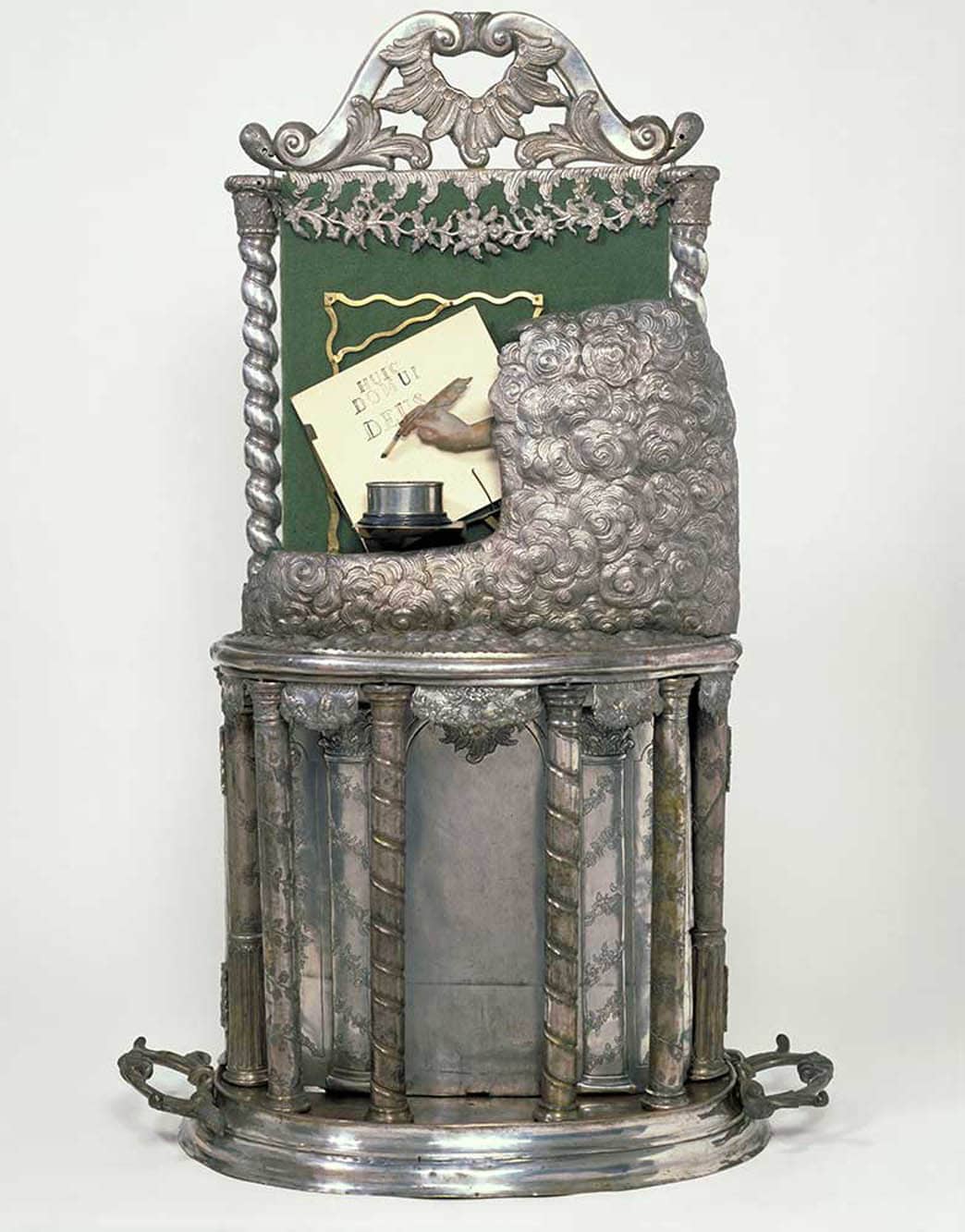
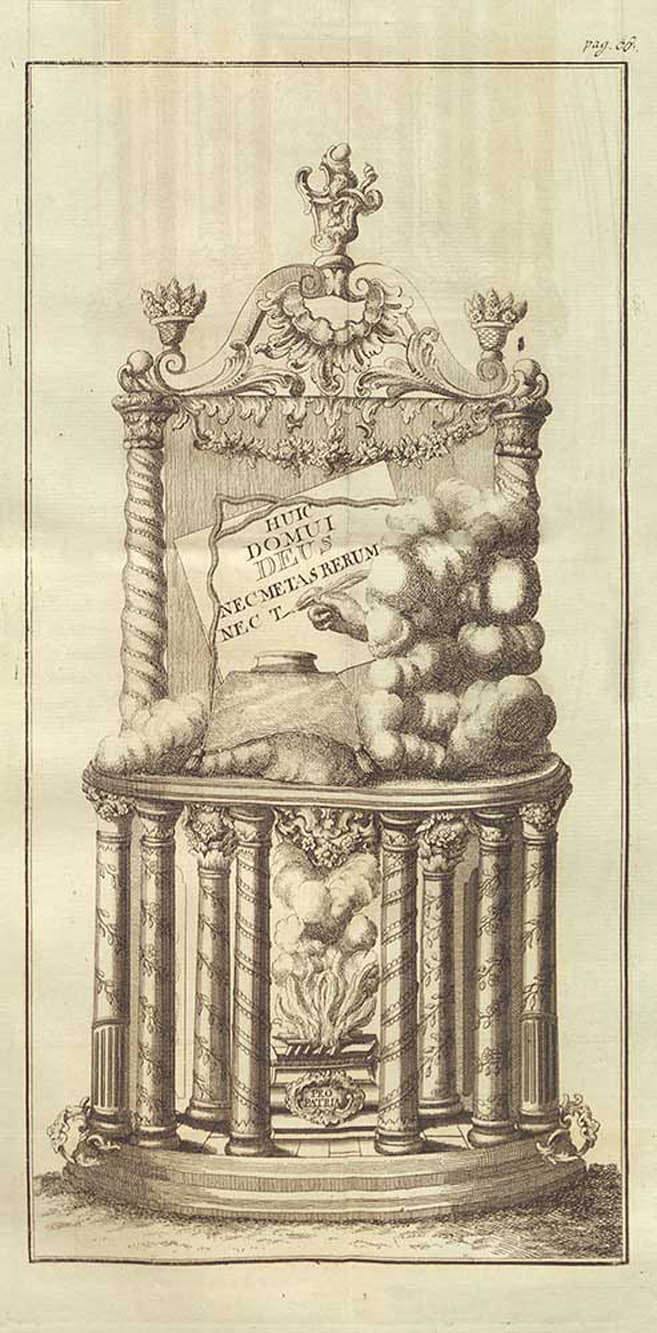
Friedrich von Knaus also crafted "The Writing Hand," another remarkable automaton that further showcased his mastery. In this creation, a sophisticated clockwork mechanism animated a hand that would dip its pen into an inkwell and meticulously write out a good luck wish on a card. This piece was intended as a gift for the Lorraine family, presented by the royal family, demonstrating the intricate gift-giving customs and the value placed on unique, personalized creations within the highest echelons of society.
The technical prowess behind these creations was further documented in Knaus’s seminal work, "Selbstschreibende Wundermaschinen" (Self-Writing Wonder Machines), published in 1780. This meticulously illustrated book dedicated to "marvellous automatic writing machines" detailed several of his mechanical devices, including "The Writing Hand," which was made in 1764 and is now preserved at the Museo Galileo in Florence, Italy. The book itself stands as a testament to Knaus’s innovative spirit and his significant contributions to the field of automata.
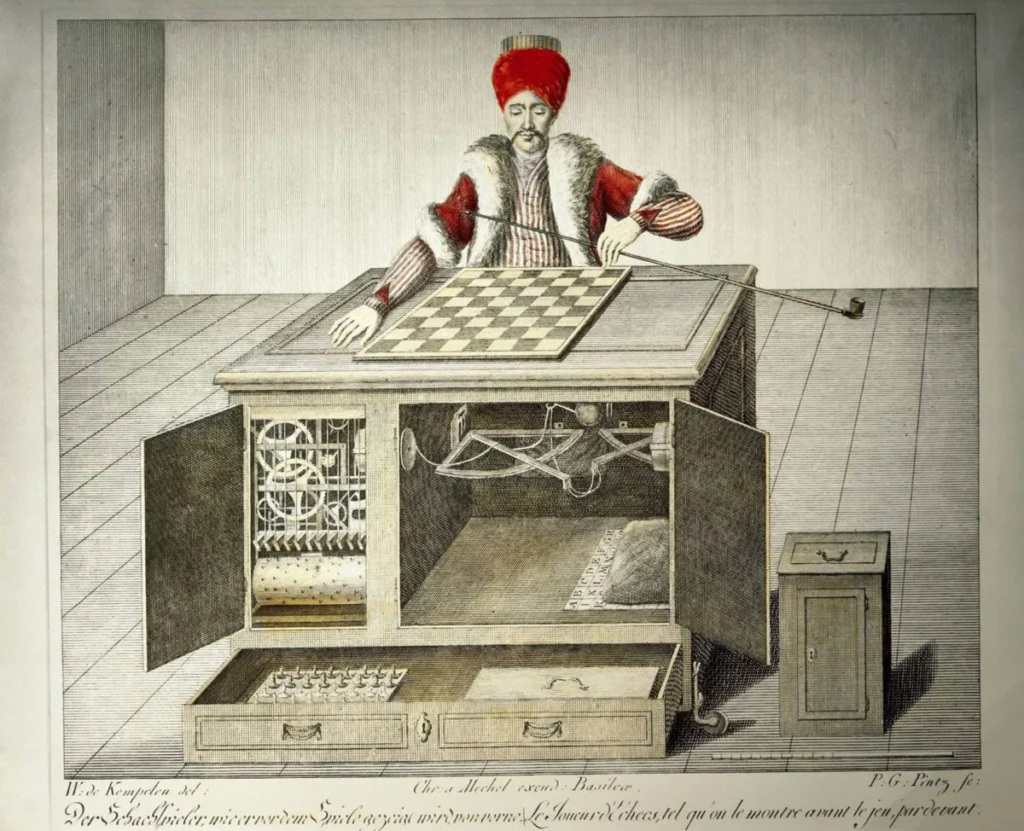
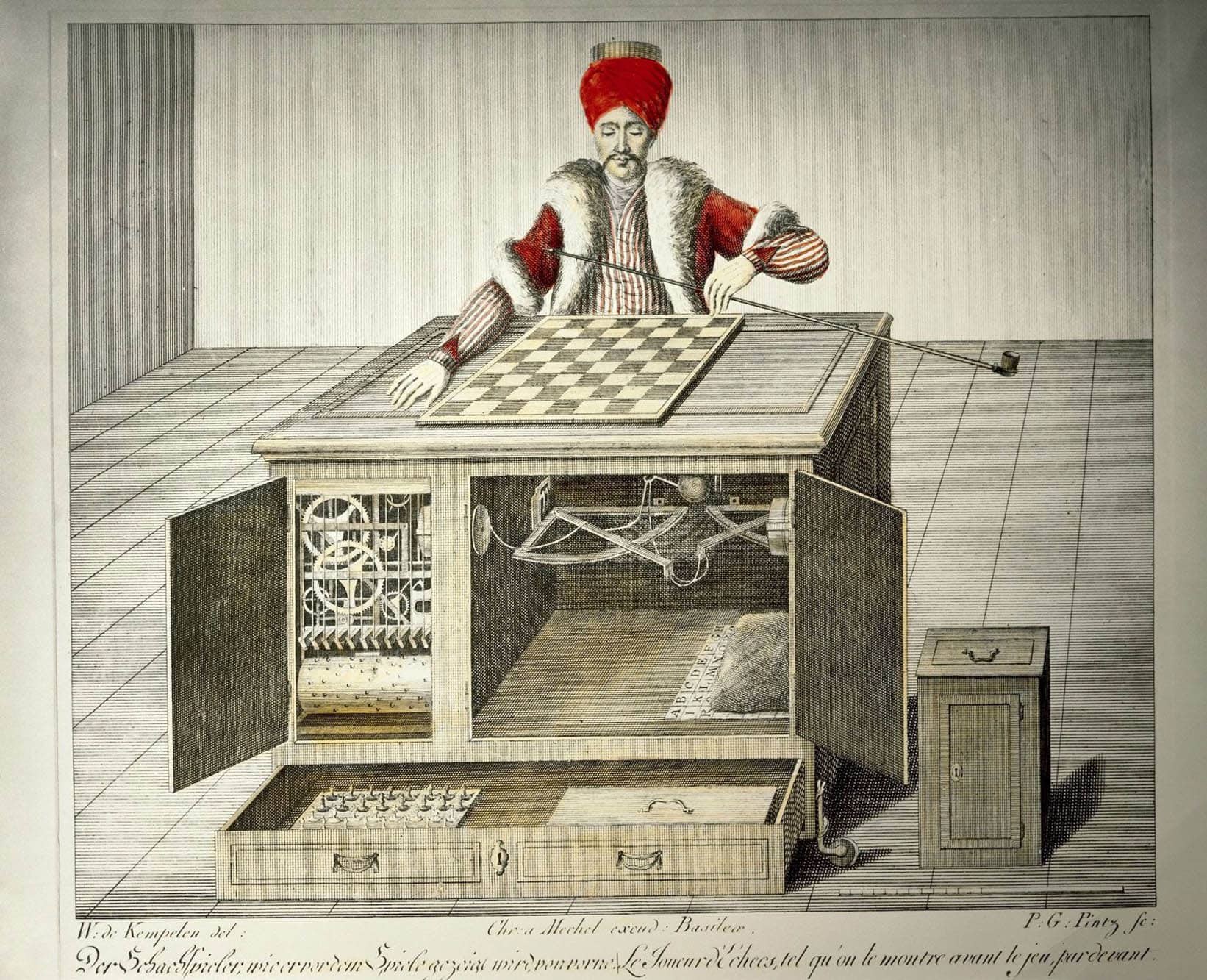
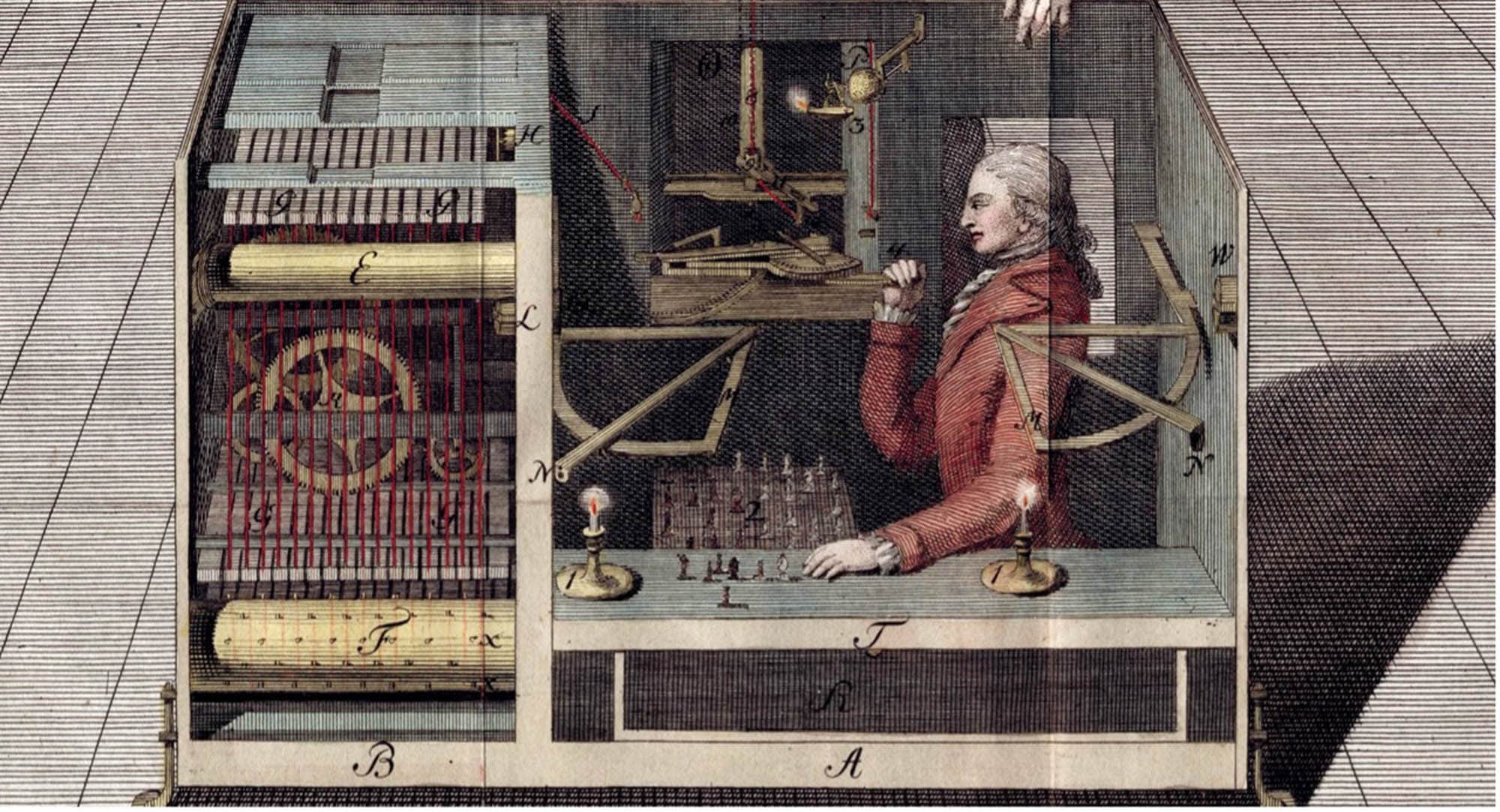
The empress’s court was undoubtedly a spectacle of mechanical marvels. Perhaps the most sensational of these was the "Mechanical Turk," an automaton engineered by Wolfgang von Kempelen, which performed before Maria Theresa in 1770. This seemingly sentient chess-playing machine generated widespread awe and debate, appearing to possess the uncanny ability to understand and play the game independently. In reality, a skilled chess player was ingeniously concealed within the cabinet, meticulously tracking the game on a miniature chessboard and controlling the Turk’s movements via a complex system of levers.
The "Mechanical Turk" embarked on a grand tour of Europe, captivating audiences and engaging in matches against renowned figures such as Napoleon Bonaparte and Benjamin Franklin. Its performances ignited widespread fascination and sparked crucial debates about the nature of human-like machines and the boundaries of artificial intelligence. The concealed player masterfully manipulated the chess pieces using levers and springs, expertly controlling the automaton through a sophisticated interplay of internal mechanisms, magnets, and a pantograph system, a testament to the era’s burgeoning understanding of mechanical simulation.
Habsburg Palace Clocks and Institutional Collections
The magnificent Schönbrunn Palace and the Hofburg Palace today house the principal horological collections, remnants of the Habsburg era’s profound engagement with timekeeping. Many of the exquisite 18th-century gilt-bronze and cabinet clocks, intricate musical clocks, and charming small automata remain preserved within the imperial state rooms and palace collections. These artifacts offer a tangible connection to Maria Theresa’s personal tastes and the overarching decorative program of her court. A prime example of this artistry is the "Flute Harp Clock."
This stunning cabinet clock was meticulously crafted by Johann Gottfried Kaufmann, a German clockmaker, musical instrument maker, and an inventive pioneer of mechanical musical devices. Based in Dresden, he honed his skills as a clockmaker and gained expertise in repairing intricate mechanical musical pieces, which from 1772 onwards became a central focus of his own burgeoning workshop. He soon began constructing his own apparatuses capable of imitating the sounds of various orchestral instruments. In 1787, he achieved a remarkable synthesis by successfully combining a flute with a harp. Following the acquisition of Kaufmann’s first "flute-harp clock" by the ruling Elector Friedrich August III in 1789, orders from other European princely courts rapidly followed, solidifying his reputation as a master craftsman.
The establishment of the imperial court furniture depository dates back to the 18th century. It was during this period that Maria Theresa founded the Imperial Furniture Collection (Möbelmuseum Wien) to oversee and manage court furnishings. Today, this esteemed institution safeguards vast Habsburg furniture holdings, including a significant collection of clocks and decorative horology from the eighteenth century. The Court Furnishing Inspector, a role first established in 1747, bore the crucial responsibility for the care and logistical management of imperial furniture.
The most critical duty of the Court Furnishings Inspectors was the meticulous organization of furniture transportation. The Viennese court was highly mobile, relocating its residence multiple times a year. During the winter months, the court resided at the Hofburg, followed by extended "séjours" (sojourns) at Schönbrunn and Laxenburg. Interspersed with these periods were hunting excursions, often at Schloss Hof. These imperial residences were not permanently furnished until the early 19th century, necessitating the continuous movement of furnishings to accompany the court.
The Imperial Treasury at the Hofburg Palace in Vienna is home to a priceless collection of secular and ecclesiastical treasures, including numerous significant horological items crafted by the leading makers of the era. Among these is the outstanding example by the Swiss clock and instrument maker, Jobst Bürgi, the "Viennese Planetary Clock."
The "Vienna Planetary Clock," dating to approximately 1605, holds the distinction of being the first clock to feature a representation of the heliocentric planetary system, a groundbreaking advancement in astronomical depiction. Equally significant is the "Vienna Crystal Clock," recognized as the oldest surviving clock with a second’s display, a testament to the increasing demand for precision in timekeeping.
Further horological artifacts on display from the Royal collection include scientific instruments, such as a cylindrical sundial, and captivating portraits that vividly illustrate clocks as potent symbols of wealth and elevated status. A striking example is Titian’s portrait of the wealthy Venetian merchant Fabrizio Salvaresio, painted around 1558.
Salvaresio, with a bold and self-assured demeanor, is depicted adorned in a fur-trimmed coat and a silk sash. The prominent standing clock, a recurring motif in several of Titian’s portraits and likely indicative of elevated social standing, underscores the merchant’s affluence. The inscription on the tabula ansata (tablet with handles) in the background proudly displays both Salvaresio’s and Titian’s names, along with the date of creation, 1558. The inclusion of a boy in profile at the lower right may allude to Salvaresio’s involvement in the slave trade, among his other commercial ventures, offering a nuanced glimpse into the complex economic landscape of the era.
An Empress Fascinated by Mechanical Precision
Under Maria Theresa’s discerning patronage, Vienna rapidly ascended to become a preeminent global center for horological innovation. Artisans such as Franz Josef Neuwirth and their contemporaries developed bracket, mantel, and longcase clocks that not only rivaled but often surpassed those produced in Paris. Their creations skillfully married the opulent ornamentation of the Baroque style with the emerging grace and clarity of Neoclassical design, perfectly aligning with the empress’s aesthetic preferences for order and elegance.
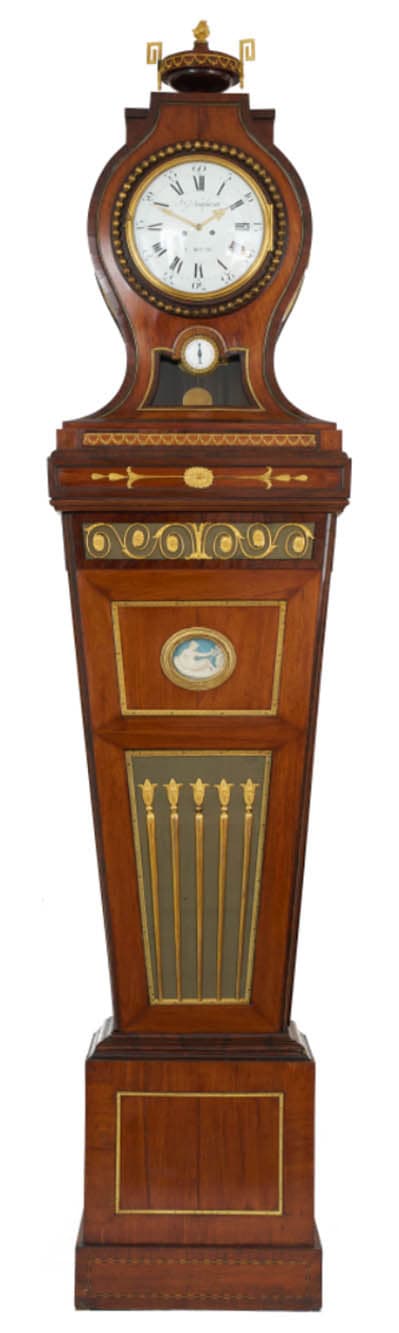
Clock workshops flourished and expanded across the vast Habsburg Empire, with particular concentrations of talent in Vienna, Prague, and Graz. Talented artisans received vital support through imperial commissions and were protected by robust guild laws. These regulations served to standardize craftsmanship, ensuring a high level of quality, while simultaneously fostering an environment conducive to continuous innovation.
Maria Theresa’s profound passion for horology found its most striking expression in the luxurious automata and artistically intricate clocks that adorned her imperial palaces. These exquisite pieces served as powerful reflections of both her personal refinement and the broader Enlightenment-era fascination with the potential of mechanical precision. Her interest in clocks extended far beyond mere ornamentation; it was intrinsically linked to her visionary reforms of Austria’s educational, legal, and administrative systems. Accurate timekeeping was, in fact, absolutely crucial to the efficient functioning of all these critical state apparatuses.
Following her death, the tradition of commissioning elaborate timepieces continued under her successors, albeit in a somewhat more subdued form. While this practice maintained her enduring legacy, it also signaled subtle shifts in aesthetic preferences and evolving political priorities within the Habsburg court. The echoes of Maria Theresa’s dedication to horology, however, continued to resonate, leaving an indelible mark on the history of both craftsmanship and imperial power.