Coolest Projects UK 2026 Showcases Next Generation of Digital Innovators in Bradford. The city of Bradford solidified its reputation as a burgeoning hub for youth-led technological innovation this May as more than 200 young creators gathered for the annual Coolest Projects UK showcase. Organized by the Raspberry Pi Foundation, the event provided a high-profile platform for individuals aged 18 and under to exhibit original digital projects, ranging from sophisticated artificial intelligence models to intricate hardware builds and immersive game design. The event, held at a time when the United Kingdom is placing increased emphasis on digital literacy and STEM (Science, Technology, Engineering, and Mathematics) education, highlighted the creative potential of a generation that is moving beyond mere consumption of technology to become its architects.
The 2026 showcase marked a significant return to West Yorkshire, drawing participants from across the country. The attendees represented a diverse cross-section of learning environments, including formal school settings, community-based Code Clubs, CoderDojos, Scout groups, and independent learners. This diversity in background reflects a broader trend in the UK’s educational landscape, where extracurricular and informal learning environments are increasingly recognized as vital pipelines for the nation’s future technology sector. Throughout the day, the venue was transformed into a vibrant gallery of invention, where visitors explored categories such as Scratch, Python, AI, hardware, web design, and mobile application development.
A Chronology of Innovation: From Concept to Showcase
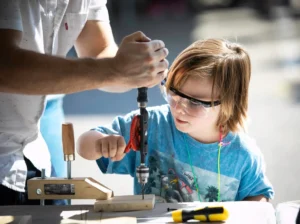
The journey to the Bradford showcase for many of these young innovators began months prior to the May event. To ensure a high level of participation and to lower the barriers to entry, the Raspberry Pi Foundation and local partners organized a series of preparatory workshops throughout the Bradford region. These sessions were designed to provide technical scaffolding for first-time coders while offering refined mentorship for more experienced creators. By providing access to hardware, software, and expert guidance in the weeks leading up to the event, organizers aimed to foster a sense of confidence and community among the youth of West Yorkshire.
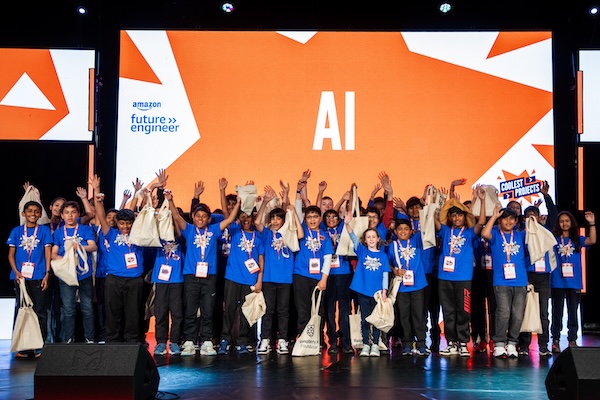
The day of the event itself followed a structured itinerary designed to maximize both learning and celebration. The morning was dedicated to the "Showcase Floor," where participants stood by their projects to explain their technical architecture, the problems they aimed to solve, and the challenges they overcame during the development process. This was followed by a series of interactive, hands-on digital activities that encouraged collaboration between different teams, breaking down the silos of individual projects and fostering a peer-to-peer learning environment.
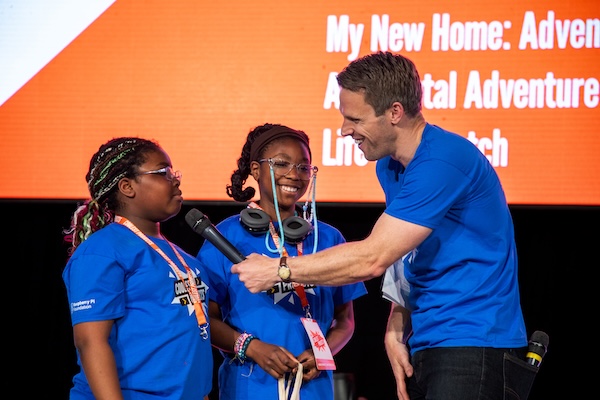
A central figure in the day’s proceedings was Greg Foot, the well-known BBC science presenter. Foot’s involvement served to bridge the gap between technical achievement and public engagement. By interviewing the young creators on stage and highlighting the narratives behind their inventions, Foot helped translate complex coding concepts into relatable stories of curiosity and perseverance. The event culminated in a celebration ceremony that eschewed traditional high-pressure competition in favor of a model that recognized every participant’s effort, while specifically honoring projects that demonstrated exceptional creativity, technical complexity, or social impact.
Technical Deep Dives: Profiles of Young Creators
The projects on display at Coolest Projects UK 2026 were notable not only for their technical execution but also for their interdisciplinary nature, often blending computer science with biology, physics, and social science.
One standout project in the hardware category was "Pop Bot," created by a young innovator named Seth. Pop Bot is a robotic reminder system designed to assist individuals with daily tasks through personalized interaction. The technical core of the project involves an AI-driven facial recognition system. When the robot’s sensors detect motion, it activates a camera to identify the individual in its proximity. Once a face is recognized, the system triggers a specific recorded audio message tailored to that person.
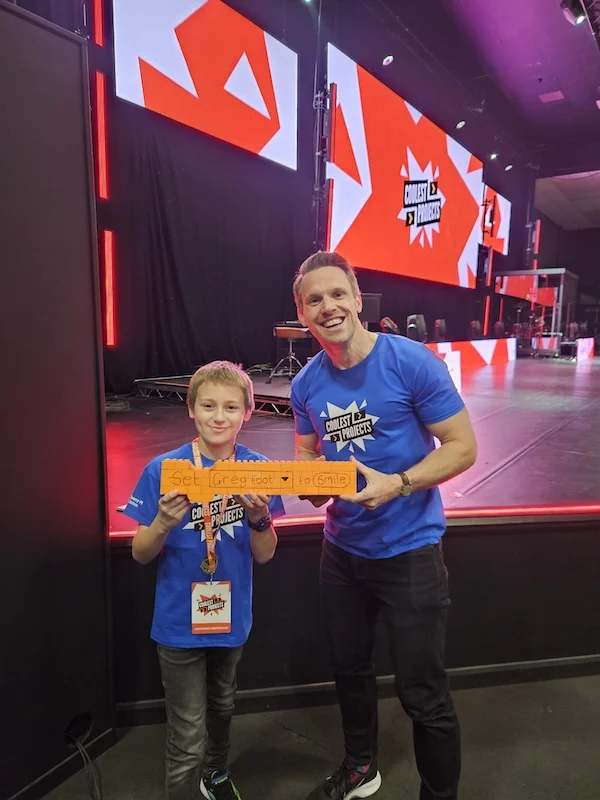
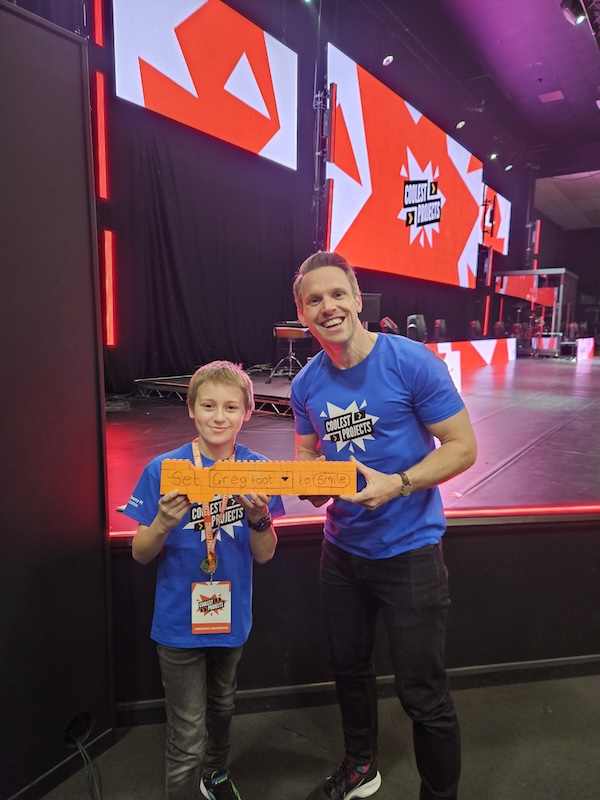
Seth’s development process highlighted the iterative nature of modern engineering. During his presentation, he explained the difficulties of training a machine learning model for a live environment. "Our facial recognition system kept getting confused, so we took more photos to help it recognize better," Seth noted. He detailed how the team used varied backgrounds, different lighting conditions, and diverse clothing in their training data to improve the model’s accuracy. This level of data hygiene and testing reflects a sophisticated understanding of AI principles often not seen until university-level study. Seth’s engagement with the event also took a personal turn when he presented host Greg Foot with a custom-built "Scratch block" made from Duplo and Lego, demonstrating the playful creativity that underpins the event.
In the gaming category, Chinemerem presented "Immune System Defence," a project developed within the Roblox environment. Unlike many recreational games, this project was rooted in the school science curriculum. The game functions as a tower defense strategy experience where players must protect a digital human heart from waves of viral infections. Players deploy white blood cells and utilize vitamin boosts to maintain the body’s health.
Chinemerem explained that the inspiration came directly from classroom lessons regarding the functions of the heart and the circulatory system. By translating biological processes into game mechanics, the project demonstrated how gamification can be used as a powerful tool for educational reinforcement. The creator noted that the most rewarding aspect of the showcase was watching peers scan a QR code to play the game in real-time, providing immediate user feedback and play-testing data.
The Scratch category, often the entry point for younger coders, also saw high-level conceptual work. Gabriel’s "Fossil Roulette" was inspired by a visit to the Fossil Festival in Lyme Regis. The game uses a series of digital roulette wheels to simulate the statistical improbability of the fossilization process. Players select a prehistoric organism—such as an ammonite or a trilobite—and must "win" at three different stages of preservation to successfully create a fossil. Gabriel highlighted the coding logic required to simulate physics, specifically the challenge of creating a "friction" effect where the roulette wheels would spin rapidly and then gradually decelerate to a stop.
The Scout Association Partnership: Expanding the Digital Frontier
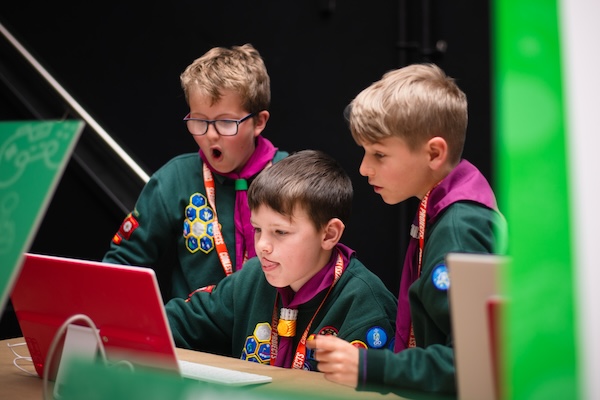
A significant highlight of the 2026 event was the strategic involvement of the Scout Association. A cohort of 57 Scouts representing six different Yorkshire-based groups participated in dedicated digital making workshops integrated into the Coolest Projects framework. This partnership represents a modern evolution of the Scouting movement’s mission to equip young people with "skills for life."
During these specialized sessions, Scouts worked with Scratch’s AI-facial recognition extensions to create custom selfie filters. The successful completion of these projects allowed the participants to earn their DM1 Digital Maker badges, a credential that signifies a foundational competency in creative technology. For many of the Scouts, the event was their first experience in public speaking and technical demonstration. By exhibiting their work alongside independent creators, the Scouts gained exposure to a broader community of practice, reinforcing the idea that digital literacy is a universal skill applicable across all areas of modern life.
Analysis of Implications and Broader Impact
The success of Coolest Projects UK in Bradford offers several insights into the current state of digital education in Britain. First, it underscores the importance of "low-floor, high-ceiling" tools like Scratch and Python, which allow beginners to start quickly while providing enough depth for advanced users to create complex systems.
Second, the event highlights the shifting role of the "consumer" in the digital economy. As the UK government continues to debate the regulation of AI and the future of the domestic tech workforce, events like Coolest Projects suggest that the most effective way to prepare for a digital future is through active creation. By building their own AI models and games, these young people gain a "behind-the-curtain" understanding of the algorithms that increasingly govern daily life.
Furthermore, the emphasis on feedback from industry professionals is crucial. At the event, judges did not merely assign scores; they engaged in dialogue with the creators. This mimics the professional world of software development, where peer review and iterative feedback are standard practices. For a 10-year-old to defend their code to a professional engineer is an experience that builds a level of "soft skill" proficiency—communication, resilience, and critical thinking—that is often difficult to replicate in a standard classroom setting.
Future Outlook and Global Context
While the Bradford event has concluded, the Coolest Projects movement is a year-round global phenomenon. The Raspberry Pi Foundation continues to support similar showcases in Ireland, the United States, and online, ensuring that the momentum generated in Bradford contributes to a worldwide network of young makers.
The foundation’s broader ecosystem, including the thousands of free Code Clubs operating globally, serves as the permanent infrastructure that supports these annual showcases. For the organizers, the ultimate goal is not just a successful one-day event, but the long-term cultivation of a diverse and capable tech community. As the UK looks toward 2027, the success of the Bradford showcase serves as a blueprint for how cities can leverage community partnerships and youth creativity to foster a culture of innovation.
The young people who presented their work in May are no longer just students; they are developers, engineers, and scientists in training. Whether they were coding a robot to recognize a face or a game to explain the human heart, they demonstrated that with the right tools and a supportive platform, the next generation is more than ready to lead the digital charge.