The burgeoning field of aviation autonomy is poised for a pivotal discussion in early October, as ASTM International, a globally recognized standards-setting organization, convenes its 7th Annual Autonomy in Aviation Symposium in Jacksonville, Florida. This gathering will bring together industry leaders, regulators, and technical experts to grapple with the complex challenges and immense opportunities presented by increasingly sophisticated automated systems in aircraft. The core of the debate centers on how these advanced technologies can reduce the historical reliance on exceptional pilot skill or extensive training, thereby reshaping the very definition of flight operations and pilot roles.
Setting the Stage for Automation-Centric Design
The symposium, hosted by ASTM International’s Autonomy Design and Operations in Aviation Administrative Committee, aims to chart a course for the safe and effective integration of advanced automation into the aviation ecosystem. Wes Ryan, committee chair and a Northrop Grumman fellow specializing in airworthiness of autonomy and artificial intelligence, articulated the committee’s objective: "The goal is to pave the way for increasingly capable automation." This forward-looking perspective underscores a fundamental shift in how aviation systems are conceived and operated.
ASTM International plays a critical role in the aerospace industry by developing voluntary consensus standards for materials, methods, and processes. These standards, often meticulously crafted through collaborative efforts, frequently form the bedrock for regulatory frameworks. A prime example of this influence is the Federal Aviation Administration’s (FAA) adoption of four ASTM standards in its final MOSAIC rule last year. This rule significantly modernized the light-sport aircraft category and expanded sport pilot privileges, demonstrating the tangible impact of ASTM’s work on the practical application of aviation regulations.
While the autonomy committee is not yet formulating specific standards, Ryan indicated a significant forthcoming publication. "We intend to publish a paper on automation in aviation within a year after the symposium," he stated. This paper is expected to provide a foundational document for future standard development. Ryan elaborated on the committee’s guiding principles: "We want to safely move the industry towards an automation-centric design paradigm to the extent mature technology allows, while making sure the system is designed to allow a human operator to perform their expected role to manage safe mission outcomes." This statement highlights a commitment to a balanced approach, ensuring that while automation advances, human oversight and management remain integral to safety.
A History of Guiding Autonomy’s Development
ASTM’s engagement with aviation autonomy is not new. Since 2019, the organization has been diligently publishing increasingly specific guidance on this complex subject. A notable milestone was the 2020 technical report, "Developmental Pillars of Increased Autonomy for Aircraft Systems." This report was specifically designed to "promote the sound application of technical best practices to increase aviation autonomy" and to "provide a technical foundation for the development and evaluation of these advanced systems." Such foundational work is crucial for establishing a common understanding and a shared language among diverse stakeholders involved in the development of autonomous aviation technologies.
Beyond technical guidance, ASTM has also been instrumental in identifying and articulating the critical, unresolved questions surrounding autonomous flight. A 2023 white paper released by the organization highlighted some of the most pressing inquiries. Among these were profound questions about the evolving role of pilot qualifications and medical fitness: "If automation solves a challenge traditionally addressed by pilot qualification or medical fitness, are the relevant pilot qualifications or medical fitness no longer relevant?" Equally significant is the question of authority in critical situations: "Who has authority in emergency situations when the pilot is replaced by automation?" These questions cut to the heart of aviation safety protocols and the legal and operational frameworks that govern flight.
Addressing Critical Questions and Driving Industry Consensus
The upcoming symposium is designed to be a vital forum for open discussion and debate on these and other multifaceted issues. Ryan emphasized the urgent need for increased industry consensus and regulatory guidance, especially in light of accelerating developments. He pointed to the FAA’s eIPP (electric Innovation Pathway Program) initiative, aimed at speeding up the rollout of electric aircraft services, and the U.S. military’s accelerating adoption of autonomous aircraft and related technologies, as key drivers for this enhanced collaboration.
The October event will specifically focus on developing best practices for aircraft design that uphold current safety standards while facilitating an adaptation of the pilot or operator’s role. Ryan envisions a future where automation handles "low-level" events, such as basic system malfunctions, thereby freeing human pilots from constant manual intervention. "This approach would allow the pilot to manage safe outcomes at a high level, a mission outcome level," he explained, positing that the human operator would transition into a role of a "systems manager." Ryan further characterized this paradigm shift with the concise and evocative phrase, "I call it carefree handling." This concept suggests a future where aircraft are inherently safer and more intuitive to operate, reducing the cognitive load on human operators.
Confirmed speakers for the symposium include distinguished figures such as David Mindell, an aerospace professor at MIT and author of the influential book "Our Robots, Ourselves," alongside representatives from the FAA and NASA. The participation of these experts signals the high level of engagement from both academia and government agencies in shaping the future of aviation autonomy.
Industry Perspectives and the Path Forward
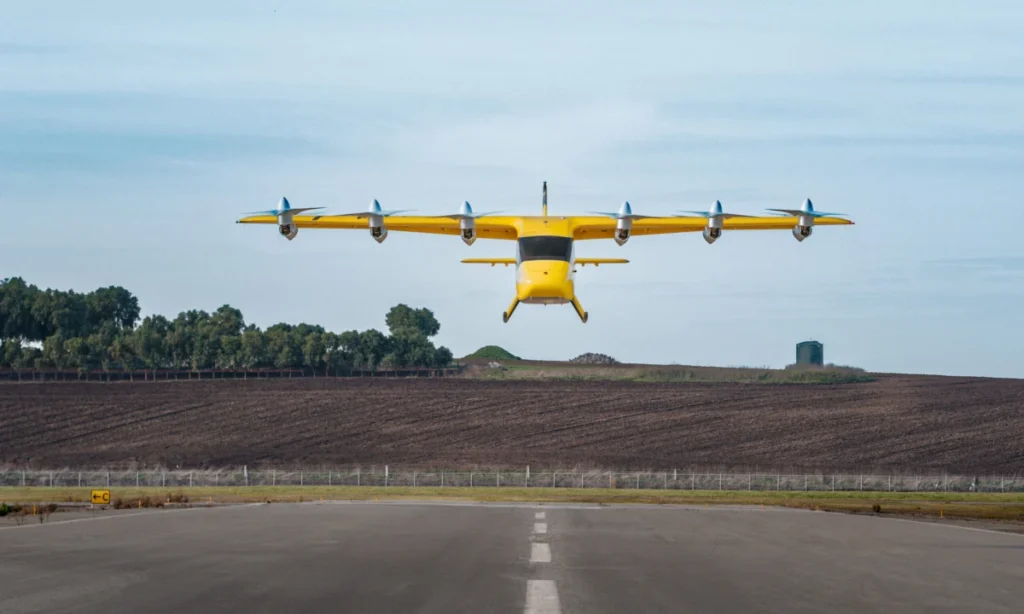
The evolving dialogue around aviation autonomy is being closely observed by major players in the industry. Wisk Aero, a Boeing-owned company developing autonomous electric air taxis with no pilot cockpit, has a vested interest in the development of robust standards. Tom Gunnarson, Wisk’s regulatory affairs lead and a member of the ASTM committee, offered his perspective in a recent interview. He described ASTM as a valuable, more informal forum than a formal FAA rulemaking body, uniquely positioned to guide the oversight of new technologies.
"First, we want to expose whatever this new innovation is and create dialogue," Gunnarson stated. "We also are often getting regulators participating, and not just FAA, and we let them raise the questions that they’re going to have. The regulators are focused entirely on safety, so if they tell us they will develop performance-based rules, then the standards bodies are ready to jump in to develop the means of compliance." This collaborative approach, where industry identifies needs and regulators define performance objectives, allows for agile development and the creation of practical compliance pathways.
Ella Atkins, a professor of aerospace and director of Virginia Tech’s Autonomous Aerospace Systems Lab, echoed the sentiment that the aviation and aerospace industries are keenly focused on the discussions surrounding autonomy. She views the ultimate goal of setting standards for autonomous aviation as a process of "trust calibration."
"Of course, humans need to be able to trust autonomy and have override if the machine starts to do something bad," Atkins explained. "But unfortunately, flight crews don’t necessarily always have the best intent. And so the machine also needs to make sure that their trust in the human is not absolute." This nuanced perspective highlights the reciprocal nature of trust required in autonomous systems. It’s not just about humans trusting machines, but also about machines being designed with safeguards that account for potential human fallibility or misuse. This "trust calibration" is a complex undertaking that requires a deep understanding of human-machine interaction and robust safety protocols.
Broader Implications and Future Trajectories
The advancements in aviation autonomy have far-reaching implications that extend beyond the cockpit. The development of standards by ASTM International will not only influence how aircraft are designed and operated but also impact pilot training requirements, air traffic management systems, and even the economics of air travel. The potential for reduced operational costs, increased efficiency, and expanded access to aviation services, particularly with the advent of electric and autonomous air taxis, is substantial.
The integration of autonomous systems also raises questions about cybersecurity, ethical considerations in decision-making algorithms, and the societal acceptance of pilotless aircraft. The symposium’s focus on safety and the human role in the loop is a critical step in addressing these broader concerns proactively. By fostering dialogue and consensus among diverse stakeholders, ASTM International is playing a vital role in ensuring that the transition to a more automated aviation future is managed responsibly and effectively, prioritizing safety, efficiency, and public trust. The discussions in Jacksonville are expected to lay significant groundwork for the regulations and operational frameworks that will govern aviation for decades to come, ushering in an era where human expertise and advanced automation collaborate to achieve unprecedented levels of safety and performance.