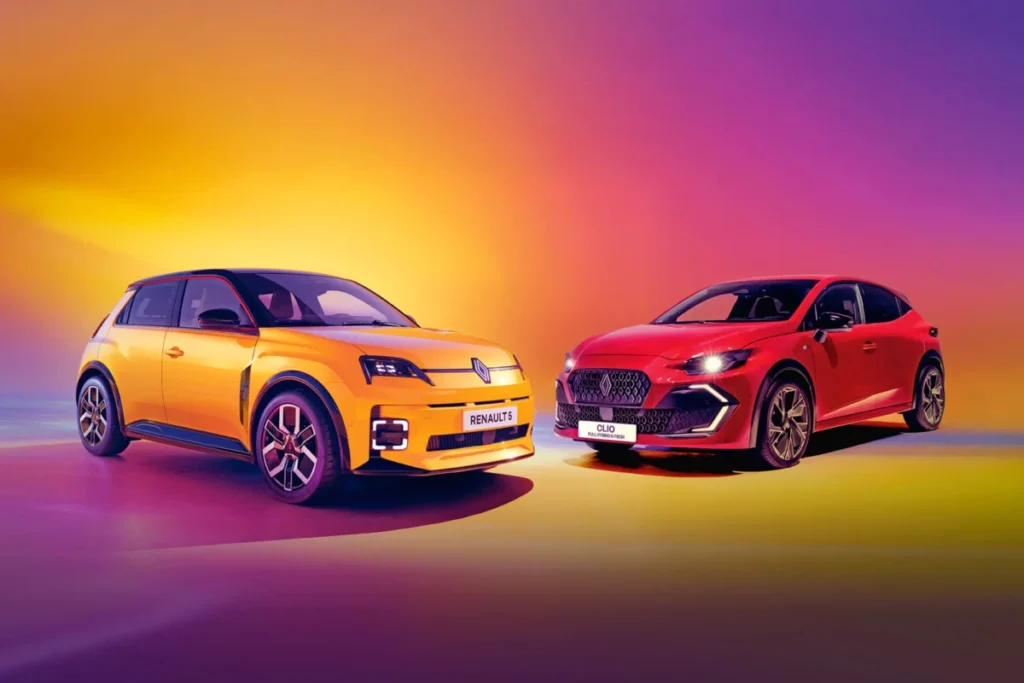
Renault is embarking on a strategic realignment, prioritizing the development of entirely new vehicle models while acknowledging the enduring appeal of its iconic nameplates. The French automaker, under the leadership of CEO Fabrice Cambolive, is carefully considering the future of its highly successful Renault 5 and Clio, but emphasized that the immediate focus is on introducing "purely new models" to diversify its current portfolio. This strategic pivot comes at a time when Renault has seen significant success with its retro-inspired electric vehicles and a growing range of hybrid offerings and SUVs that have revived classic designations.
The brand’s recent resurgence has been significantly boosted by its ability to tap into automotive nostalgia. Models like the electric Renault 4, 5, and Twingo have resonated strongly with consumers, harkening back to beloved designs while embracing modern electric powertrains. This approach has been complemented by a robust expansion of its hybrid vehicle lineup, including the latest iteration of the Clio, and a suite of new SUVs that have strategically leveraged the equity of established, classic Renault names. This dual strategy of celebrating heritage and innovating for the future has positioned Renault for continued growth in a rapidly evolving automotive landscape.
However, Cambolive was firm in his assertion that Renault will not solely rely on a nostalgic playbook. While he did not dismiss the possibility of future retro-inspired models, he stressed that any such vehicle must seamlessly integrate into the contemporary automotive era. "You can go retro if you have a purpose, but if you don’t have one, you will fail," Cambolive stated, underscoring the importance of relevance and utility over mere stylistic imitation. This philosophy suggests that any nod to the past will be carefully curated and serve a distinct purpose within Renault’s forward-looking product strategy.
Renault’s vision for its future lineup is one of carefully calibrated balance. Cambolive outlined a three-pronged approach: one-third of the portfolio will be dedicated to "iconic cars" such as the R5, R4, and Twingo, leveraging their established heritage. Another third will comprise "saga cars," vehicles that, while not necessarily icons, hold a significant place in consumer consciousness, exemplified by the Clio and the Scenic. The remaining third, however, is earmarked for "purely new models," a crucial element for sustained innovation. "You are dead if you just live in the past," Cambolive declared, reinforcing the imperative to introduce fresh concepts and designs. "Our first objective now is to bring into the market some purely new models, because we don’t have to count on the past with R5 and Clio." This statement signals a clear intent to move beyond relying solely on the success of established nameplates and to actively cultivate new avenues for brand growth and market penetration.
While Cambolive remained tight-lipped regarding the specifics of these forthcoming new models, he hinted at a broader trend towards developing "global cars" that can then be adapted with significant regional customization. This approach allows for economies of scale in development while ensuring that vehicles meet the diverse needs and preferences of different markets worldwide. This strategy is particularly relevant in today’s interconnected automotive industry, where platform sharing and modular design are key to efficient production and cost management.
Reinventing the Renault Clio: A Glimpse into the Future of a Segment Staple
The current generation of the Renault Clio has only recently been launched, with right-hand drive versions still awaiting their market debut in the UK. Despite this, Cambolive revealed that Renault’s immediate priority, even ahead of the next-generation Renault 5, is to meticulously plan for the successor to the current Clio. This indicates a long-term strategic outlook, with development for the next-generation Clio likely to span several years, with an anticipated arrival in the mid-2030s, aligning with typical product cycles.
Cambolive articulated a clear vision for the future of the B-segment hatchback, a segment where Renault has historically held a strong position. He identified an "uncovered sub-segment" within the European market for non-SUV, "low drive" B-hatchbacks, and it is this specific niche that Renault aims to redefine with the next Clio. "We feel that in Europe, we have a kind of uncovered sub-segment, which is the B-hatch-segment ‘low drive’ [non-SUV], where we need to invent the successor of Clio, and this is what we are working on now," he explained.
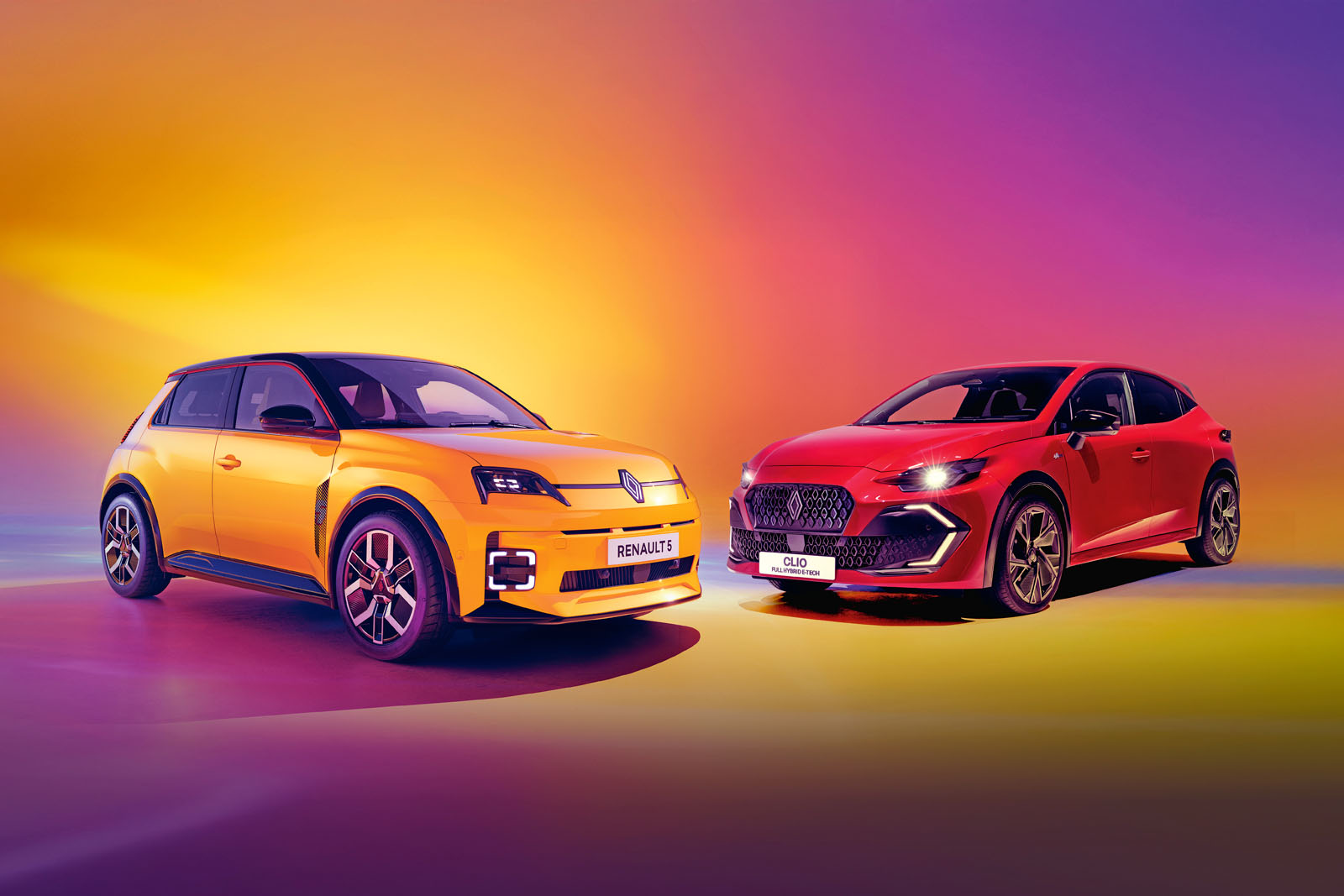
The strategic challenge lies in determining the optimal size and form for this next-generation Clio. Cambolive suggested that a typical B-hatch in the future might measure between 4.1 and 4.2 meters in length. The critical question for Renault is how to design a compelling hatchback that is not an SUV, while simultaneously catering to evolving consumer demands for sportivity, practicality, and versatility. This requires a deep understanding of market trends and a willingness to innovate beyond established conventions. "We are trying to understand the potential of the B-hatch, and at which size: a B-hatch now should be 4.1-4.2 metres. How do you cover this, when you need to have not an SUV but a hatch? And which type of car should you go for: sportivity, practicality, versatility and so on? This is what we are trying to anticipate with Clio for the next generation."
When pressed for further details, Cambolive was unequivocal that the next-generation Clio "shouldn’t be retro." He emphasized that the Clio is considered a "saga car," a vehicle with an ongoing narrative, and its evolution should reflect this, rather than attempting to shoehorn it into a retro aesthetic. The challenge lies in positioning the Clio within an increasingly electrified world, a transition that is still in its nascent stages for some segments. "Clio is a kind of saga car, and we have to think about the new Clio in this way, not to try to put the new Clio in the totally electrified world. It’s a little too soon to answer you. I don’t know if we will have a combustion engine at this stage," Cambolive stated, highlighting the dynamic nature of powertrain development and regulatory landscapes.
Crucially, Renault is developing a next-generation platform designed to be highly adaptable, capable of accommodating both pure-electric and range-extender powertrains. This flexibility is a cornerstone of Renault’s electrification strategy, allowing the company to respond effectively to market shifts and consumer preferences. The company’s ambitious electrification targets underscore this commitment. By 2030, Renault aims to have 100% of its sales electrified, with 50% of those being Battery Electric Vehicles (BEVs). Cambolive noted that current market trends suggest this BEV proportion might even exceed initial projections. "What we’re saying is that in 2030 we want to be 100% electrified, out of which 50% is BEV, and now the trend is going even higher towards BEV than what we said. It means it’s a little too soon to answer to you but, frankly speaking, we will be in a pure-electrified world [when the next Clio arrives]." This forward-looking statement suggests a strong likelihood that the next-generation Clio will be exclusively electric, or at the very least, heavily electrified, reflecting the accelerating pace of EV adoption.
Broader Implications for Renault’s Product Strategy
Renault’s strategic direction signals a significant shift in its approach to product development. While capitalizing on the emotional connection consumers have with iconic models is a proven strategy, the emphasis on "purely new models" indicates a commitment to long-term innovation and market leadership. This dual focus can help Renault appeal to a wider range of customers – those seeking familiar comfort and those craving cutting-edge design and technology.
The development of a flexible, multi-powertrain platform for future models is a testament to Renault’s pragmatic approach to electrification. This allows the company to hedge its bets in a market where the pace of EV adoption and the viability of different powertrain technologies are still subject to change. It also enables Renault to cater to diverse market demands, offering electrified solutions that might range from fully electric to hybrid or extended-range options, depending on regional infrastructure and consumer acceptance.
The success of this strategy will hinge on Renault’s ability to execute its vision for these new models. Introducing truly innovative and desirable vehicles that capture consumer imagination will be paramount. The Clio’s evolution, in particular, will be closely watched as it represents a critical segment for Renault. The challenge of reinventing a beloved "saga car" for a future defined by electrification and evolving consumer needs is substantial.
Furthermore, Renault’s commitment to global platforms with regional localization suggests a more integrated approach to product development across its various markets. This could lead to more efficient R&D, streamlined manufacturing, and ultimately, more competitive pricing for consumers. The automotive industry is increasingly globalized, and Renault’s strategy appears to be aligned with this trend, aiming to leverage its resources effectively across different geographies.
The automotive industry is currently navigating a period of unprecedented transformation. Factors such as evolving environmental regulations, advancements in battery technology, the rise of autonomous driving, and shifting consumer preferences are constantly reshaping the market. Renault’s strategic positioning, balancing the allure of its heritage with a clear focus on future innovation, appears to be a calculated response to these dynamic forces. The coming years will reveal whether this ambitious vision translates into tangible success for the French automaker.