Cambridge, MA – The Initiative for New Manufacturing (INM) at the Massachusetts Institute of Technology (MIT) recently commemorated its first anniversary with the highly successful MIT Manufacturing Week in May, a four-day convocation that drew over 800 registrants to explore the critical evolution of global manufacturing. Participants, ranging from bright-eyed students and distinguished faculty to influential industry leaders, discerning investors, burgeoning entrepreneurs, and key government officials, converged to deliberate on a spectrum of pressing topics. These discussions spanned the transformative integration of artificial intelligence (AI) onto factory floors, the pivotal role of agile startups in driving innovation, and the urgent development of novel workforce solutions to counteract persistent labor shortages plagining the sector. This milestone event underscored INM’s rapid progress and its commitment to re-establishing American leadership in advanced manufacturing, reflecting a broader national and international imperative to bolster industrial resilience and technological competitiveness.
MIT Manufacturing Week: A Nexus for Industrial Innovation
The inaugural MIT Manufacturing Week served as a powerful testament to the growing global appetite for innovation and collaboration within the manufacturing sphere. The meticulously curated agenda reflected INM’s multifaceted mission, addressing technological frontiers, human capital development, and entrepreneurial dynamism. According to Paula T. Hammond, dean of MIT’s School of Engineering and co-chair of INM’s Steering Committee, the initiative was launched precisely a year prior "with the premise that strengthening the industrial base needed a coordinated response, and MIT has a responsibility to lead it." The overwhelming turnout and enthusiastic engagement during the week-long events, she noted, "proved that the appetite for change — from students to chief executives — is real and urgent." This sentiment resonated throughout the various sessions, highlighting a shared recognition of the profound shifts occurring in manufacturing.
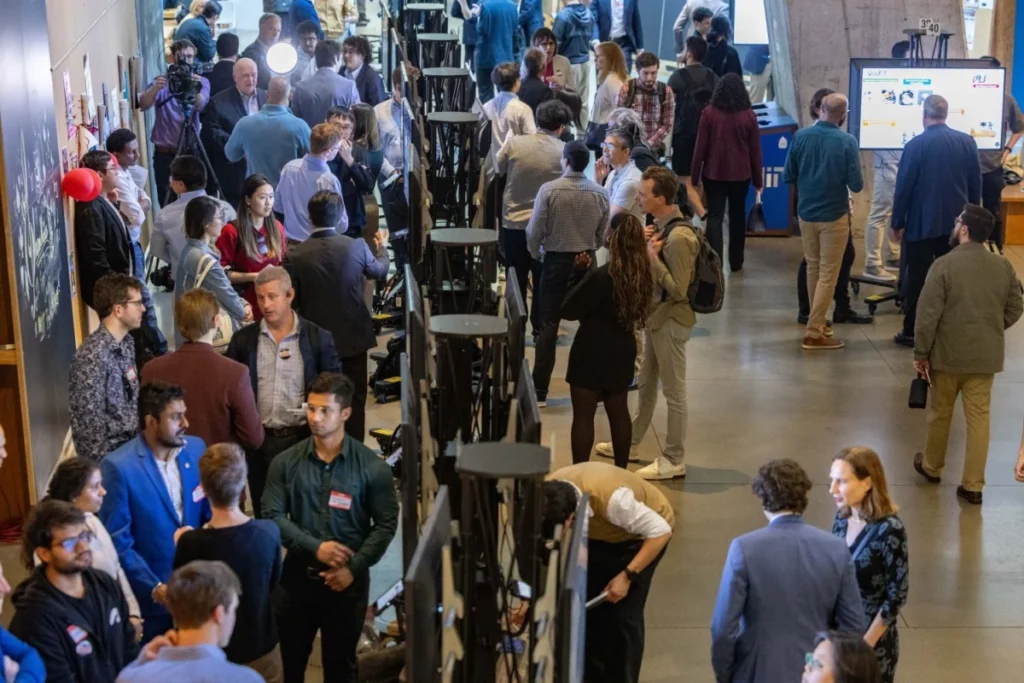
The week commenced with a critical cybersecurity workshop, co-led by INM and Google Cloud, specifically tailored for the initiative’s growing roster of industry members. This focused session addressed the increasing vulnerabilities of interconnected industrial systems and the strategic importance of robust digital defenses in an era of advanced persistent threats. The subsequent days were anchored by the MIT Machine Intelligence for Manufacturing Operations (MIMO) symposium, a flagship event dedicated to the practical deployment and strategic implications of artificial intelligence within operational manufacturing environments. Discussions extended beyond AI to encompass vital themes such as comprehensive workforce development strategies, the emergence of disruptive technologies, the catalytic role of startups, and overarching industrial transformation paradigms. The week culminated in a highly anticipated regional research showcase and competition, attracting over 140 graduate students and postdocs from leading institutions across the New England region, offering a glimpse into the future of manufacturing innovation.
Beyond the intensive Manufacturing Week, INM has consistently fostered intellectual exchange through its distinguished speaker series over the past year. This series has featured luminaries such as Keith Flynn, Senior Vice President of Manufacturing at Anduril, a defense technology company known for its autonomous systems; Roland Busch, President and CEO of Siemens, a global powerhouse in industrial automation and digitalization; and Venky Alagirisamy, COO of Nike, illustrating the diverse applications and challenges within modern manufacturing. These leaders have provided invaluable insights into real-world manufacturing operations, strategic planning, and the integration of cutting-edge technologies.
Forging a New Era: The Genesis and Vision of INM
The establishment of INM in May 2023 was a direct response to a confluence of factors underscoring the necessity of revitalizing domestic manufacturing. Decades of offshoring had eroded significant portions of the U.S. industrial base, leading to vulnerabilities in supply chains, particularly exposed during global crises such as the COVID-19 pandemic. Concurrently, rapid advancements in fields like artificial intelligence, robotics, advanced materials, and sustainable energy systems presented an unprecedented opportunity to redefine manufacturing capabilities. However, translating these laboratory breakthroughs into scalable industrial processes required a concerted, interdisciplinary effort. INM’s core mission is thus anchored in strengthening the nation’s industrial foundation by accelerating the transition of innovative research from academic labs to real-world applications, fostering a new generation of manufacturing leaders, and building robust ecosystems for industrial growth.
At its heart, INM aims to inspire students to view manufacturing not merely as a traditional industry, but as a dynamic frontier ripe for scientific discovery, technological innovation, entrepreneurial ventures, and profound societal impact. This reframing is crucial for attracting top talent to a sector that is increasingly sophisticated and vital for national security and economic prosperity. The initiative specifically targets the critical juncture where early-stage ideas and nascent technologies languish in the "valley of death" between academic research and commercial viability. By launching and leading targeted programs, INM endeavors to bridge this gap, facilitating the real-world development of new technologies and catalyzing the formation of new manufacturing companies. This proactive approach seeks to ensure that the intellectual capital generated at MIT and other leading institutions translates directly into tangible economic benefits and job creation within the manufacturing sector.
Catalyzing Startup Ecosystems and Next-Gen Technologies
A cornerstone of INM’s strategy to invigorate manufacturing is its dedicated focus on fostering entrepreneurship. Recognizing that startups are often the most agile vehicles for introducing disruptive innovations, INM has actively cultivated an environment conducive to their growth. This year, INM partnered with NSF I-Corps New England, a program renowned for guiding researchers through the arduous process of transforming their startup ideas into viable commercial enterprises. Together, they hosted INM’s inaugural manufacturing research showcase, an event that quickly garnered significant attention. Over 140 teams from 17 universities across the New England region applied to participate, a clear indicator of the robust entrepreneurial spirit within the academic community.
Forty finalist teams were selected, each receiving invaluable mentorship to refine their ideas and business models before advancing to the final competition. The culmination of this rigorous process saw eight teams sharing a prize funding pool of $50,000, providing crucial seed capital for their ventures. The diverse range of projects showcased reflected the cutting-edge of manufacturing research. The top prize in the "most transformative innovation" category was awarded to MIT PhD student Jake Read for his groundbreaking project, "The End of G Code." This initiative focuses on developing modular machine control architectures designed to dramatically accelerate the development of new manufacturing equipment and processes, potentially revolutionizing how industrial machinery is programmed and adapted. In the "research excellence" category, Vatsal Patel from MIT and Joshua Grace from Yale University secured the top prize for "VisFT," a scalable six-axis force-torque sensor technology. These sensors are critical for advanced robotics and automation, enabling machines to perform complex manipulation tasks with greater precision and adaptability.
The breadth of project themes presented underscored the vibrant innovation ecosystem INM is nurturing. These included advanced AI tools for manufacturing optimization, precision semiconductor manufacturing and process control, sophisticated robotics and autonomous assembly systems, digital twins and simulation for predictive maintenance and design, the development of novel materials, advanced additive manufacturing techniques, next-generation shipbuilding methodologies, and the burgeoning field of biomanufacturing.
John Hart, INM faculty co-director and head of MIT’s Department of Mechanical Engineering, emphasized the strategic importance of this entrepreneurial pathway: "Entrepreneurship is a transformative pathway to take research to market, and to drive faster innovation and scale-up." He further highlighted the success of the showcase, stating, "At INM’s inaugural research showcase, we had tremendous interest from universities across New England, along with enthusiastic participation from industry, investors, and experienced founders across the ecosystem. We are excited to build on this success and work toward a nationwide program and platform for entrepreneurship and translation in manufacturing." The showcase received crucial support from the Cheng Wu Foundation, further enabling INM’s efforts to foster a vibrant startup environment.
Addressing the Workforce Imperative: Training the Technologists of Tomorrow
A significant impediment to the growth and modernization of manufacturing globally, and particularly in the United States, is the persistent skilled labor shortage. Estimates from organizations like the Manufacturing Institute and Deloitte suggest that millions of manufacturing jobs could go unfilled in the coming decade due to a lack of adequately trained workers. INM has made workforce development a central pillar of its strategy, recognizing that technological advancements are only as effective as the human capital capable of deploying and managing them.
This fall, MIT launched the Technologist Advanced Manufacturing Program (TechAMP), a pioneering initiative led by Principal Research Scientist John Liu. TechAMP is designed to cultivate a new generation of "technologists" – shop floor leaders and drivers of productivity who possess both deep technical knowledge and leadership skills. The program is currently operating at six sites across New England, including three community colleges, strategically positioning it to reach a diverse pool of aspiring manufacturing professionals. Liu articulated the ambitious scope of the program, stating, "INM has the potential to transform the national manufacturing workforce. It will require deep engagement between how people learn and lead, and how firms adopt new technologies and transform. We’re just getting started." The curriculum focuses on hands-on training, problem-solving, and the adoption of new manufacturing technologies, preparing participants for high-demand roles in advanced industrial settings.
Beyond formal training programs, INM actively engages students on campus to cultivate interest and expertise in manufacturing. This includes an AI and automation lunch series, organized by Professor Faez Ahmed and his colleagues, which provides a forum for students to explore cutting-edge applications and research in these fields. The Factory Observatory program, led by Ben Armstrong and the MIT Industrial Performance Center, offers invaluable opportunities for students to visit operational factories, gaining firsthand exposure to modern manufacturing processes and challenges. This spring saw the student-led founding of MIT’s first manufacturing club, a significant organic development that held its launch event during MIT Manufacturing Week. Karen Zheng, Sloan associate professor and INM faculty co-director, expressed her enthusiasm: "We’re thrilled students are taking the lead. It was really exciting to see a full room of 80-plus students across campus coming together for the kickoff event during the busiest final period of a semester. This speaks to the students’ enthusiasm." These initiatives collectively aim to inspire and equip the next generation of manufacturing innovators and leaders.
Strengthening Industry Partnerships for Collective Progress
The challenges facing modern manufacturing — from ensuring robust supply chain resilience and developing a skilled workforce to maintaining global industrial competitiveness and integrating complex new technologies like AI and sustainable practices — are too intricate and pervasive for any single entity to tackle in isolation. INM’s industry consortium model is built on the premise that collective intelligence and shared resources are essential for navigating this complexity. By bringing together industry leaders, cutting-edge researchers, and dedicated educators, INM provides a unique platform to address these shared manufacturing challenges collaboratively.
During MIT Manufacturing Week, First Solar, a leading American manufacturer of solar panels, became INM’s eighth industry member. This addition reflects a broader recognition of the initiative’s value, with First Solar joining a distinguished group that includes Amgen, Autodesk, GE Vernova, Flex, PTC, Sanofi, and Siemens. The growth of this consortium underscores a fundamental shift in how industries are approaching innovation and problem-solving, moving away from siloed R&D towards open collaboration with academic powerhouses like MIT.
The consortium model focuses on several key areas: emerging technologies, workforce transformation, and the development of clear commercialization pathways. Members actively participate in workshops and working groups covering a diverse array of topics. These range from developing secure cybersecurity protocols for industrial control systems and implementing automated systems effectively, to understanding the implications of AI agents in regulated environments and leveraging AI for continuous innovation. Furthermore, INM facilitates crucial connections for its members, enabling them to engage with bright students, meet promising startups, and learn from the collective experiences and best practices of their peers. Rick Locke, dean of the MIT Sloan School of Management and co-chair of INM’s steering committee, highlighted the unique strength of this approach: "Our members see MIT as a partner that can help them both address today’s challenges and think far into the future. This kind of multi-industry engagement is unusual and powerful." This collaborative ecosystem allows companies to pool resources, share insights, and collectively accelerate the adoption of advanced manufacturing techniques.
A Year of Transformative Momentum and Strategic Growth
Since its inception, INM has demonstrated remarkable progress across its core pillars of research, industry engagement, workforce training, and student involvement. The initial goal of fostering stronger connections between these critical components — accelerating the transition of new manufacturing technologies from the laboratory into real-world development — has been vigorously pursued and substantially achieved.
Early in its journey, INM issued a targeted call for proposals focused on artificial intelligence and automation, areas deemed critical for future manufacturing competitiveness. The response from faculty and researchers was overwhelming, leading to the funding of eight seed research projects. These projects represent nascent, high-potential research endeavors that could yield significant breakthroughs. In June, INM plans to publish eight white papers, forming part of a broader, comprehensive study examining the future trajectory and strategic imperatives of manufacturing, providing valuable insights for policymakers and industry stakeholders.
Beyond research, INM has actively engaged in practical training and entrepreneurial support. During MIT’s Independent Activities Period (IAP) in January 2026 (likely a typo in the original text, should probably be 2024 or 2025, assuming a year from launch), INM collaborated with NSF I-Corps to guide 13 early-stage teams through intensive customer discovery as part of the I-Corps Spark program. This crucial phase helps researchers understand market needs and refine their product-market fit, a vital step in commercialization.
The success of TechAMP in New England has sparked ambitions for a broader impact. INM is now actively exploring a national rollout of the program, seeking to replicate its success in other regions facing similar manufacturing workforce challenges. Additionally, the initiative plans to expand its focus into specialized areas such as biomanufacturing, a rapidly growing sector with significant economic and health implications, and semiconductor manufacturing, a strategically vital industry currently undergoing a resurgence in domestic investment. These expansions reflect INM’s commitment to addressing the nation’s most pressing manufacturing needs.
Charting a Global Course: The Future Trajectory of Manufacturing
While maintaining a deep and unwavering focus on strengthening domestic manufacturing capabilities, INM also harbors an ambitious vision for global reach and impact. The initiative recognizes that manufacturing innovation is a global endeavor, and international collaboration is essential for long-term success. A notable example of this international engagement is INM’s collaboration with NAMTECH, a nascent education institute located in Ahmedabad, India. Through this partnership, NAMTECH students are now undertaking an adapted version of MIT’s renowned "yo-yo course," officially known as 2.008 (Design and Manufacturing II). This hands-on course, celebrated for its practical approach to manufacturing fundamentals, introduces students to the intricacies of product design, process planning, and scaled production through the tangible experience of manufacturing a yo-yo. This cross-cultural exchange of educational methodologies is instrumental in building a globally competent manufacturing workforce.
Looking ahead, INM has laid out an ambitious roadmap for its second year and beyond. The initiative plans to further enrich its campus environment by bringing more manufacturing leaders to MIT, fostering direct interactions between students and industry titans. Additional programming will be offered for emerging entrepreneurs, providing further support and resources for startup growth. The first cohort of TechAMP students is set to graduate, marking a significant milestone in INM’s workforce development efforts, with plans to expand TechAMP into new states. The industry consortium is also projected to grow, encompassing new industries and further diversifying its collaborative network. Crucially, INM will deepen its research into manufacturing productivity, seeking to identify and disseminate best practices and innovative approaches that can enhance efficiency and output across the sector.
Chris Love, faculty co-director of INM, encapsulated the initiative’s overarching ambition: "INM aims to be a catalyst for transforming manufacturing across the nation to drive innovation, economic growth, and new types of jobs." He drew a direct link to a seminal MIT study, "Making in America: From Innovation to Market," also known as the PIE (Production in the Innovation Economy) study published in 2013. This study highlighted the critical value of geographical proximity between production facilities and innovation hubs, arguing that such closeness fosters faster iteration, better quality, and more robust economic ecosystems. "INM seeks to rekindle this relationship in manufacturing across the country," Love affirmed, underscoring the long-term vision of integrating research, development, and production to secure a prosperous and resilient manufacturing future for the nation. The ongoing efforts of INM are poised to play a pivotal role in shaping this future, ensuring that the United States remains at the forefront of industrial innovation and economic dynamism.