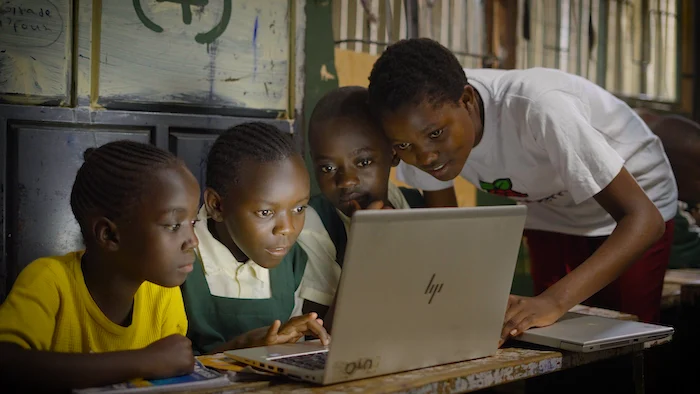
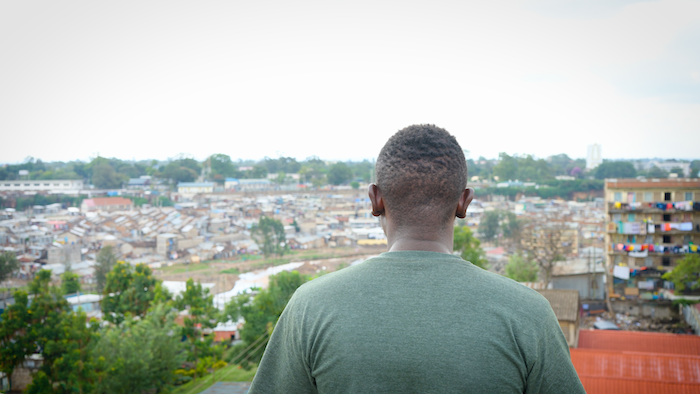
In the heart of Nairobi, Kenya, lies Mathare, one of the oldest and largest informal settlements in Africa. Home to hundreds of thousands of residents living in high-density conditions with limited access to basic services, Mathare presents a challenging environment for young people seeking upward mobility. However, amidst the systemic barriers of poverty and restricted access to formal education, a digital revolution is taking root. Oasis Mathare, a community-based organization founded by a local visionary named Douglas, is leveraging technology to dismantle the boundaries that have long confined the aspirations of the settlement’s youth. By integrating coding and digital literacy into the community’s fabric, the organization is proving that technical skills can serve as a powerful equalizer in the global economy.
The Socio-Economic Landscape of Mathare
To understand the impact of Oasis Mathare, one must first consider the socio-economic context of its environment. Mathare is characterized by a lack of formal infrastructure, where overcrowding is the norm and formal employment is a rarity. For the majority of youth in this area, the path through the formal education system is frequently interrupted by financial constraints. According to various NGO reports, a significant percentage of children in Nairobi’s informal settlements do not complete secondary school, often entering the informal labor market at a young age to support their families.
In this environment, the "digital divide" is not merely a theoretical concept but a daily reality. While Nairobi has earned the moniker "Silicon Savannah" due to its burgeoning tech hub status and the success of platforms like M-Pesa, the benefits of this digital boom often fail to reach the residents of places like Mathare. Access to hardware, stable internet, and quality instruction remains prohibitively expensive for most. Douglas, the founder of Oasis Mathare, recognized this disparity and sought to bridge the gap by providing the resources he once struggled to find himself.
The Genesis of Oasis Mathare: A Chronology of Self-Reliance
The story of Oasis Mathare began not in a boardroom, but in a local internet café. Douglas’s own journey into the world of technology was born out of necessity and curiosity. Lacking the means for formal technical training, he spent his time in internet cafés, teaching himself the fundamentals of graphic design and computer operations. This self-taught proficiency eventually led to his first job, a pivotal moment that demonstrated the transformative power of skill-based learning.
Douglas’s realization was simple yet profound: in the digital age, skills can often supersede formal credentials. By the mid-2010s, he began formalizing his efforts to bring this opportunity to others in his community. Oasis Mathare was established with the core belief that technology knows no race, gender, or geographic boundary. The organization’s timeline saw a significant leap forward when it partnered with the Raspberry Pi Foundation, an international charity that provides low-cost computers and a structured curriculum for children to learn coding.
By adopting the "Code Club" model, Oasis Mathare was able to move beyond basic computer literacy. They began offering a structured pathway for children and young adults to master programming languages such as Scratch, Python, and HTML/CSS. This partnership addressed a critical "missing piece" in their early efforts: a standardized, creative curriculum that could scale with the learners’ progress.
The Code Club Model and Technical Pedagogy
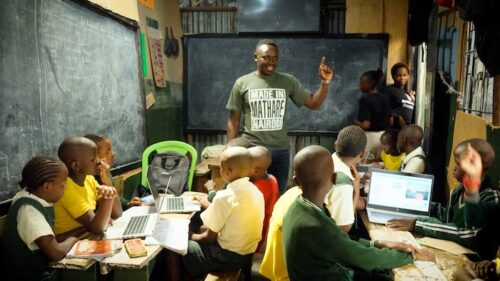
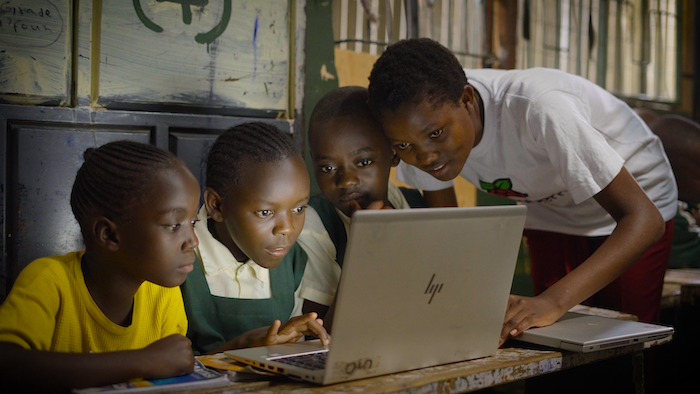
Oasis Mathare operates Code Clubs both within local schools and at its dedicated community center. The pedagogical approach is designed to be accessible and engaging, moving away from the rote memorization often found in under-resourced schools. Instead, the focus is on project-based learning. Students are encouraged to build games, animations, and websites, providing them with immediate feedback and a sense of accomplishment.
The use of Raspberry Pi hardware is particularly strategic. These credit-card-sized computers are affordable, durable, and designed to encourage tinkering. For a student in Mathare, the ability to see the internal components of a computer and understand how they interact removes the "black box" mystique of technology. It transforms them from passive consumers of digital content into active creators.
Mentorship: The Pipeline from Learner to Leader
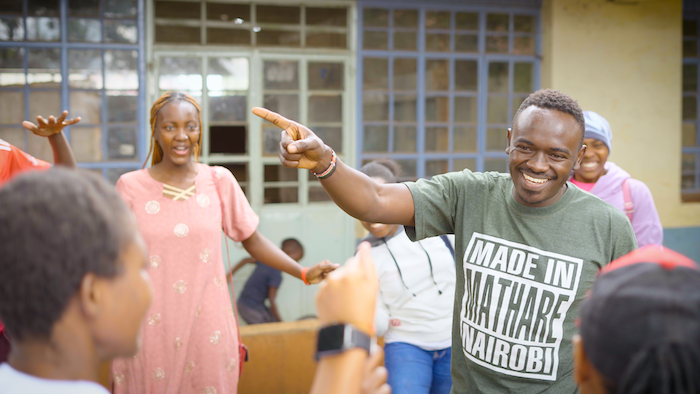
One of the most significant developments within Oasis Mathare is the emergence of a self-sustaining mentorship ecosystem. As students progress through the Code Club curriculum, they are encouraged to return as volunteer mentors. This "pay-it-forward" model ensures that the knowledge remains within the community and provides younger children with relatable role models.
Keziah, a mentor at the center, highlights the social importance of this engagement. In an environment where idleness can lead to negative social outcomes or involvement in crime, the Code Club provides a constructive alternative. For Keziah, volunteering is not just about teaching code; it is about career growth and building a network of like-minded individuals.
Similarly, Faith, who transitioned from a student to a mentor, reflects on the psychological shift that occurs when a young person realizes they can code. "My thought was like coding is only for genius kids and the smart ones," she noted. Her experience dismantled the myth that high-tech skills are reserved for the elite. This shift in self-perception is a critical component of the program’s success. When a child sees their project run successfully for the first time, the "light up" on their face, as described by mentor Hope, signifies a newfound confidence that extends beyond the computer screen.
Data and the Broader Impact of Digital Literacy in Kenya
The work of Oasis Mathare aligns with broader national and continental trends. Kenya’s ICT sector has been a major driver of economic growth, contributing approximately 8-9% to the country’s GDP. The government’s "Vision 2030" and the "Digital Economy Blueprint" aim to transform Kenya into a middle-income country through technology. However, for these national goals to be inclusive, grassroots initiatives are essential.
Data from international labor organizations suggests that by 2030, nearly 230 million jobs in Africa will require some level of digital skills. By providing these skills to youth in informal settlements, Oasis Mathare is directly addressing the "skills gap" that often prevents marginalized populations from participating in the modern workforce. The impact is measurable not just in lines of code written, but in the livelihoods improved. Young people who gain proficiency in graphic design, web development, or data entry can find remote work, freelance opportunities, or employment in Nairobi’s growing tech sector.
Analysis of Implications: Social and Economic Empowerment
The implications of Oasis Mathare’s work are multi-faceted. Economically, it provides a viable alternative to the cycle of poverty. By equipping youth with marketable skills, the organization reduces the community’s reliance on precarious informal labor. Socially, it fosters a sense of agency. In a community where residents often feel forgotten by the state or the formal economy, the ability to master a global language like code provides a sense of belonging to the wider world.
Furthermore, the program addresses gender disparities in technology. By actively encouraging girls like Faith and Keziah to participate and lead, Oasis Mathare is challenging the traditional gender roles that often limit women’s participation in STEM (Science, Technology, Engineering, and Mathematics) fields in East Africa.
Future Outlook and Scalability
The success of Oasis Mathare serves as a blueprint for other underserved communities globally. The model demonstrates that with the right resources—namely, low-cost hardware, a structured curriculum, and a strong mentorship network—the digital divide can be bridged even in the most challenging circumstances.
Douglas remains a vocal advocate for the potential of his community. His message to young people in similar situations is one of radical hope: "It is really possible to change your life, as long as you have a positive mind, you have hope, and you’re working hard."
As Oasis Mathare continues to expand, the focus will likely shift toward deepening the technical expertise of its senior students, perhaps moving into advanced software engineering, AI, or cybersecurity. The ultimate goal is to create a self-perpetuating cycle of innovation where the next generation of Kenyan tech leaders emerges not from the affluent suburbs of Nairobi, but from the resilient streets of Mathare.
In conclusion, the story of Oasis Mathare is more than a narrative about learning to type or use software. It is a testament to the power of technology when placed in the hands of the motivated. By breaking down the barriers to entry, Douglas and his team are not just teaching code; they are rewriting the future of their community, one project at a time. Through the support of global partners like the Raspberry Pi Foundation and the dedication of local mentors, the boundaries of what is possible in Mathare are being redefined daily.