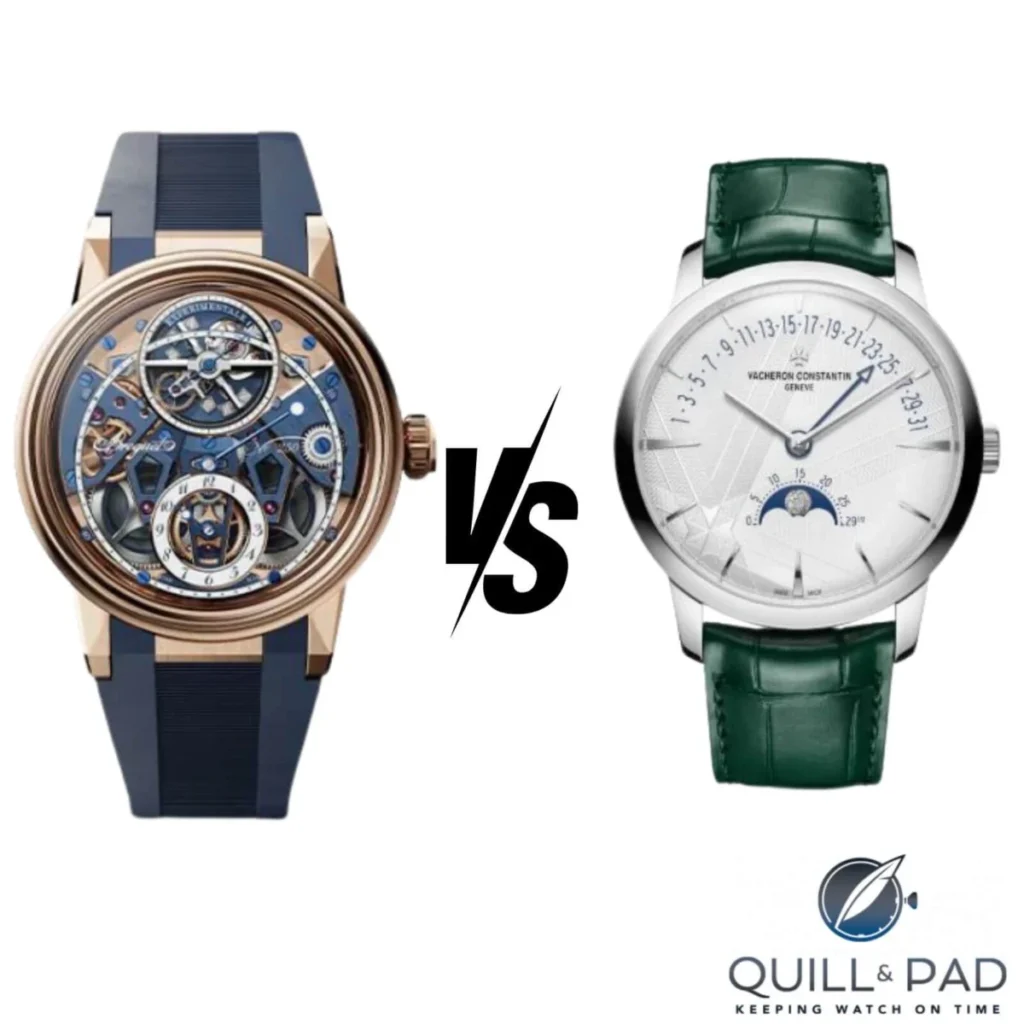
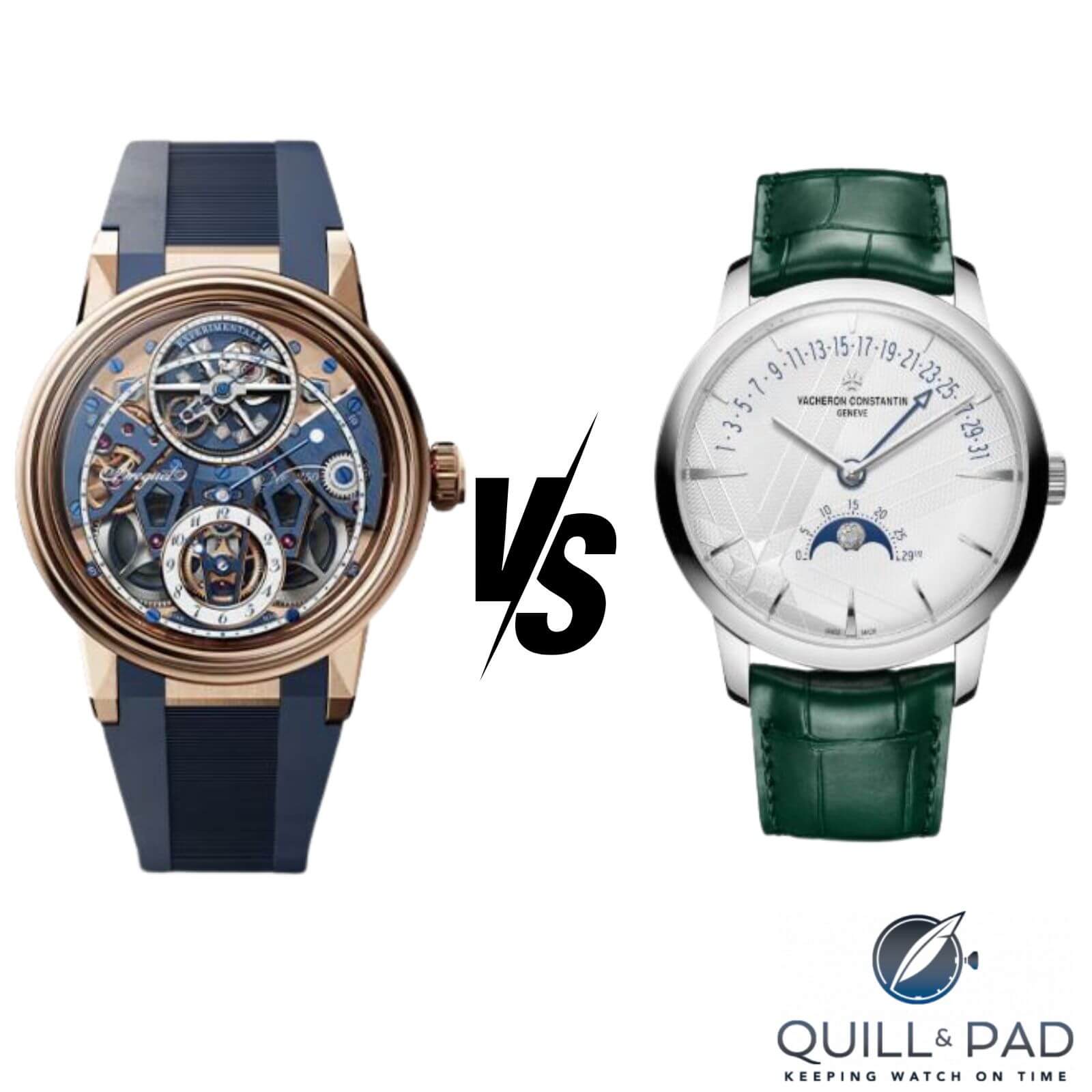
When two authentic, luxury timepieces from industry titans like Vacheron Constantin and Breguet are placed side-by-side, a moment of quiet appreciation is inevitable. These brands, synonymous with profound technical watchmaking and enduring elegance, stand as foundational pillars of haute horlogerie. While declaring one definitively "better" than the other is a futile exercise, a comparative study of their philosophies, heritage, and craftsmanship offers a rewarding exploration for both seasoned collectors and newcomers to the world of horology. This deep dive into Breguet versus Vacheron Constantin reveals two distinct paths to the pinnacle of technical and aesthetic mastery, each reflecting a unique historical narrative and design ethos.
The Weight of the Past: Heritage Versus Invention
To truly understand the modern context of these venerable maisons, one must delve into their foundational narratives. Vacheron Constantin represents a story of unyielding survival, while Breguet embodies relentless innovation.
Vacheron Constantin, established in 1755 by Jean-Marc Vacheron in Geneva, proudly holds the title of the world’s oldest continuously operating watchmaker. Its unbroken lineage is a testament to its resilience, having navigated the tumultuous waters of the French Revolution, two World Wars, and, most critically, the devastating Quartz Crisis of the 1970s and 1980s. For perspective, the advent of affordable, mass-produced quartz watches nearly decimated the traditional Swiss watch industry. While other esteemed brands like Patek Philippe and Audemars Piguet also weathered this storm, Vacheron Constantin’s sustained operation since its inception is a singular achievement that underscores its enduring strength and adaptability. Each anniversary celebrated by the brand further amplifies this narrative of endurance.
In contrast, Breguet’s legacy is intrinsically linked to the very evolution of mechanical watchmaking. Founded in Paris in 1775 by Abraham-Louis Breguet, his contributions are so fundamental that it is difficult to imagine modern horology without them. He is credited with inventions that revolutionized precision and reliability, including the tourbillon—designed to counteract the effects of gravity on a pocket watch’s escapement—and the overcoil hairspring, which improved the concentricity and thus the "breathing" of a movement. Furthermore, Breguet developed the parachute shock protection system, safeguarding delicate watch components, and created the world’s first true wristwatch, commissioned for Queen of Naples. Whether one personally favors Breguet’s aesthetic, the brand’s historical significance in shaping the very tools and principles of mechanical watchmaking is undeniable. Virtually every contemporary watchmaker, regardless of their market segment, benefits from innovations conceptualized in Breguet’s Parisian workshop over two centuries ago.
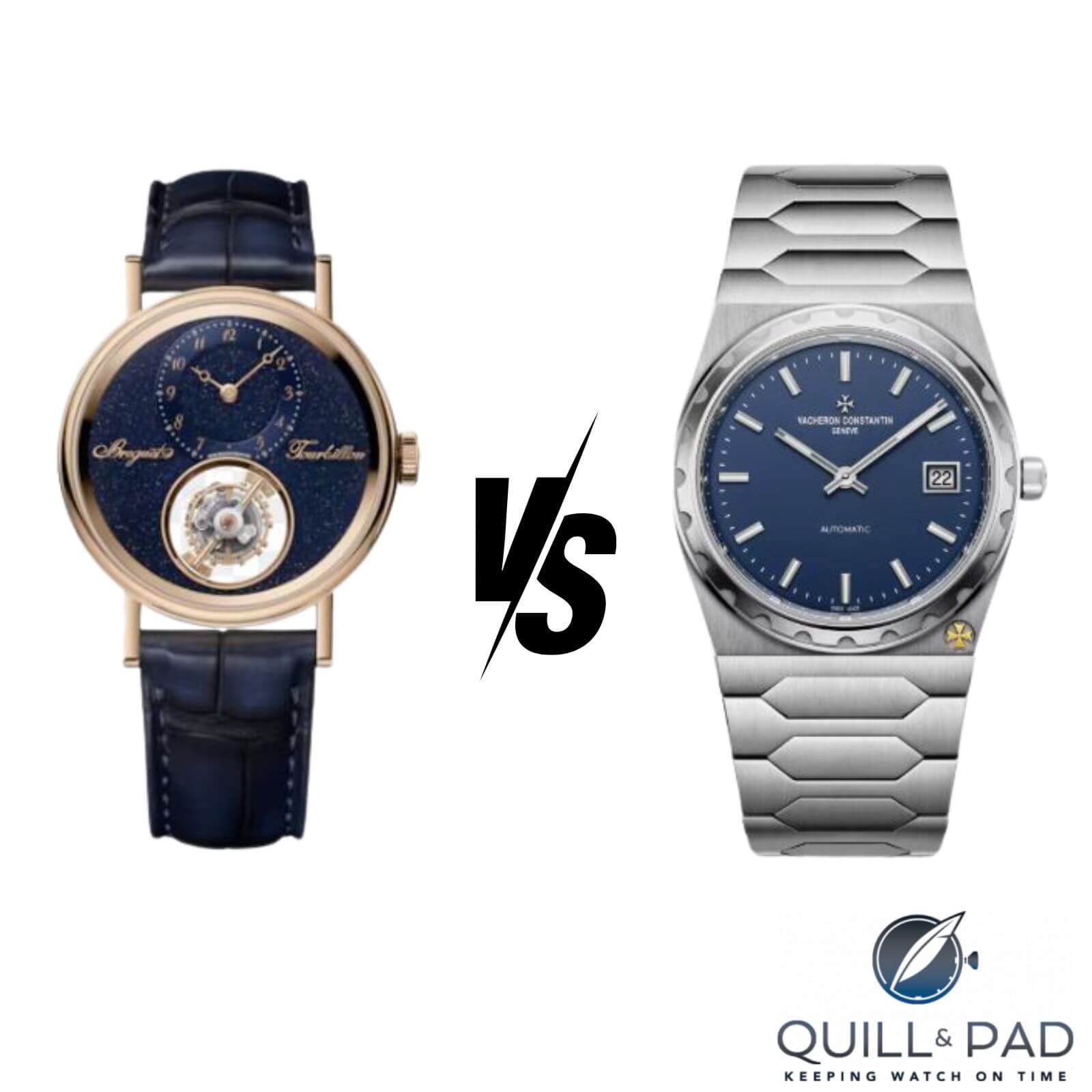
This divergence prompts a fundamental question: Is greater admiration due to the entity that has sustained its operation through centuries of global upheaval, or to the visionary who invented the very instruments that enable others to persist?
The Architecture of Light: Guilloché and the Coin-Edge
The dial of a watch serves as a canvas, speaking volumes about the wearer’s personality and the brand’s design philosophy. The visual lexicons of Breguet and Vacheron Constantin are strikingly distinct.
Breguet watches, while often incorporating 19th-century design elements, possess a remarkable contemporary relevance. This is largely due to their signature hand-turned guilloché dials. This intricate decorative technique is not a mechanized stamping process but a meticulous exercise in light management, where complex patterns are painstakingly carved into solid gold dial plates using antique rose engines guided by an artisan’s skilled hand. Patterns such as "Clous de Paris" or "Vieux Panier" catch ambient light, creating a depth and visual texture that flat, painted dials cannot replicate. Complementing these dials are Breguet’s iconic blued steel hands, characterized by their distinctive moon-like tips, and the brand’s signature fluted coin-edge case middles, welded lugs with screw pins, and neo-classical case architecture. The intricate beauty of Breguet’s guilloché dials and its subtle design signatures are consistently lauded by aficionados.
Vacheron Constantin’s design language, conversely, is one of refined restraint. The brand prioritizes perfect mathematical proportions and elegant simplicity over elaborate dial textures. A recurring motif, and often the focal point of their designs, is the Maltese Cross. This emblem, inspired by a historical movement component that regulated the mainspring’s tension for consistent force delivery, is subtly integrated into the curved lugs of the Patrimony collection or boldly featured on the bezel of the Overseas line. It stands as a hallmark of Vacheron Constantin’s elite Genevan heritage. Vacheron’s dials often embrace the luxury of negative space, employing applied faceted markers and razor-sharp dauphine hands to achieve a harmonious and balanced aesthetic.
The Dandy and the Purist: A Head-to-Head Comparison
To illustrate their contrasting approaches to creating a time-only watch designed for elegance and wearability under a shirt cuff, a comparison of two emblematic modern references is insightful: the Vacheron Constantin Historiques American 1921 and the Breguet Classique 7147.
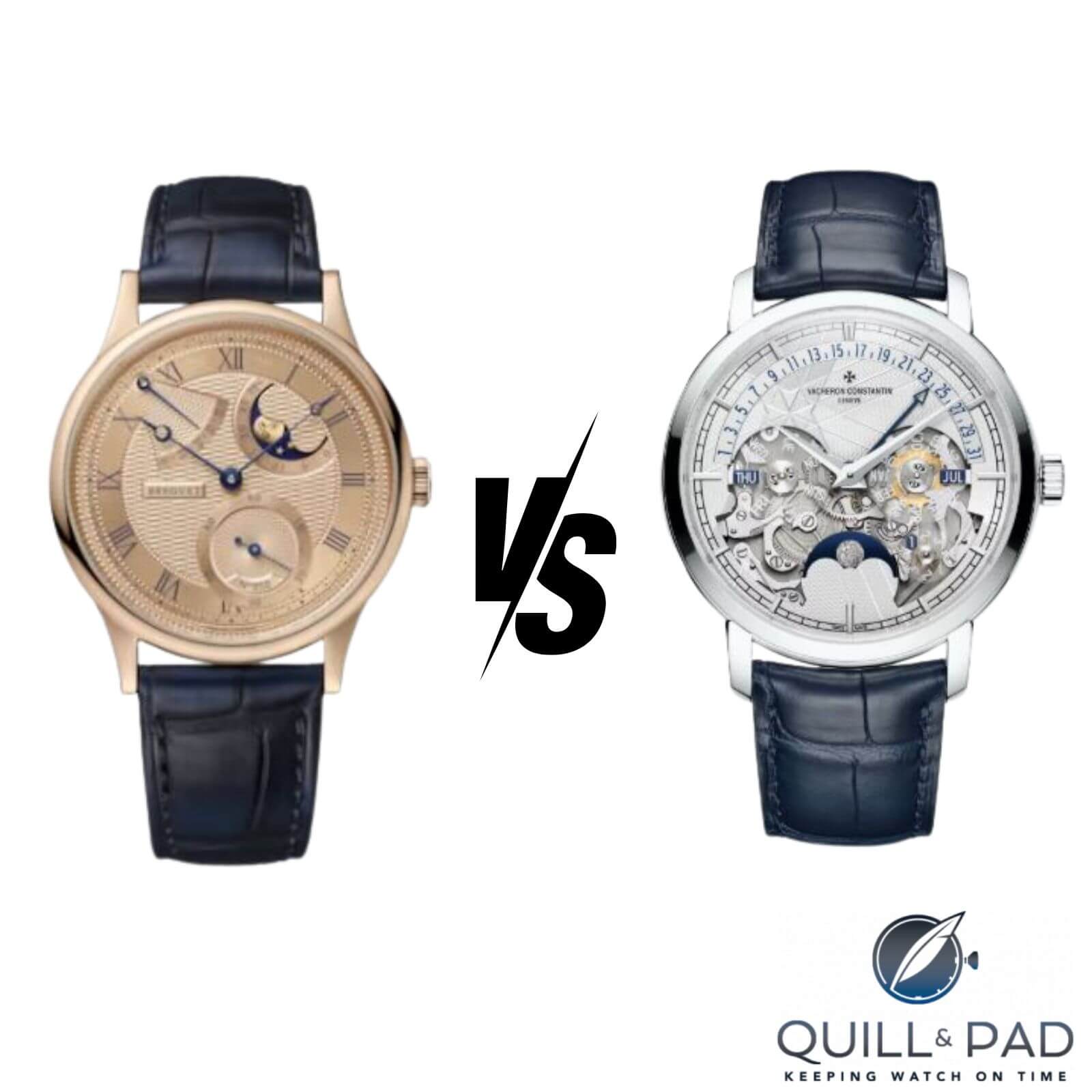
Initially, the Vacheron Constantin American 1921 might be perceived as a stylistic novelty, perhaps more suited for making a statement than for everyday wear. However, closer examination of the 40mm pink gold version reveals a sophisticated and recalibrated appreciation for its design. The 1921 is distinguished by its unique cushion-shaped case and a dial rotated 45 degrees to the right, with the crown positioned at the upper corner. This unconventional layout, lore suggests, was developed as a driver’s watch, enabling wearers to read the time without removing their hands from the steering wheel. Despite its unusual case shape, the American 1921 drapes elegantly on the wrist, exuding both substance and restraint. Its vintage aesthetic, particularly when paired with a distressed brown leather strap, possesses an undeniable evocative charm.
The Breguet Classique 7147, on the other hand, embodies the quintessential modern dress watch. Measuring 40mm in diameter and a remarkably thin 6.1mm in thickness, it adheres to traditional dress watch proportions. While Vacheron employs an avant-garde case shape for its retro appeal, Breguet leans into established horological conventions. The 7147’s dial is a masterclass in texture and balance, featuring a hobnail pattern in the center and a delicate crosshatch pattern within the off-center small seconds sub-dial at 5 o’clock. The artistry extends to the caseback, revealing the Calibre 502.3 SD. This ultra-thin automatic movement features a distinctive off-center rotor, strategically designed to leave the escapement unobstructed for optimal viewing, showcasing Breguet’s commitment to both technical prowess and visual appeal.
Ultimately, neither watch opts for the conventional. The choice between the Vacheron Constantin American 1921’s Art Deco-inspired profile and the Breguet Classique 7147’s strict, neoclassical elegance hinges on individual collector preference.
Technical Mastery: The Geneva Seal Versus the Lemania Legacy
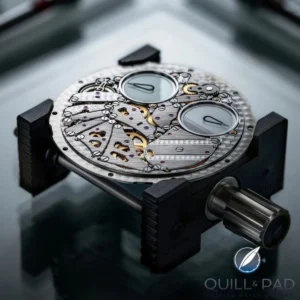
The debate over movement finishing and technical execution often ignites passionate discourse among collectors. Vacheron Constantin stands as one of the few horological houses to master the Poinçon de Genève, or Geneva Seal. This independent, legally binding certification signifies not only aesthetic perfection but also functional excellence within the movement. The Geneva Seal mandates that every single component, down to the smallest screw heads and the concealed undersides of bridges, be meticulously polished, chamfered, and finished by hand to an exceptionally high standard. Examining a Vacheron Constantin movement through its sapphire caseback reveals a caliber that has undergone an impossibly strict examination set forth by the city of Geneva itself, serving as the ultimate certificate of origin and quality.
Breguet’s approach to movement architecture and finishing follows a different trajectory, significantly influenced by its acquisition of the renowned Lemania manufacture. Breguet movements often exhibit a more architectural presentation. While impeccably finished, they tend to prioritize a technical, almost industrial elegance over the ornate Geneva style. This is not a detraction but a distinct aesthetic choice. Breguet movements, particularly those found in the Tradition line, often expose the gear train on the dial side, resembling a miniature, functioning cityscape of wheels and pinions. The finishing is immaculate and deeply traditional, adhering to the principles set forth by Abraham-Louis Breguet rather than the dictates of a modern Swiss testing board. The caseback of a Breguet watch reveals intricate details, such as the "pare-chute" shock protection system, implemented precisely as the founder envisioned in the 19th century.

The Modern Battleground: Overseas and Marine
In the current era dominated by the integrated-bracelet sports watch, the rivalry between Vacheron Constantin and Breguet extends to this highly sought-after segment. The Vacheron Constantin Overseas has emerged as a formidable force, forming a crucial part of the "Holy Trinity" of sports watches, alongside icons like the Patek Philippe Nautilus and Audemars Piguet Royal Oak. Its aggressive bezel design is complemented by a truly revolutionary quick-change strap system. With a simple mechanism, wearers can seamlessly transition from a meticulously brushed steel bracelet to a supple rubber strap or fine leather, instantly transforming the watch’s character. This versatility, combined with its robust construction and refined aesthetics, positions the Overseas as an ideal luxury travel companion.
The Breguet Marine collection, however, occupies a more debated space within the brand’s portfolio. A common question among enthusiasts is whether the Marine deviates from Breguet’s classical DNA by venturing into the luxury sports watch arena, or if its nautical design is simply misunderstood. The Marine features distinctive integrated lugs, a captivating guilloché dial with a wave pattern, and a robust, highly capable movement. While some might perceive the Marine as caught between worlds—too dressy for the beach and too sporty for formal occasions—its inherent tension can be seen as its greatest strength. Its brilliance lies not in emulating existing designs but in its refusal to conform, creating a unique identity that stands apart from conventional sports watch archetypes.
Richemont Vs. Swatch: Navigating Market Dynamics
Breguet stands as the crown jewel of the Swatch Group, its revival championed by the late Nicolas G. Hayek, who invested significant resources in restoring the brand’s prominence. Vacheron Constantin, conversely, is a prestigious pillar of the Richemont Group. These powerful corporate entities provide the financial stability and research and development budgets necessary for both maisons to continue pushing the boundaries of watchmaking, as exemplified by Vacheron Constantin’s exceptional Les Cabinotiers department, renowned for its one-of-a-kind astronomical masterpieces.
Currently, Vacheron Constantin enjoys immense popularity in the secondary market, largely fueled by the fervent demand for the Overseas model and the brand’s high liquidity among collectors. Global demand consistently outstrips supply, making the acquisition of an Overseas watch from a boutique a challenging endeavor that often requires considerable patience and a strong relationship with retailers.
Breguet, on the other hand, is widely regarded as a discerning collector’s "smart buy." While its auction performance is steadily improving, it is still possible to acquire a remarkable, hand-finished Breguet on the secondary market for a considerably lower price than a highly sought-after steel sports watch from a competitor. For those who understand the nuances of the pre-owned market, a vintage Breguet Classique or Tradition model offers an accessible entry point into the world of high-end watchmaking, providing an understated yet sophisticated statement piece that may elude the attention of the casual observer focused on market hype.
Inheriting a Legacy: The Final Decision
In the grand tapestry of haute horlogerie, the choice between Breguet and Vacheron Constantin is not about selecting a definitive winner but about aligning with a brand philosophy that resonates most profoundly with the individual collector.
For the individual who deeply respects the historical evolution of timekeeping and seeks timepieces for their intrinsic intellectual satisfaction and personal enjoyment, Breguet offers a compelling proposition. Its watches are imbued with a legacy of invention and a profound connection to the very foundations of mechanical watchmaking.
Conversely, for the collector who wishes to align themselves with an unbroken lineage of Genevan excellence and to possess a watch that signifies membership in an elite horological tradition, Vacheron Constantin presents an unparalleled choice. Its enduring heritage and commitment to the highest standards of craftsmanship speak volumes.
Regardless of the ultimate selection, acquiring a timepiece from either Breguet or Vacheron Constantin means inheriting a tangible piece of horological legacy. Both manufacturers deserve recognition for their contributions, reminding us that even as the industry evolves with increasing sophistication, certain elements—such as the perfect bevel on a movement bridge or the meticulous decoration of a balance wheel—will always hold immeasurable value.