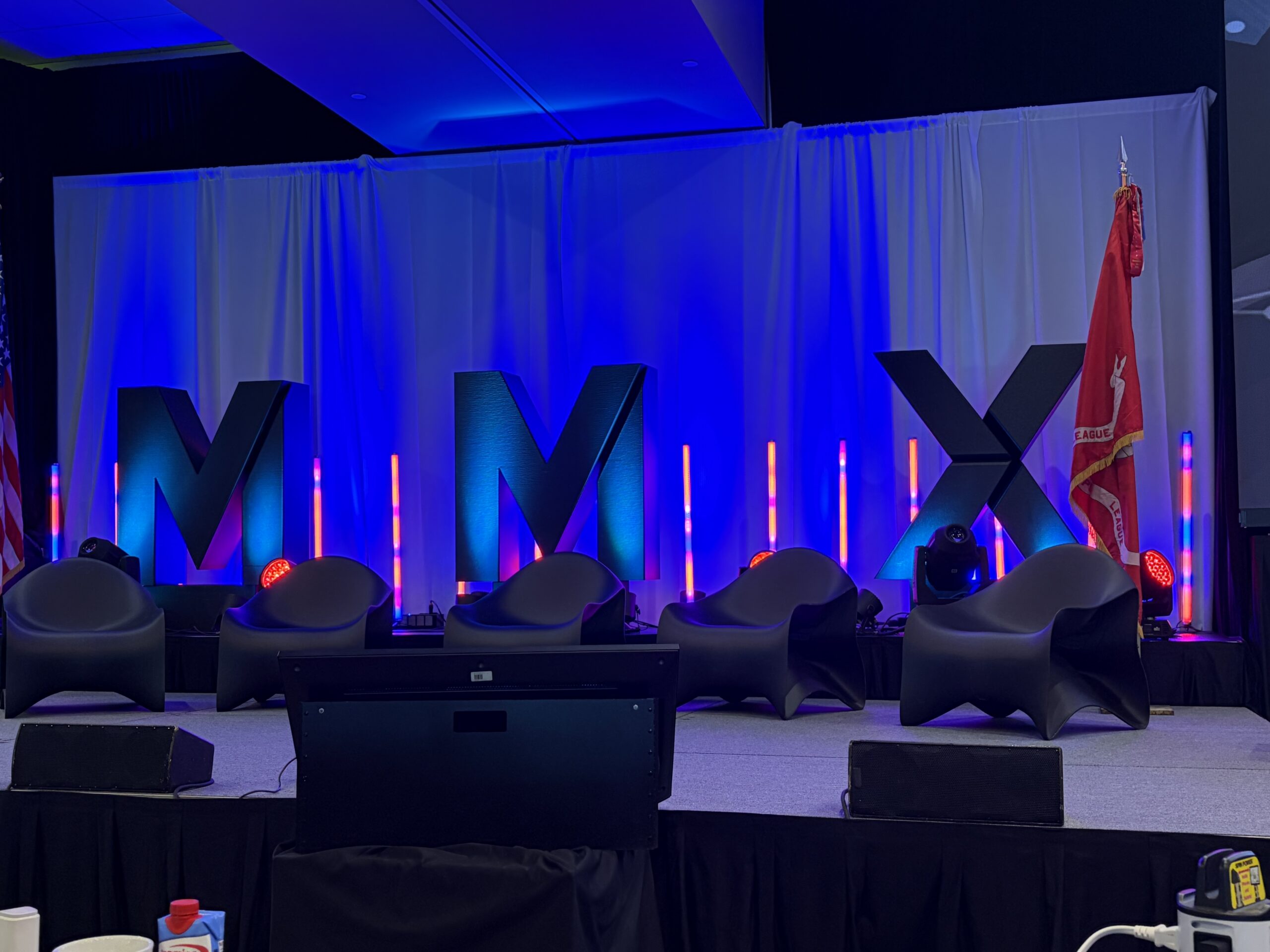
The annual Members Meeting and Exchange (MMX) hosted by America Makes in Youngstown, Ohio, concluded with a resounding call for increased speed and efficiency in the adoption of additive manufacturing (AM). While discussions ranged from material science and workforce development to cybersecurity and international competitiveness, a dominant theme emerged: the urgent need to accelerate the pace of AM integration across industries, particularly within the defense sector.
The Imperative for Speed in Additive Manufacturing
The opening keynote by Matthew Sermon, Executive Director of DRPM Submarines for the Department of the Navy (DoW), set a critical tone for MMX 2026. Sermon emphasized that despite significant advancements in the additive industry, progress is "not near fast enough," especially when compared to the rapid development cycles of adversaries. His stark assessment, "It’s nothing like the speed that our adversaries move at. We have to move faster," resonated throughout the event, shaping discussions and underscoring the strategic importance of rapid AM deployment. This sentiment was echoed by numerous speakers, highlighting a collective recognition that the current pace of innovation and implementation is insufficient to meet evolving national security and economic demands.
America Makes: Expanding Scope and Growing Membership
America Makes, the National Center for Defense Manufacturing and Machining (NCDMM), operating as one of the Manufacturing USA institutes, provided comprehensive updates on its activities over the past year. Executive Director John Wilczynski reported a substantial influx of new members, welcoming approximately 80 new entities. This growth included 11 academic institutions, four non-profits, 13 large businesses, and nearly 60 small businesses. This expansion signifies a broadening engagement with the AM ecosystem.
Wilczynski also highlighted the institute’s strategic alignment with national priorities, including the National Defense Strategy for Advanced Manufacturing and the National Defense Authorization Act. The organization has actively launched 11 Project Calls this year, demonstrating a commitment to driving specific advancements within the sector. "The value of membership is increasingly tied to building connections, visibility, and opportunities," Wilczynski stated, emphasizing the collaborative nature of the institute’s mission.
Operations Director Alexander Steeb noted a "healthy and engaged membership" and a significant increase in active projects, with the institute’s portfolio now encompassing 194 projects—double the number from the previous year. Over the past 12 months, America Makes has facilitated $112.6 million in Project Call funding for its members and is preparing to launch six new Project Calls.
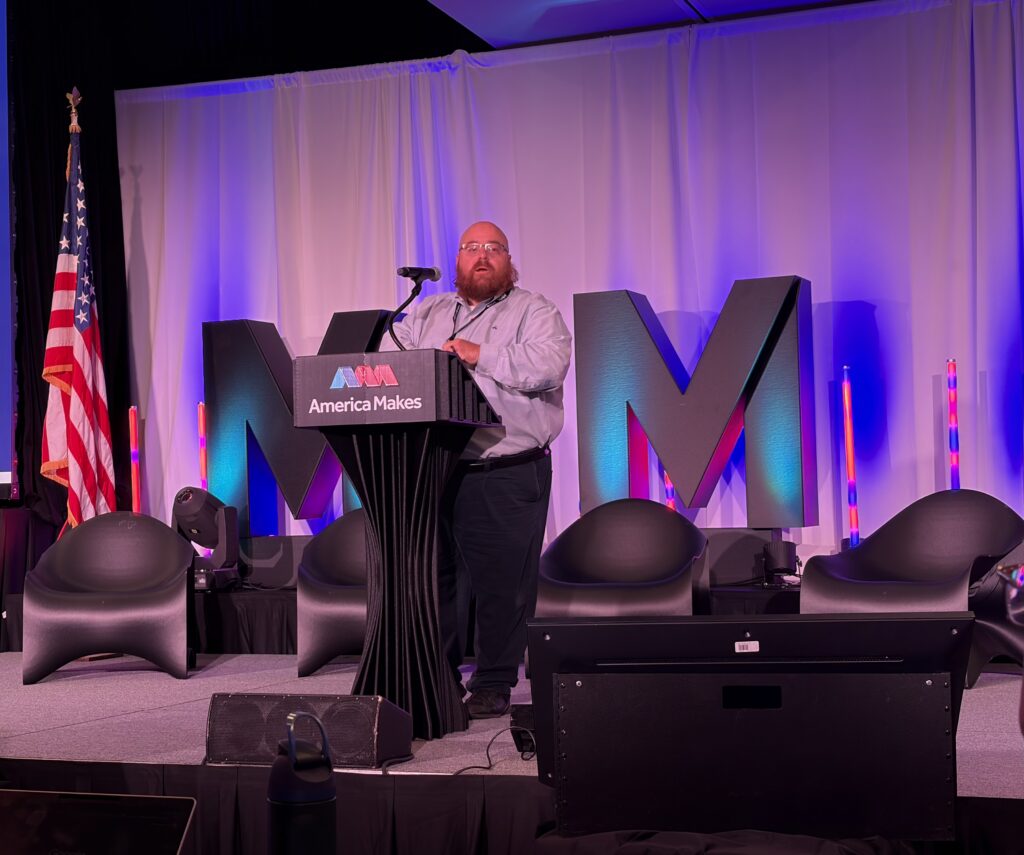
Technology Director Brandon Ribic reported strong engagement with Advisory and Working Groups, pointing to initiatives like the Joint Additive Qualification for Sustainment – Supplier Qualification (JAQS-SQ) Project Call, launched at the previous year’s MMX. Ribic stressed the importance of moving beyond exhaustive testing to faster validation, identifying "materials data, protocols and practices, specs and standards, and training" as key enablers. He also underscored the necessity of collaborative efforts, stating, "We’re getting aligned on strategies and next steps, and bringing folks together to allow ourselves to take action. But that’s not going to be done in a silo."
Ben DiMarco, Technology Transition Director, underscored that technological adoption, much like the development of the iPhone, is an iterative process that spans years and involves strategic investments from various government agencies. He redefined successful technology transition not merely as the ability to print a part, but as the integration of AM into complex systems like engines, rockets, and entire platforms. DiMarco is focused on enhancing engagement with program offices, depots, shipyards, and industry partners, alongside developing a formal transition strategy that measures success by connecting projects to tangible deliverables.
Industrial Base Integration and Workforce Development
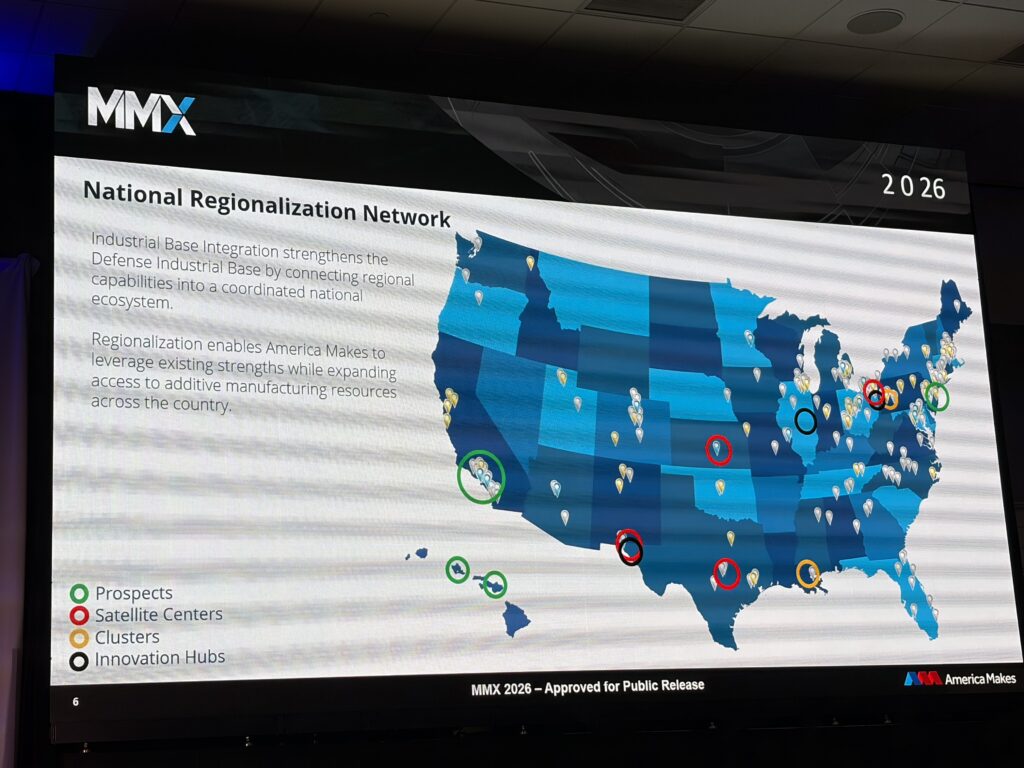
Kimberly Gibson, Industrial Base Integration Director, outlined the significant challenges facing the U.S. industrial base: fragmented supply chains, slow technology transition, workforce gaps, and regional coordination issues. The Industrial Base Integration (IBI) initiative aims to address these by transforming disparate capabilities into a cohesive national industrial ecosystem. The IBI strategy, rolled out last year, is structured around five key areas, though specific details were not elaborated upon in the provided text.
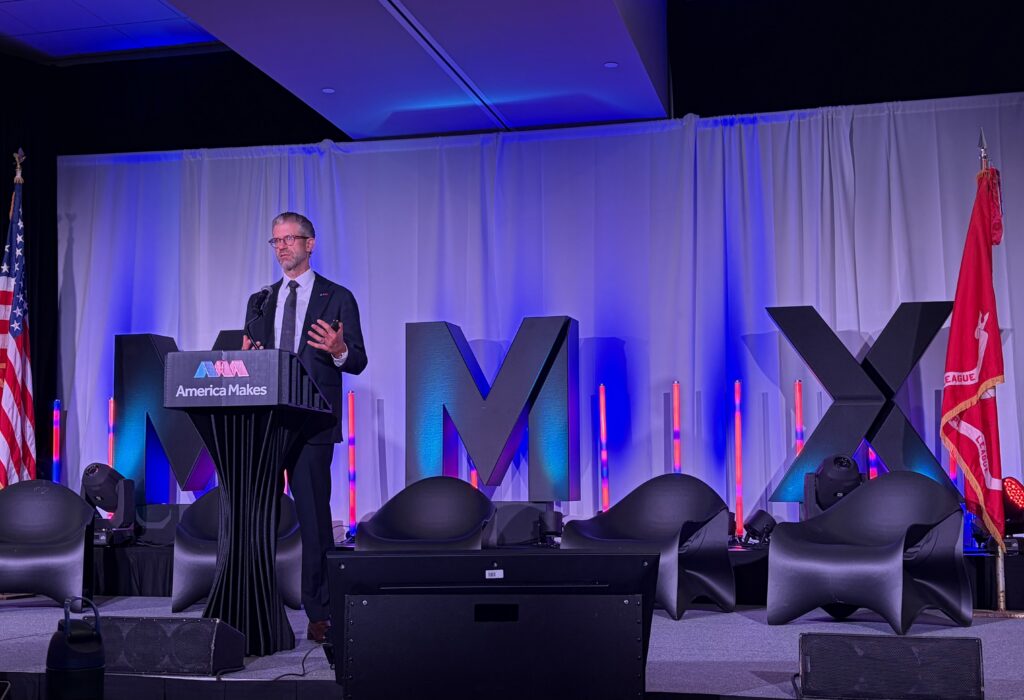
Ed Herderick, Director of Education & Workforce Development (EWD), reported on the team’s achievements in Fiscal Year 2025, including the completion of seven EWD pillar projects and reaching over 9,400 learners. The current focus is on strengthening partnerships, scaling impact, and expanding supply chain capacity through industry-relevant EWD efforts in AM. The EWD team plans to concentrate investments over the next 18 months on skills crucial for future manufacturing success, emphasizing the need for specialized training for mid-career professionals and skilled tradespeople, rather than general additive awareness.
Streamlining Qualification Processes: The JAQS-SQ Initiative
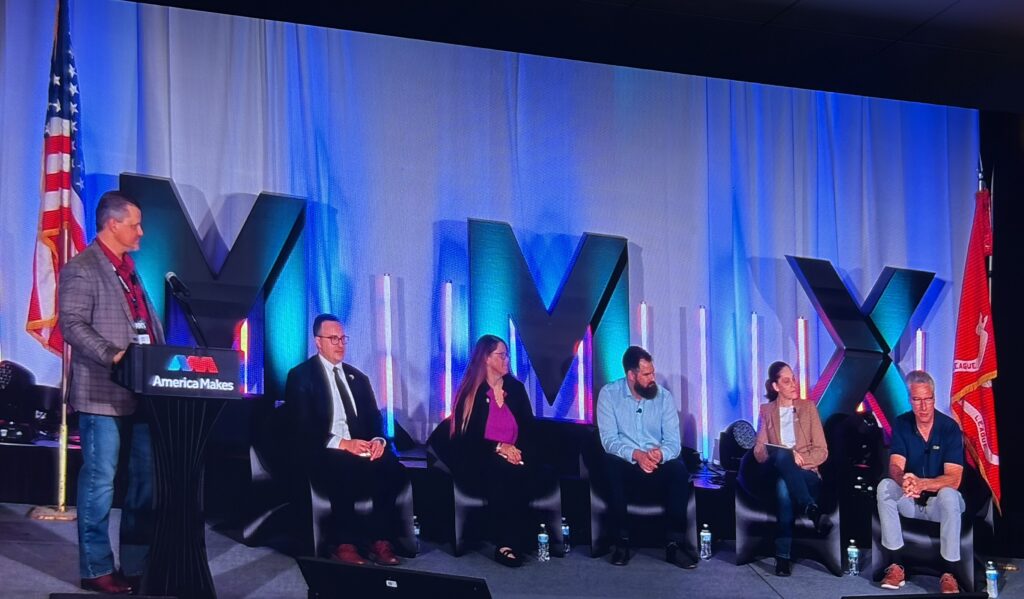
A significant point of discussion was the JAQS-SQ Project Call, aimed at standardizing and simplifying the qualification process for additive manufacturing suppliers. Brian Schmidt, NCDMM Program Manager & Lab Director, moderated a briefing that featured insights from Mark Shaw, Chief Engineer at the National Institute for Aviation Research (NIAR) at Wichita State University. Shaw explained that JAQS focuses on process control and evidence-based validation rather than prescribing specific methods, building upon existing accreditation frameworks like NADCAP and ASTM. "Once I’ve established that I can do it, how confident am I doing it 10 more times? 100?" Shaw posed, highlighting the program’s goal of ensuring repeatable success.
Rachel Levine, AM Consultant and Founder of Additive Consulting & Engineering (ACE 3D), described JAQS as "the most holistic I’ve seen," designed to address the inconsistent qualifications currently held by many contract manufacturers and suppliers seeking government contracts. Evan Handler, Chief Technology Advisor for America Makes and Chief Engineer of the AM Branch at the Naval Surface Warfare Center Carderock Division, expressed hope that JAQS would create a "single point for all the document review, auditing, and what we need them to do to make critical parts across services." The ultimate aim is to reduce the burden on government agencies by streamlining supplier vetting through JAQS accreditation.
Success Stories and the Drive for Practical Application
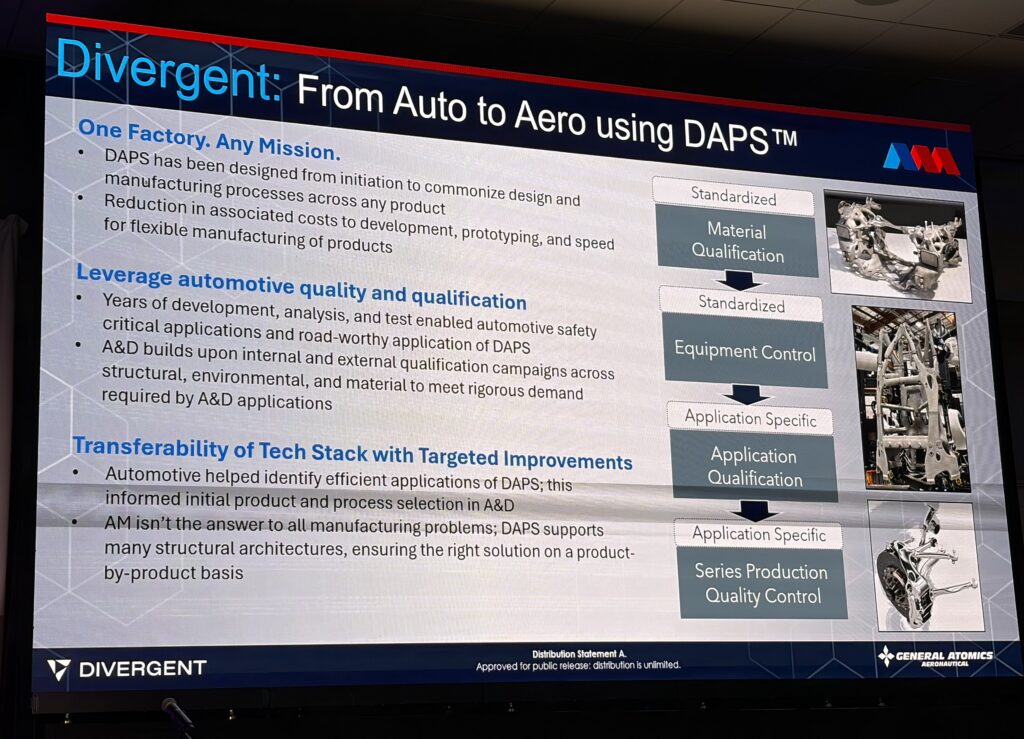
The event featured several case studies illustrating successful AM adoption. Steve Fournier, Senior Manager for Additive Manufacturing at General Atomics Aeronautical Systems (GA-ASI), shared insights into the collaborative relationship between GA-ASI and Divergent. Fournier emphasized that the value of AM lies in its practical application, stating, "Nobody cares about additive until it serves a purpose. Let’s just burst that bubble right now."
Travis Mayberry, Technical Portfolio Manager at Divergent, discussed how the company’s Divergent Adaptive Production System (DAPS) technology, initially developed for automotive applications, has enabled qualification as a Tier 1 supplier for major automakers. Both Mayberry and Fournier highlighted part count reduction as a critical benefit of AM in both the automotive and aerospace and defense (A&D) sectors. Fournier drew a parallel between the integrated structures of Divergent’s hypercars and the design challenges of Unmanned Aerial Systems (UAS), illustrating the cross-industry applicability of AM solutions. Mayberry encouraged attendees to leverage the community at MMX to foster collaborations.
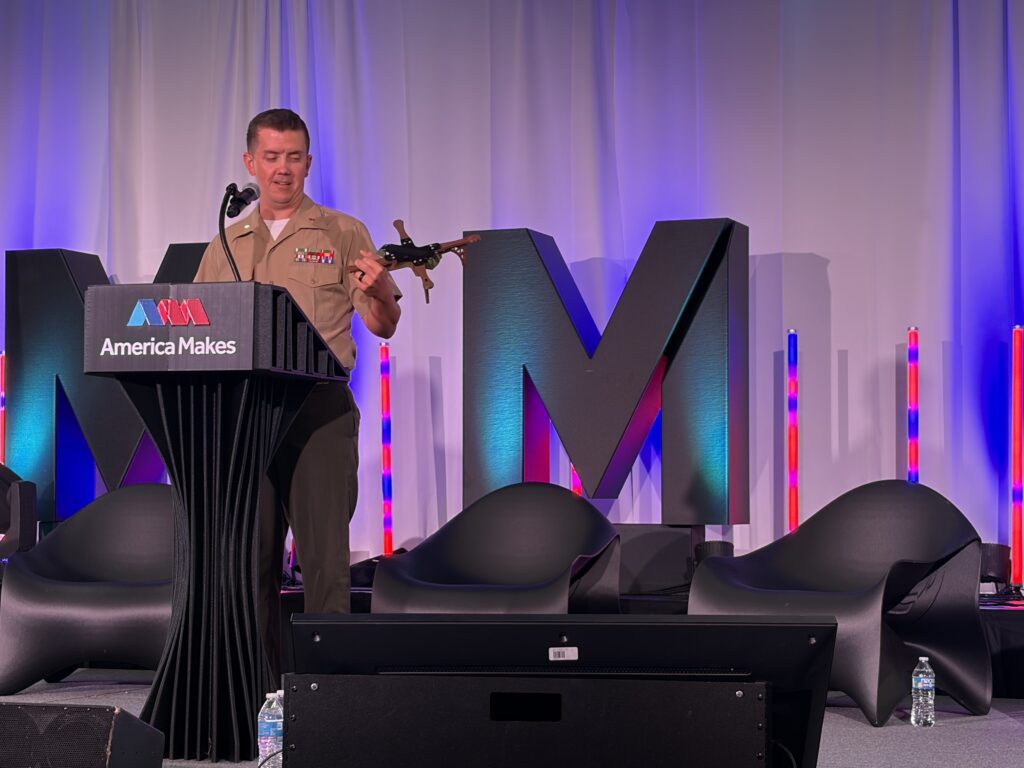
CWO3 Matt Pine, Innovation Officer at the II Marine Expeditionary Force (MEF) Innovation Campus, addressed the complexities of drone manufacturing. He argued that for the military, producing drones in-house offers greater adaptability and speed, circumventing supply chain bottlenecks and enabling production at the point of need. However, he pointed out that existing acquisition models, designed for a "1960s paradigm," hinder the military’s ability to operate at the speed required in a digital era. Pine also referenced lessons learned from Ukraine’s success in sourcing non-Chinese drone components, urging the U.S. to adapt its strategies to compete with China. He called for industry support in developing capabilities for rapid, on-demand production and adapting government acquisition processes.
Addressing Critical Demand Signals
Theodore Gronda, Naval Aviation AM Program Manager at the Naval Air Systems Command (NAVAIR) Sustainment Group (NSG), echoed the call for industry assistance, highlighting the overwhelming number of parts requests the Navy Supply Systems Command (NAVSUP) receives annually for obsolete or unavailable components. NAVAIR’s Fleet Readiness Centers also face an average of 3,700 Material Readiness Degraders each year. "We’re being overwhelmed with part requests," Gronda stated, questioning America Makes’ role in addressing these critical needs. He emphasized the urgency, noting that "Weapons systems are down. I can’t suffer a nine-month contract lead time, I need to start now. I need you on contract today." While acknowledging the paramount importance of cybersecurity for military applications, Gronda suggested that a "good enough" approach might be necessary for some replacements, even if it involves taking calculated risks to expedite the return of critical systems to operational status.
During a panel on "Polymer AM Crisis & Opportunity," Catherine DeLeal, JAMWG Co-Facilitator, stressed the need for government demand signals to stimulate the market for polymer 3D printers. She conveyed that the signal is being sent, comparing it to a missed Bat Signal, and emphasized the need for affordable, user-friendly, plug-and-play printers accessible to both civilians and military personnel.
Dayton Horvath, Senior Director of Emerging Technology for the Association for Manufacturing Technology (AMT), pointed to the vast global market for affordable 3D printers, with 5 million units sold last year for under $10,000, many costing less than $1,000. He highlighted China’s significant lead in this segment, noting the prevalence of printers like those from Bambu Lab. The 2026 National Defense Authorization Act (NDAA) prohibits the Department of the Navy from using 3D printers and software from adversarial nations, including China. However, the U.S. currently lacks comparable domestic alternatives, a gap that requires significant policy and discussion to address. Mara Hitner, VP Strategic Partnerships at MatterHackers, noted that a lack of understanding among lawmakers about 3D printing hinders progress, emphasizing that innovation is key to creating accessibility.
The prevalence of Bambu printers, known for their revolutionary speed and user-friendly experience, was a recurring topic. Henry Sullivan, Co-Founder of Strongpoint Labs, described Bambu printers as "the Apple of printers," noting a tenfold increase in speed and an intuitive user experience. Staff Sergeant Devan Siler of the U.S. Air Force Air Mobility Command reinforced the need for simple, "plug and play" systems, stating that anything more complex would likely not be adopted. He also highlighted the budgetary constraints faced by smaller units, where the cost of professional-grade printers can be prohibitive, making accessible, low-cost options crucial.
China’s Dominance in Additive Manufacturing
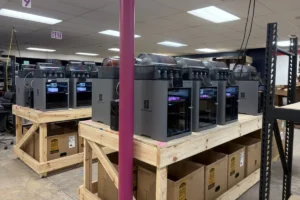
A dedicated presentation on China’s AM landscape by Ben Ferrar, CEO of AM consulting company M²F, revealed a stark competitive reality. Despite the U.S. possessing the fundamental capabilities to compete, China has established a significant lead across various AM sectors. A joint study with AMPOWER and America Makes benchmarked China’s AM base against the U.S., finding China superior in Desktop Print Farms, Industrial Polymer, Metal Production, and Material Capacity. For instance, Chinese print farms can operate up to 20,000 printers, compared to approximately 3,000 in U.S. counterparts like Wigglitz. China also leads in titanium powder atomization capacity, with companies like Avimetal possessing nearly twice the number of atomizers as U.S. firms such as Continuum Powders and 6K Additive.
China’s strategic foresight, exemplified by the "Made In China 2025" program initiated in 2015, has positioned AM as a national priority. The country’s latest Action Plan further emphasizes AI and automation, signaling that AM’s foundational development is considered largely complete. Ferrar noted that the aerospace and defense sectors in China are almost entirely state-owned, allowing for the full national strength to be directed towards AM development. China’s dominance extends to desktop polymer 3D printing, printer OEMs, AM feedstock capacity, large-format metal printers, and research output. Ferrar concluded that China already "dominates and owns this market," a reality that should be a cause for concern for the U.S.
Navigating Government Procurement and Cybersecurity
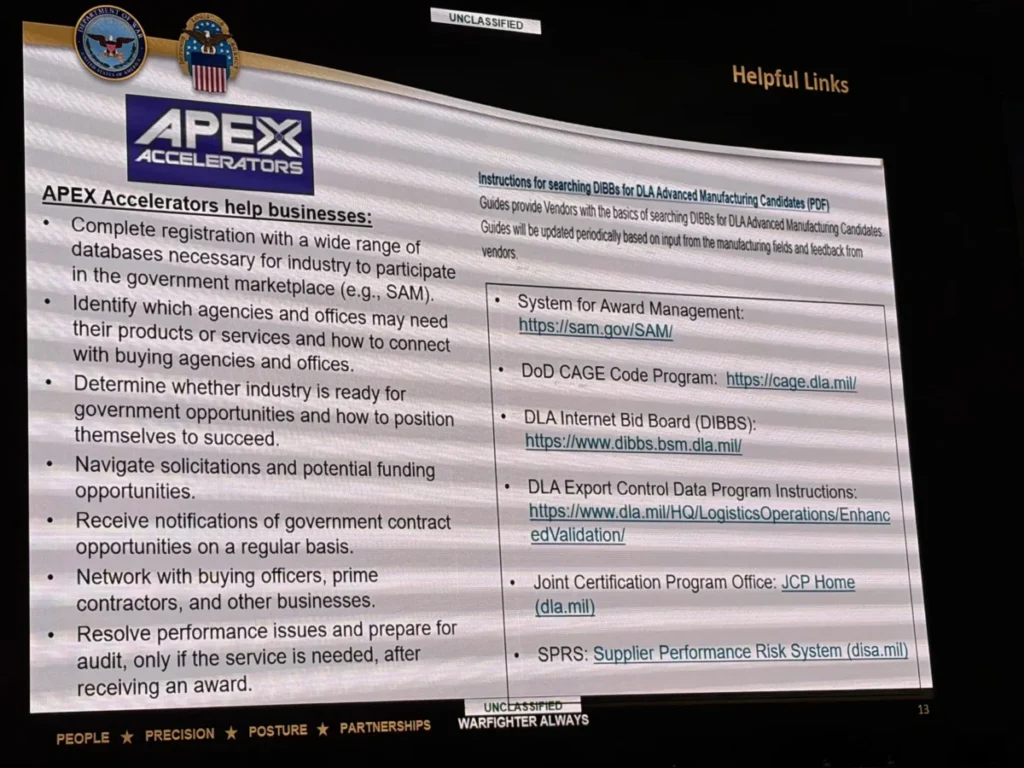
Carmen Pillitteri, Procurement Analyst for Weapons Support at the Defense Logistics Agency (DLA), encouraged attendees to explore the DLA’s advanced manufacturing website for guidance on navigating additive solicitations. He acknowledged the administrative complexities but stressed the DLA’s critical role in preventing counterfeit materials from entering the supply chain. Pillitteri offered practical advice, including searching for "potential additive" on the DLA Internet Bid Board System (DIBBS) and checking the Focus Solicitation List for difficult-to-procure items. He also recommended APEX Accelerators as a resource for businesses seeking government contracts.
The discussion on cybersecurity highlighted the importance of the Cybersecurity Maturity Model Certification (CMMC) ecosystem, compliant with NIST SP 800-171 standards. Stacy Bostjanick, Vice President Government Services Strategies, and Fernando Machado, Chief Information Security Officer, both from Cybersesc Investments, presented on this topic. While acknowledging the significant costs—upwards of $25,000—associated with CMMC compliance, they argued that businesses should have been addressing these requirements since 2017. However, the question of affordability for newer small businesses remained an unanswered concern for some attendees.
The Unwavering Need for Speed
As MMX 2026 drew to a close, John Wilczynski reiterated the overarching theme of speed. He observed trends related to quality versus quantity but consistently returned to the central imperative of accelerating AM adoption. "If I had to sum this up in one word, it would be speed," Wilczynski declared. He emphasized that America Makes is "beating the drum of transition and industrial base integration" to position the U.S. with the necessary industrial base and to deliver products more rapidly.
The pervasive focus on speed, while sometimes frustrating in the face of detailed discussions on qualification processes and committee structures, underscores a critical strategic need. The risk of unchecked acceleration without proper planning and data is acknowledged, but so is the danger of inaction. As Theodore Gronda suggested, there may be a need to find a "happy medium" where calculated risks can be taken to ensure the timely advancement of additive manufacturing capabilities, particularly in the face of intense global competition. The discussions at MMX 2026 clearly indicate that the additive manufacturing community, in partnership with government and industry, is grappling with how to achieve this crucial balance.