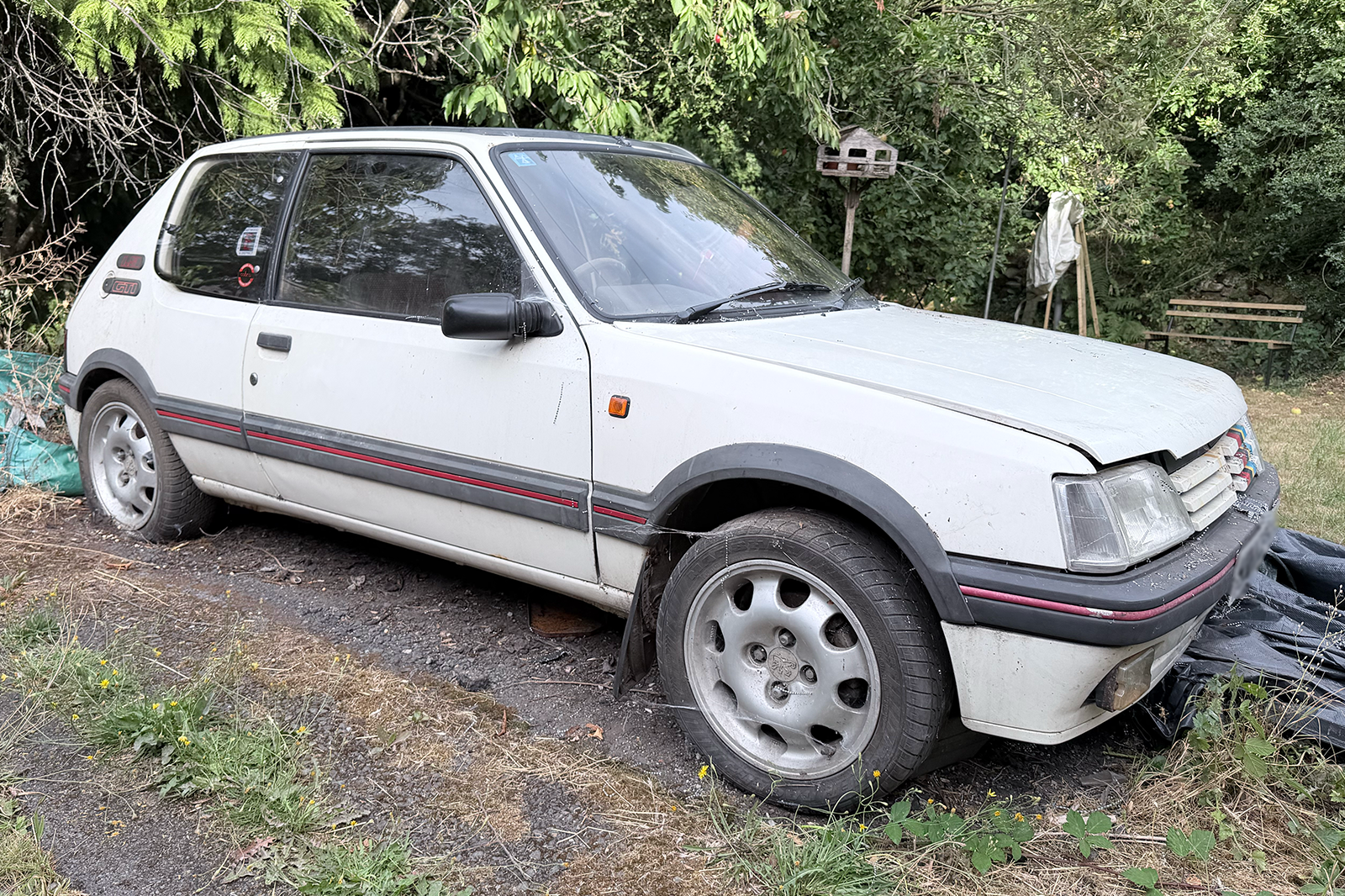
It cost £150 and spent a decade in the elements; now it’s time to decide this iconic hot hatch’s future. This is the question facing the custodians of a truly legendary piece of automotive history, a Peugeot 205 GTi, which after an astonishing ten-year hiatus exposed to the vagaries of the British weather, has re-emerged from its makeshift slumber, prompting a critical evaluation of its future. The vehicle, originally acquired for a remarkably modest sum of £150, has spent the last decade parked outdoors, shielded only by a cover, a testament to both its resilience and the owner’s perhaps optimistic belief in its eventual revival. The recent unveiling has sparked a significant internal debate, not just about the car’s immediate fate, but also about its potential as a restored icon or a poignant reminder of a bygone era of performance motoring.
The Unveiling: A Decade of Exposure and Unexpected Resilience
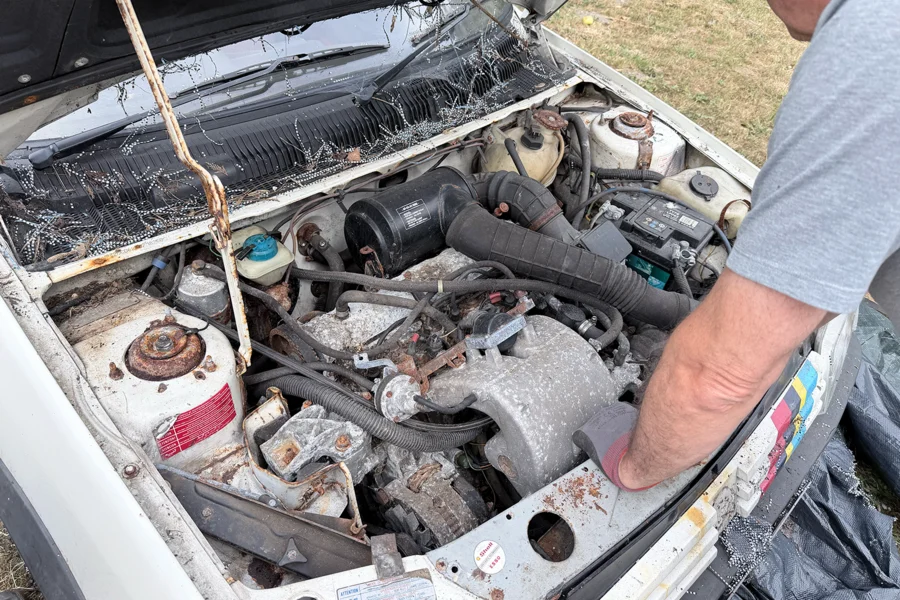
The moment of truth arrived last weekend when the car’s owner, accompanied by his father, finally peeled back the protective cover that had shielded the Peugeot 205 GTi from the elements since 2016. The common assumption when a vehicle has been left unattended outdoors for such an extended period is that the resulting decay would render it beyond salvation, a mere shell of its former glory. However, in a remarkable display of automotive fortitude, the 205 GTi defied these bleak expectations. While the full extent of its condition is still under assessment, the initial reveal suggests a level of structural integrity and component preservation that has pleasantly surprised its owners. This outcome is particularly noteworthy given the typical challenges posed by prolonged exposure to moisture, temperature fluctuations, and UV radiation, all of which can accelerate corrosion and degrade rubber and plastic components.
The Peugeot 205 GTi holds a revered status in the pantheon of hot hatchbacks. Launched in 1984, it quickly established itself as a benchmark for performance, handling, and driver engagement. Its lightweight construction, responsive steering, and peppy engines – particularly the 1.6 and 1.9-litre variants – made it a formidable competitor and a beloved choice for enthusiasts. The model’s enduring appeal has seen its values climb significantly in recent years, with pristine examples commanding prices that far exceed their original retail costs. This particular GTi, therefore, represents not just a personal project, but a potential piece of automotive heritage.
A Brief Chronology of Neglect and Hope
The story of this particular 205 GTi’s decade-long outdoor sojourn can be pieced together through the information provided. The car was last parked and covered in 2016. The intervening ten years represent a period of inactivity, during which the vehicle was subject to the full spectrum of weather conditions. This includes rain, snow, frost, intense summer sun, and the inevitable accumulation of dirt and debris. The decision to leave it outside, rather than in a garage or under a more robust shelter, was likely driven by practical considerations, perhaps space limitations or a temporary arrangement.
The re-emergence in 2026 marks a pivotal moment. The immediate task is a thorough inspection to ascertain the extent of any corrosion, particularly on the chassis, bodywork, and suspension components. The engine and drivetrain will require careful evaluation, as will the electrical systems, which are often susceptible to moisture ingress. The interior, too, will need to be assessed for mold, mildew, and general wear and tear. The fact that it was covered offers some protection, but it is unlikely to have prevented all forms of deterioration.
The Peugeot 205 GTi: A Legend Reconsidered
To understand the significance of this particular 205 GTi, it’s crucial to revisit its impact on the automotive landscape. The original Peugeot 205, launched in 1983, was a groundbreaking design that revitalized the French manufacturer’s image. The GTi variant, introduced a year later, transformed it into an icon. It was praised for its exceptional balance, communicative steering, and a chassis that was both agile and forgiving. Car magazines of the era consistently lauded its driver-focused nature, often pitting it against more powerful rivals and finding it superior in terms of outright driving pleasure.
The 1.6-litre GTi, producing around 105bhp, was the initial offering, quickly followed by the more potent 1.9-litre version with approximately 130bhp. Both models offered exhilarating performance for their time, with 0-60mph times often dipping below the 9-second mark. The car’s success was not just confined to critical acclaim; it also enjoyed strong sales and a passionate following that continues to this day. This enduring popularity has translated into a robust classic car market, with values for well-maintained 205 GTis, especially the sought-after 1.9-litre models with specific options, reaching tens of thousands of pounds.
Supporting Data: The Value of Preservation and Restoration
The classic car market data paints a compelling picture of the Peugeot 205 GTi’s standing. According to auction results and specialist dealer listings, the average value for a good condition 205 GTi (1.9 litre) in 2024 was in the region of £15,000 to £25,000. However, exceptional, low-mileage, and concours-condition examples have fetched upwards of £30,000, and in some rare instances, even higher. This dramatic increase in value from their original purchase price highlights their status as modern classics.
The cost of a comprehensive restoration for a car like the 205 GTi can also be substantial. Depending on the level of work required, a full body-off restoration, including engine rebuild, suspension overhaul, and interior refurbishment, could easily run into £10,000 to £20,000 or more. This makes the decision about the future of a car that has been exposed to the elements for a decade a complex financial and practical one. The £150 purchase price, while an astonishing bargain by today’s standards, underscores the journey this particular GTi has taken.
Analyzing the Implications: A Fork in the Road for a Classic
The current situation presents the owners with a critical decision point. Several paths lie ahead, each with its own set of challenges and rewards.
1. Full Restoration: This is the most ambitious route. It would involve a complete dismantling of the car, thorough rust repair, repainting, mechanical refurbishment, and interior reconditioning. The goal would be to return the 205 GTi to its former glory, potentially making it a show car or a highly desirable driver’s vehicle. The financial investment would be significant, but the potential return, both in monetary value and personal satisfaction, could be substantial. This option requires considerable time, expertise, and financial commitment.
2. Restomod Approach: This involves restoring the car while incorporating modern upgrades. This could include engine enhancements, suspension improvements, and modern infotainment systems, while retaining the classic aesthetics. A restomod can appeal to a broader audience, offering a blend of classic charm and contemporary performance and usability. However, purists may view this as a deviation from the original character of the car.
3. Preservation and Sympathetic Recommissioning: This approach focuses on preserving the car’s current state as much as possible, addressing only the essential mechanical and safety issues required for it to be roadworthy. The patina of age and its history would be embraced rather than erased. This option is less costly and time-consuming than a full restoration, and it celebrates the car’s journey and survival. It would likely appeal to collectors who appreciate originality and the stories a car can tell.
4. Parts Car or Salvage: In the worst-case scenario, if the corrosion is too extensive or the mechanical components are irrecoverably damaged, the car might be considered a source of valuable parts for other 205 GTi projects. This would be a regrettable outcome for such an iconic model, but it is a realistic consideration given the prolonged outdoor storage.
Expert Perspectives and Community Reactions (Inferred)
While no direct statements from related parties are available, one can infer the likely reactions from the automotive community. Enthusiasts and collectors would undoubtedly be intrigued and hopeful upon hearing of the car’s reappearance. Forums and social media dedicated to Peugeot and hot hatch culture would likely buzz with discussion. Experts in classic car restoration would likely offer advice on the best course of action, emphasizing the importance of a thorough assessment.
The Peugeot Club UK, a prominent organization for enthusiasts of the brand, would likely view this as an opportunity to preserve a piece of automotive heritage. Their members often share knowledge and support for restoration projects. Similarly, automotive journalists and historians would see this as a compelling narrative, a story of resilience and the enduring appeal of a classic design. The fate of this 205 GTi will undoubtedly be watched with interest by a significant segment of the car-loving public.
Broader Impact and Implications: More Than Just a Car
The future of this Peugeot 205 GTi is more than just a personal project; it’s a microcosm of the broader trends in the classic car market and the appreciation for iconic vehicles. The decision made by its owners will reflect the prevailing attitudes towards automotive preservation, restoration, and the value placed on heritage.
The story also serves as a cautionary tale about the importance of proper storage for classic vehicles. While this particular GTi has shown surprising resilience, many others would not be so fortunate. It underscores the need for enthusiasts to invest in appropriate storage solutions, whether it be a garage, a purpose-built shelter, or a high-quality car cover combined with regular maintenance.
Ultimately, the Peugeot 205 GTi’s decade-long outdoor adventure and its subsequent reappearance present a fascinating case study. The coming months will determine whether this resilient icon embarks on a new chapter of restoration and renewed glory, or becomes a poignant reminder of the challenges faced by classic cars left to the mercy of time and the elements. The decision, when it comes, will be a significant one, shaping the future of a car that has already carved its name into automotive legend.