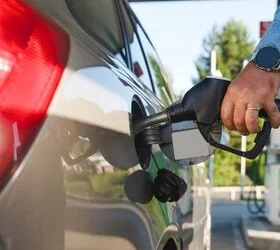
August 14th, 2026 – Claims of a significant surge in fuel theft are circulating globally, with numerous reports suggesting a sharp increase in petroleum-based criminal activity in both the United States and the United Kingdom. This phenomenon appears to be intricately linked to escalating global energy prices, a situation exacerbated by geopolitical events, most notably the closure of the Strait of Hormuz in February following large-scale joint airstrikes targeting Iran. While the extent of this criminal activity remains a subject of debate, with concerns of potential fear-mongering, the issue has undeniably become a focal point, prompting political responses and raising questions about economic pressures driving such crimes.
Escalating Fuel Prices and the Rise of Petty Crime
The current climate of heightened energy costs has placed a significant strain on consumers worldwide. In the United Kingdom, motorists have experienced an average price increase of approximately 25 percent for various fuel types since the conflict in February. This contrasts with the United States, where gasoline prices have seen a more dramatic jump of around 45 percent over the same period. Canada has also felt the pinch, with an estimated price increase of about 22 percent. These substantial price hikes, coupled with broader economic pressures, are being cited as primary drivers for the reported increase in fuel theft.
Politicians in various nations have responded to public outcry over rising fuel costs by proposing new legislation aimed at curbing price gouging, an act already illegal but often perceived as being more prevalent during times of scarcity. However, solutions addressing the reported surge in stolen fuel have been less forthcoming. At the retail level, the UK is reportedly experiencing a more severe issue with fuel theft compared to North America, though the pricing trends have shown the inverse.
Shifting Demographics of Fuel Thieves
Historically, fuel theft, primarily in the form of "drive-offs" where drivers leave without paying, was often attributed to individuals with extensive criminal records. The logic suggested that those already facing severe penalties for other offenses would not be deterred by the relatively minor charge of fuel theft. However, recent data indicates a concerning shift in this pattern. Increasingly, fuel thefts are allegedly being perpetrated by individuals committing their first offense.
This trend raises poignant questions about the motivations behind these acts. While not comparable to stealing essential food items for survival, the rising cost of fuel may be pushing some drivers to break the law out of frustration with exorbitant prices, while others may be driven by sheer inability to afford the fuel necessary for their daily commutes due to broader economic hardship.
A report from The Independent, citing data from a representative sample of 550 fuel stations, highlights this changing landscape. According to their analysis, first-time offenders accounted for a 23 percent rise in fuel theft incidents and a 26 percent increase in the volume of fuel stolen. This surge in first-time offenses significantly outpaced the increases seen among repeat offenders, who showed respective rises of 17 percent in incidents and 20 percent in volume. These figures encompass both outright drive-offs and instances where customers claim an inability to pay.
The Role of Industry-Backed Data
The aforementioned statistics are reportedly derived from a five-month analysis by Forecourt Eye, a firm specializing in fuel theft prevention technologies, including AI-assisted surveillance cameras and automated debt resolution services. Forecourt Eye estimated a 20 percent overall increase in fuel theft incidents within the UK since the initial attacks on Iran five months prior.
However, it is crucial to acknowledge the inherent bias in data presented by loss-prevention businesses. Such organizations have a vested interest in highlighting the severity of theft to promote their services. While industry-backed studies can offer valuable insights, a degree of skepticism is warranted when evaluating their findings, as their business models often depend on fostering a sense of urgency and potential financial loss among their target clientele.
This skepticism is further reinforced by other reports. In April, the BBC reported a 62 percent increase in fuel theft compared to the previous year, based on data from Pay My Fuel, another company offering similar surveillance and debt recovery solutions. This pattern suggests a potential tendency for businesses in this sector to present data that emphasizes escalating threats.
Historical Context and Long-Term Trends
Despite the potential for exaggeration by industry players, the underlying trend of increasing fuel theft appears to have deeper roots. Data from the Royal Automobile Club Foundation (RAC Foundation), which operates as an independent research entity, suggests a growing problem predating the recent geopolitical events. The RAC Foundation reported a 49 percent increase in annual fuel theft in 2025 and a staggering 77 percent surge in 2023.
These figures, while substantial, also originate from entities like the British Oil Security Syndicate, another organization promoting security solutions such as cloud-based debt recovery systems. The consistent reporting of significant increases by various security and loss-prevention firms raises questions about the independence and impartiality of the data. Many of these reports often include monetary averages of station losses, which can inadvertently function as a sales pitch, frequently disseminated by major news outlets without critical examination.
Nevertheless, an increase in drivers leaving without paying for fuel or claiming inability to pay appears plausible, given the sustained global rise in energy prices. Many European nations already contend with fuel prices significantly above the global average, creating a fertile ground for illicit activities when prices surge further.
Echoes of the 1970s Oil Crisis
The current situation draws historical parallels to the oil crisis of the 1970s. That crisis, triggered by regional conflicts and disruptions in oil supply, also saw price gouging by fuel stations and desperate measures by drivers, including siphoning fuel from other vehicles. The underlying economic pressures and limited supply created an environment where criminal activity, including fuel theft, became more prevalent.
Modern Challenges and Evolving Theft Methods
The methods of fuel theft have also evolved, adapting to modern vehicle designs and station protocols. While siphoning fuel from the tank of a modern automobile is largely prevented by anti-siphoning mechanisms, and most fuel stations now operate on a pre-pay basis, thieves have found new workarounds.
One reported method involves drilling a hole in the bottom of the fuel tank. The Washington Post highlighted such incidents earlier this year, interviewing victims of these attacks. While this method might be employed, its effectiveness in stealing significant quantities of fuel is questionable. The process of collecting fuel from a leaking tank would be messy and dangerous, with thieves likely to be doused in combustible fluids. It is unlikely to become a widespread scourge unless accompanied by a complete societal breakdown.
In the United States, the prevalence of pre-pay stations has shifted the focus of lower-quantity thefts towards "pump hacking" or the use of stolen credit cards. However, police departments have reported a more substantial increase in fuel-related crimes, estimated to be between 10 and 30 percent over the past year. A significant portion of this increase is believed to involve commercial trucking fleets, where large volumes of diesel can be stolen at once. Organized criminal groups may also be obtaining or duplicating official fuel cards intended for fleet use, enabling them to pilfer vast amounts of fuel over extended periods without immediate detection.
The Corporate Windfall and Geopolitical Undercurrents
While the public grapples with rising fuel prices and the potential for increased petty crime, the global oil industry is experiencing unprecedented profitability. Geopolitical tensions, particularly the conflict involving Iran and its neighbors, have not only restricted energy supply but also maintained high crude oil prices.
Chevron, for instance, recently reported its highest quarterly profit in six years. This is not an isolated incident; analysts estimate that the global oil and gas industry is poised to generate an additional $500 billion in profits by the end of the year, profits that would not have materialized without the conflict. The ongoing military actions in the Middle East are expected to continue constraining shipping and drilling operations, ensuring sustained high crude prices.
This financial windfall for oil companies and their shareholders has not gone unnoticed by the public. In the United States, three separate bills are currently under consideration in Congress that propose taxing these extraordinary profits. Critics argue that these proposed "windfall taxes" represent the government attempting to capitalize on conditions it may have indirectly enabled through its foreign policy. Proponents, however, contend that such taxes would incentivize companies to invest more in drilling and increase supply, ultimately leading to lower prices.
Unanswered Questions and the Scale of the Problem
Despite the proliferation of reports and data, a clear and definitive picture of the scale of fuel theft remains elusive. While an increase in recent years is plausible, some of the figures cited by specific organizations border on the unbelievable. The limited number of prominently featured North American firms compared to their European counterparts, coupled with the conflicting data emerging from the latter, further complicates the assessment.
Beyond the retail level, significant illicit fuel operations are also reportedly occurring. The United States Treasury has imposed sanctions on Mexican entities accused of ties to the Jalisco New Generation Cartel, alleging their involvement in the illegal export of both refined fuel and crude oil, generating hundreds of millions of dollars annually for the cartel. This points to a much larger, more organized criminal enterprise operating in parallel with the individual acts of theft driven by consumer hardship.
In conclusion, the surge in fuel theft, while potentially amplified by industry interests, appears to be a tangible consequence of a global energy crisis exacerbated by geopolitical instability. The rising cost of fuel impacts individuals and families, driving some to desperation. Simultaneously, major oil corporations are experiencing record profits, a situation that has ignited public debate and legislative action. The complex interplay of economic hardship, criminal opportunism, and corporate gain paints a multifaceted picture of a world grappling with the consequences of volatile energy markets.