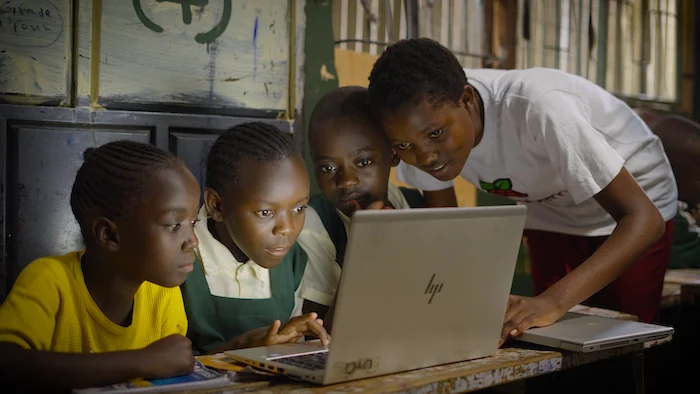
In the heart of Mathare, one of Nairobi’s oldest and most densely populated informal settlements, a quiet revolution is taking place behind the glow of computer screens. Oasis Mathare, a community-based organization founded by local visionary Douglas Mwangi, is rewriting the narrative for thousands of young people by providing them with the digital tools and coding skills necessary to transcend their socio-economic circumstances. Through a strategic partnership with the Raspberry Pi Foundation’s Code Club initiative, the organization is bridging the digital divide, proving that geographic and economic boundaries are no match for human curiosity and technical proficiency.
The story of Oasis Mathare is fundamentally one of resilience and the democratization of knowledge. In a community where formal education is often a luxury that many cannot afford to complete, the introduction of specialized technology training offers a pragmatic alternative for career development. Douglas Mwangi’s mission is rooted in the belief that technology is the ultimate equalizer, a field where merit and skill take precedence over lineage or formal credentials.
The Genesis of Oasis Mathare and the Vision of Douglas Mwangi
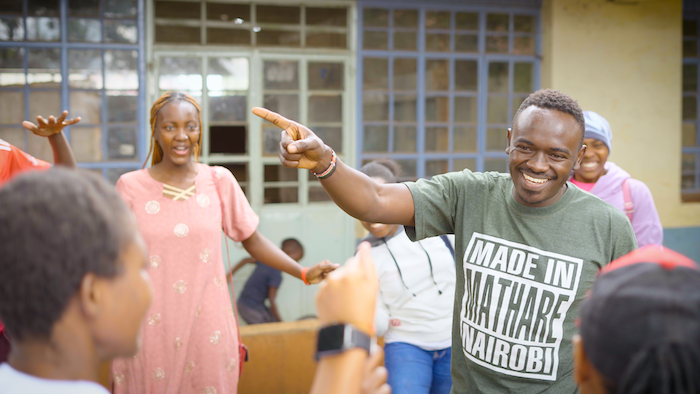
The origins of Oasis Mathare are deeply personal for its founder. Growing up in the settlement, Mwangi was acutely aware of the systemic barriers facing his peers. Most young people in Mathare face a predetermined path characterized by limited educational opportunities and high unemployment. However, Mwangi’s own life took a different trajectory due to a chance encounter with technology.
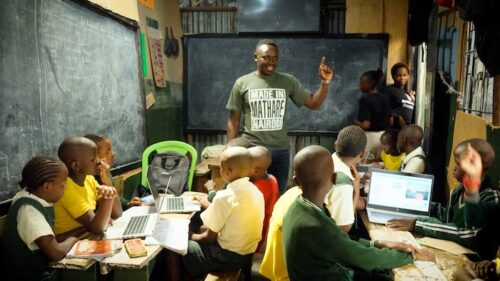
Lacking the resources for formal higher education, Mwangi frequented a local internet café. It was there, through independent study and trial and error, that he mastered basic graphic design. This self-taught skill led to his first professional employment, a milestone that occurred without the backing of a traditional degree. This realization—that a specific, marketable skill could provide a "decent livelihood"—became the cornerstone of his philosophy.
Mwangi founded Oasis Mathare to institutionalize this path for others. He recognized that while talent is distributed equally across the globe, opportunity is not. By establishing a center that provides access to hardware, internet, and structured guidance, he sought to dismantle the barriers that keep young people in Mathare from participating in the global digital economy. His motivation is captured in his assertion that technology knows no gender or race; it only requires access and mentorship.
Socio-Economic Context: The Mathare Landscape
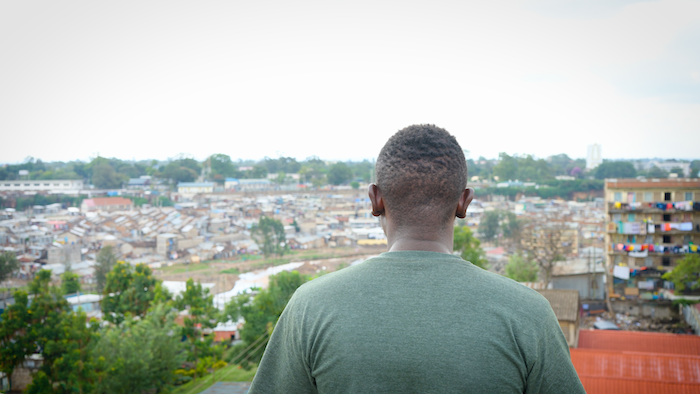
To understand the impact of Oasis Mathare, one must consider the environment in which it operates. Mathare is home to approximately 500,000 people living in an area of roughly three square kilometers. It is characterized by high population density, inadequate sanitation, and limited access to public services. In such environments, the "digital divide" is not merely a lack of high-speed internet; it is a profound gap in the "cultural capital" required to navigate the modern workforce.
Statistics regarding education in Kenya’s informal settlements suggest that while primary school enrollment is relatively high, the transition to secondary school and tertiary education drops significantly due to tuition costs and the pressure on young people to contribute to household incomes. In this context, Oasis Mathare serves as a vital intervention, offering "bridge" skills that allow youth to enter the labor market or pursue freelance opportunities in the tech sector, which is one of the fastest-growing segments of the Kenyan economy.
The Code Club Model: Structured Learning in Informal Settings
The implementation of Code Clubs within Mathare marks a significant evolution in the organization’s pedagogical approach. While Oasis Mathare initially developed its own curricula, the integration of the Raspberry Pi Foundation’s learning pathways provided the missing structure needed to scale their impact. These pathways offer a scaffolded approach to programming, taking students from absolute beginners to proficient creators.
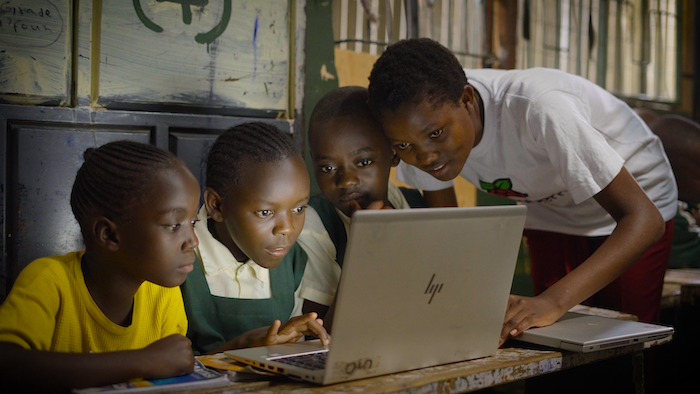
The Raspberry Pi Foundation, a UK-based charity, provides free resources and a global framework for Code Clubs. For Oasis Mathare, these resources have been transformative. The curriculum is designed to be creative and engaging, focusing on project-based learning. Instead of rote memorization, students learn by building games, websites, and animations. This methodology is particularly effective in underserved communities because it provides immediate feedback; when a child writes a line of code and sees a character move on the screen, the sense of agency is instantaneous.
The organization operates these clubs both at its dedicated center and within local schools, ensuring that technology becomes a standard part of the educational experience rather than an extracurricular anomaly. By introducing programming early, Oasis Mathare is ensuring that the next generation of Mathare residents is not just consumers of technology, but its architects.
The Mentorship Pipeline: From Learners to Leaders
One of the most significant indicators of the program’s success is the emergence of a self-sustaining cycle of mentorship. Many of the current volunteers and instructors at Oasis Mathare are former students who once sat in the same chairs as the children they now teach. This "learner-to-leader" pipeline is critical for community development, as it provides young people with relatable role models.
Keziah, a mentor at the center, noted that the alternative to the Code Club is often "idleness," which in an informal settlement can lead to negative social outcomes. Her decision to volunteer was driven by a desire for career growth and community connection. Similarly, Faith, who serves as both a student and a mentor, admitted that she once believed coding was reserved for "genius kids." Her journey has led her to the realization that coding is accessible and, more importantly, fun.
The impact on the mentors is as profound as the impact on the students. Hope, another facilitator, described the sense of achievement she feels when a student’s project runs successfully. "They made me feel like a good mentor, and that’s changed me," she remarked. This psychological shift—from feeling like a victim of circumstances to a valuable contributor to society—is perhaps the most significant "output" of the program.
Data and the Broader Impact on Kenya’s "Silicon Savannah"
The work being done in Mathare aligns with Kenya’s broader national goals. Kenya has earned the nickname "Silicon Savannah" due to its burgeoning tech ecosystem, led by innovations like M-Pesa. According to recent economic reports, the ICT sector in Kenya has been growing at an average of 10.8% annually since 2016. However, for this growth to be inclusive, it must reach beyond the affluent suburbs of Nairobi and into the informal settlements.
Programs like Oasis Mathare are essential for ensuring that the "Silicon Savannah" does not become an enclave of the elite. By equipping youth in Mathare with Python, HTML/CSS, and Scratch skills, the organization is preparing them for a job market that increasingly values technical literacy over formal certification. Furthermore, the global nature of coding allows these young people to participate in the "gig economy," taking on remote work for international clients, which brings external capital into the local community.
Analysis of Implications: A Blueprint for Global Development
The Oasis Mathare model provides a blueprint for how non-governmental organizations (NGOs) and community leaders can address the digital divide globally. There are three key takeaways from their success:
- Localization of Resources: By using the Raspberry Pi Foundation’s global curriculum but delivering it through local mentors, the program ensures the content is culturally and socially relevant.
- Focus on Soft Skills: Beyond technical coding, the program fosters critical thinking, problem-solving, and communication. Mentors like Keziah and Hope are not just learning to code; they are learning how to lead teams and articulate complex ideas.
- Sustainability through Community Ownership: Because the organization is led by a member of the community and staffed by its beneficiaries, it possesses a level of trust and longevity that external interventions often lack.
Conclusion: A Message of Possibility
As Oasis Mathare continues to expand its reach, Douglas Mwangi remains focused on the individual stories of change. His message to young people in underserved communities worldwide is one of radical hope. He emphasizes that while the future may seem limited by one’s current environment, hard work and a positive mindset, coupled with access to the right tools, can fundamentally alter one’s life path.
The success of Oasis Mathare serves as a powerful reminder that the next great technological innovation could very well come from a classroom in a Nairobi slum. As long as organizations continue to break down the boundaries of access, the potential of the world’s youth remains limitless. For those inspired by this model, the message is clear: bringing technology to underserved areas is not just an act of charity; it is an investment in the collective future of the global digital economy.