The Raspberry Pi Foundation, a global leader in computing education, has announced a comprehensive set of eight guiding principles aimed at reshaping how educational technology (edtech) is designed, developed, and deployed. This initiative arrives at a critical juncture for the technology sector, as public scrutiny intensifies regarding the impact of digital platforms on the mental health, attention spans, and privacy of young people. By formalizing these commitments, the Foundation seeks to address the growing body of research linking social media, smartphones, and algorithmic engagement to declining wellbeing among minors, positioning itself as a proactive advocate for "safety by design" in the educational sphere.
The announcement reflects a broader shift in public sentiment and regulatory pressure. Across the globe, governments and educational authorities are reconsidering the role of personal devices in the classroom. UNESCO has recently highlighted the spread of smartphone bans in schools, while countries like the United Kingdom and various states in the U.S. have introduced legislation to curb the data-harvesting practices of tech giants. In this climate, the Raspberry Pi Foundation’s new framework serves as both a statement of intent and a challenge to the wider industry to move beyond a "growth-at-all-costs" mentality.
A Response to the Global Digital Crisis
The backdrop of this initiative is a well-documented crisis in digital childhood. For decades, researchers have argued that technology is not a neutral tool; rather, the architectural choices made by developers can either safeguard a child’s development or facilitate systemic harm. Recent public commentary and academic studies have increasingly pointed to the "attention economy"—a business model that prioritizes user engagement through manipulative algorithms—as a primary driver of the mental health challenges facing Gen Z and Gen Alpha.
In response to these concerns, the Raspberry Pi Foundation has moved to align its development processes with established international standards. The Foundation’s approach is rooted in the United Nations General Comment No. 25, a landmark 2021 document that clarified how the Convention on the Rights of the Child applies to the digital environment. By integrating these rights into the core of its product lifecycle, Raspberry Pi aims to restore public trust, which the organization acknowledges can no longer be taken for granted by the technology sector.
The Eight Principles for Responsible EdTech
The Foundation’s new framework consists of eight specific principles designed to govern decision-making across its hardware and software ecosystems. These principles are intended to move beyond mere compliance with local laws, aiming instead for a global gold standard of ethical conduct.
1. Prioritizing the Best Interests of the Child
The foundational principle asserts that the wellbeing of the child must take precedence over commercial metrics. This includes not only physical safety and data privacy but also the protection of a child’s emotional health, agency, and space for creative expression. Critically, the Foundation states that putting children first may require making business decisions that actively work against user growth, engagement speed, or immediate profitability.
2. Supporting Human Relationships
In an era dominated by discussions of Artificial Intelligence (AI) and automated instruction, the Foundation emphasizes that technology should strengthen, rather than replace, human connection. Any AI-supported features within the Raspberry Pi ecosystem are intended to facilitate better interactions between students, educators, and caregivers. The framework ensures that humans remain in control of the learning process, preventing machines from making autonomous decisions regarding a child’s educational path or emotional state.
3. Minimalist Data Collection
The scale of data harvesting currently targeting minors is staggering. Research indicates that by the time a child reaches the age of 13, approximately 72 million pieces of personal data have been collected about them by various digital entities. Raspberry Pi’s third principle commits to "data minimalism," collecting only the absolute minimum required to facilitate learning and measure educational impact. Furthermore, the organization has issued a permanent pledge never to sell user data to third parties.
4. Evidence-Led Learning Design
Unlike many edtech products that utilize "gamification" techniques to keep users "hooked," Raspberry Pi commits to designs grounded in cognitive science and pedagogical evidence. This means avoiding addictive feedback loops and ensuring that the technology actually facilitates the acquisition of knowledge. The Foundation intends to subject its products to rigorous evaluation to prove their educational efficacy.
5. Co-Designing with Users
The fifth principle mandates that children and educators be involved in the design process itself. Rather than building products for these groups based on assumptions, the Foundation aims to build with them. This involves deep integration of user feedback into the early stages of research and development, ensuring that the final products reflect the actual needs and contexts of the classroom.
6. Designing for Diversity and Accessibility
Recognizing the global digital divide, the Foundation’s technology is being developed to adapt to various needs and environments. This includes designing for low-connectivity areas, varying levels of digital literacy, and diverse physical abilities. The goal is to ensure that a child’s ability to learn with code is not hindered by their socioeconomic status or geographic location.
7. Transparency and Accountability
To combat the "black box" nature of modern algorithms, Raspberry Pi commits to using plain language to explain how its products function and how data is utilized. This principle also includes providing clear channels for users to challenge or question the decisions made by the Foundation’s digital systems.
8. Universal Application of High Standards
The final principle addresses the issue of "regulatory arbitrage," where companies apply lower safety standards in regions with weaker privacy laws. Raspberry Pi has pledged to apply the highest international standards of children’s rights across all jurisdictions where they operate. A child’s fundamental rights, the Foundation argues, should not be a "geographical lottery."
Chronology of Digital Rights and the Path Forward
The development of these principles follows a multi-year trajectory of evolving digital protections. The timeline of this movement shows a shift from general internet safety to specific, rights-based frameworks:
- 1989: The UN Convention on the Rights of the Child is adopted, though it does not yet account for digital spaces.
- 2010s: The rise of "Surveillance Capitalism" leads to massive data collection in schools.
- 2018: The GDPR (General Data Protection Regulation) in Europe introduces stricter rules for processing children’s data.
- 2021: The UN publishes General Comment No. 25, explicitly stating that children’s rights must be protected in the digital world.
- 2023-2024: Governments worldwide begin implementing phone bans and age-appropriate design codes.
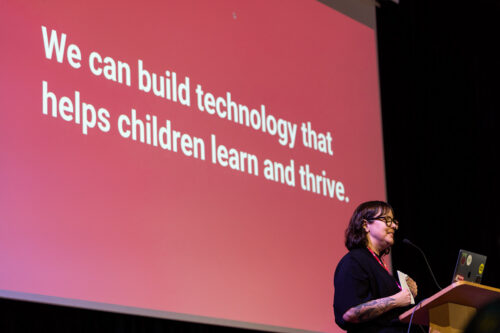
- July 2026: Laura Kirsop, a senior leader at the Raspberry Pi Foundation, presents the draft principles at the Raspberry Fields summit in Cambridge, marking a formal commitment to the framework.
Analysis of Implications for the EdTech Industry
The move by Raspberry Pi is likely to have significant ripple effects across the educational technology sector. As a non-profit that also operates a successful commercial hardware arm, the Foundation occupies a unique position. By voluntarily adopting these constraints, it sets a benchmark that for-profit competitors may find difficult to ignore, especially as schools and parents become more discerning about the tools they adopt.
Furthermore, the emphasis on "human-in-the-loop" AI development serves as a counter-narrative to the current trend of "personalized learning" models that rely heavily on automated algorithms. If Raspberry Pi can prove that an ethical, relationship-centered approach still yields high educational outcomes, it could shift the investment focus of the entire industry away from addictive engagement and toward substantive learning metrics.
Call for Global Collaboration
The Raspberry Pi Foundation has acknowledged that it does not have all the answers and that the principles remain a "work in progress." In a move toward radical transparency, the organization has invited researchers, parents, and policymakers to provide honest feedback on the framework.
The Foundation is also calling for the creation of a coalition of like-minded non-profits and organizations to share best practices and collectively raise the standards of the sector. By fostering a collaborative environment, Raspberry Pi hopes to ensure that the next generation of technology is built not just for efficiency, but for the fundamental protection and empowerment of children worldwide. As the regulatory landscape continues to shift, this proactive stance may well become the blueprint for the future of responsible innovation in the digital age.