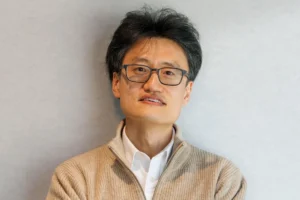
Professor Chris Zegras, a distinguished figure in mobility and urban planning and the current head of the MIT Department of Urban Studies and Planning (DUSP), has been appointed the new Chief Executive Officer (CEO) and Director of the Singapore-MIT Alliance for Research and Technology (SMART). This significant transition is effective September 1, and Professor Zegras will succeed Professor Bruce Tidor, a prominent scholar in biological engineering and computer science, who has expertly guided SMART as interim CEO and Director since January 2025. The appointment signals a continued commitment to fostering cutting-edge research and innovation through this vital international partnership.
A Deepening of a Proven Collaboration
Established in 2007 through a strategic collaboration with the National Research Foundation of Singapore (NRF), SMART stands as MIT’s sole research center located outside the United States. Its presence within the sophisticated Campus for Research Excellence and Technological Enterprise (CREATE) underscores its pivotal role as a nexus for collaboration. SMART actively cultivates a dynamic ecosystem where leading experts and institutions from the United States, Singapore, and the broader Asian region converge to pursue world-class research and drive technological advancements.
The selection of Professor Zegras for this leadership role has been met with strong endorsement from MIT’s highest academic ranks. Anantha Chandrakasan, MIT’s Provost, conveyed the news to the MIT community in a formal letter, highlighting Professor Zegras’s exceptional qualifications. "Professor Zegras brings a distinguished track record of interdisciplinary leadership and a deep understanding of SMART’s mission and impact," stated Provost Chandrakasan. "His appointment reinforces MIT’s commitment to the alliance, which has advanced innovation and driven global impact, and which remains as important as ever in a time of accelerating technological and global change." This statement underscores the strategic importance MIT places on SMART’s continued success and its role in addressing contemporary global challenges.
A Leader with a Vision for Interdisciplinary Impact
Professor Zegras’s tenure at MIT began in 2005, and since 2020, he has held the influential position of Head of the Department of Urban Studies and Planning (DUSP). His academic and research focus is acutely aligned with the pressing challenges facing metropolitan areas worldwide, particularly in the realm of mobility. His work delves into the intricate interplay between computational technologies, human behavior modeling, and the strategic planning necessary for sustainable urban development. This expertise is directly relevant to SMART’s overarching mission of tackling complex societal issues through research.
Furthermore, Professor Zegras brings a substantial and long-standing connection to SMART itself. His contributions have been integral to the alliance’s research endeavors, notably in leading collaborative projects focused on next-generation mobility sensing and simulation systems. From 2010 to 2020, he served as a principal investigator within the Future Urban Mobility (FUM) interdisciplinary research group. His leadership within FUM intensified between 2016 and 2020 when he assumed the role of lead principal investigator. During this impactful period, the FUM group achieved several significant milestones, including spearheading Singapore’s pioneering public autonomous vehicle trials. They also developed and deployed sophisticated large-scale urban simulation and visualization systems, and their groundbreaking research has served as the genesis for several successful spinoff companies. This hands-on experience with SMART’s operational dynamics and research outcomes positions him uniquely to lead the organization forward.
Reflecting on his new role, Professor Zegras expressed his enthusiasm and his clear vision for SMART’s future. "Bringing together leading experts from the U.S., Singapore, and around the world, SMART has established itself as a unique hub for interdisciplinary collaboration and innovation that addresses pressing societal issues," he remarked. "Having experienced firsthand what this distinctive model can achieve, I look forward to building on this strong foundation to deepen collaboration, strengthen our innovation ecosystem, and accelerate the translation of research into meaningful real-world impact." His words emphasize a commitment to both the collaborative spirit of SMART and the tangible application of its research findings.
SMART: A Hub of Global Innovation
SMART’s operational framework is built around a series of highly focused, interdisciplinary research groups, each spearheaded by senior MIT faculty members. Currently, SMART comprises six such groups, each addressing critical global challenges:
- Antimicrobial Resistance (AMR): This group is dedicated to combating the growing threat of antibiotic-resistant bacteria and other pathogens, a critical public health concern worldwide. Research in this area aims to develop novel strategies for diagnosis, treatment, and prevention of infections caused by resistant microbes.
- Cellular and Molecular Medicine (CMM): Focused on harnessing the power of living cells as personalized medicines, this research area seeks to develop innovative approaches for treating and preventing diseases. This includes exploring the potential of cell-based therapies for a range of conditions, from cancer to chronic illnesses.
- AI and Society (AI & Society): This group investigates the profound social and institutional challenges arising from the rapid proliferation of Artificial Intelligence (AI) and other emerging technologies. Their work aims to understand and navigate the ethical, economic, and societal implications of these transformative advancements.
- Agri-Food Systems (AFS): Addressing the global imperative for sustainable and resilient food production, this group focuses on developing new agricultural technologies. Their research seeks to enhance crop yields, improve resource efficiency, and ensure food security in a changing climate.
- Wafer-Scale 3D Sensing (WSDS): This cutting-edge group is developing novel wafer-scale 3D sensing technologies. These advancements have the potential to revolutionize fields ranging from robotics and autonomous systems to medical imaging and augmented reality.
- Wearable Ultrasound Imaging (WUI): This research initiative is at the forefront of developing wearable ultrasound imaging systems. These portable and non-invasive devices could transform diagnostic capabilities, enabling continuous health monitoring and point-of-care medical assessments.
Beyond its core research groups, SMART is also home to the SMART Innovation Centre. This vital component of the alliance is specifically tasked with facilitating the transition of groundbreaking research ideas from the laboratory to the marketplace. Through incubation, commercialization support, and fostering entrepreneurial activity, the Innovation Centre plays a crucial role in ensuring that SMART’s research outputs translate into tangible benefits for society and the economy.
Historical Context and Strategic Importance
The establishment of SMART in 2007 was a landmark moment in international research collaboration. It represented a bold strategic initiative by both MIT and the Singaporean government to create a dedicated platform for addressing complex, global challenges through deep, interdisciplinary scientific inquiry. The choice of Singapore as the location was strategic, leveraging the nation’s reputation as a hub for innovation, its strong government support for research and development, and its position as a gateway to the rapidly growing Asian market.
The initial years of SMART were characterized by the meticulous formation of its research groups, the recruitment of world-class researchers, and the establishment of robust collaborative frameworks. The alliance benefited from the foresight of its early leadership, including the foundational work of its first directors, who laid the groundwork for the interdisciplinary culture that defines SMART today. The NRF’s sustained commitment and investment have been instrumental in enabling SMART to pursue ambitious, long-term research agendas that might be challenging to undertake in a purely national context.
The interim leadership of Professor Bruce Tidor provided a crucial period of continuity and stability. His background in both biological engineering and computer science, fields increasingly intertwined in modern research, allowed him to effectively navigate the diverse scientific landscape of SMART. His tenure ensured that the alliance continued its momentum in addressing its critical research mandates while a permanent leader was identified. The transition from Professor Tidor to Professor Zegras represents a carefully planned succession, ensuring a seamless handover of leadership and a continued focus on the alliance’s strategic objectives.
Broader Implications and Future Outlook
Professor Zegras’s appointment carries significant implications for the future direction of SMART and its impact on global innovation. His specific expertise in urban mobility, coupled with his experience leading a leading academic department, suggests a potential emphasis on research that addresses the complex challenges of urbanization, sustainable transportation, and the integration of technology into our living environments. Given that many of SMART’s current research groups are exploring technologies with direct applications in urban settings – from AI and sensing to new materials and cellular therapies – Zegras’s leadership may foster new synergies and cross-disciplinary initiatives.
The fact that SMART’s research directly informs Singapore’s national strategies in areas like smart city development, public health, and advanced manufacturing further amplifies the significance of this leadership change. The alliance’s ability to translate research into practical applications is a key performance indicator for its stakeholders. Professor Zegras’s stated goal of "accelerating the translation of research into meaningful real-world impact" signals a commitment to bolstering these efforts. This could involve strengthening partnerships with industry, facilitating the creation of more spinoff companies, and actively engaging with policymakers to ensure research findings inform policy development.
In an era marked by rapid technological advancements, climate change, and evolving global health threats, the role of international research collaborations like SMART becomes increasingly vital. These alliances provide a unique platform for pooling intellectual capital, sharing resources, and tackling problems that transcend national borders. Professor Zegras’s leadership at SMART is poised to reinforce its position as a leading force in global research and innovation, driving forward discoveries that have the potential to shape a more sustainable, equitable, and prosperous future for all. His appointment is a testament to the enduring strength of the MIT-Singapore partnership and its continued relevance in addressing the world’s most pressing challenges.