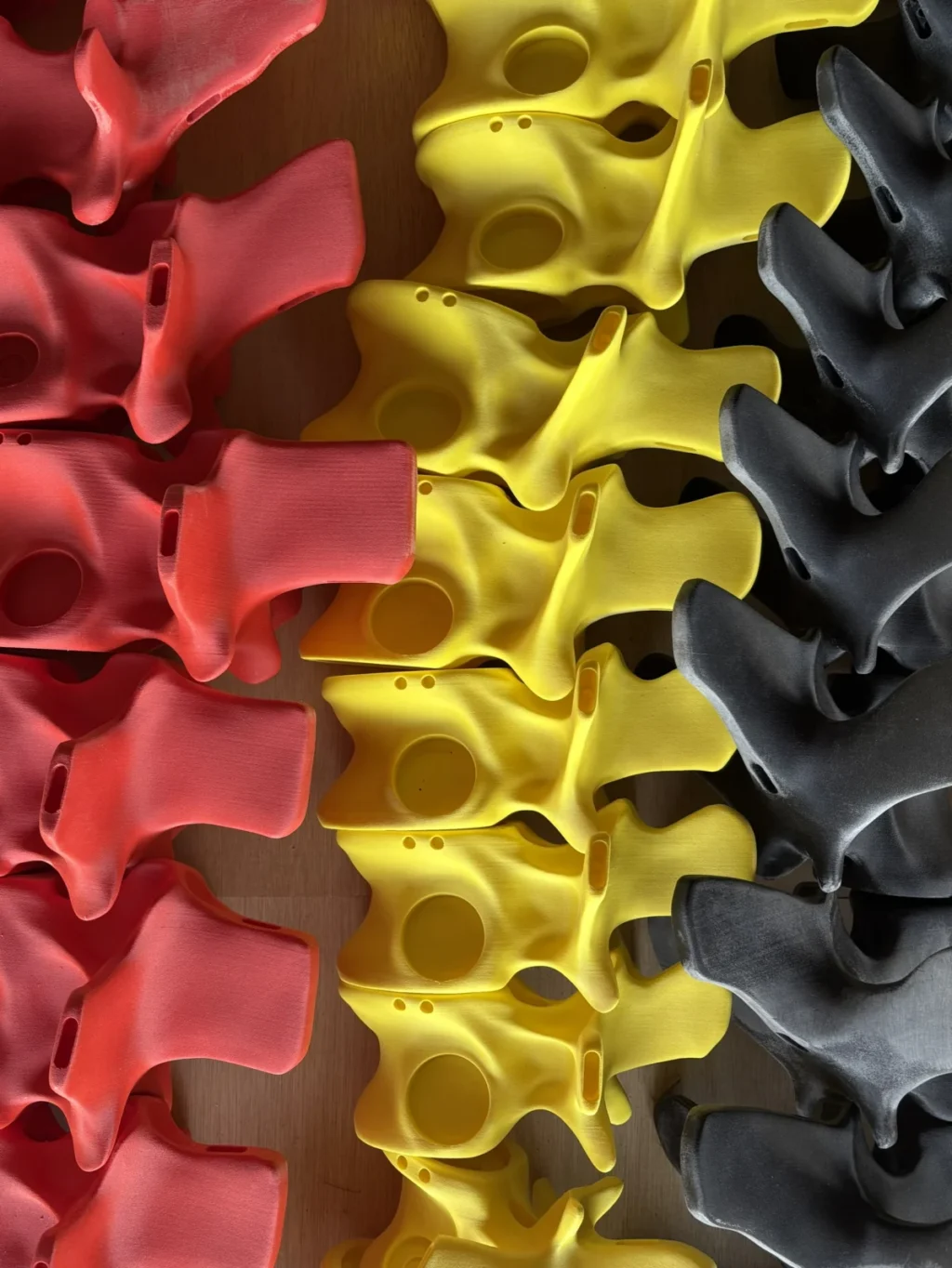
Blenheim Palace in England is currently playing host to a groundbreaking exhibition that marries prehistoric grandeur with the innovations of modern technology. The "Dinosaurs Are Forever" exhibition showcases five colossal nine-meter-long sculptures of the Megalosaurus, a dinosaur that roamed the Earth approximately 166 million years ago. What sets this display apart is its innovative creation process: the colossal skeletal structures were brought to life using fourteen desktop 3D printers working tirelessly over seven weeks. This ambitious project, spearheaded by British artist Jay Jay Burridge through his studio Future Fossils, represents a significant leap in how paleontological reconstructions can be realized, offering a tangible link between the deep past and the technological present.
The genesis of "Dinosaurs Are Forever" lies in Burridge’s vision to reimagine these ancient creatures not just as static museum pieces, but as dynamic artistic interpretations that blend scientific accuracy with imaginative design. Instead of relying on traditional sculpting or fabrication methods, the Future Fossils team opted for a fully additive manufacturing approach. This decision led them to collaborate with Gerard Shields of the UK-based additive manufacturing firm Printpool. Shields, a proponent of accessible yet powerful 3D printing solutions, deployed a fleet of fourteen Bambu Lab printers. These machines, renowned for their speed and reliability, were tasked with producing the meticulously redesigned bones of the Megalosaurus. The chosen material was ABS-GF, a robust acrylonitrile butadiene styrene filament reinforced with glass fibers, providing the necessary strength and durability for outdoor display. The sheer scale of the project meant that the printing process itself became a feat of logistical planning and sustained effort, with each printer contributing to the creation of thousands of individual components that would eventually form the complete skeletons.
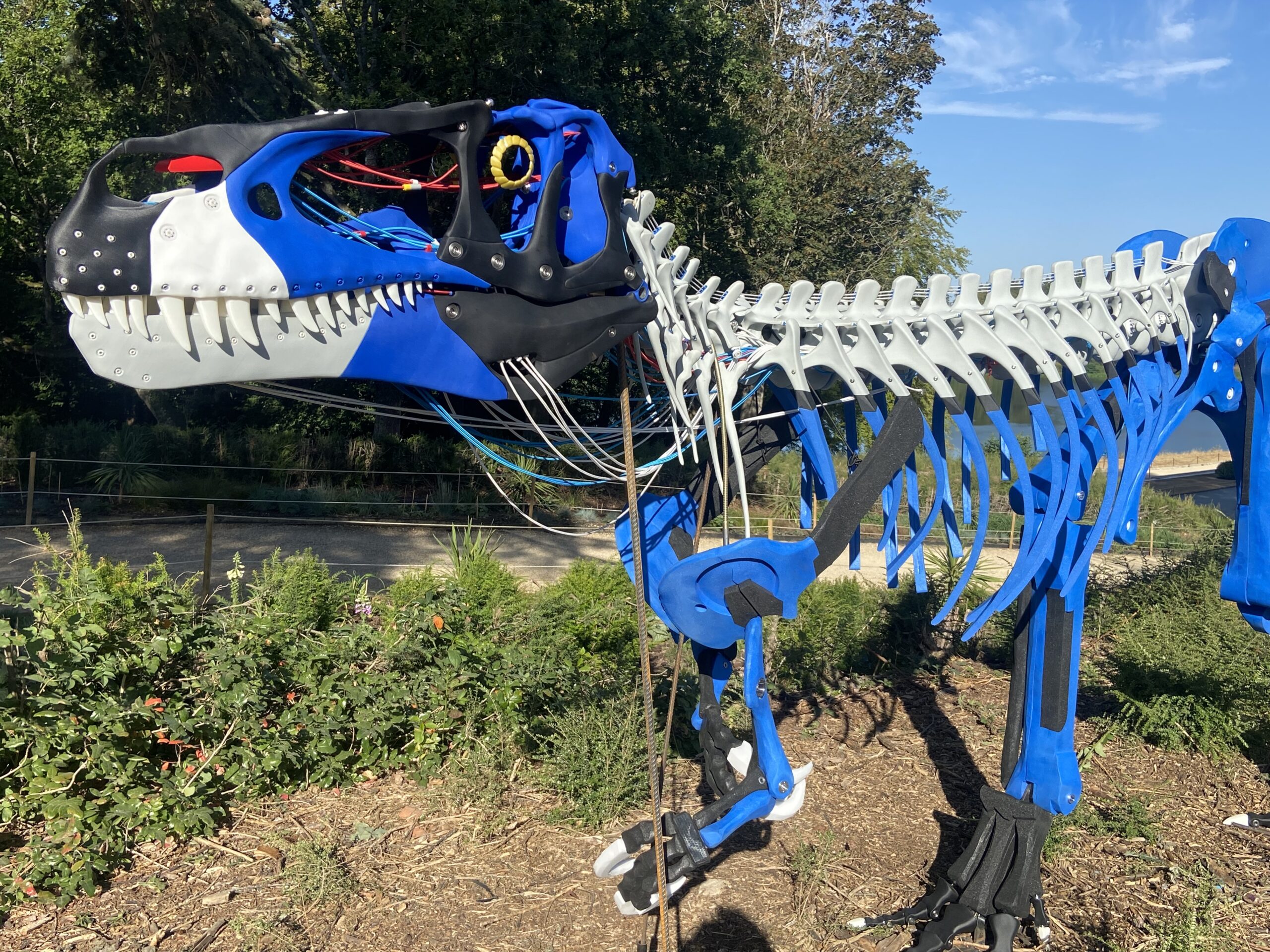
The choice of the Megalosaurus for this pioneering project is particularly poignant. This formidable creature holds a distinguished place in the annals of paleontology. Its fossilized remains, discovered in Oxfordshire, England, were meticulously studied by geologist William Buckland, who formally named the species in 1824. This designation marked a pivotal moment in scientific history, as Megalosaurus became the very first dinosaur to be given a scientific name. Although the term "dinosaur" itself would not be coined for another eighteen years, Buckland’s work laid the foundational stone for the scientific understanding of these prehistoric giants. Now, over two centuries after its initial identification in the same county that hosts Blenheim Palace, the Megalosaurus has returned in a form that speaks to humanity’s evolving capacity to understand and represent its ancient past.
Jay Jay Burridge eloquently articulated the philosophical underpinnings of his project, stating, "It’s perfectly logical that dinosaurs of the future should be 3D printed. We’re taking creatures from 166 million years ago and rebuilding them with the technology of today." This statement encapsulates the core ethos of the exhibition: a dialogue between epochs, facilitated by technological advancement. The sculptures are not intended as literal replicas of museum skeletons, which often prioritize a strict scientific interpretation. Instead, Burridge collaborated with Dr. Matt Dempsey, a distinguished musculoskeletal biologist, vertebrate paleontologist, and scientific illustrator. Dr. Dempsey, who completed his doctoral research with the University of Liverpool and London’s Natural History Museum, brought his extensive expertise to bear on the project. Together, he and Burridge developed a novel interpretation of the Megalosaurus, informed by existing fossil evidence and insights gleaned from closely related dinosaur species. This collaborative approach allowed for a more nuanced and scientifically grounded artistic vision.
The artistic direction taken by Burridge pushed the boundaries of traditional dinosaur reconstruction. The resulting sculptures are a captivating fusion of science, art, and engineering. They feature skeletons that possess an almost biomechanical aesthetic, hinting at both the organic forms of ancient creatures and the intricate mechanisms of modern machinery. Each of the five nine-meter-long Megalosaurus sculptures is constructed around a lightweight, movable frame, allowing for dynamic poses and an inherent sense of life. The individual bones, whether 3D printed or meticulously hand-carved, contribute to this unique aesthetic. The sheer volume of 3D printed vertebrae, for instance, underscores the scale of the printing operation and the dedication required to assemble these colossal figures.
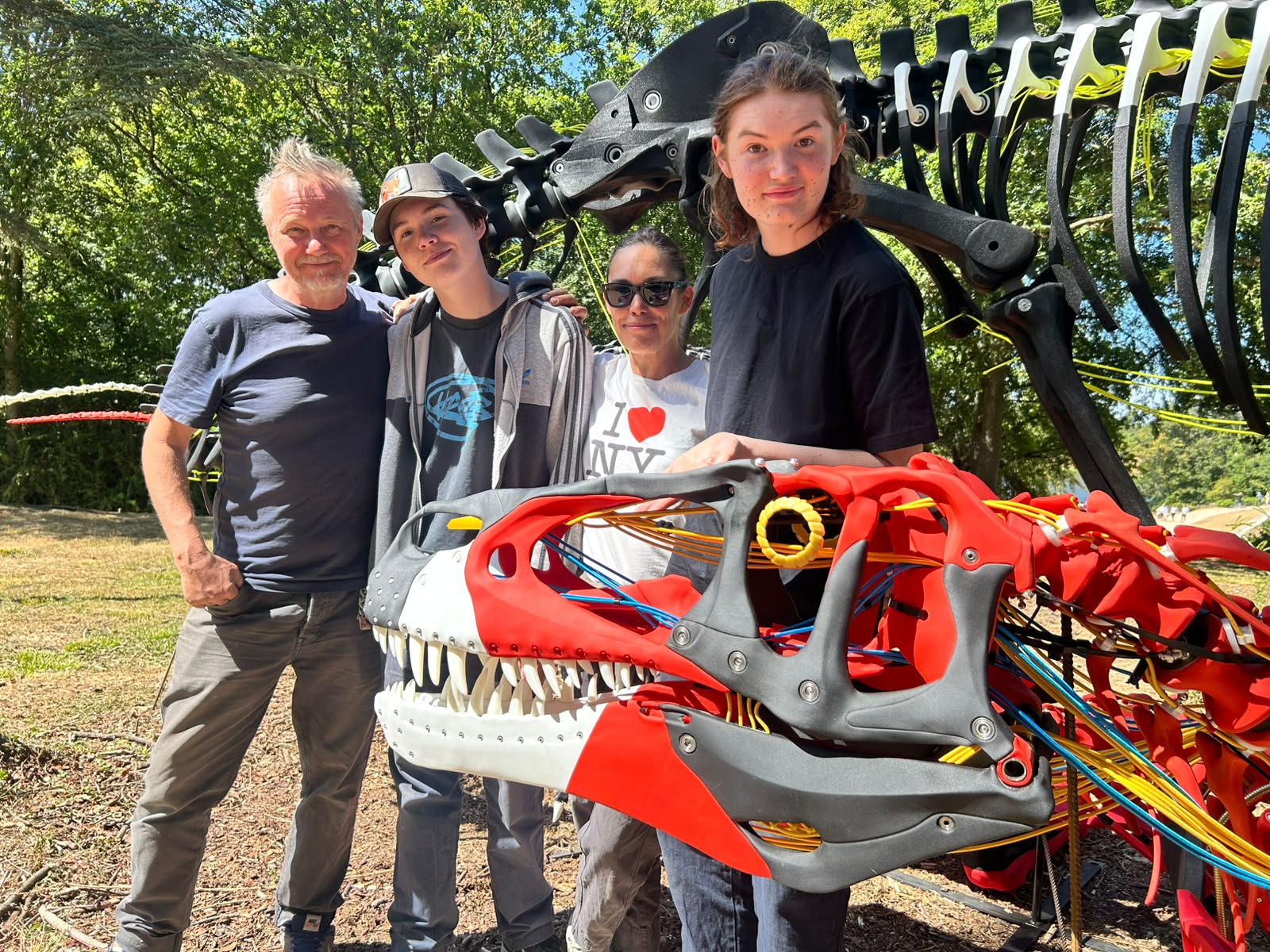
A key takeaway from the "Dinosaurs Are Forever" exhibition is the demonstration of how accessible desktop 3D printing technology can be leveraged for large-scale, impactful projects. The success of this installation negates the notion that monumental creations necessitate industrial-grade, prohibitively expensive machinery. Printpool’s strategic deployment of fourteen Bambu Lab desktop printers effectively created a "print farm" capable of producing components that, when assembled, dwarfed the dimensions of the individual machines. This approach offers a scalable model for future artistic and engineering endeavors, showcasing the potential for decentralized, distributed manufacturing to achieve ambitious outcomes. Nadia Yaakoubi, Bambu Lab’s Head of PR and Communications, underscored this point, stating, "Supporting the first-ever 3D-printed reconstruction of Megalosaurus – the world’s first discovered dinosaur – is a powerful example of how modern technology can bring ancient stories to life."
The choice of Blenheim Palace as the exhibition venue adds a layer of historical resonance to the project. Situated in Oxfordshire, the very county where the original Megalosaurus fossils were unearthed, the location brings the narrative full circle. This connection to the land where the scientific journey of this iconic dinosaur began is particularly meaningful. Furthermore, Oxfordshire continues to be a region where significant dinosaur discoveries are made. Recent findings, such as a substantial set of dinosaur tracks uncovered at Dewars Farm Quarry near Bicester, highlight the enduring paleontological importance of the area. Thus, visitors to Blenheim Palace are not only witnessing a marvel of modern technology but are also immersing themselves in a landscape steeped in prehistoric history. Two hundred years after Oxfordshire first introduced the world to the Megalosaurus, the public now has the opportunity to stand in awe beneath a nine-meter-tall rendition of this ancient titan.
The "Dinosaurs Are Forever" exhibition is open to the public in the gardens of Blenheim Palace until November 1, 2026. The five Megalosaurus sculptures represent their inaugural public debut, and their viewing is included with a Park & Gardens ticket or an Annual Pass. For those eager to connect with the original scientific discoveries, the Oxford University Museum of Natural History houses the actual Megalosaurus fossils, offering a direct link to the creature that first sparked humanity’s fascination with these magnificent ancient beings. The exhibition serves as a potent reminder of the continuous evolution of both scientific understanding and artistic expression, demonstrating how technology can unlock new dimensions in our appreciation of the past. The implications of this project extend beyond mere artistic display; it sets a precedent for how paleontological education and public engagement can be transformed through accessible, cutting-edge manufacturing techniques. The ability to rapidly prototype and scale complex structures opens up possibilities for immersive educational experiences, more detailed scientific models, and a democratized approach to bringing history to life. As the world continues to embrace additive manufacturing, projects like "Dinosaurs Are Forever" illuminate a future where the boundaries between imagination, science, and art are increasingly blurred, allowing us to explore our planet’s history in unprecedented and awe-inspiring ways.