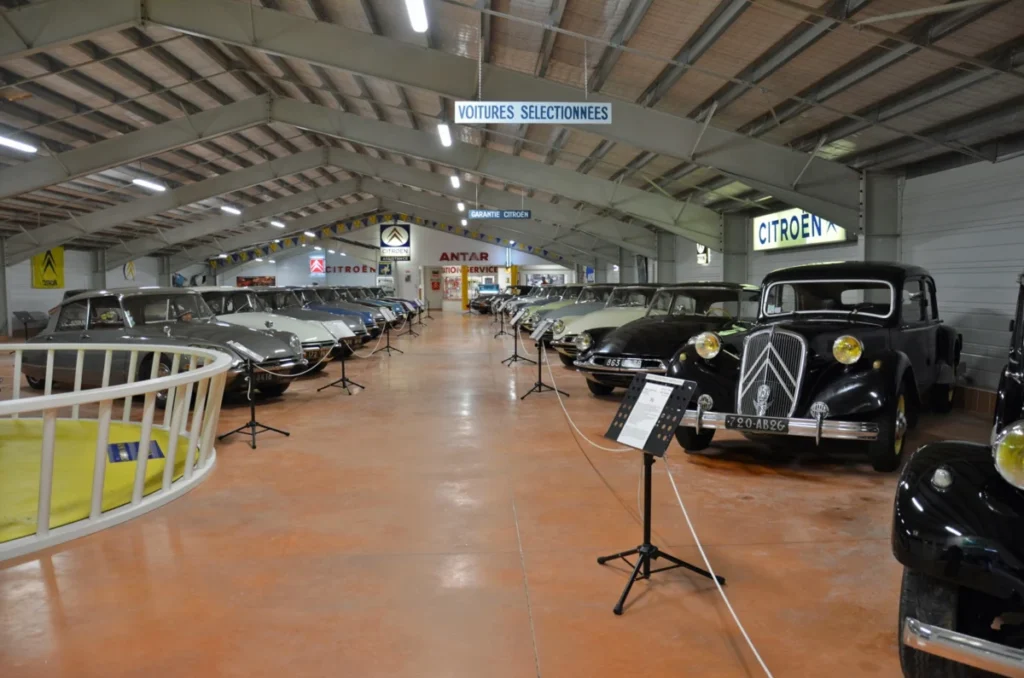
For four decades, French enthusiast Henri Fradet has meticulously curated a remarkable collection of over 120 post-war Citroën models, establishing the CitroMuseum in Castellane, a picturesque town in the south of France. This private museum, a testament to Fradet’s passion and dedication, offers visitors an unparalleled journey through the innovative history of the iconic French marque, standing as serious competition to Citroën’s own official Conservatoire in Paris. Fradet’s discerning eye for quality is evident in his preference for low-mileage, unrestored vehicles, each one a carefully selected gem discovered across France. Visiting the CitroMuseum is akin to stepping back in time, a pilgrimage for any devoted Citroën aficionado.
The Three Pillars of Citroën Innovation
The CitroMuseum is thoughtfully organized into three distinct thematic chambers, each dedicated to a pivotal era or model line in Citroën’s post-war evolution. The first chamber pays homage to the revolutionary Traction Avant and its elegant successors, the DS and ID series. These vehicles, epitomizing Citroën’s avant-garde engineering and distinctive design, set new benchmarks in automotive comfort and handling.
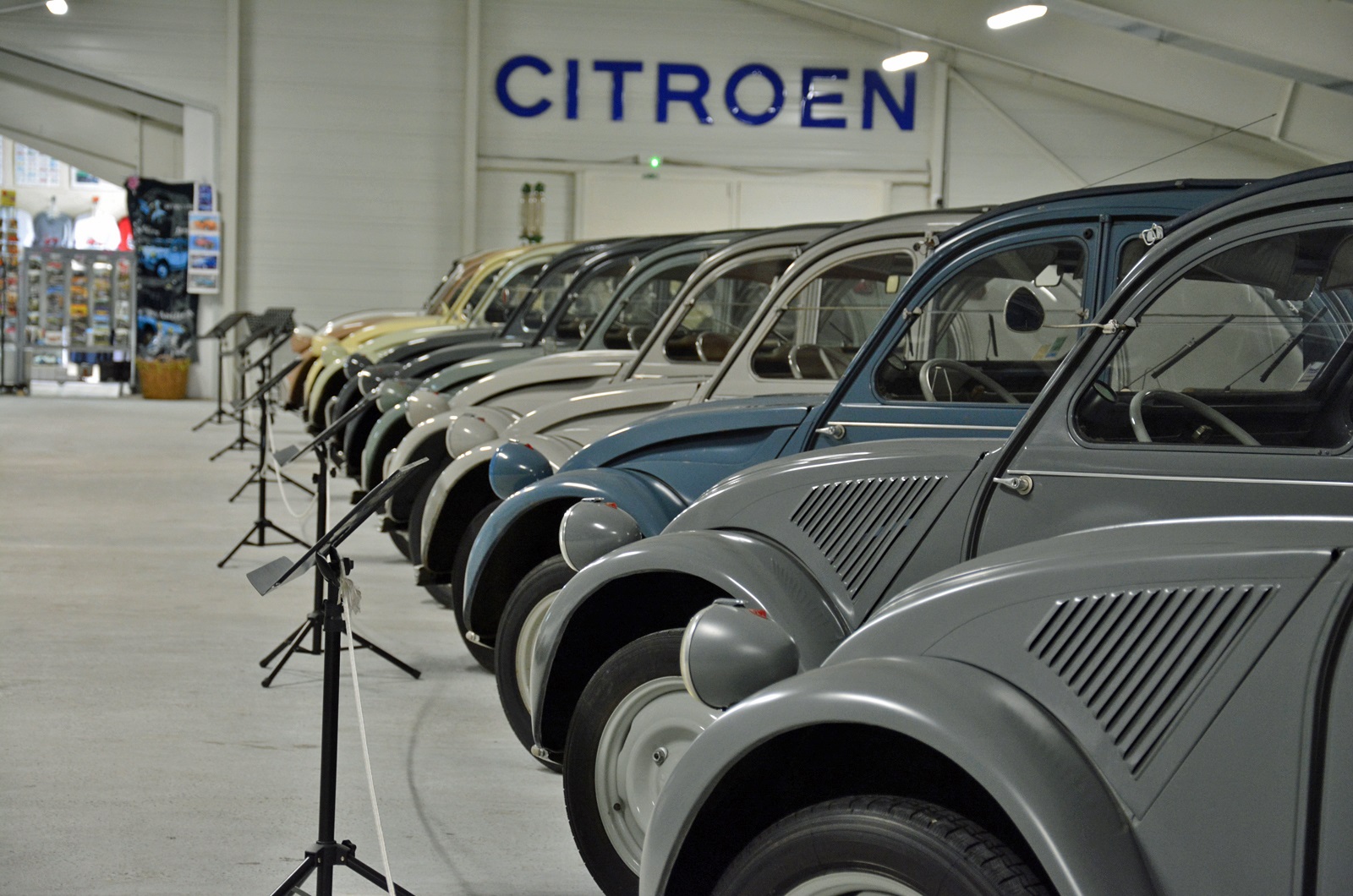
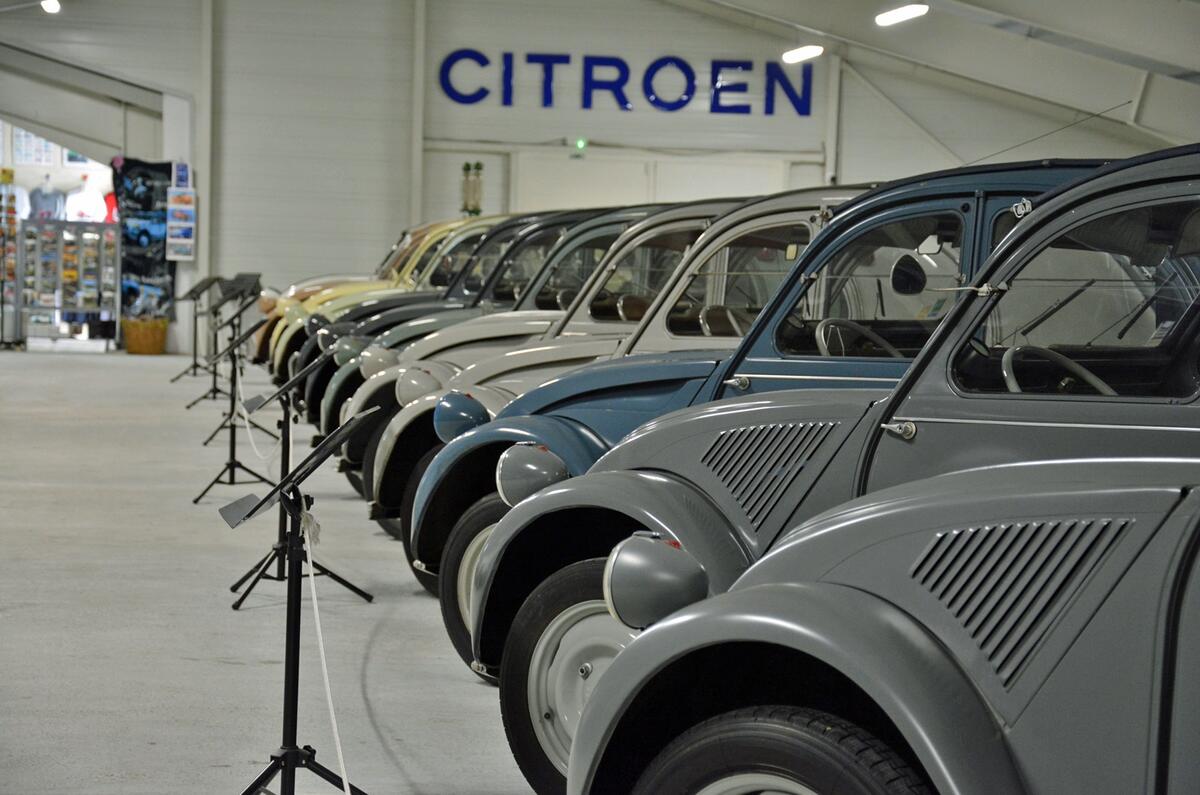
The second chamber is a vibrant tribute to the enduring legacy of the iconic 2CV and its myriad of utilitarian and recreational derivatives. This humble yet beloved vehicle, initially conceived as a "people’s car," evolved into a symbol of French automotive resilience and character.
The third, and most recently established, wing delves into the diverse offerings from the 1970s through the 1990s, showcasing Citroën’s continued pursuit of innovation and distinctive styling during a period of significant automotive change. Beyond the vehicles themselves, each section is enriched with a wealth of Citroën memorabilia, including original research and development documents, scale models, and vintage dealership signage, offering a comprehensive immersion into the brand’s heritage.
A Glimpse into the Collection: Iconic Models and Their Stories
The Traction Avant (1952): A Bridge to the Post-War Era

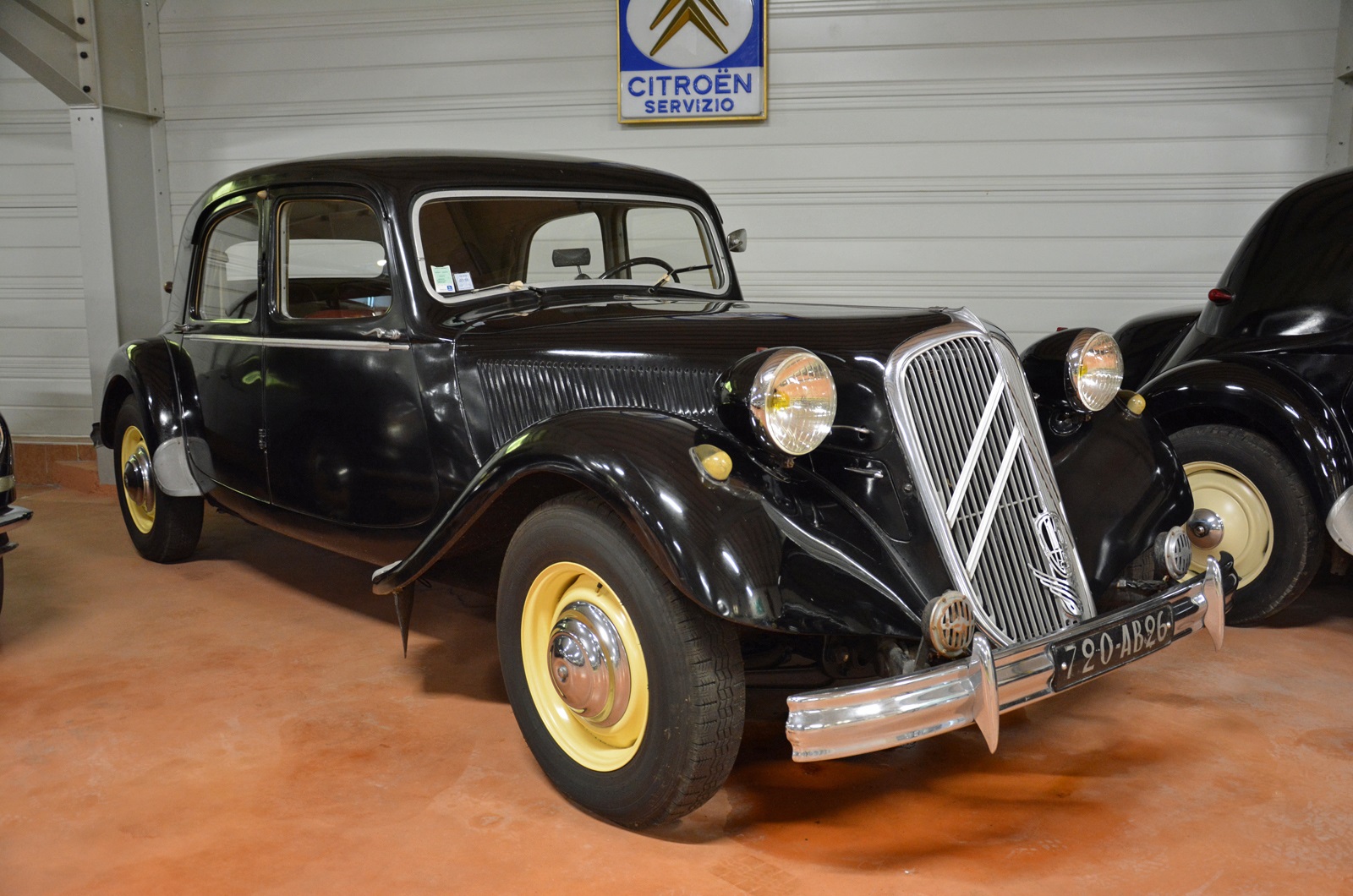
While the Traction Avant first graced the roads in 1934, its remarkably long production run, extending to 1957, earns it a significant place in the post-war automotive narrative. The 1952 example housed in the CitroMuseum is a prime specimen, powered by a 2.9-liter straight-six engine producing 77 horsepower. This particular vehicle boasts an exceptionally low mileage of approximately 40,000 km (25,000 miles) since new. Acquired in 1973 by a collector who lavished care upon it and ensured its indoor storage, it joined the CitroMuseum in 2016, a testament to its enduring appeal.
The DS (1955): The Goddess of Innovation
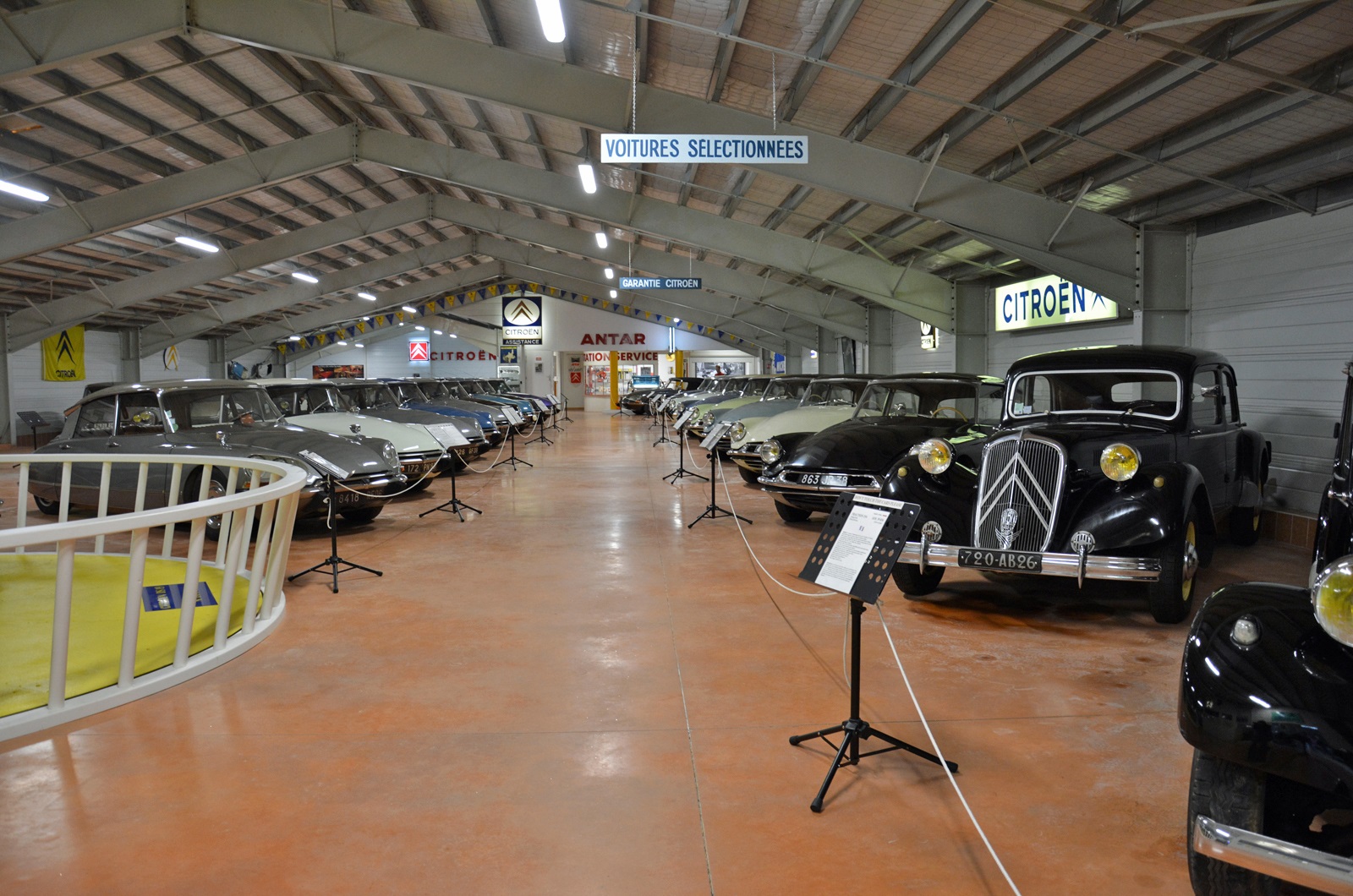
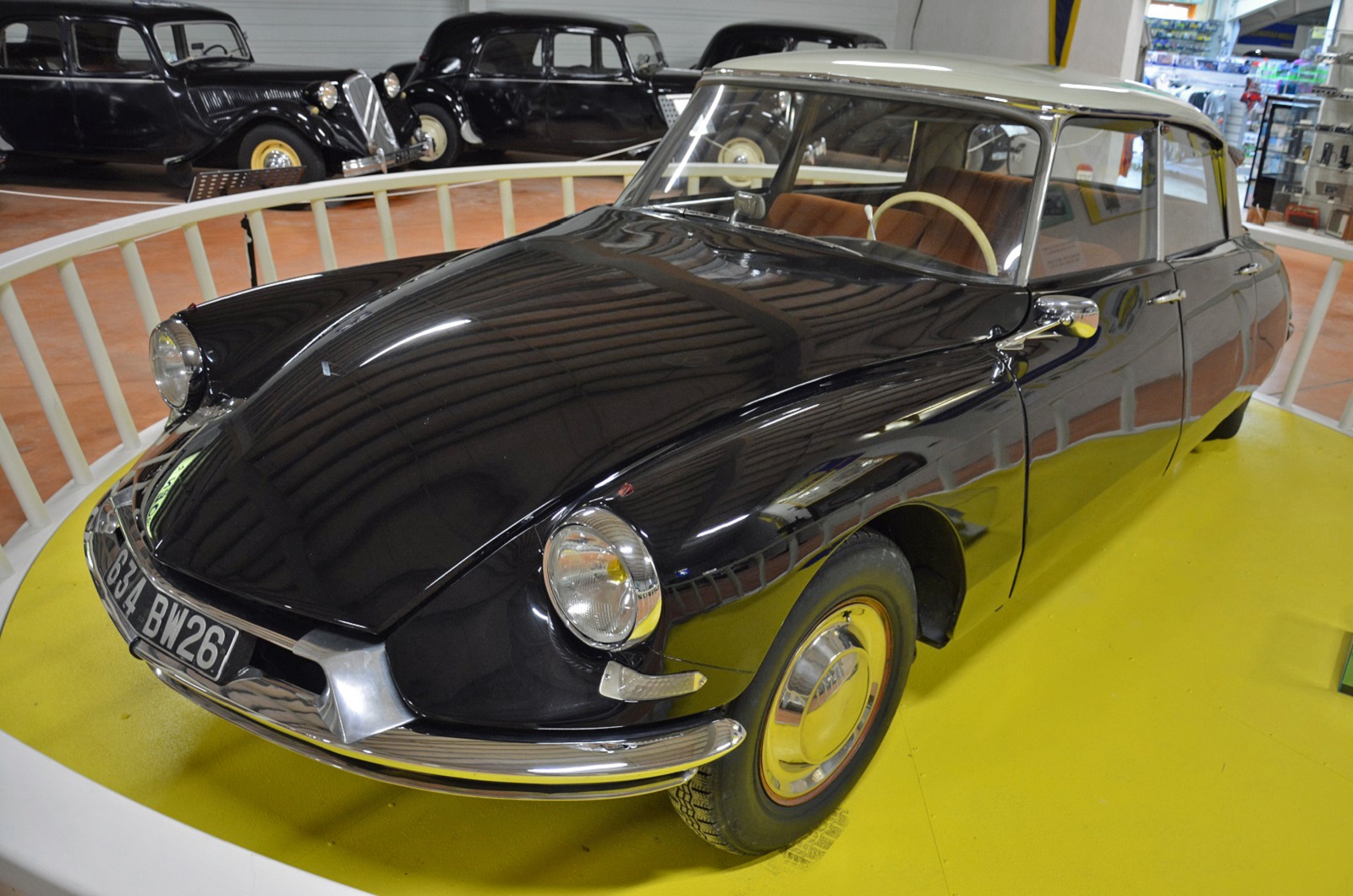
The CitroMuseum proudly displays several DS and ID models, but the black 1955 DS holds a special place of historical significance. Identified by chassis number 32, it represents the 14th DS ever sold and is the oldest series-produced example still in existence. The initial 13 vehicles, likely prototypes or early developmental units, are presumed to have been lost to time before their collector value was recognized.
Citroën’s mass production of the DS didn’t commence until February 1956, meaning the 175 units registered in 1955 were meticulously handcrafted. Chassis number 32 began its life as a demonstrator at a Citroën dealership in Valence, France. Instead of returning to headquarters as planned, it was sold to a loyal customer. Over its history, it accumulated around 69,000 km (43,000 miles) and spent 13 years residing in a museum in Holland before finding its permanent home at the CitroMuseum in 2004.
The ID 19 (1963): The Accessible Alternative
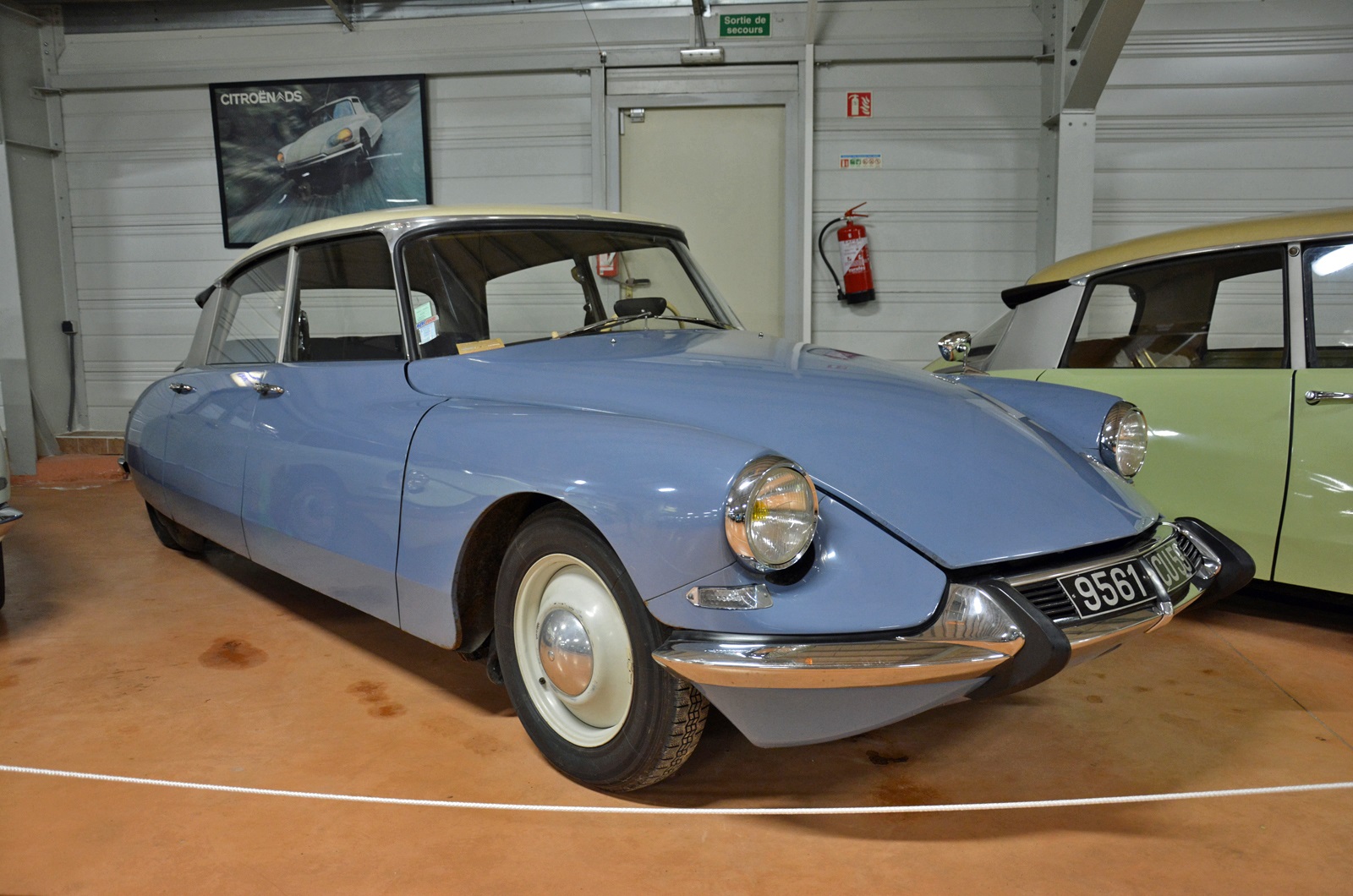
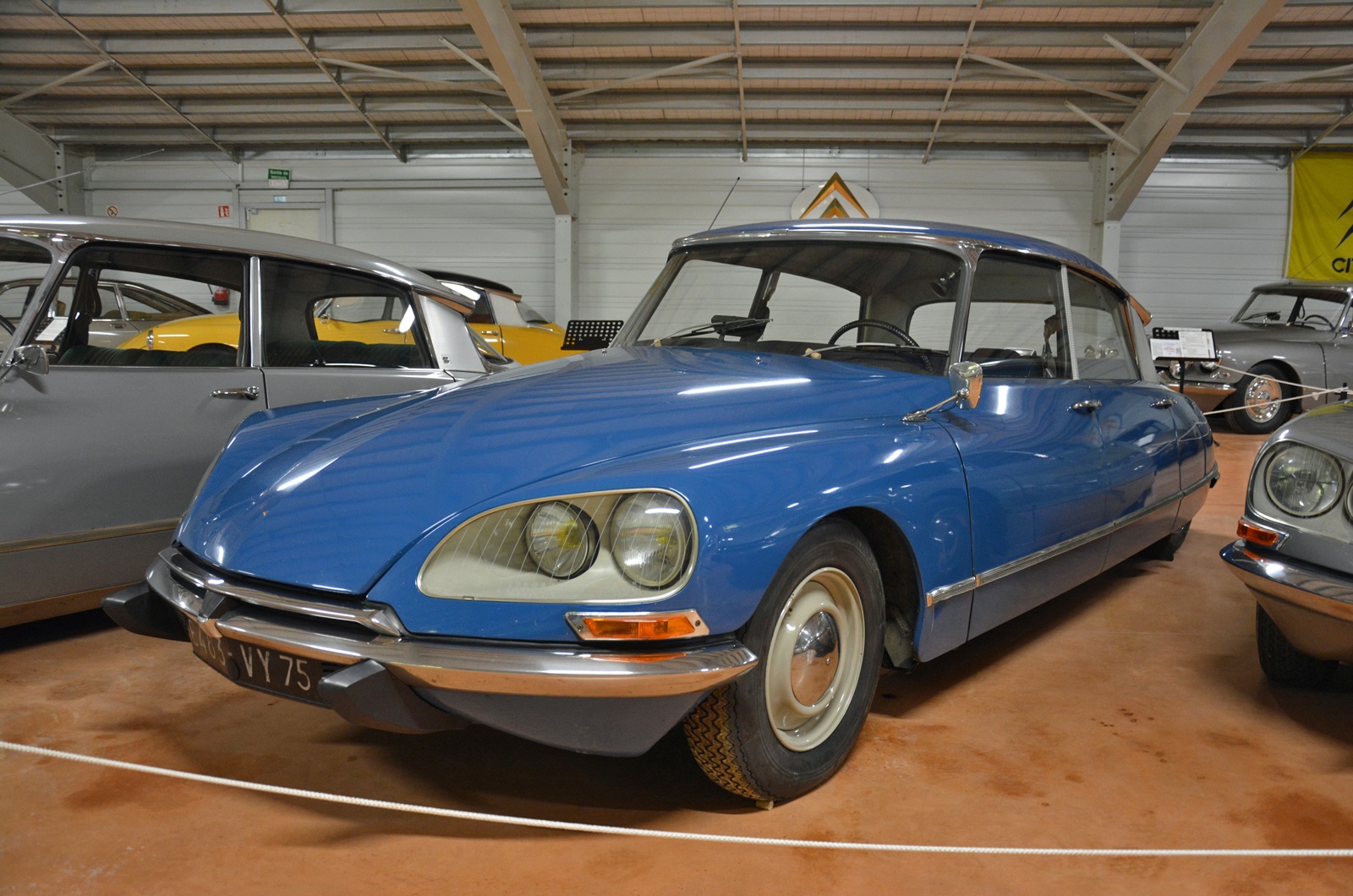
The ID 19, introduced as a more affordable and simpler alternative to the luxurious DS 19, is represented by a striking 1963 model finished in the distinctive Bleu de Provence hue. This example has traveled a mere 27,000 km (18,000 miles). Fradet himself purchased it from the second owner and, in a testament to the car’s robustness, drove it to Norway after a minor roadside repair to its hydraulic system.
The DS 21 Cabriolet (1966): A Coachbuilder’s Masterpiece
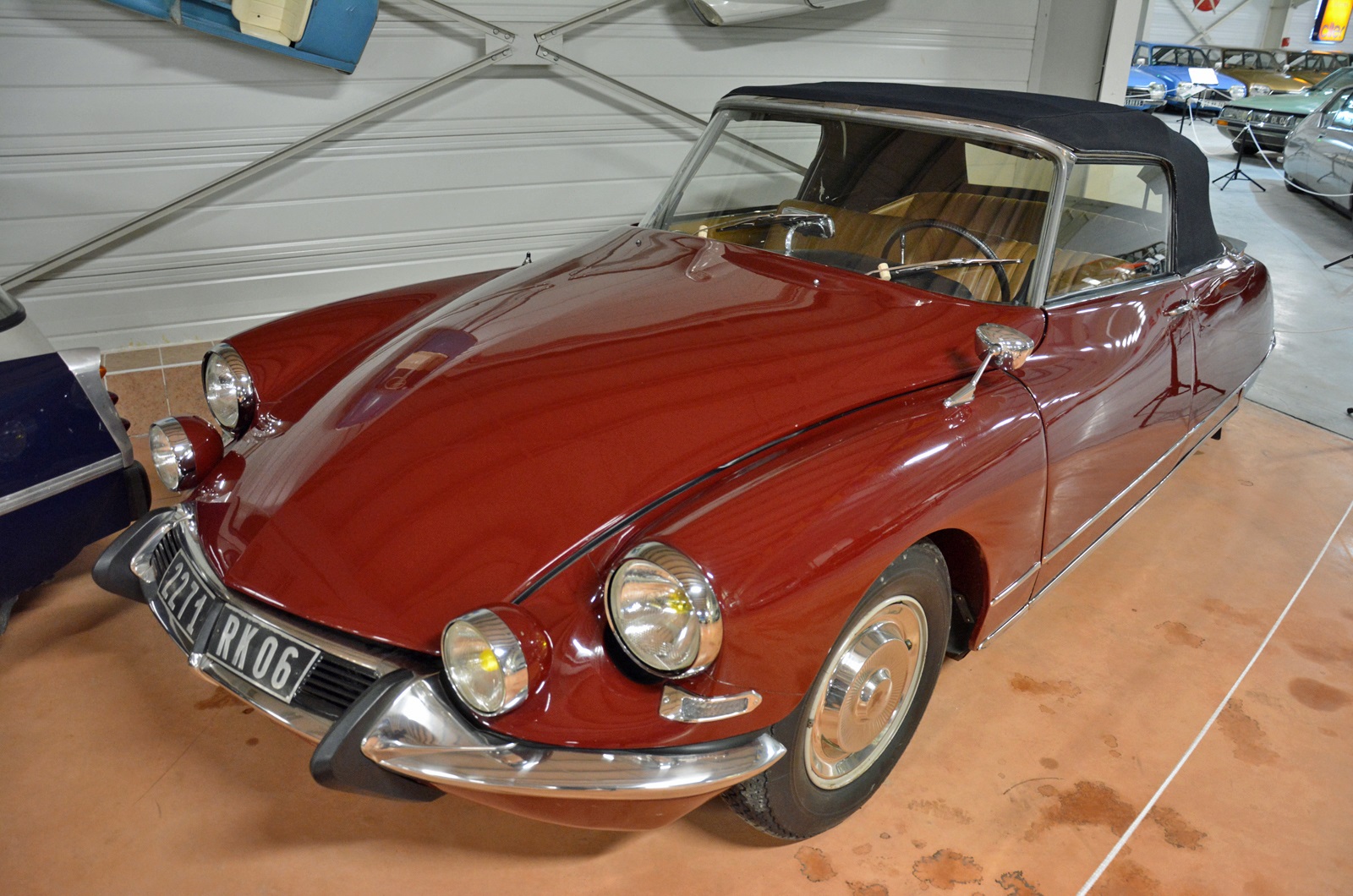
The inherent elegance of the DS provided fertile ground for coachbuilders to create breathtaking variants, with the convertible being a particularly coveted transformation. This 1966 DS 21 Cabriolet, one of 1,365 units produced, is a product of the renowned French coachbuilder Henri Chapron. Utilizing blueprints provided by Citroën, Chapron crafted factory-authorized conversions that shared the front-end styling and mechanical components of the standard four-door model. Originally sold in Paris, this particular example journeyed to Cannes in 1970 and has covered approximately 147,000 km (91,000 miles). While it underwent a partial restoration about 30 years ago, it remains a rare and captivating piece, representing one of the few vehicles in the collection that is not entirely original.
The D Super (1970): Evolving the DS Legacy
The D Super, introduced in 1969, succeeded the ID as the more accessible counterpart to the premium DS. The 1970 example in the collection boasts a unique provenance: its original owner was a radio operator who outfitted the dashboard with a transmitter and a 110-volt power outlet. He eventually sold the car with 50,000 km (31,000 miles) on the odometer due to age, a testament to its practicality and enduring appeal.
The Enduring Charm of the 2CV and its Kin
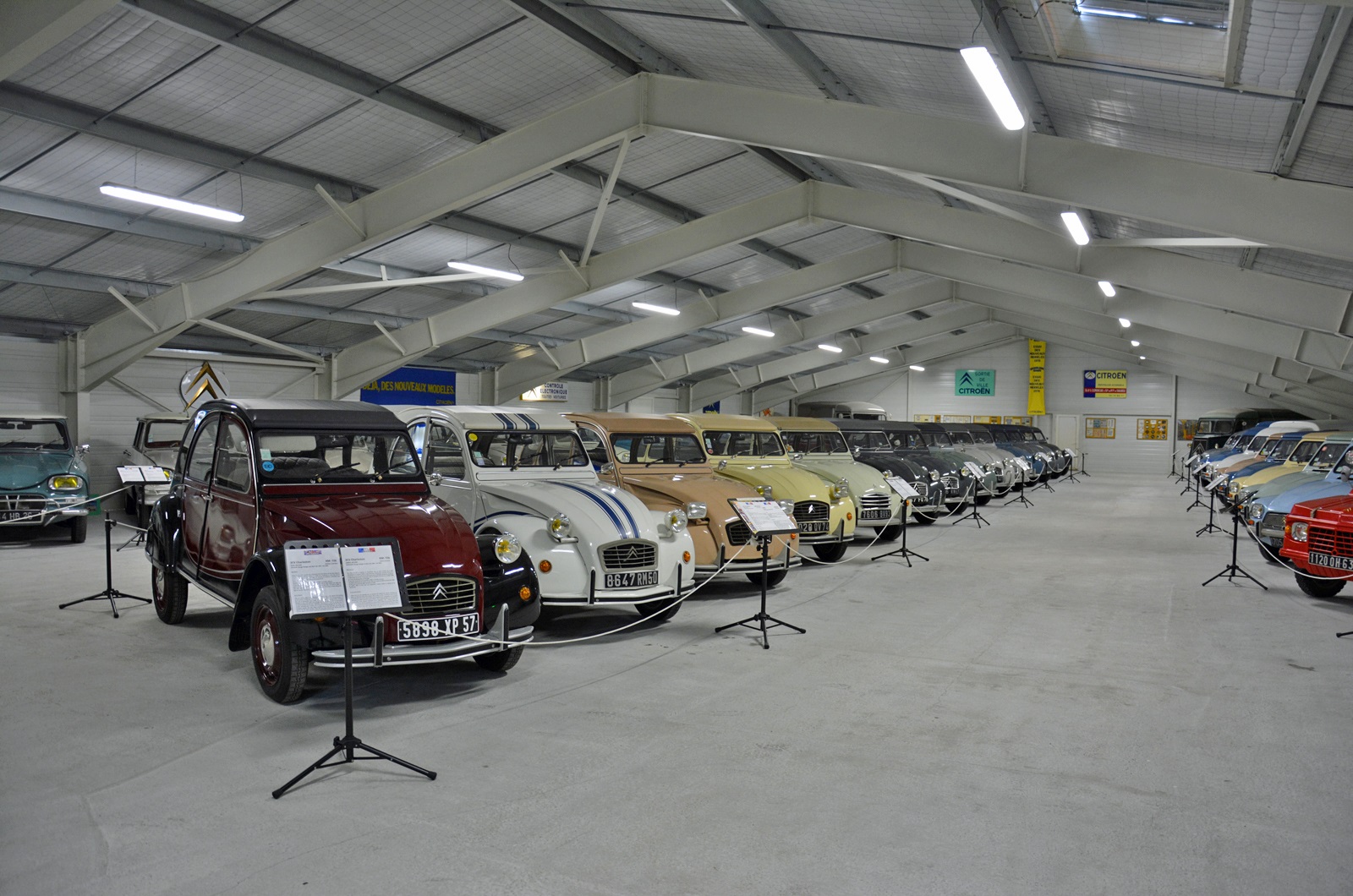
The second chamber of the CitroMuseum is a vibrant testament to the enduring appeal of the 2CV and its numerous offshoots. Once dismissed as an "ugly duckling," the 2CV has evolved from a utilitarian necessity into a beloved automotive icon. Its mass production and subsequent widespread use meant that finding examples in pristine condition was once a rarity. The vehicles in this section represent a fortunate survival, preserved to tell their unique stories.
2CV A (1954): A Time Capsule of Simplicity
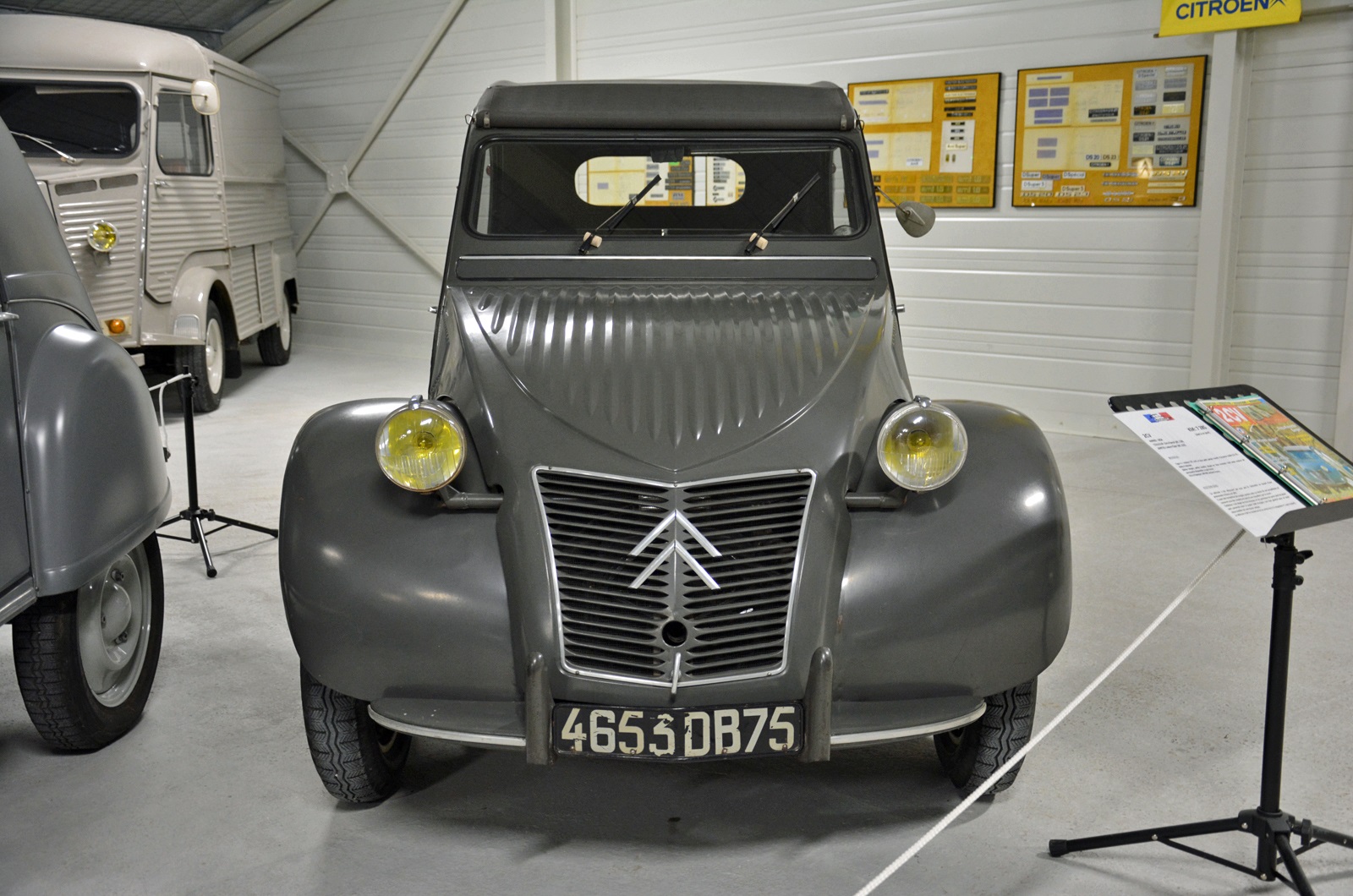
This 1954 2CV A has an extraordinary tale of preservation. Its original owner purchased it solely for leisurely Sunday drives with an elderly family member. Following the passing of that individual in 1958, the car was parked, as the owner expressed no further need for it. It remained in a garage on the outskirts of Paris until 1991, when an astute enthusiast discovered it. After a four-year pursuit, the owner finally agreed to part with it in 1995. The result is a time-warp 2CV, virtually in as-new condition, having covered a mere 7,300 km (approximately 4,500 miles) in 65 years. Still equipped with its original 375cc, 9.5hp flat-twin engine, its door panels even retain the protective brown paper fitted at the factory.
2CV AZU (1961): The Versatile Trucklet
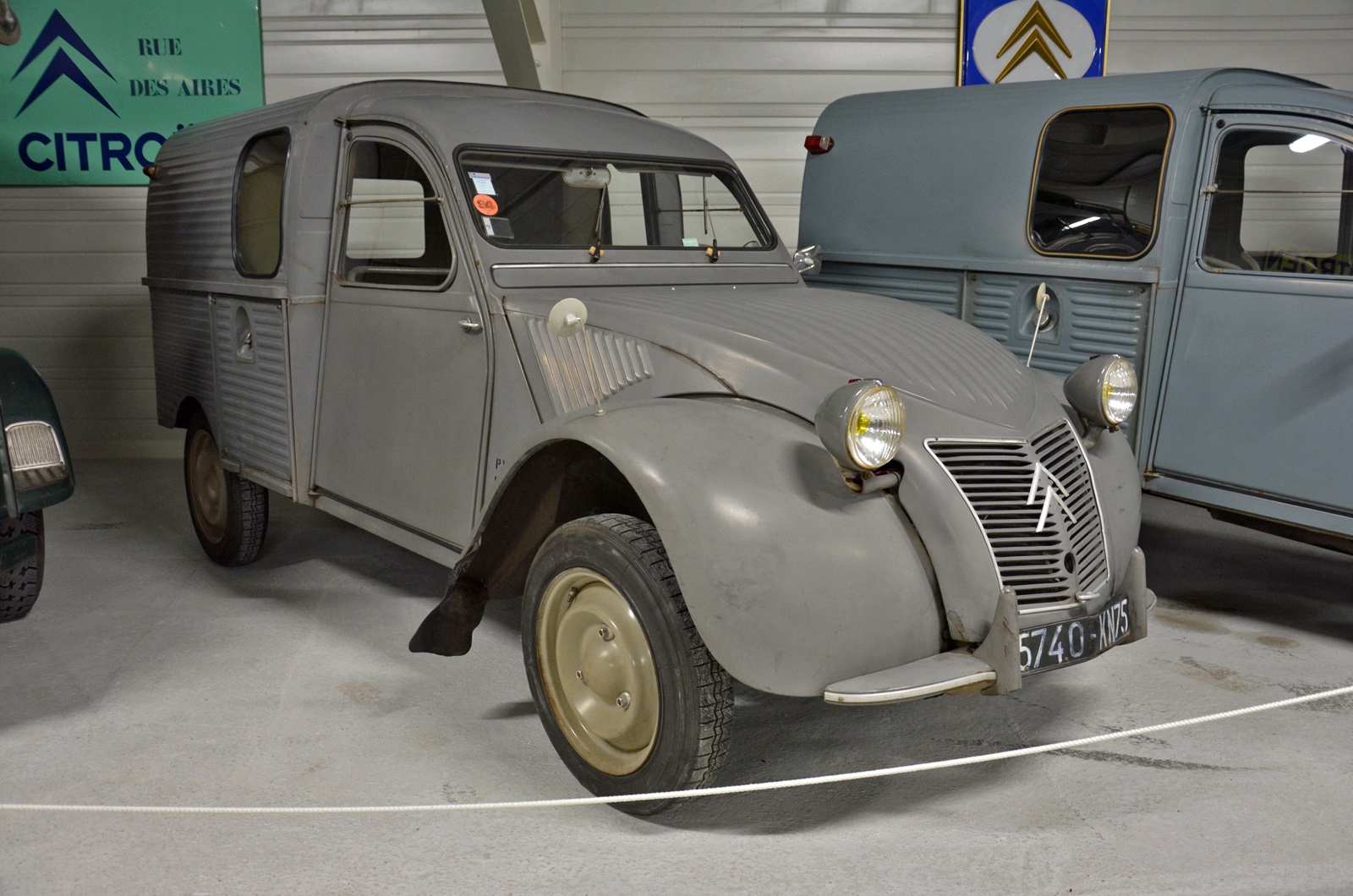
The AZU variant of the 2CV, a light commercial vehicle, was equipped with a more powerful 425cc flat-twin engine delivering 12hp. The 1961 example in the museum, with 15,000 km (9,600 miles), features an aftermarket enhancement: a pair of rear side windows fitted by GlacAuto. This conversion was officially sanctioned by Citroën and sold through their dealer network, highlighting the adaptability of the 2CV platform.
2CV AZLP (1959): The Spark of a Passion
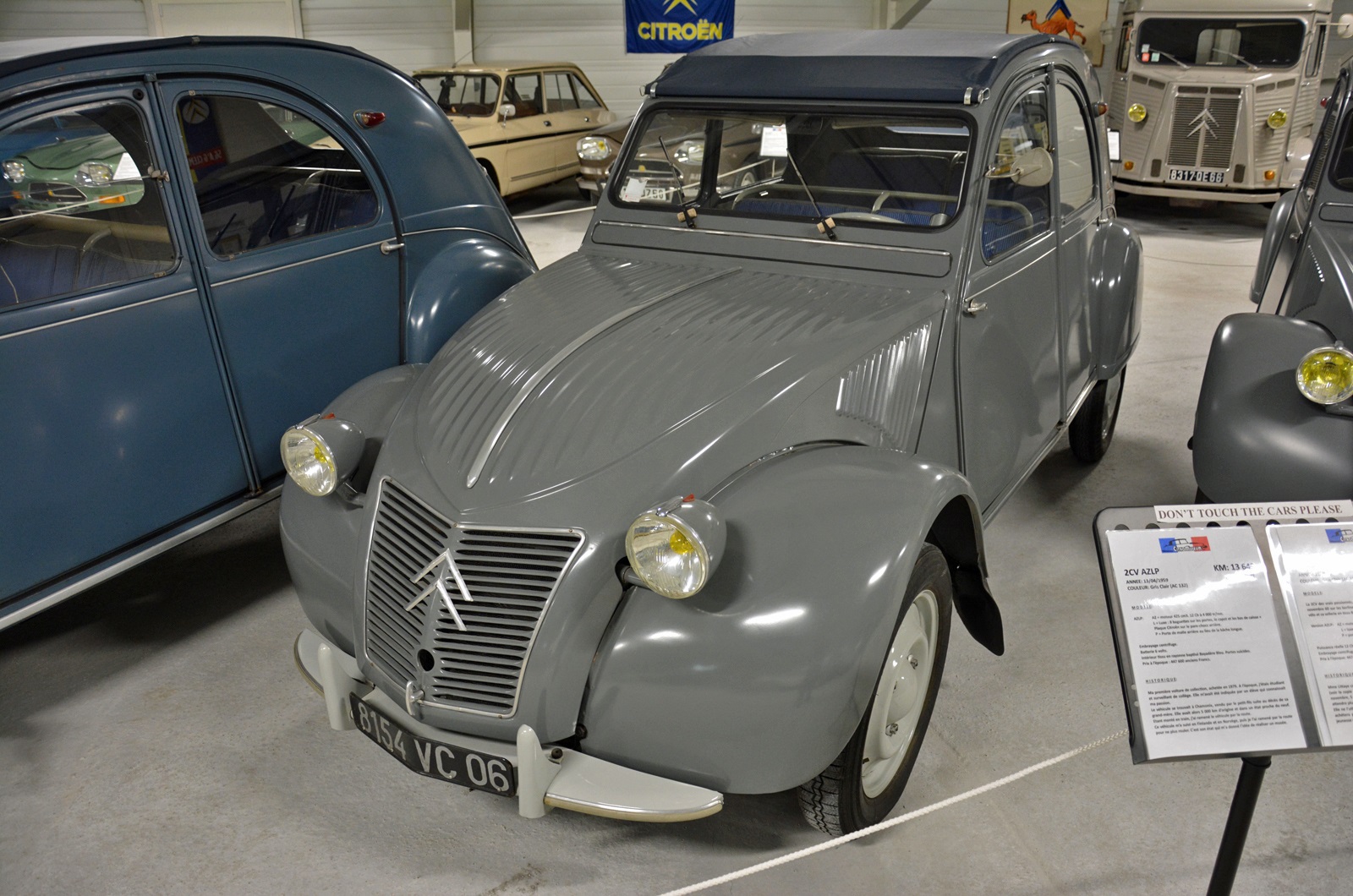
This 1959 2CV AZLP holds a special place in Fradet’s heart as his very first vintage car. He acquired it in 1979 with an odometer reading of approximately 5,000 km (3,100 miles). It was this car that ignited his lifelong passion for collecting. He ceased driving it when it reached around 13,000 km (8,000 miles), and its remarkable, like-new condition directly inspired his vision for a museum dedicated to preserving original, low-mileage automobiles.
2CV6 CT (1984): A Spanish Farewell
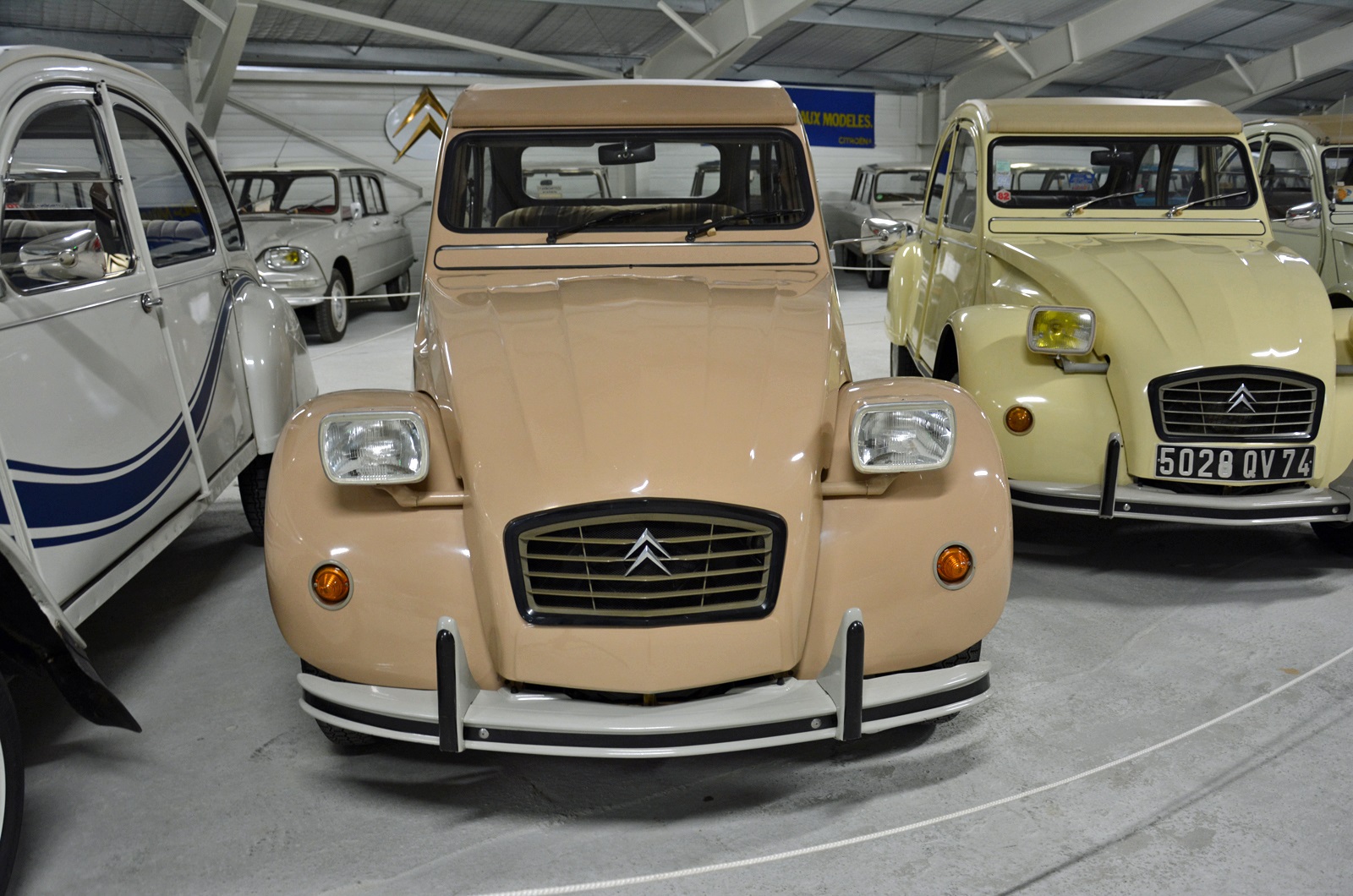
Manufactured in Spain for the domestic market, the 2CV6 CT, where "CT" signifies "comfort," shares many similarities with the French market 2CV Club. The example in the CitroMuseum, with an astonishing 84 km (52 miles) on the odometer, stands as one of the final 2CVs produced in Spain. Its history is one of careful preservation: purchased new by an Andalusian dealership intending to maintain it as a showroom piece without registration or use, it later passed through two owners before joining Fradet’s collection.
2CV Charleston (1990): A Pair of Preserved Icons
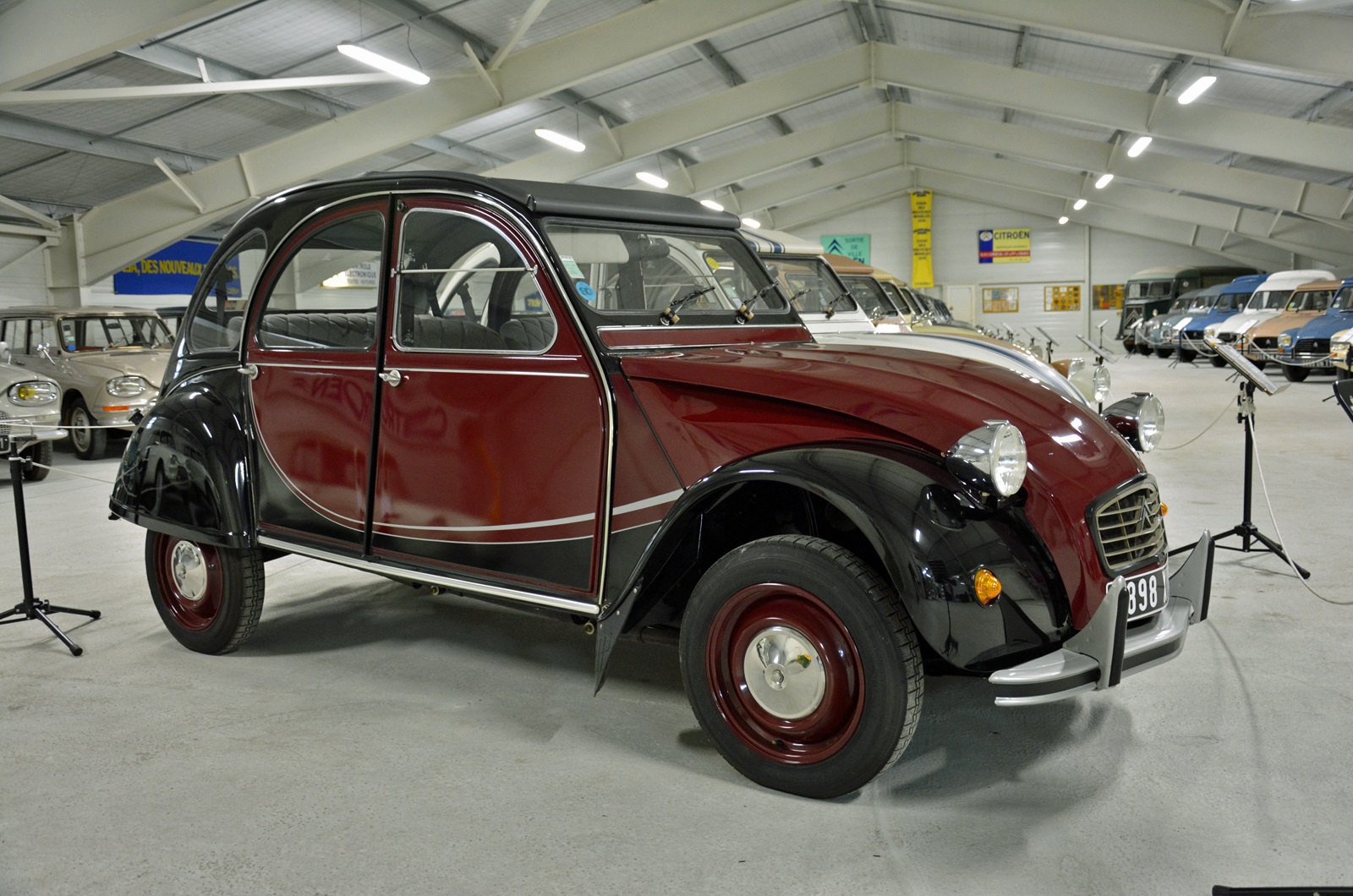
The year 1990 marked the end of an era for the 2CV. To commemorate its departure, two brothers each purchased a brand-new Charleston model with the explicit intention of preserving them in their original state. After approximately six months of use to take advantage of Citroën’s complimentary maintenance plan, both vehicles were stored indoors for over two decades. The pictured example has covered 726 km (451 miles), while its sibling, reportedly still in the original owner’s possession, has a mere 21 km (13 miles).
Ami 6 (1963): The Distinctive "Z" Silhouette
The Ami 6 is arguably the most collectible member of the Ami family, primarily due to its distinctive "Z"-shaped roofline. This particular 1963 model was purchased by an individual seeking a comfortable car for her mother. Following her death, the car remained in a garage for 30 years. It was eventually sold with 2,800 km (1,700 miles) on the odometer. Fradet acquired it from a fellow enthusiast in 2010, at which point it had accumulated 8,525 km (5,300 miles).
Ami 8 (1973): A Practical Evolution
While more practical and usable than its predecessor, the Ami 8 possesses a less distinctive silhouette, making it less sought-after by collectors. This 1973 example, with a mere 1,412 km (877 miles), was bought new by a retired postal worker. He used it for only a few months before deciding he was too old to drive, subsequently parking it for three decades.
M35 (1970): A Wankel Experiment
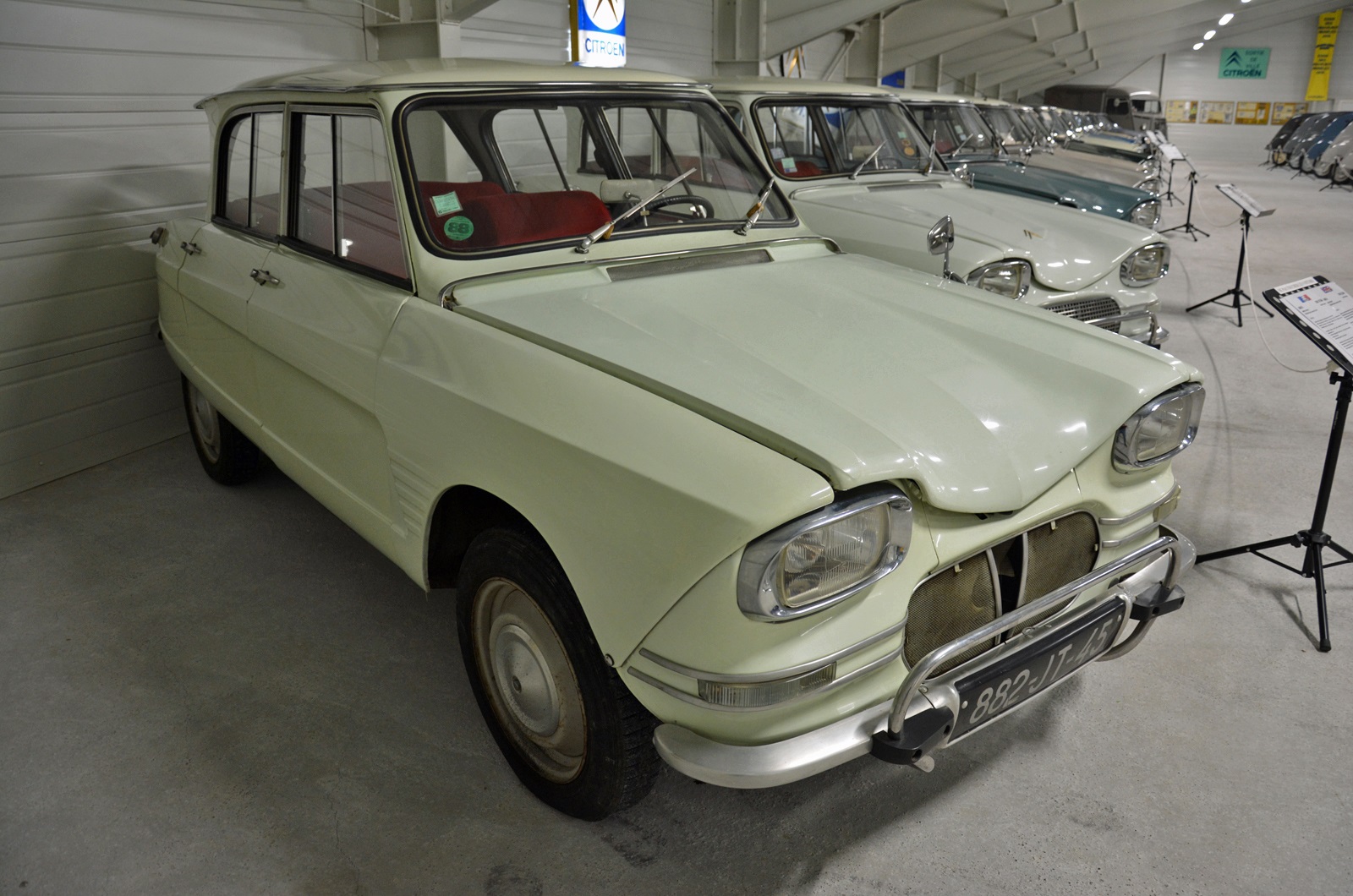
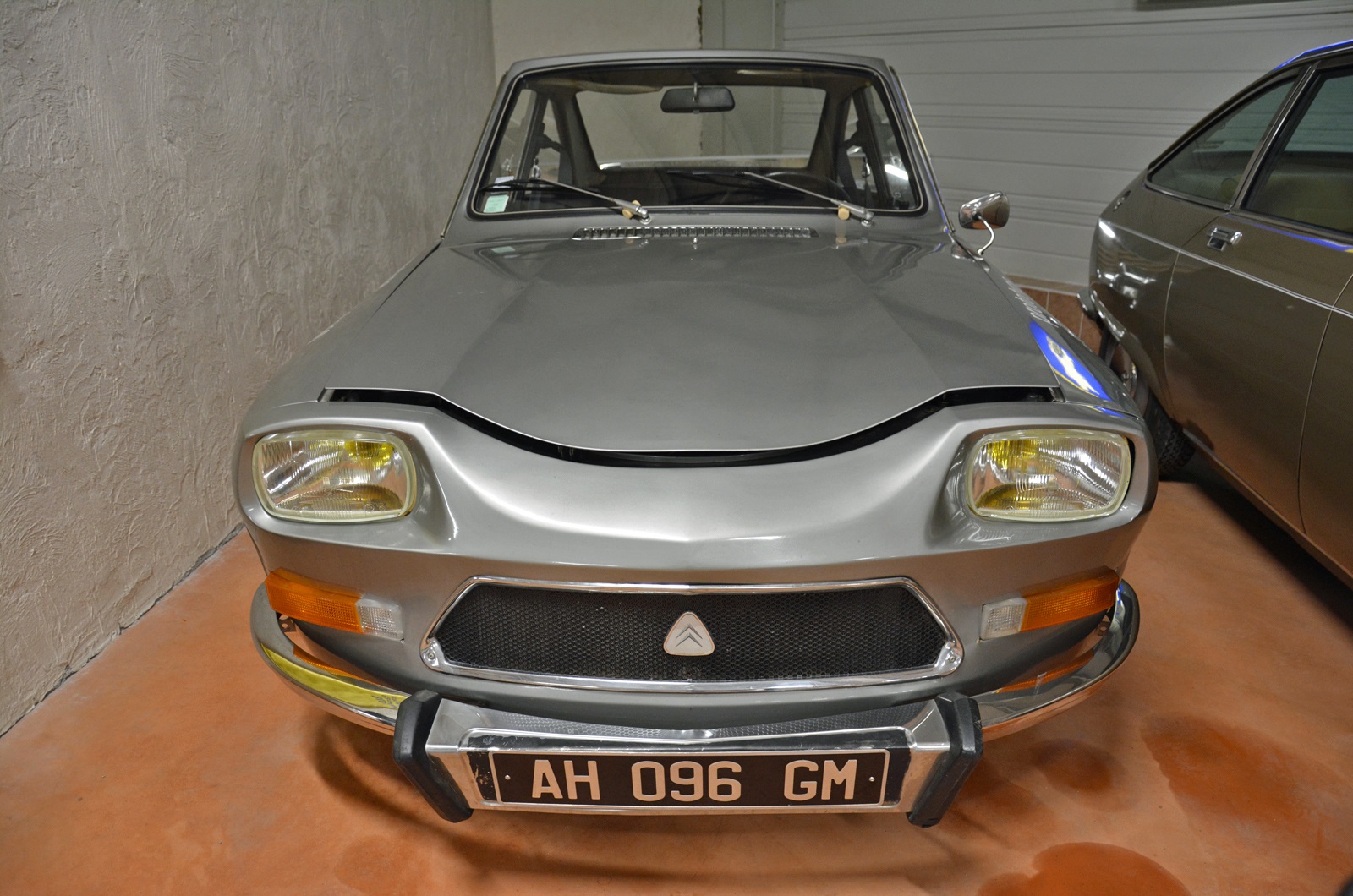
The M35 served as a rolling laboratory for Citroën’s engineering innovations. Built on an Ami 8 chassis, it featured a single-rotor Wankel engine producing 59hp and a model-specific hydropneumatic suspension system. Its coupe body, with a fastback-like roofline, bore only subtle styling cues from the Ami 8. Citroën initially planned to produce 500 M35s for feedback from loyal customers, aiming to incorporate lessons learned into future production models. However, its prohibitive cost, equivalent to an entry-level D Super, led to a limited production run of just 267 units between 1969 and 1971. The 31,000-km (19,000-mile) example in the museum was sold new in southwestern France and later found its way to the Alps. Its dealership eventually went bankrupt, gifting the M35 to a creditor who sold it without ever driving it. It is one of two M35s in Fradet’s collection and is currently in running condition.
Ami Super (1973): The Unexpected Powerhouse
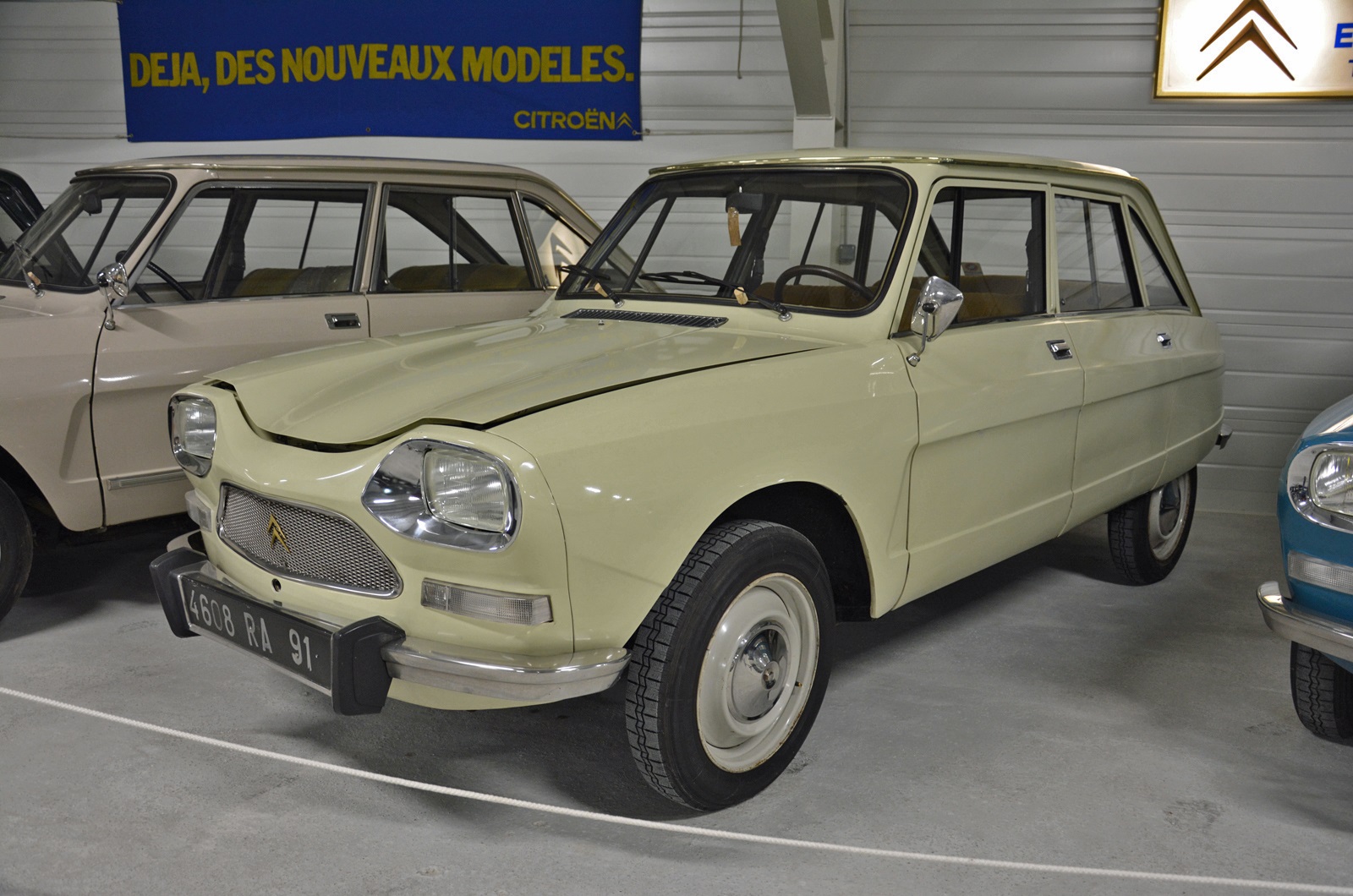
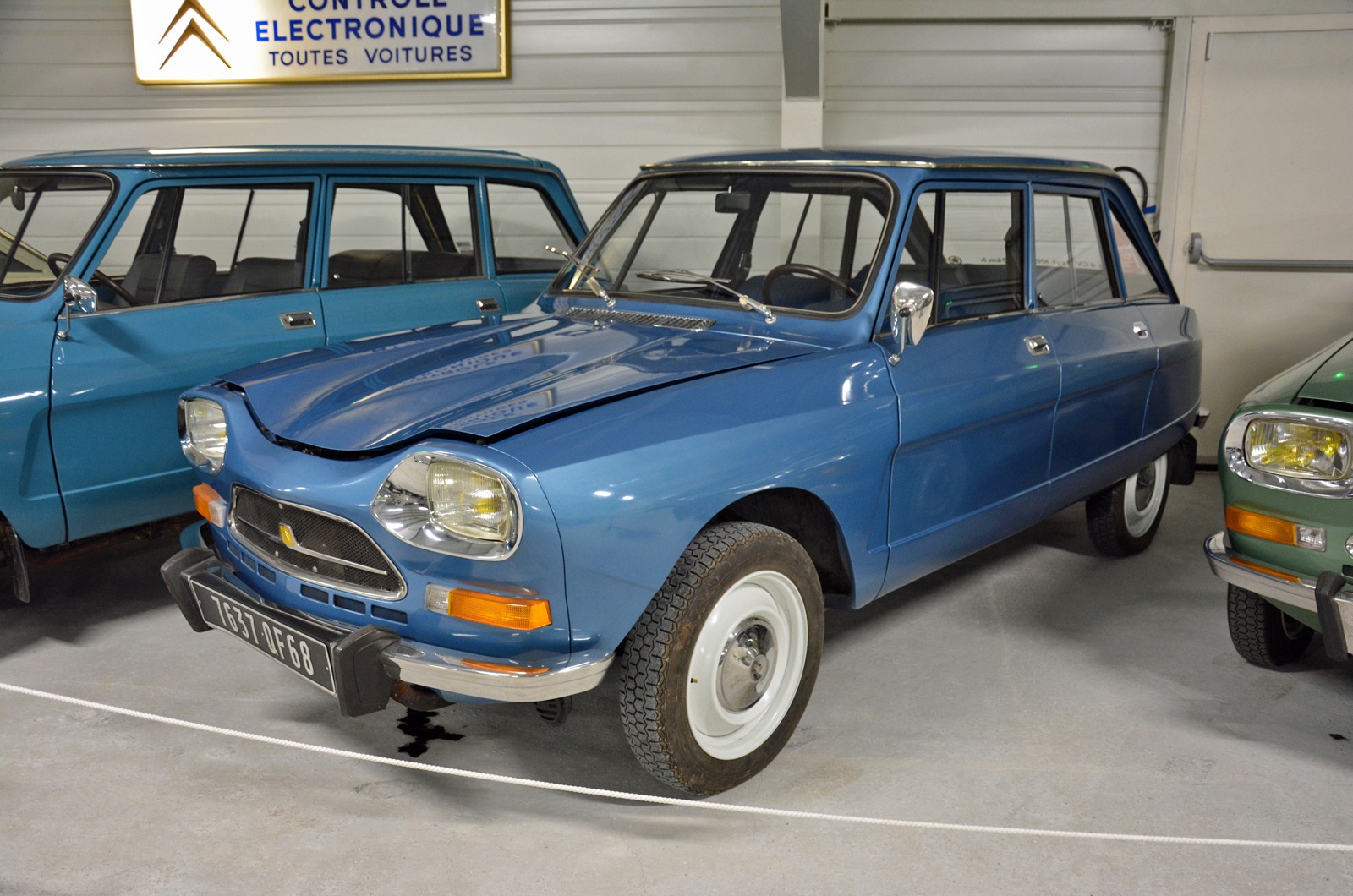
The Ami Super represented the most potent and exclusive iteration of the Ami line, and today, it is also the rarest. Launched in 1973, it bridged the gap between the 2CV-based models and the larger GS. The concept was simple: an Ami body combined with a 1.0-liter flat-four engine borrowed from the GS, capable of reaching 86 mph. This blue example, one of several in Fradet’s collection, was purchased by a man upgrading from a 2CV. He struggled with the different gear shift pattern, leading him to put only 2,000 km (1,200 miles) on it before trading it for a used 2CV in 1980.
Dyane (1983): A Modern Alternative
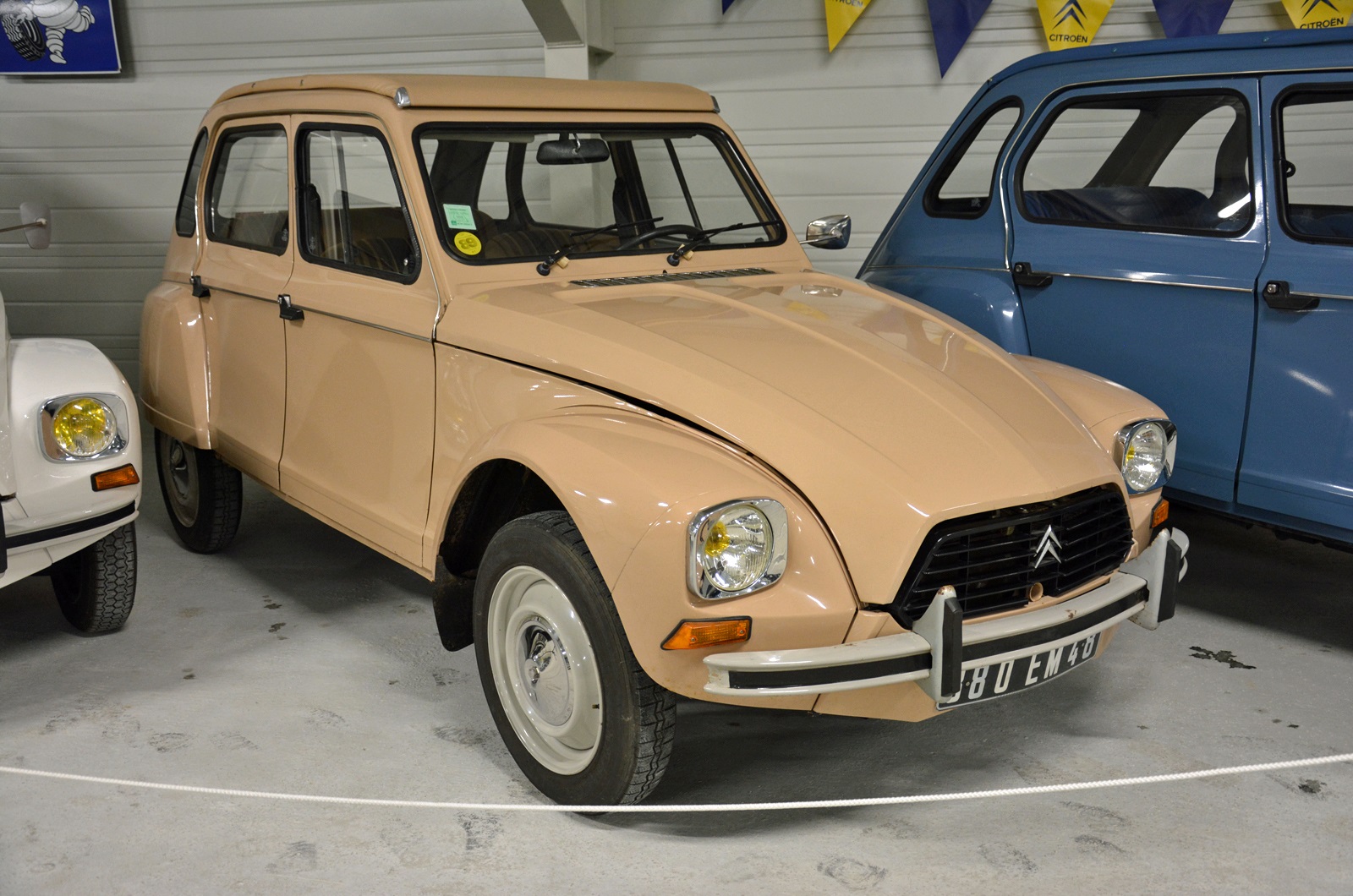
Citroën introduced the Dyane in 1967 as a more contemporary alternative to the 2CV. Ironically, it outlived the car it was designed to replace by seven years. The Dyane in the CitroMuseum, from the final year of production, was purchased by a farmer who used it as his "Sunday car," accumulating a modest 5,684 km (3,500 miles).
Mehari (1972): The Leisure Utility Vehicle
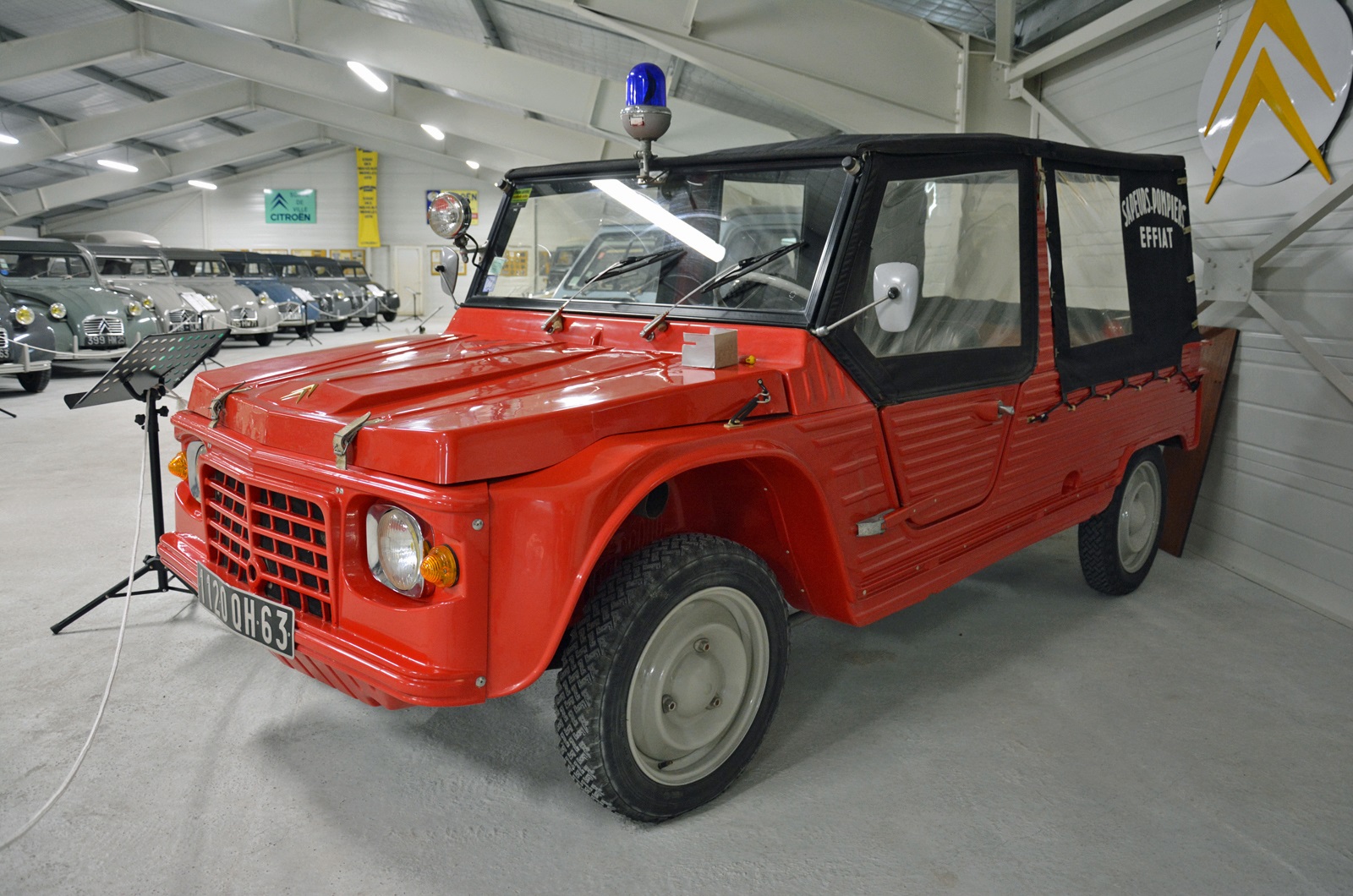
Finding an original, unrestored Mehari is a significant challenge. Many were driven hard and subsequently restored with aftermarket parts, making the preservation of original components a rare feat. This 1972 example served a unique purpose: it was acquired by a small town in central France and used sparingly by firefighters, logging just 4,300 km (2,600 miles).
HY (1982): The Last of its Kind
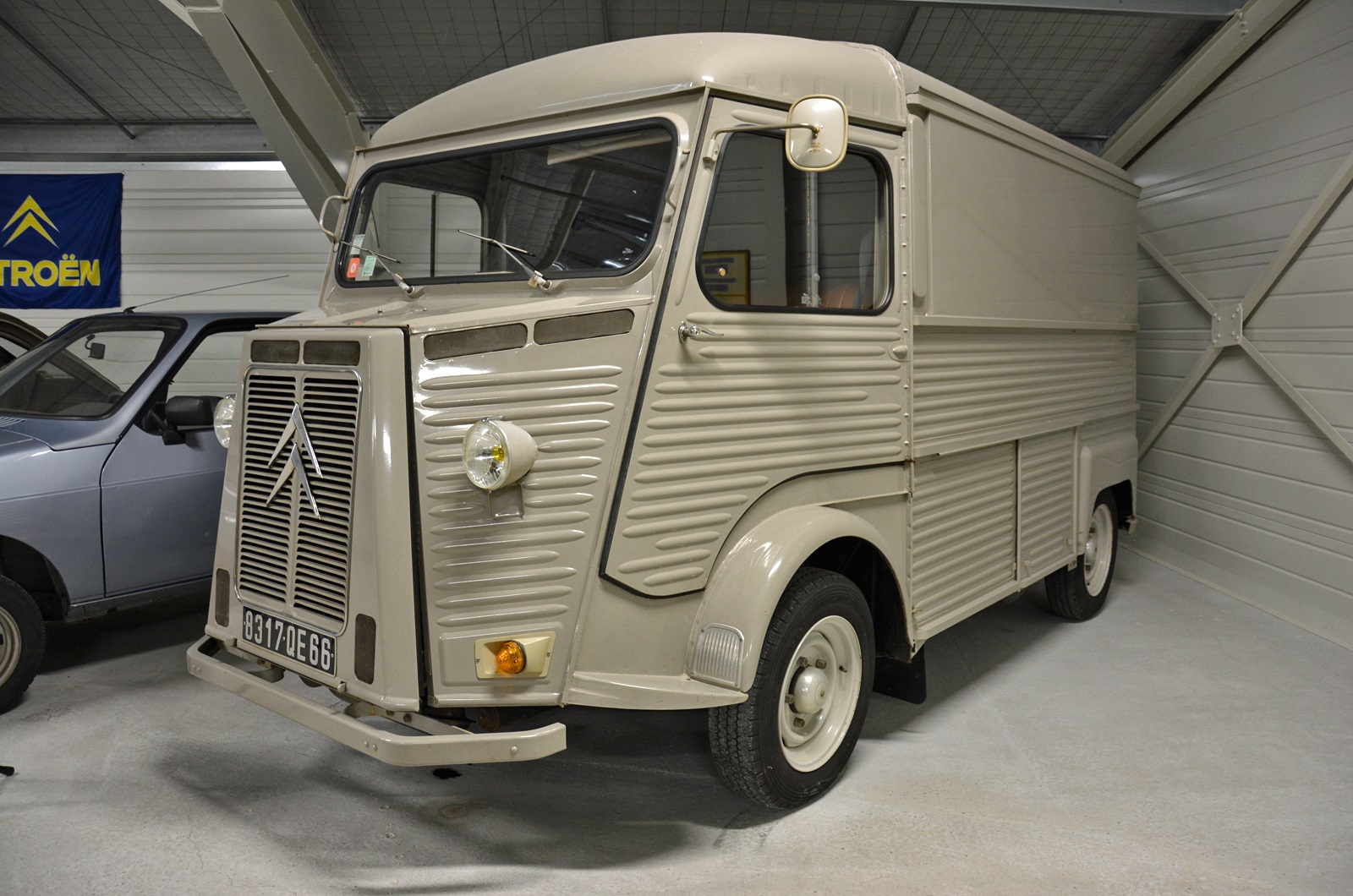
Fradet’s HY van is among the very last examples produced, manufactured in December 1981 and registered in early 1982. It was purchased by a winemaker who used it on his property but took meticulous care to maintain its like-new condition, storing it indoors after covering only 12,000 km (7,400 miles).
Exploring the Newer Collectibles
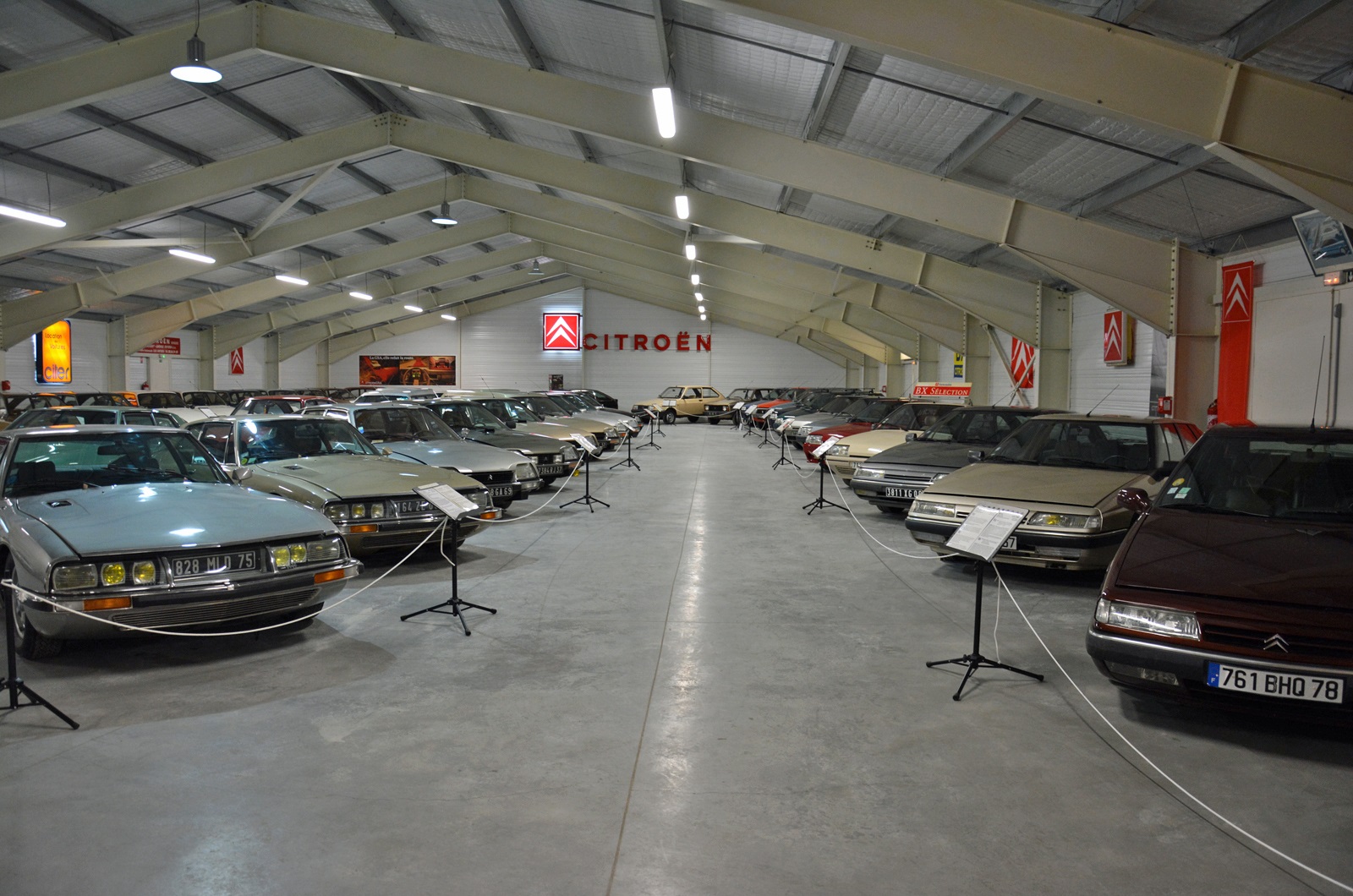
The museum’s most recent wing showcases an impressive array of GS and GSA models, alongside newer vehicles that are beginning to attain classic status or are on the cusp of it. Cars like the AX and Xantia, often found in worn condition with multiple owners, are rarely seen in the pristine state represented here. Fradet, however, maintains a selective approach, focusing on vehicles that are exceptionally well-preserved and offer a unique historical narrative, explaining his deliberate omission of models like the ZX and Xsara, which are more readily available with low mileage.
SM (1971): The Maserati Collaboration
In partnership with Maserati, which it acquired in 1968, Citroën developed the SM, a flagship model designed to embody performance and luxury. The coupe featured a comfortable ride thanks to its hydropneumatic suspension and a potent Maserati-engineered V6 engine. Launched in 1970, the SM was a marvel of advanced automotive technology. Its brief success in the US was curtailed by federal ride-height regulations. Fradet owns several SMs, including this 1971 example acquired from a chauffeur in Monaco, which he has driven for 38,000 km (23,000 miles).
GS (1972): The Mid-Sized Innovation
The GS, introduced in 1970, aimed to fill the gap between the more basic 2CV-derived cars and the larger D Super. The 1972 Club model in the museum had a unique initial ownership. The couple who purchased it divorced shortly after taking delivery and returned it to the dealership, splitting the proceeds. The dealership, rather than reselling it as a used car, preserved it in like-new condition for decades. It has under 2,000 km (1,200 miles) and stands as one of the cleanest examples remaining.
GS Birotor (1974): A Wankel’s Downfall
Lessons learned from the M35 project culminated in the GS Birotor, powered by a 105hp twin-rotor Wankel engine. Marketed as the top-tier GS, it featured distinctive visual cues such as wider wheel arches and integrated headrests. An audible alarm signaled when the engine approached its 7,000rpm redline. The Birotor’s commercial failure was largely attributed to its launch coinciding with the 1973 oil crisis. Its high fuel consumption, a drawback of the Wankel engine, proved unsustainable. Citroën ceased production after manufacturing 847 units, actively seeking to buy them back. It is estimated that only about a third of the production run still exists. Fradet’s 1974 Birotor suffered an engine failure in 1995 and is currently the only non-running vehicle in the collection, having arrived at the museum in 2009 with approximately 28,000 km (17,000 miles).
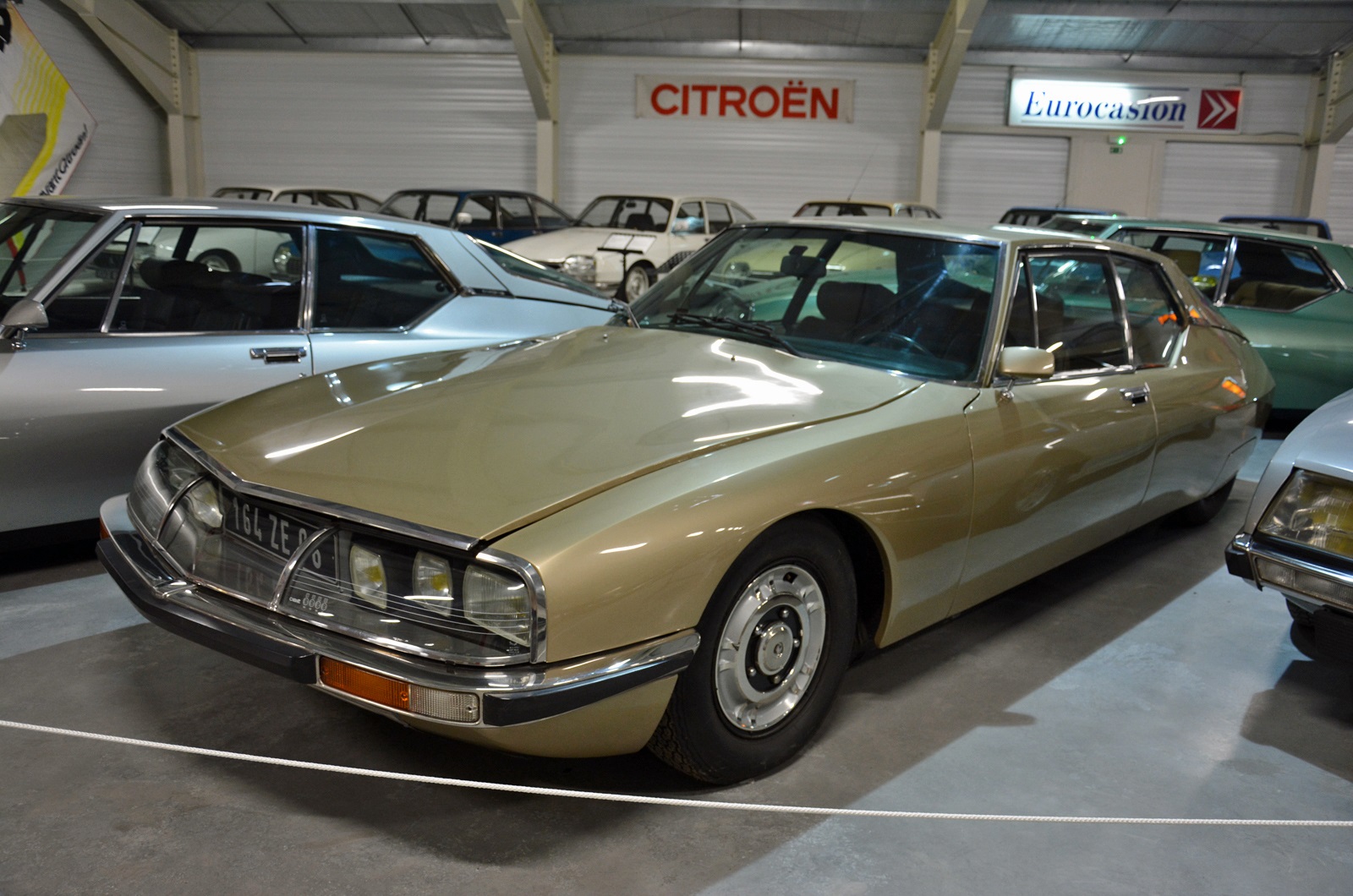
GS Pallas (1977): A Parisian Retirement
This 1977 GS Pallas, an upmarket trim level, was parked by its owners after 35,000 km (21,000 miles) as they felt too old to navigate Parisian traffic. It was discovered in their building’s parking garage by a repair shop owner in Orléans.
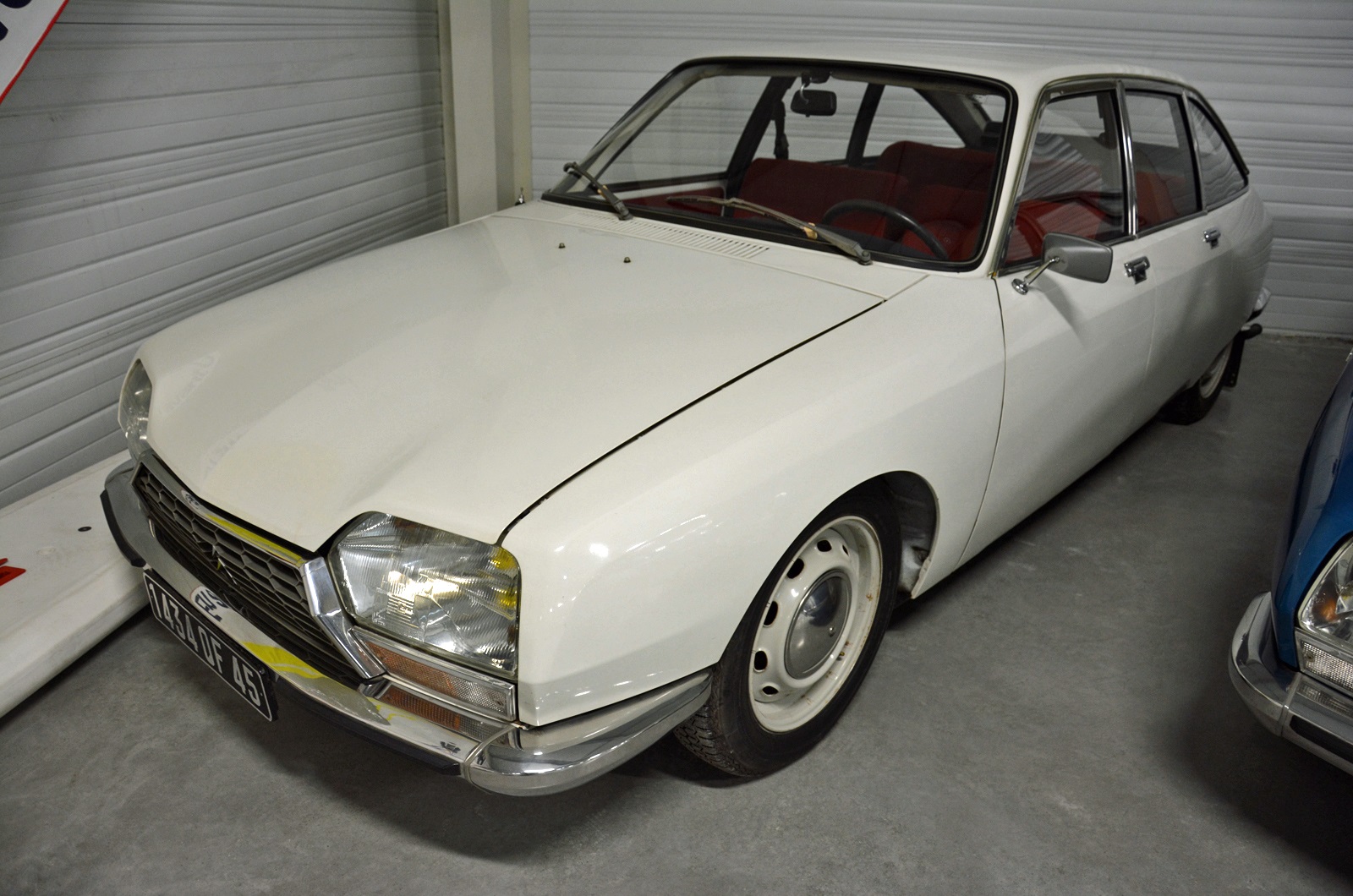
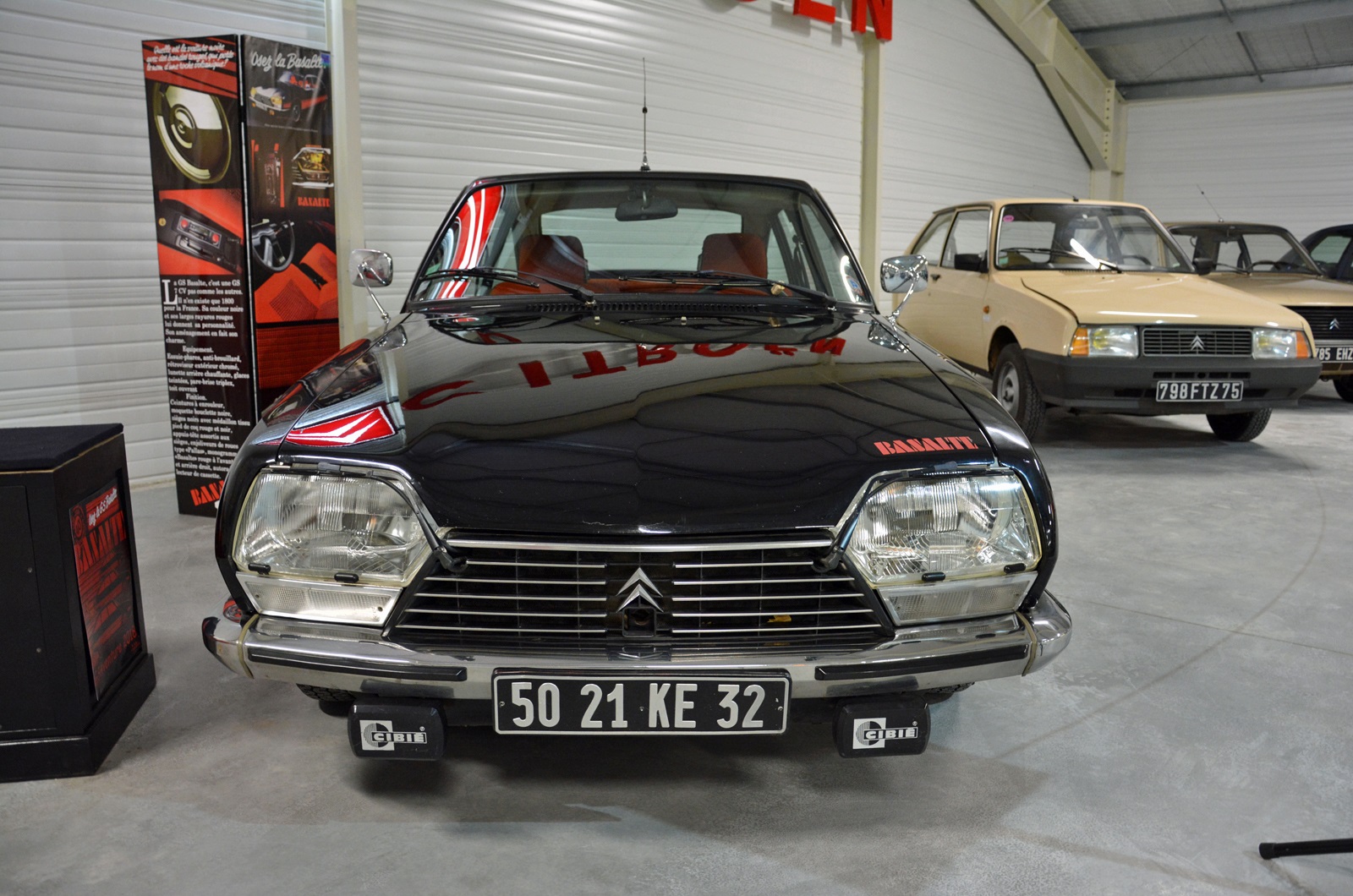
GS Basalte (1978): Rarity and Condition
The limited-edition 1978 GS Basalte, with nearly 100,000 km (62,000 miles), has seen more use than many of its low-mileage counterparts. It secured its place in the collection due to its rarity (1,800 examples produced for the French market) and its remarkably preserved, like-new condition.
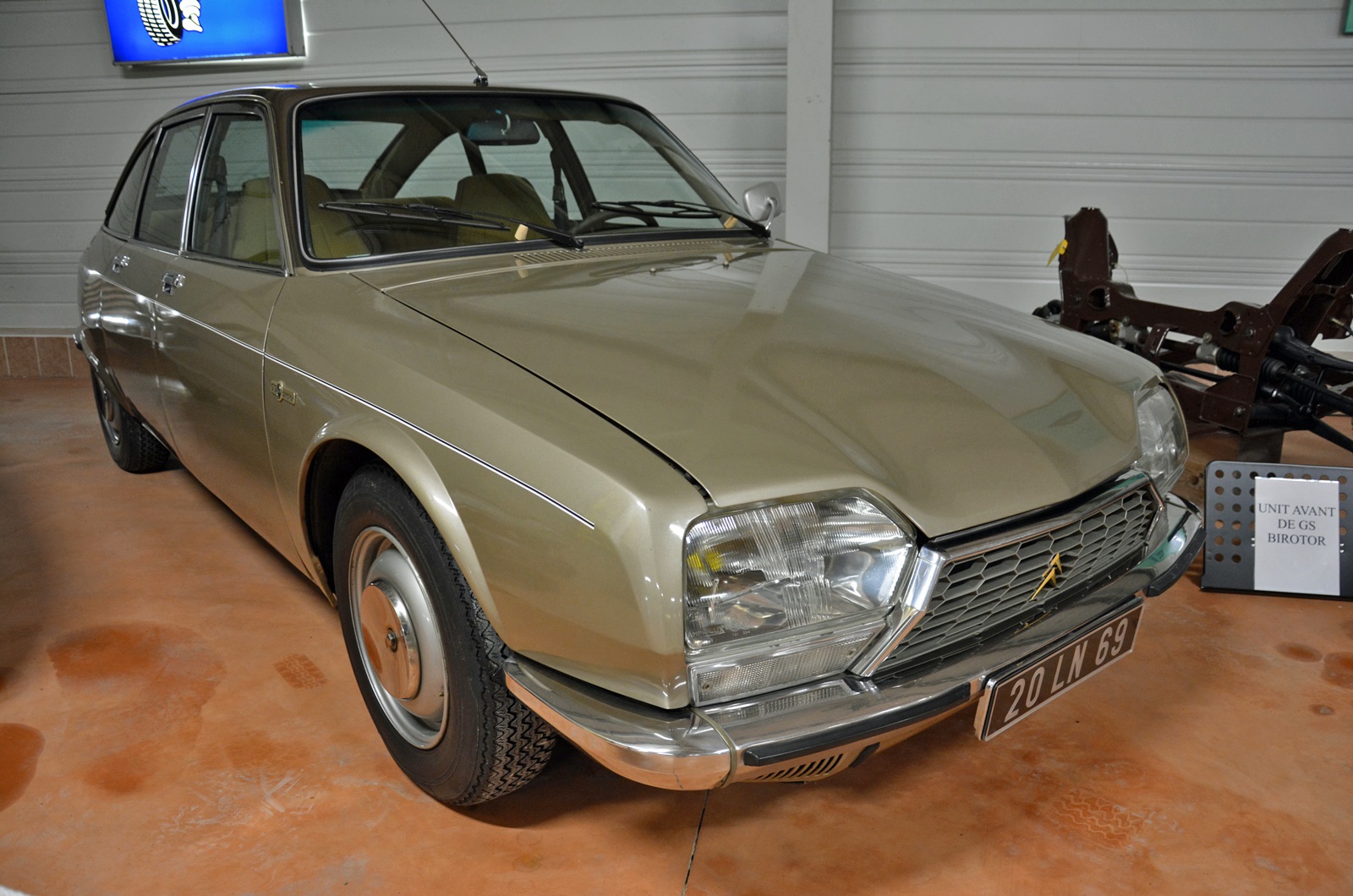
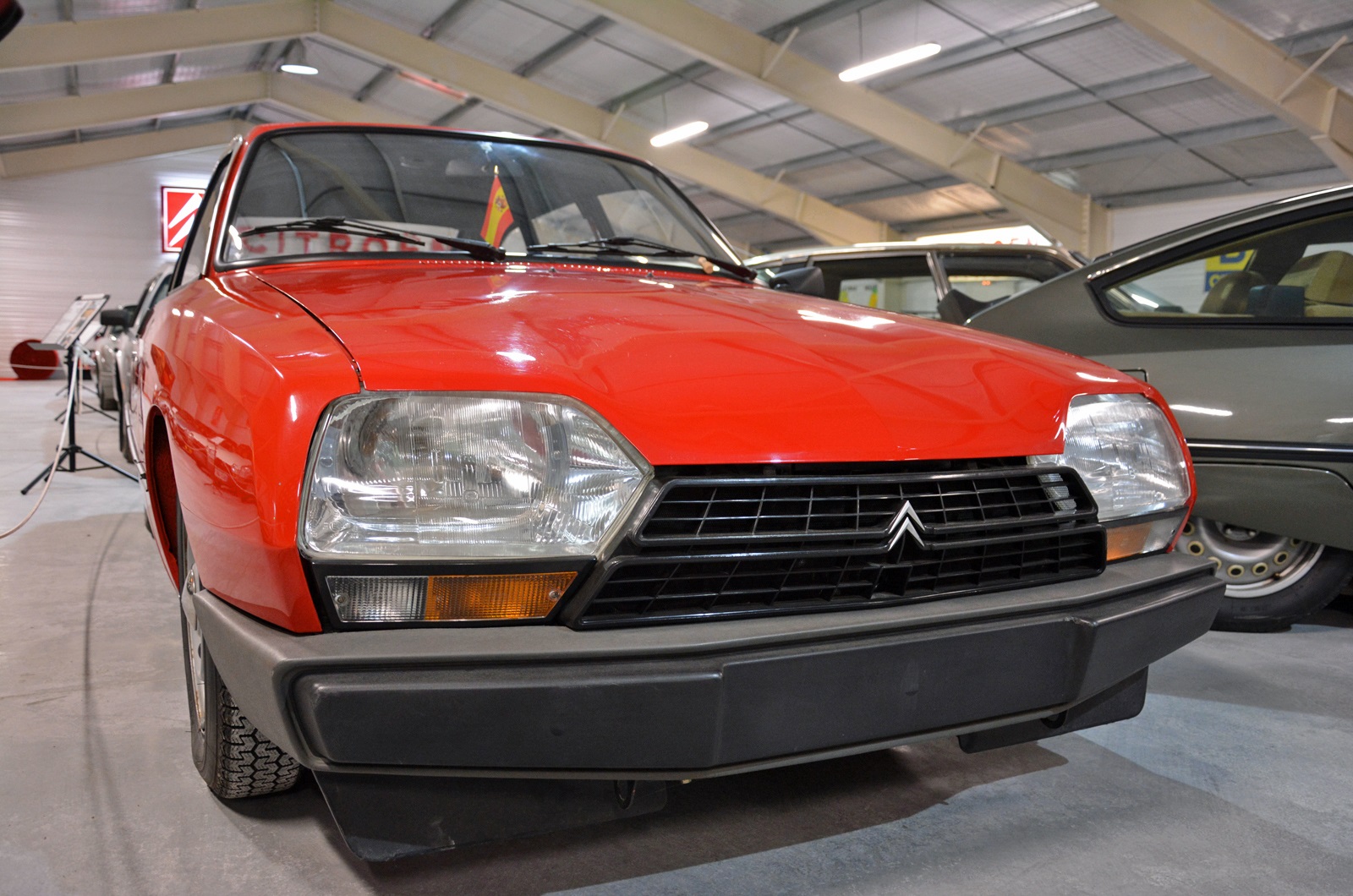
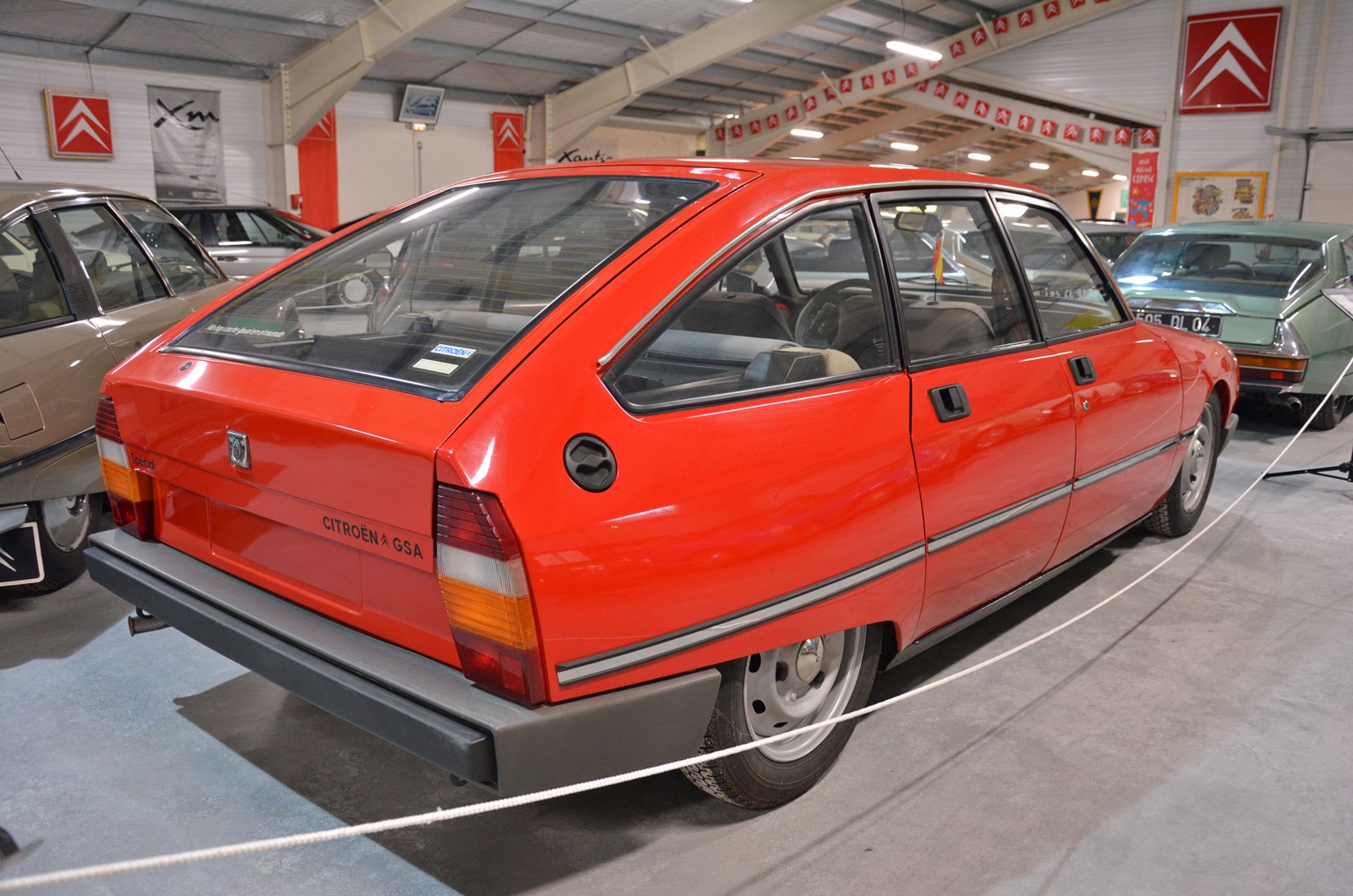
GSA (1984): An Unsold Anomaly
This 1984 GSA, with a mere 41 km (25 miles), remained unsold and unregistered for years. Produced in Spain, Fradet believes its outdated appearance and feel compared to the more modern BX contributed to its lack of market appeal.
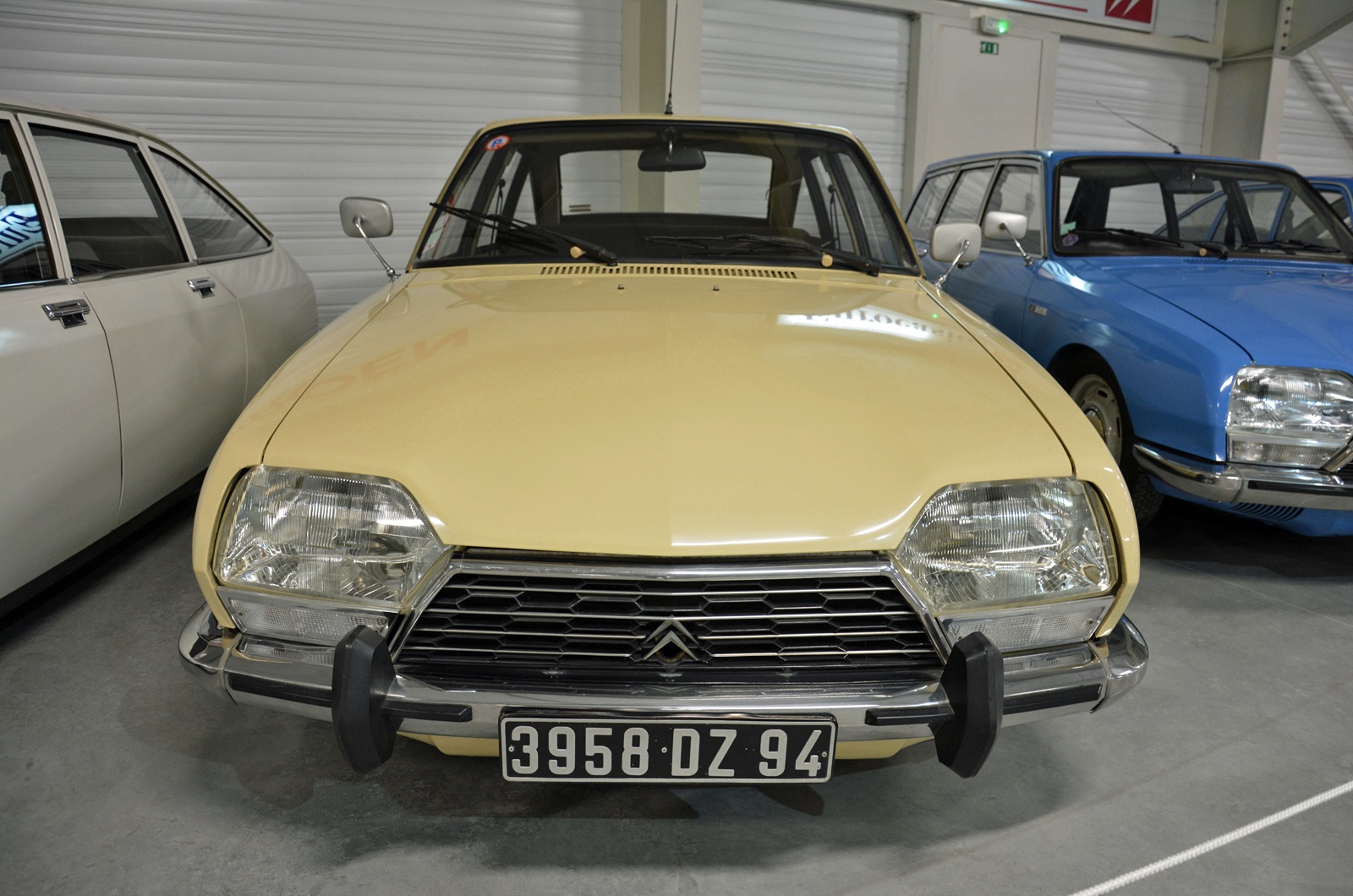
GSA (1984): Collector’s Cherished Gem
This GSA passed through the hands of two collectors before arriving at the CitroMuseum. Both owners recognized its rarity and chose to display rather than drive it. Fradet transported it to the Alps via flatbed, a testament to its delicate nature.
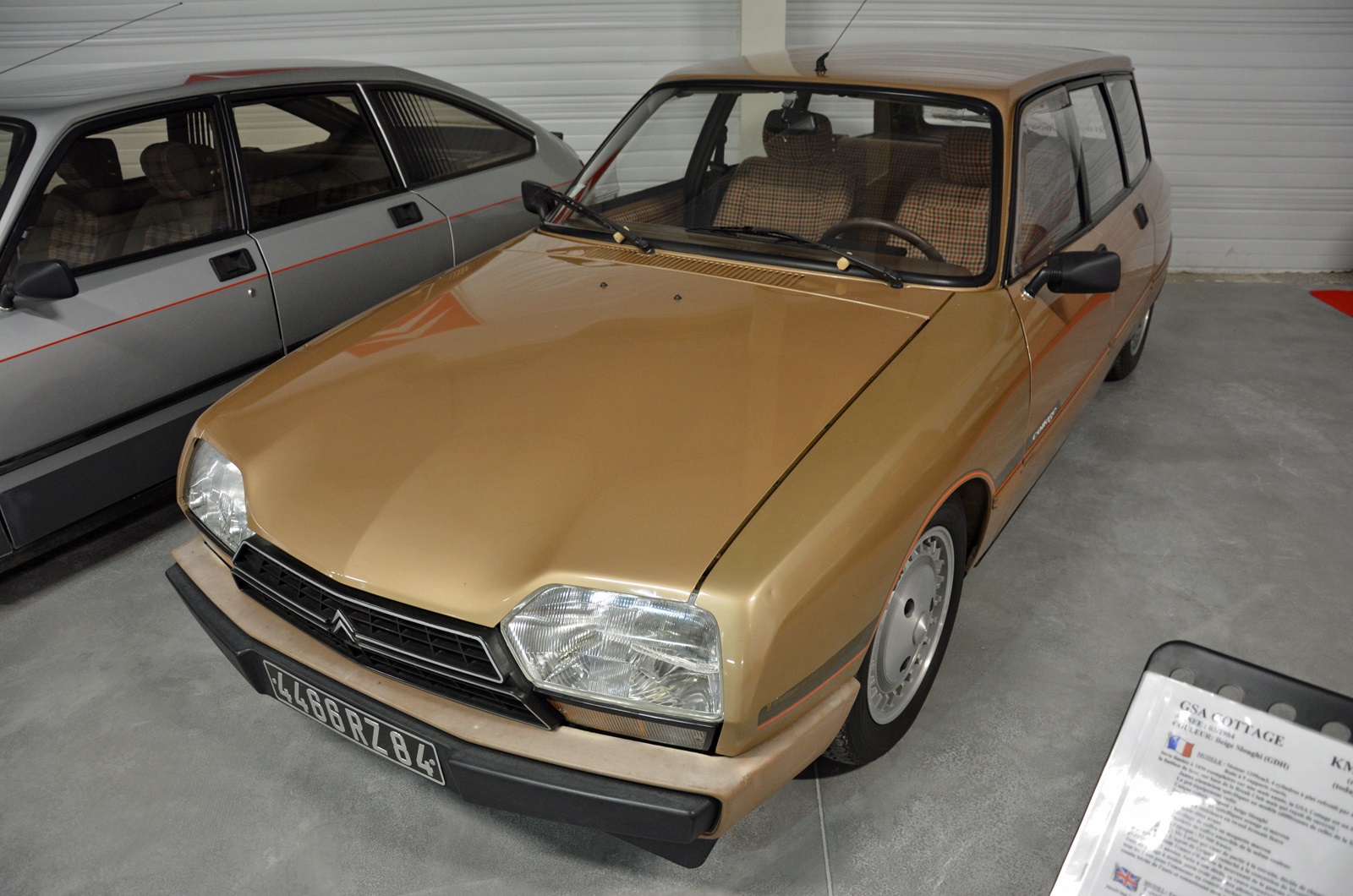
GSA Cottage (1984): A Limited Edition Legacy
Citroën produced 1,850 examples of the limited-edition GSA Cottage. This wagon variant was distinguished by edition-specific tweed upholstery, front headrests, unique graphics, and alloy wheels from the GSA X3. The CitroMuseum’s Cottage has approximately 15,000 km (9,300 miles). Its low mileage is attributed to its original owner dying shortly after purchase, after which his widow retained it for sentimental reasons. Fradet acquired it from her cousin after her passing.
CX 2400 GTI (1977): A Dealership’s Personal Drive
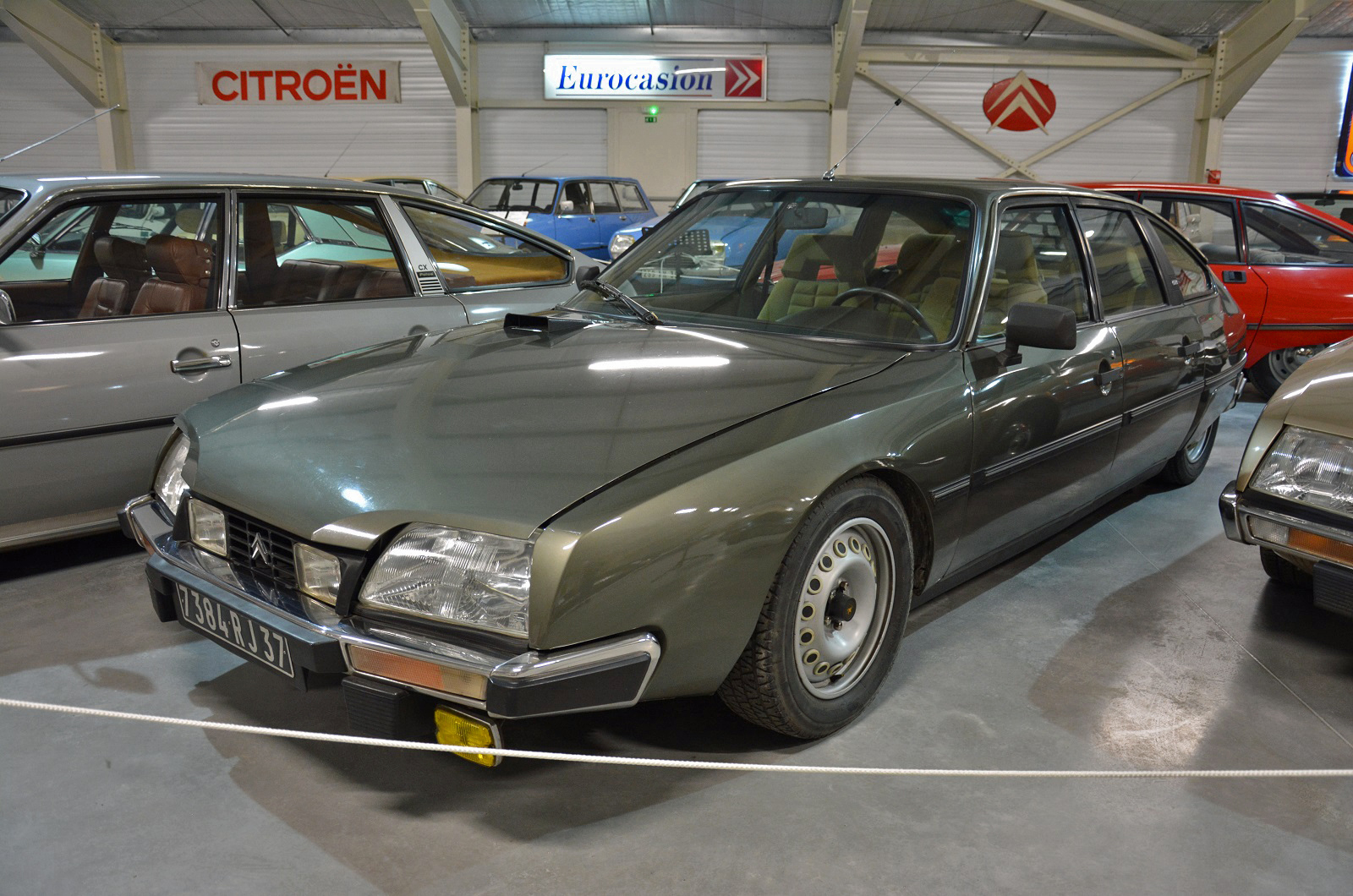
The owner of a Citroën dealership in northwestern France purchased this CX 2400 GTI as his personal vehicle in 1977, adding period accessories like integrated driving lights and rear window louvers. The 128hp 2.3-liter four-cylinder engine saw limited use, accumulating less than 49,000 km (30,000 miles). It remains on its original Michelin TRX tires, a rare sight due to their expense.
CX 22 TRS (1988): The Late Arrival
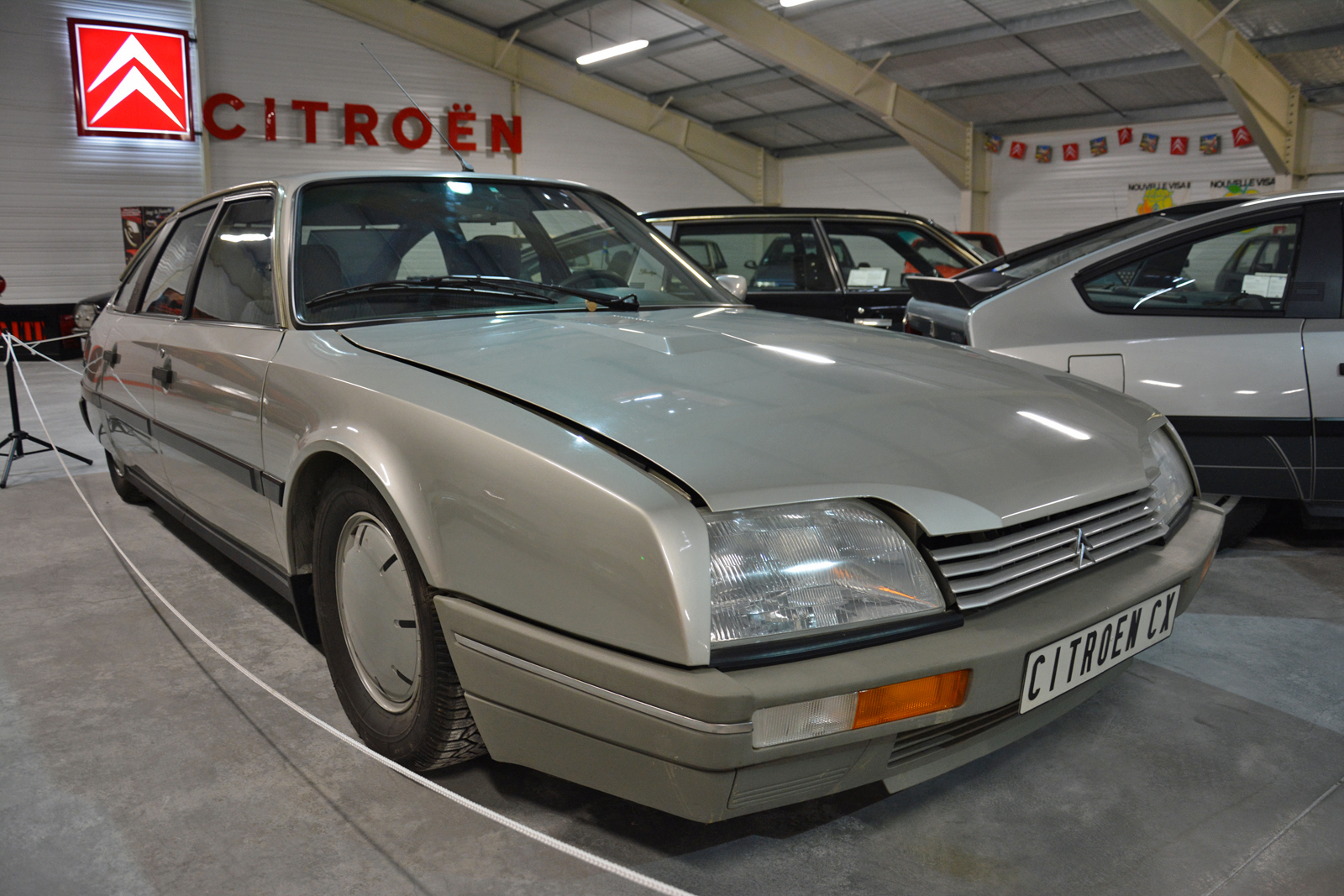
This late-model CX was shipped to a French dealership nearly a year after its production date, arriving just as its successor, the XM, went on sale. The dealership could not sell it, as buyers sought the latest model, leading to it being stored in their basement for 17 years. It has been driven a mere 62 km (38 miles).
CX REGAMO Prototype (1987): A Glimpse into Future Technology
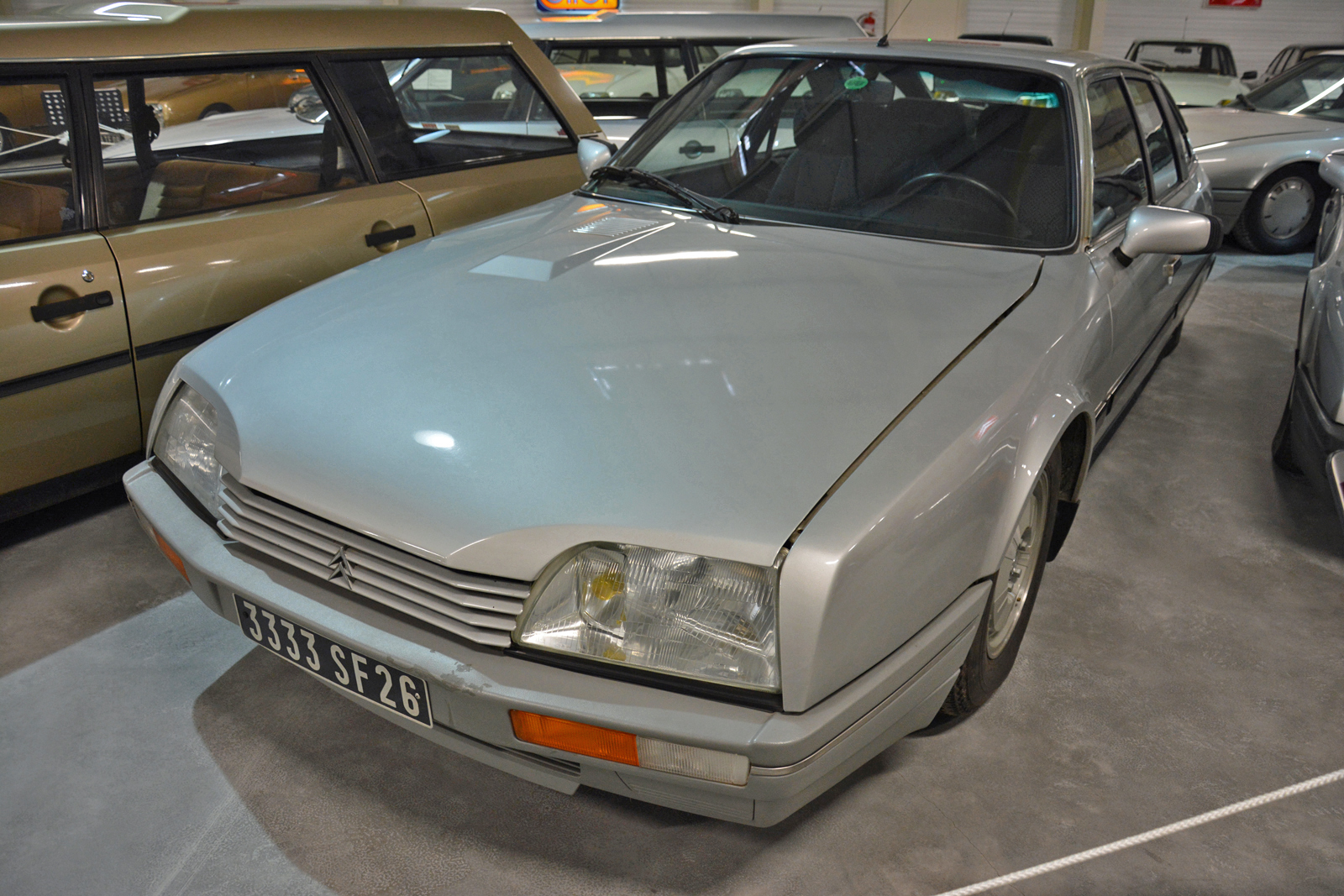
This CX REGAMO prototype, visually similar to later models, was developed by Citroën to test technologies destined for the XM, including selectable suspension modes and an electronic control unit. Approximately a dozen REGAMO examples were produced. Half were tested internally, while the others were loaned to loyal customers for extensive testing before being converted back to standard CX GTIs. Fradet’s prototype retains its REGAMO-specific equipment and has covered 30,296 km (18,000 miles).
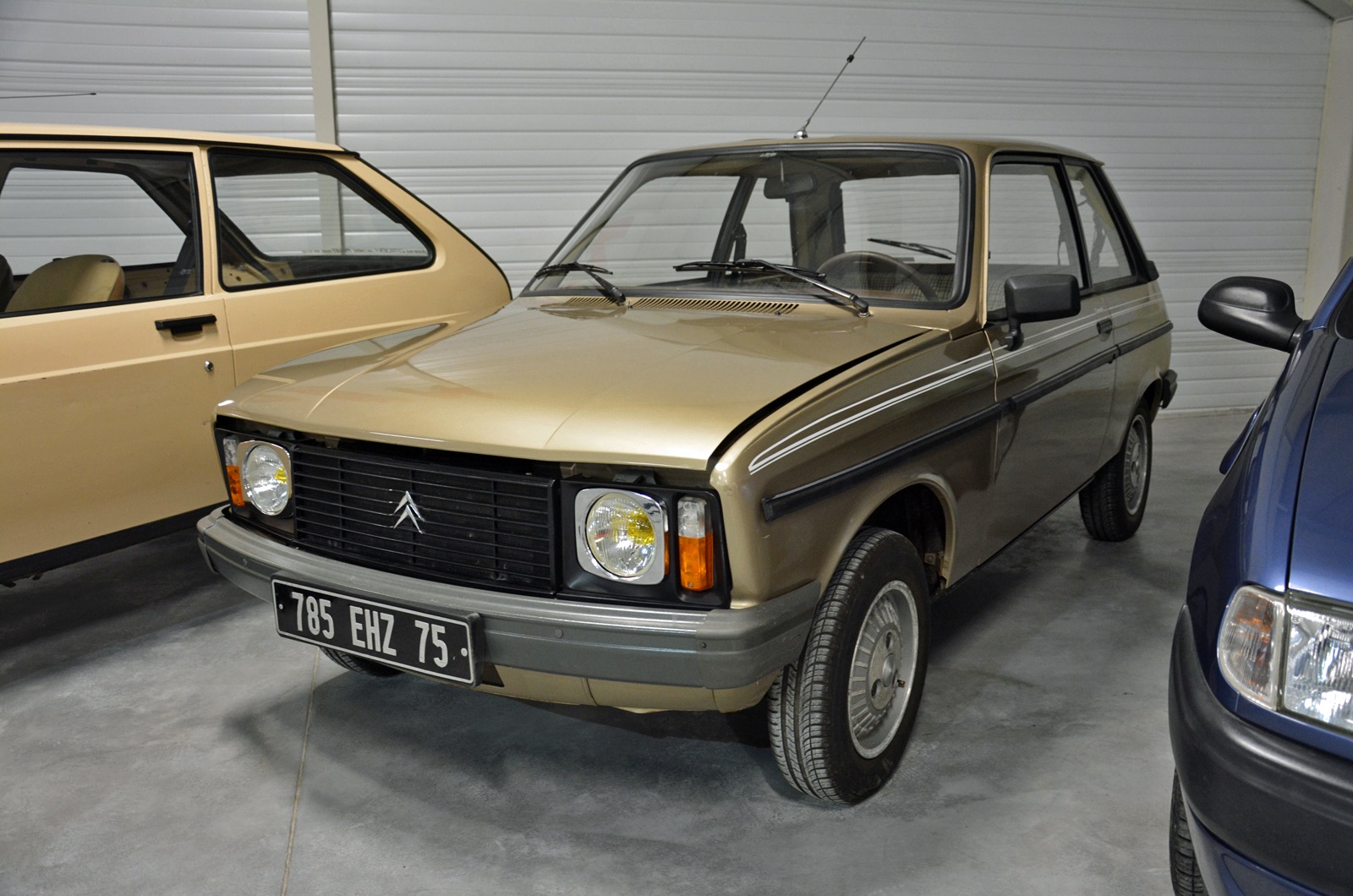
LNA 11E Cannelle (1983): A Controversial Beginning
The LN, released in 1976, was controversial as the first car developed under Peugeot’s influence, essentially a two-door Peugeot 104 with Citroën styling. The LNA, introduced in 1978, featured mechanical upgrades. The 11E variant in the museum is equipped with a Peugeot-sourced 1.1-liter four-cylinder engine producing 34hp. The limited-edition Cannelle version, of which 2,000 were made, stands out with its alloy wheels, side stripes, and unique upholstery. Its original owner parked it prematurely due to hospitalization. Fradet’s example has a low mileage of 4,700 km (2,900 miles).
Visa Super (1978): A Marketing Tool
This 1978 Visa Super, one of the earliest produced, was selected by Citroën’s marketing department for sales brochures and then used for the Visa’s press launch in Greece. It remained in Citroën’s Conservatoire until it was auctioned off in 2017, having accumulated 11,000 km (6,800 miles).
Visa II Super E (1982): Addressing Criticism
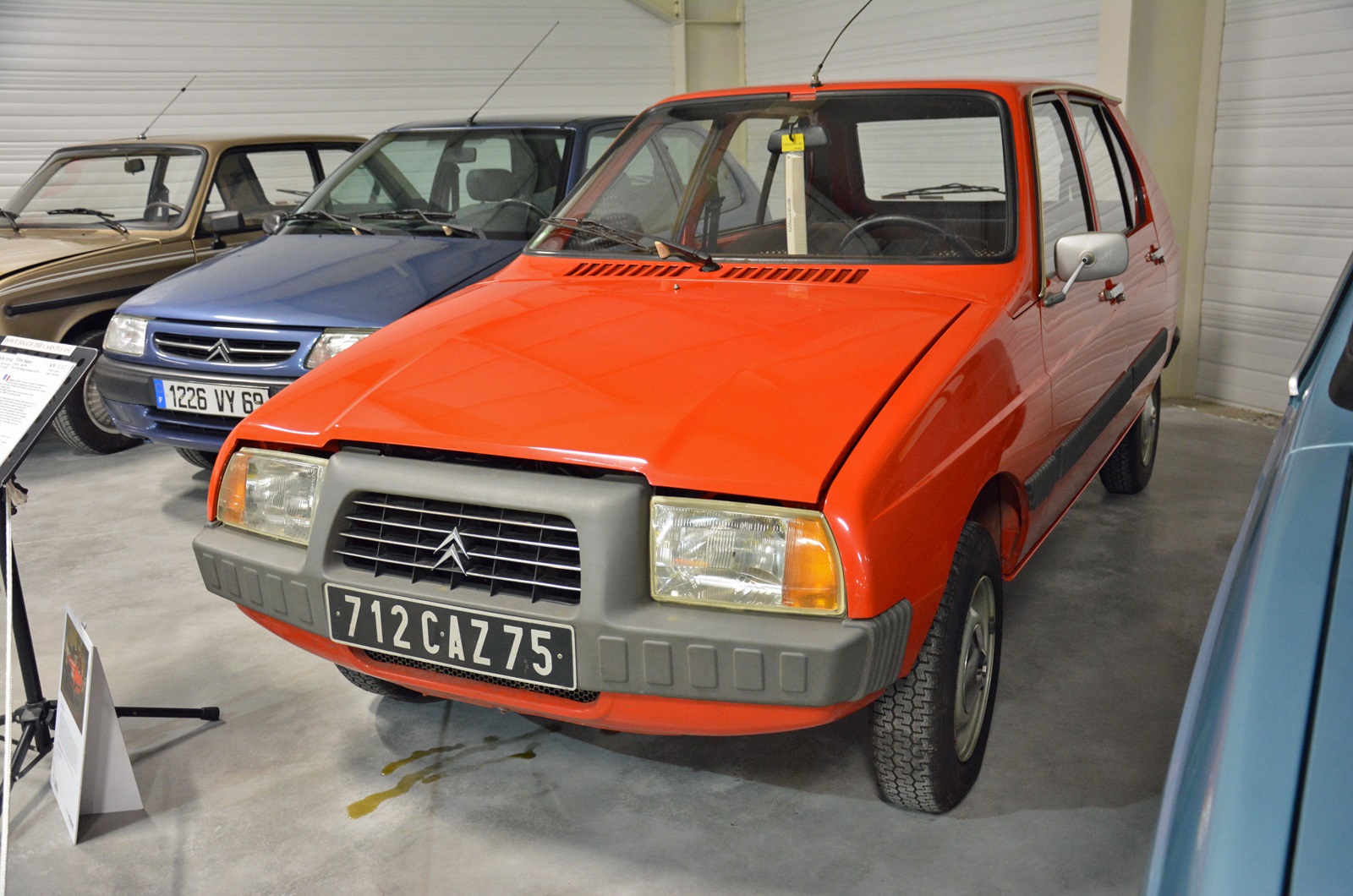
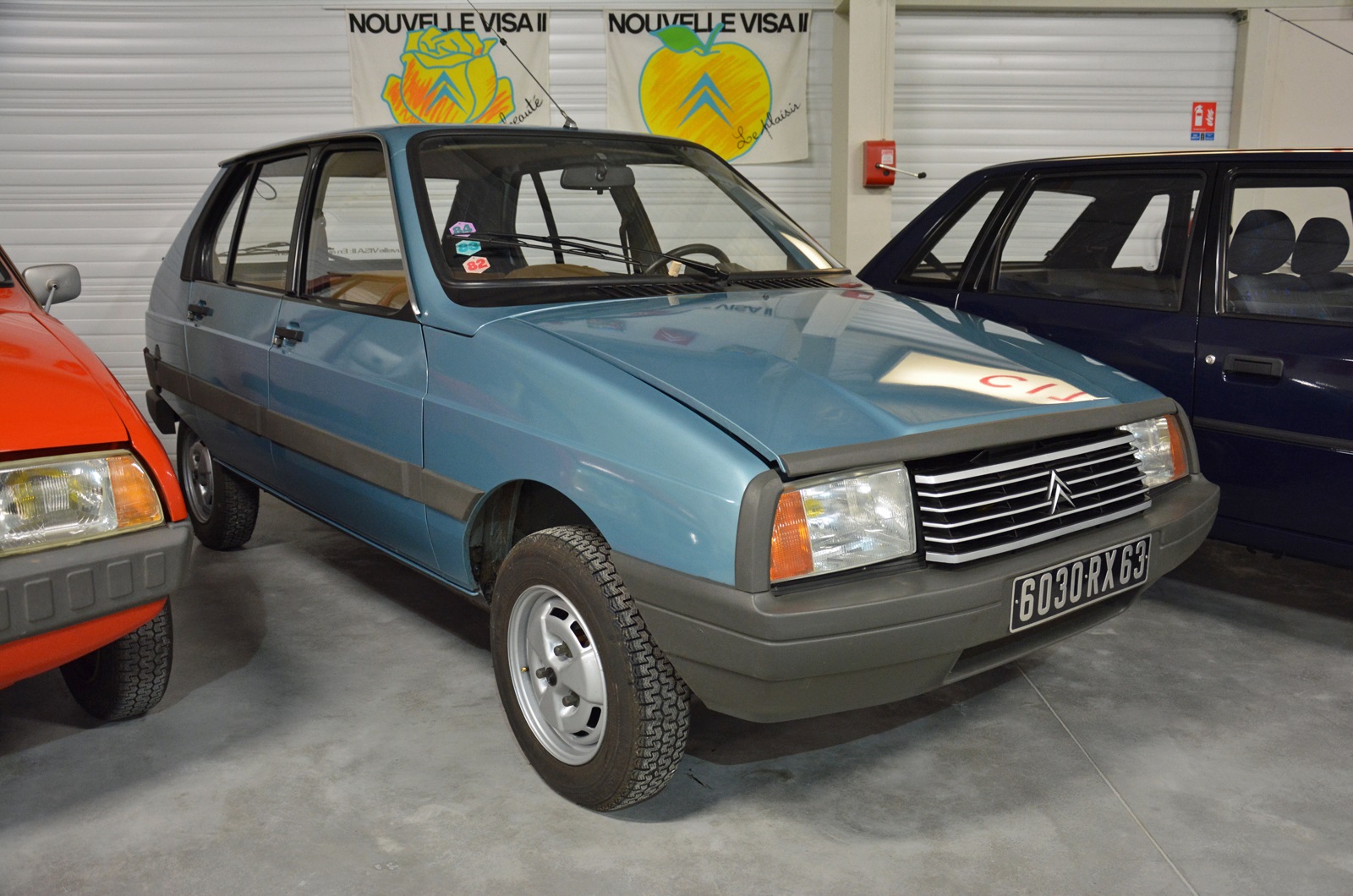
The original Visa’s polarizing front-end design was rectified in the 1981 facelift, which also influenced the C15 van. The Visa, often poorly maintained, is rarely cherished by collectors. This 1982 example was driven only 2,226 km (1,400 miles) by its original owner before her death in 1982. It remained in storage until 2012.
Axel Entreprise (1986): A Romanian Connection
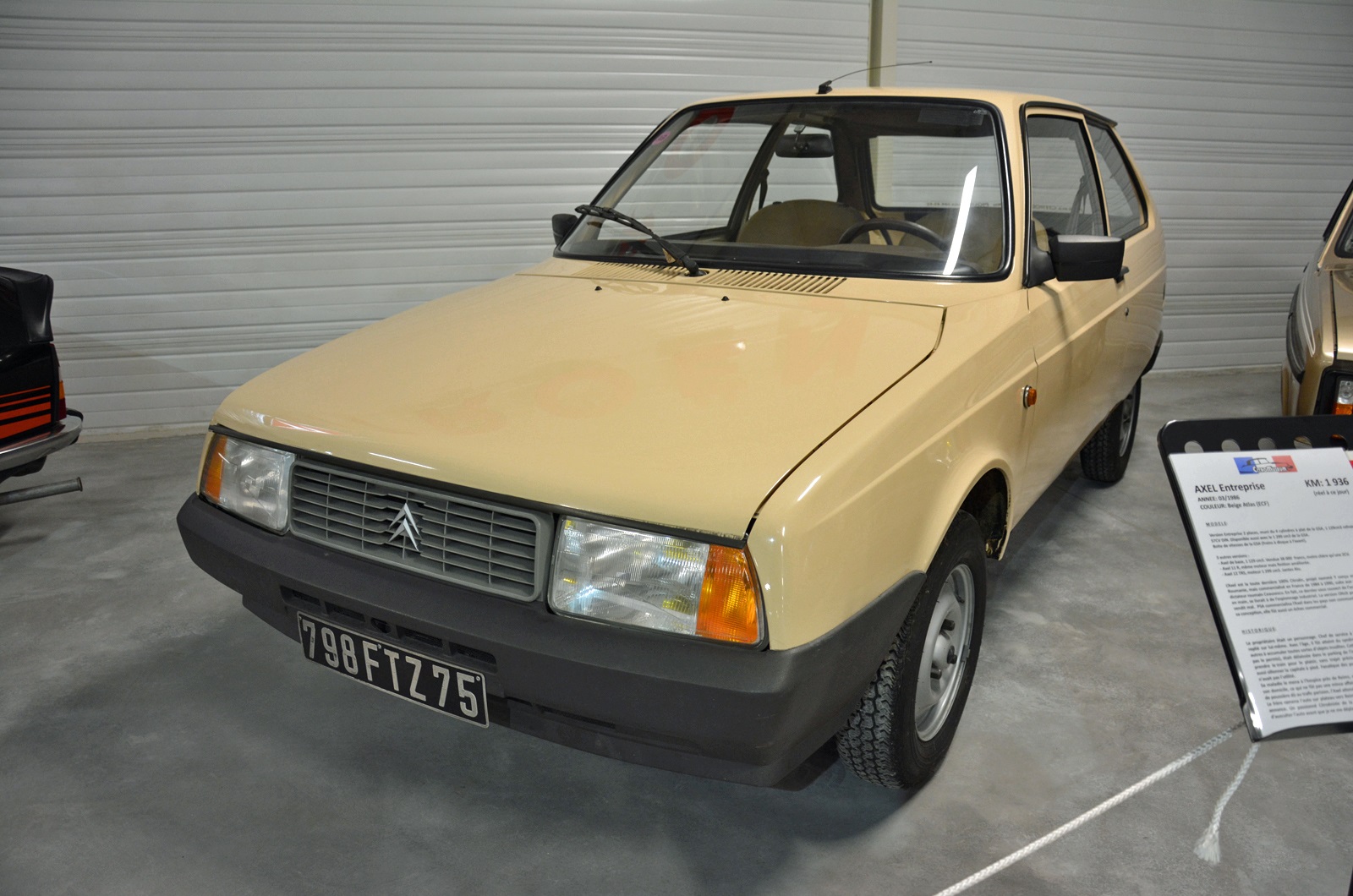
The Axel, essentially a two-door Visa, began development before Citroën’s acquisition by Peugeot but was released in 1981. Built and sold as the Olcit in Romania, it was marketed as the Axel in select Western European countries between 1984 and 1990. Equipped with GSA-sourced mechanicals, it was cheaper than the 2CV but sold poorly outside Romania. The museum’s two-seater Entreprise model, designed for businesses, was acquired by an elderly man with Diogenes syndrome who lacked a driver’s license. It remained in a Parisian parking garage until his death, having covered under 2,000 km (1,200 miles).
BX Leader (1987): Value and Preservation
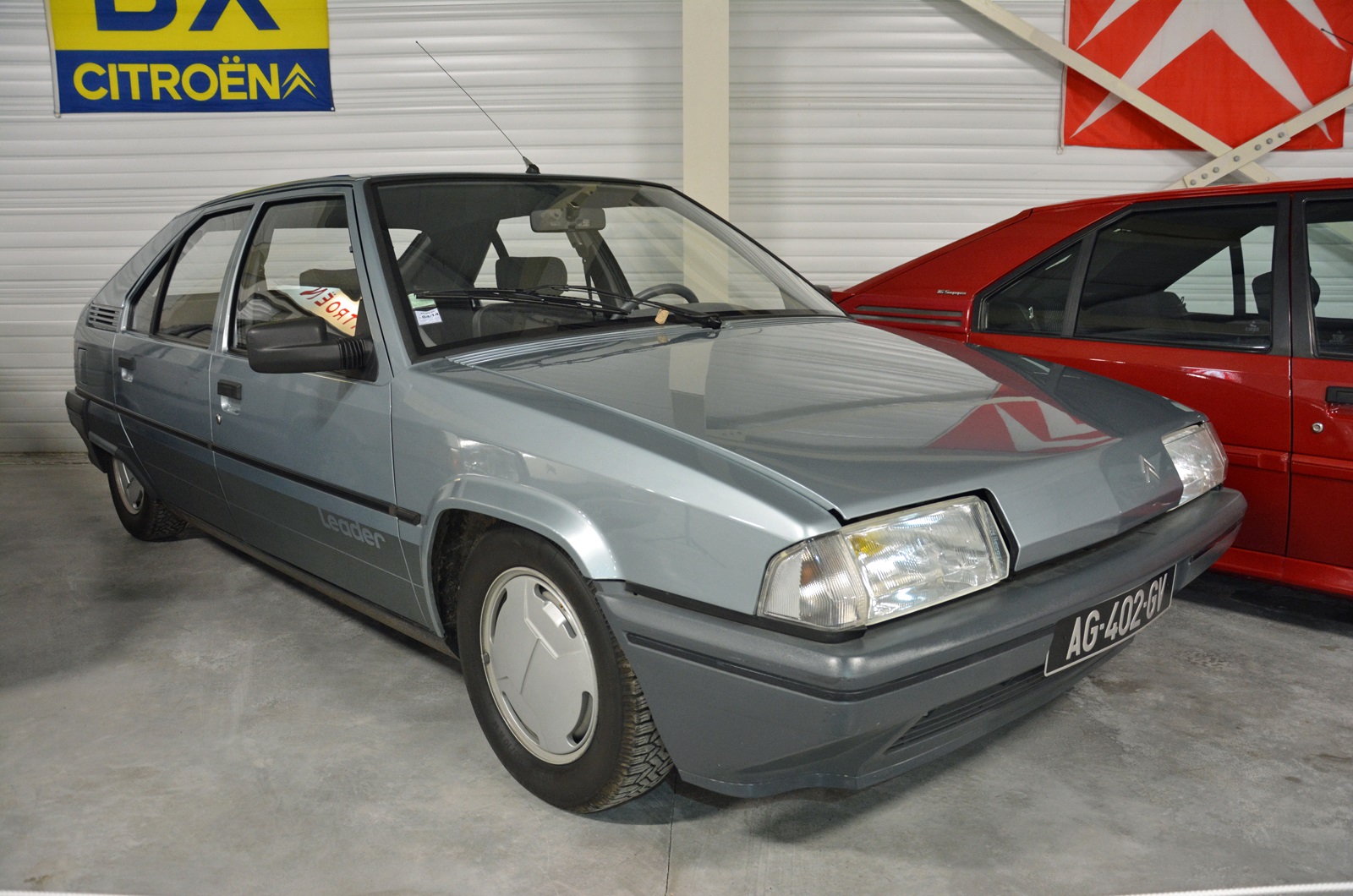
Citroën offered value-packed "Leader" variants of several models in the 1980s. This 1987 BX Leader was purchased new by an elderly gentleman who drove it only 3,000 km (1,900 miles) before his passing in 2009. An enthusiast added another 3,000 km before selling it to the CitroMuseum in 2016.
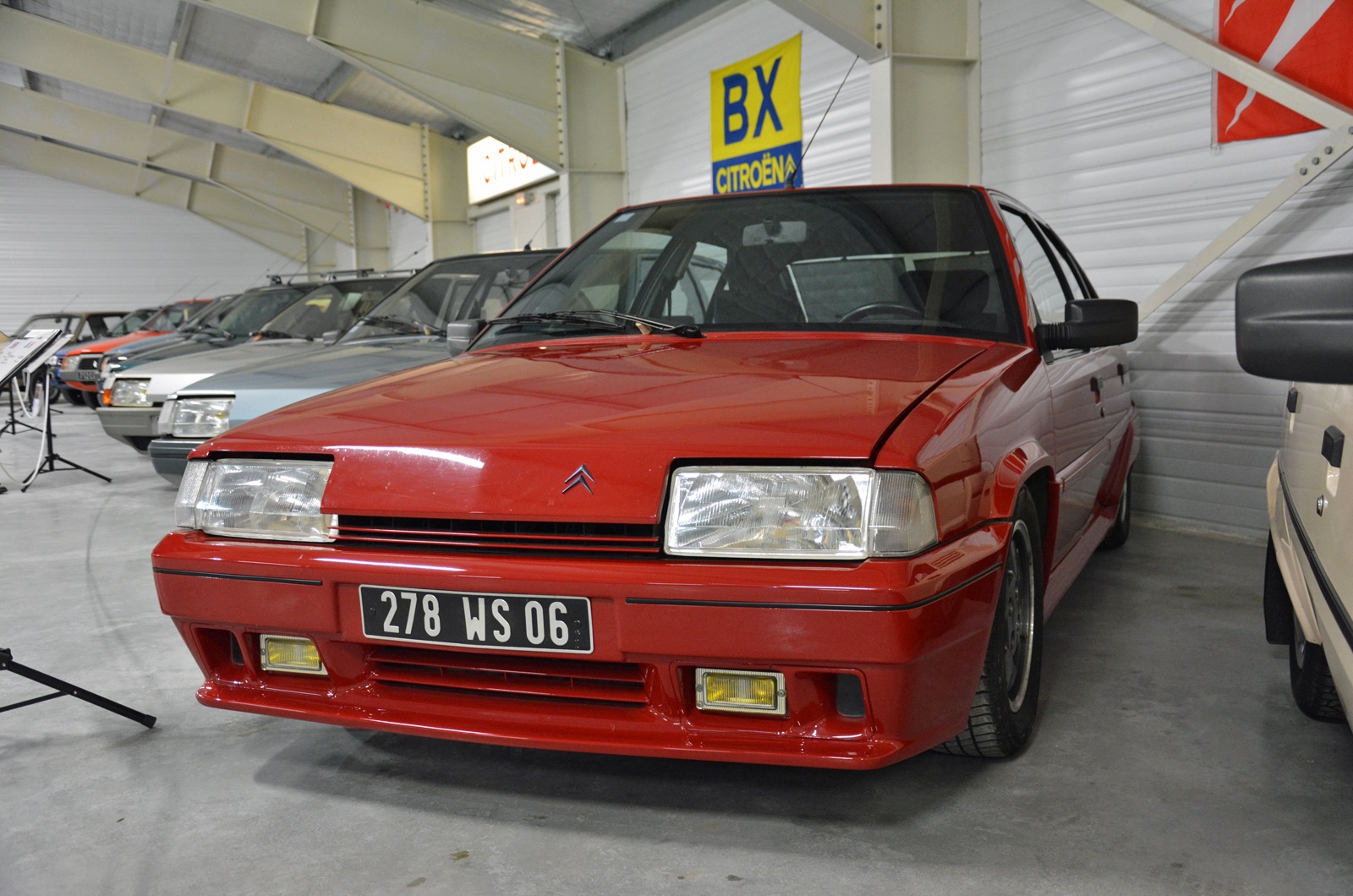
BX 16 Soupapes (1989): The Hot Hatch Contender
The BX 16 Soupapes, powered by a 160hp 1.9-liter four-cylinder engine, offered performance that could rival contemporary hot hatches. This example, purchased new in Grasse, spent most of its life there, rarely driven. Its odometer reads approximately 53,000 km (33,000 miles), and its meticulous first owner maintained it in excellent condition.
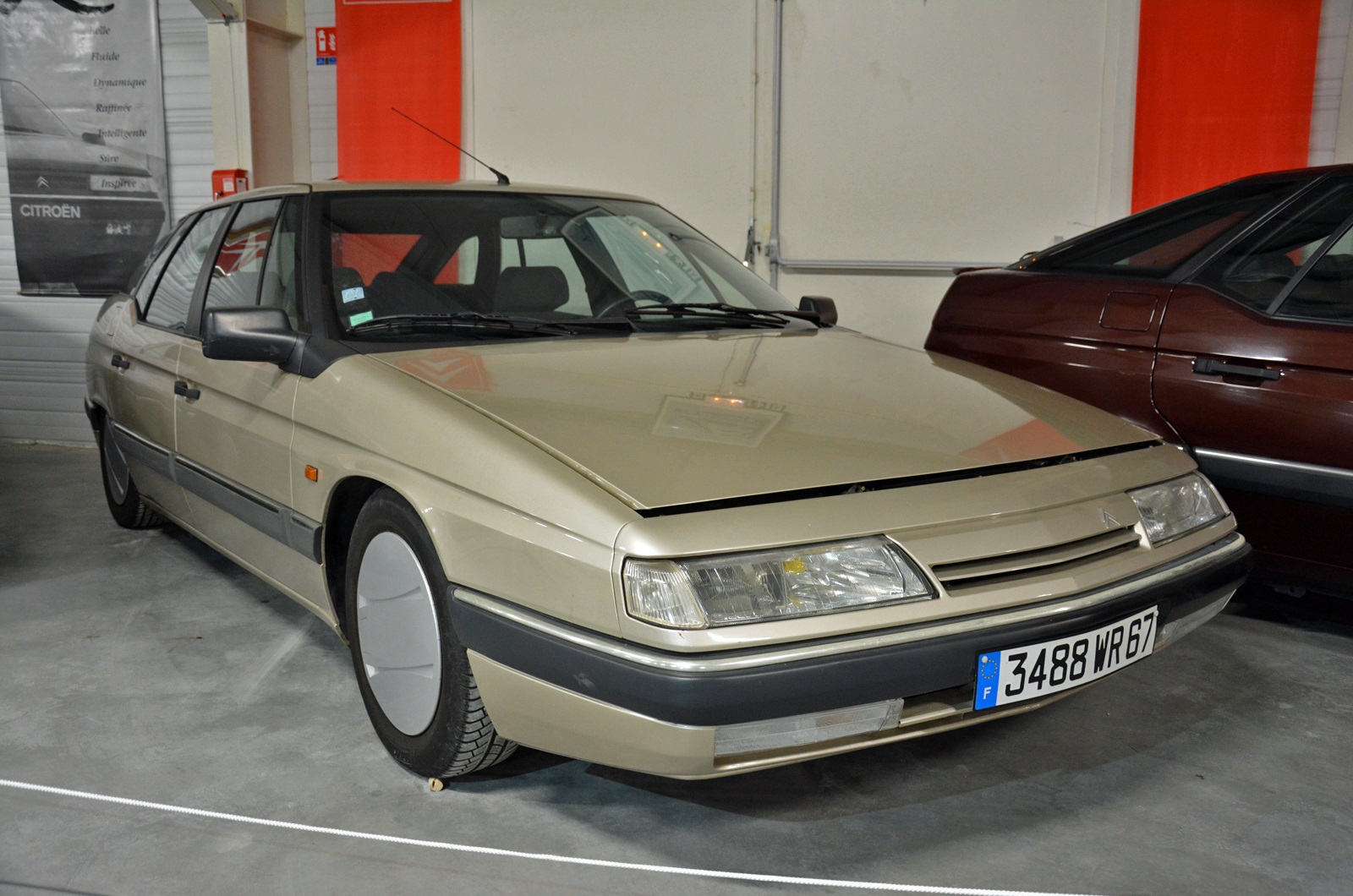
XM (1992): The Entry-Level Flagship
This XM, powered by a 115hp carbureted four-cylinder engine, represents the entry-level variant of Citroën’s then-new flagship model. With 35,000 km (21,000 miles), Fradet acquired it from an estate in Strasbourg. Despite initial transmission issues on its journey to the Alps, it has since been restored to like-new condition.
AX (1995): The Versatile City Car
The AX, launched in 1986, played a crucial role in Citroën’s lineup throughout the 1980s and 1990s, gradually replacing several older models. The example in the museum has an astonishingly low mileage of 174 km (108 miles). Its original owner, seeking a replacement for her 1960 2CV with its foolproof centrifugal clutch, never adapted to driving the AX, parking it next to her beloved 2CV. Both were sold upon her death in 2017.
Saxo Electrique (1998): An Early Electric Endeavor
Citroën experimented with electric powertrains, culminating in the electric Saxo and its Peugeot 106 counterpart. While largely experimental in the AX, the electric Saxo and 106 represented a serious attempt at offering alternatives to fossil fuels. However, the technology remained expensive, particularly battery rental costs, and the limited range (56 miles) and top speed (60 mph) diminished their appeal. Production ended in 2003 after Heuliez converted 3,540 Saxos and 2,270 106s. This example, purchased by an employee of France’s state-run power company, EDF, has covered approximately 119,000 km (75,000 miles) and joined the museum without its original battery pack.
Planning Your Visit to the CitroMuseum
For enthusiasts eager to experience this extraordinary collection firsthand, the CitroMuseum is located in Castellane, a small town in southern France, approximately 60 miles inland from Nice, accessible via the scenic Route Napoléon. The museum is open to the public from April to October, with an entry fee of €8. Further information can be found on the museum’s official website. The dedication of Henri Fradet has created not just a collection of cars, but a living archive of automotive history, offering a profound insight into the enduring spirit of innovation and design that defines Citroën.