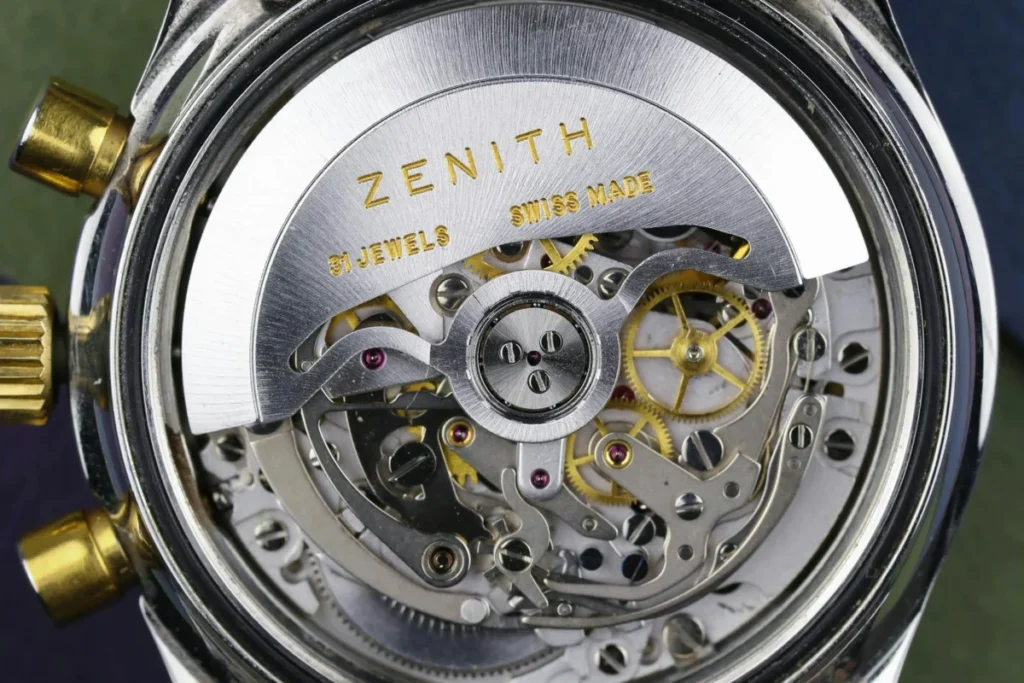
This week’s edition of Hodinkee’s "What’s Selling Where" column dives into a fascinating array of timepieces, from iconic chronographs to historically significant world timers and avant-garde regulators. Beyond the horological landscape, the world has also presented intriguing scientific developments, including potential breakthroughs in dark matter detection, the surprising reproductive strategies of avocados, and the electrifying nature of raindrops.
A Week of Scientific Curiosities and Shifting Islands
The broader world news provides a peculiar backdrop to the week’s watch auctions. Reports of a "phantom island" migrating in unexpected ways have captured public imagination, reminding us of the dynamic nature of our planet. In a development that blurs the lines between botany and biology, a study has revealed that avocados possess the remarkable ability to reverse their sexes multiple times a day, a phenomenon driven by complex genetic and environmental factors. Furthermore, researchers have shed light on the electrochemical properties of raindrops, explaining how their inherent electrical charge can degrade automotive coatings. Perhaps most profound, physicists are reporting potential evidence for the existence of dark matter, a discovery that could fundamentally alter our understanding of the universe. These diverse occurrences underscore the perpetual strangeness and wonder of the world around us.

Reflecting on Last Week’s Market Performance
Before delving into the current highlights, it’s instructive to review the outcomes of previous auctions. Last week’s featured watches saw varied but generally strong performances. The Hamilton Cross Country achieved a sale price of $1,200, while the Heuer Titanium Quartz found a buyer for $340 AUD. The Movado Super Sub Sea chronograph commanded a respectable $4,250, and the Breitling 810 sold for $2,750. The Breitling 815 was slated for auction the following day, its outcome yet to be determined at the time of reporting.
Military Clocks and Cult Classics: A Diverse Auction Landscape
The auction circuit this week presents an eclectic mix, catering to collectors with a wide range of interests. For enthusiasts of military horology, a trio of rare World War II RAF Operations Room Type 1 Sector Fusee Wall clocks are available. These historically significant timepieces, often referred to as RAF Sector clocks, were integral to the British air defense system during the war. Their precise timekeeping was crucial for coordinating aerial operations. The availability of three such pieces in one period suggests a significant collection being dispersed or a notable surge in their market appearance.

The Zenith De Luca: A Transitional Icon
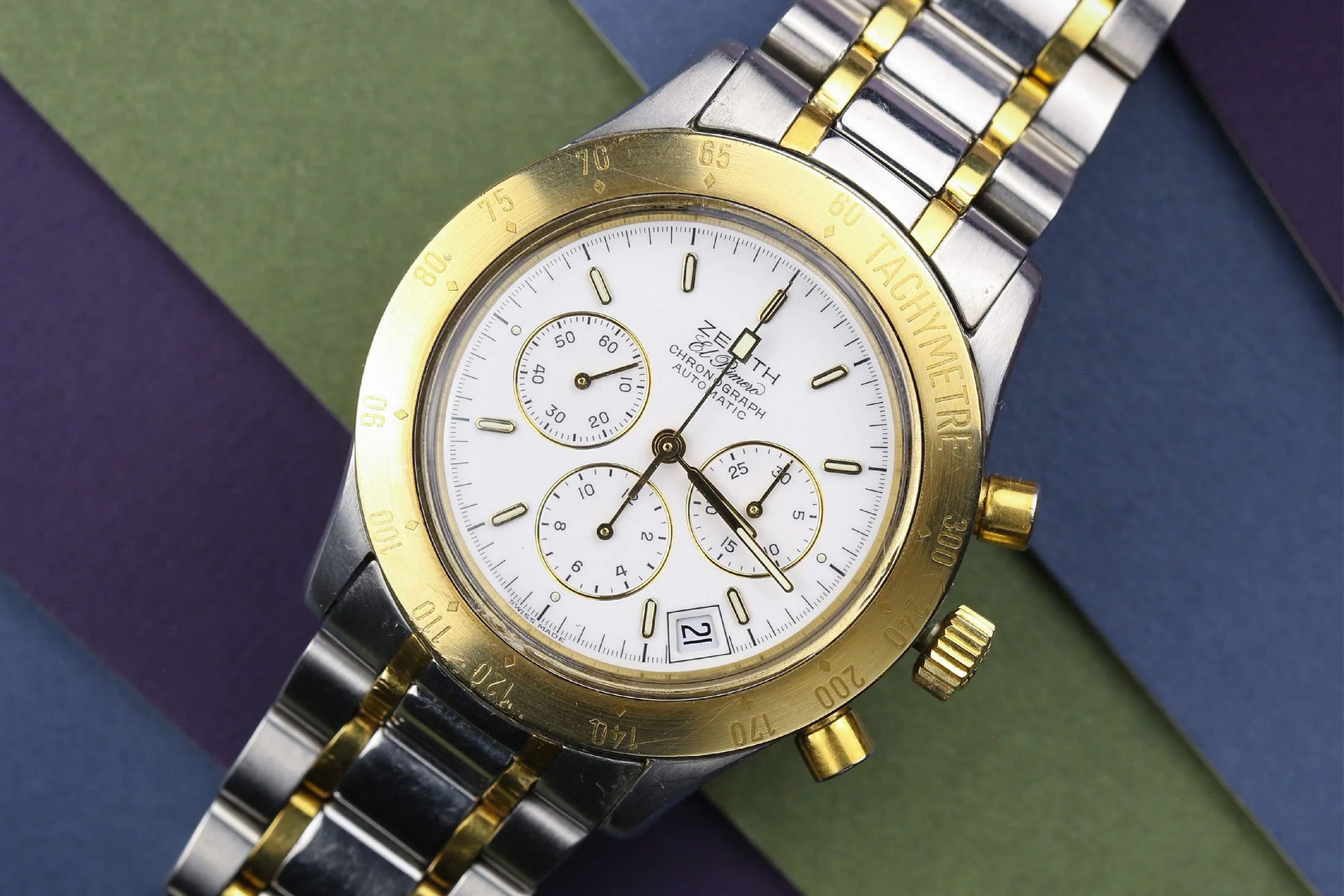
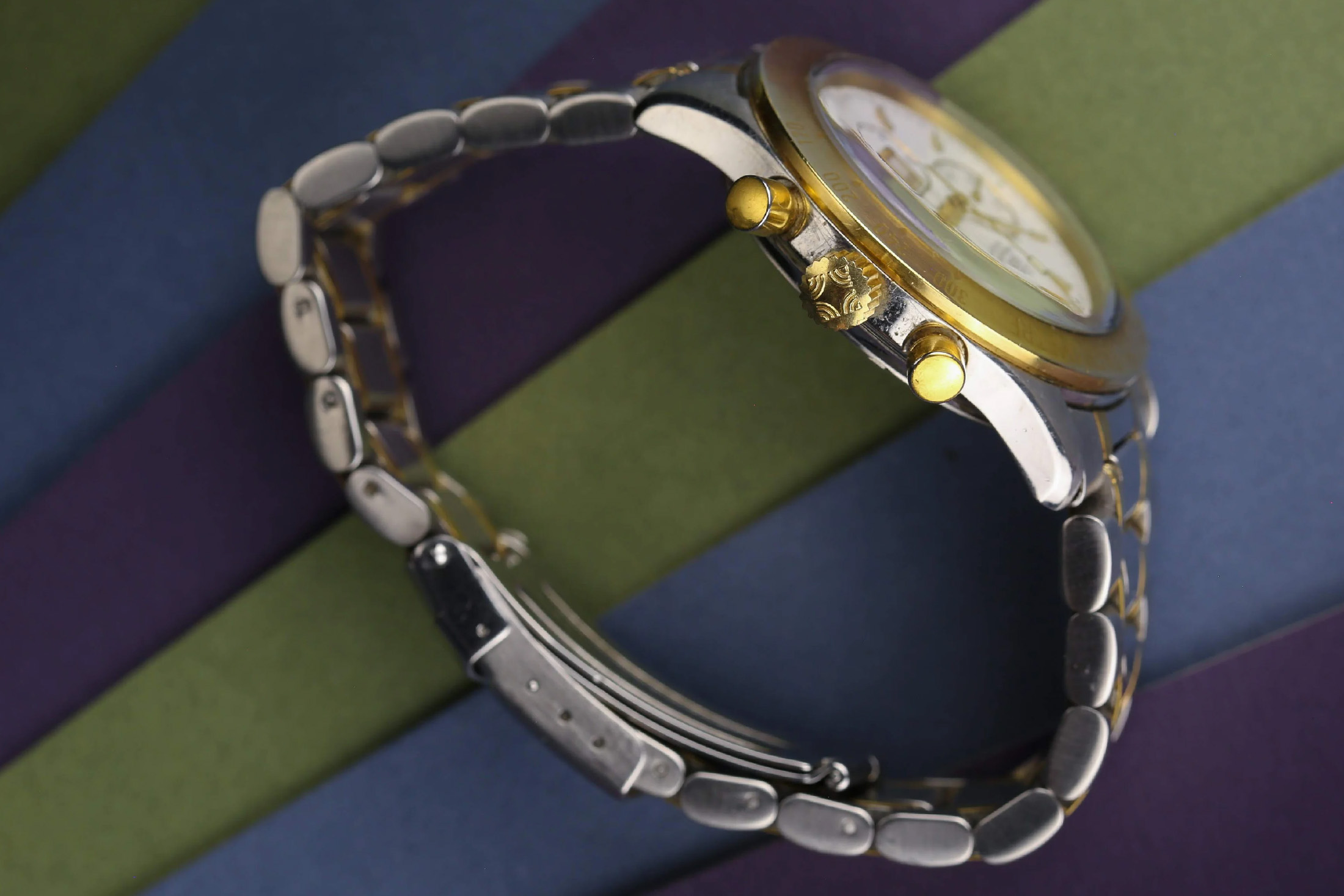
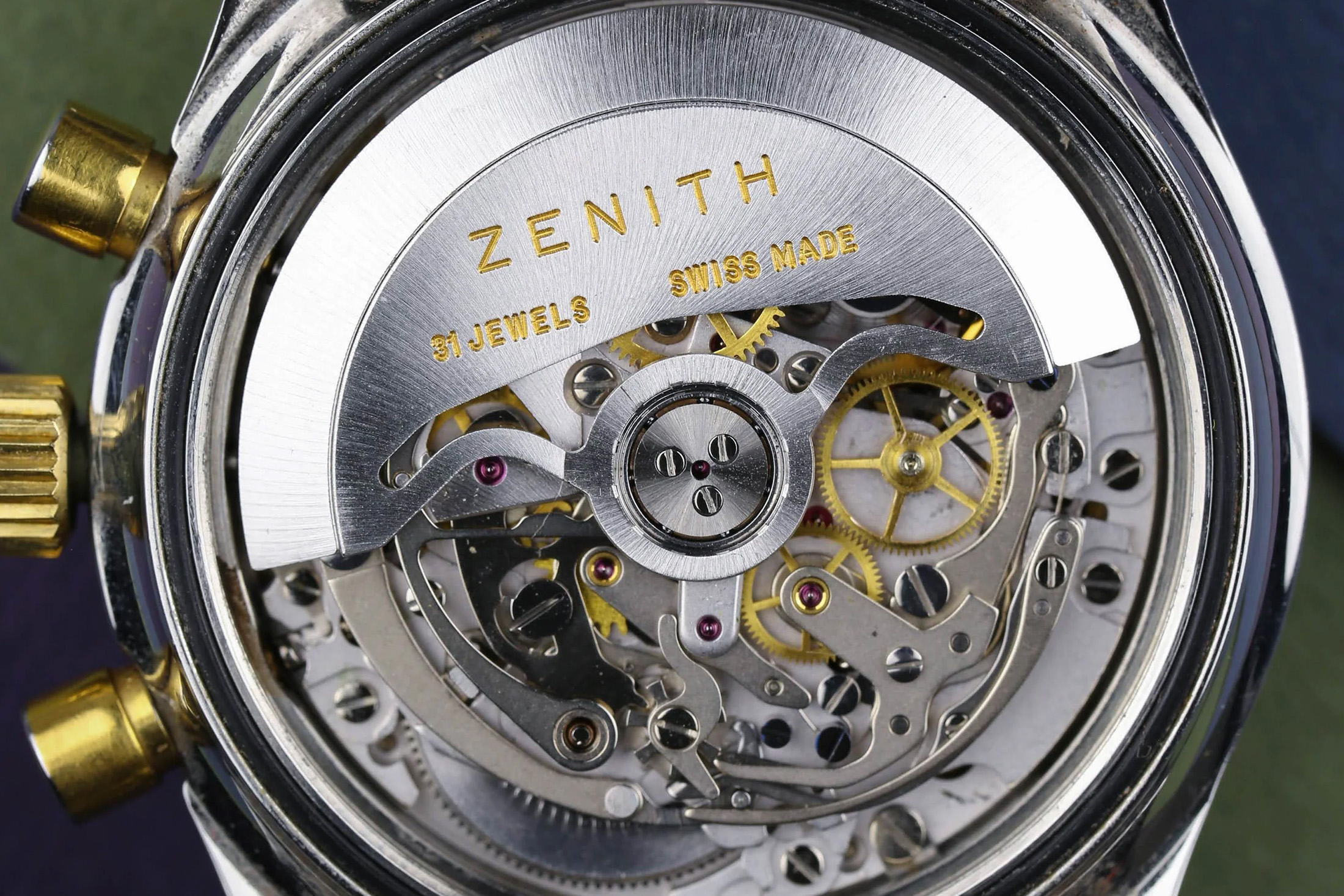
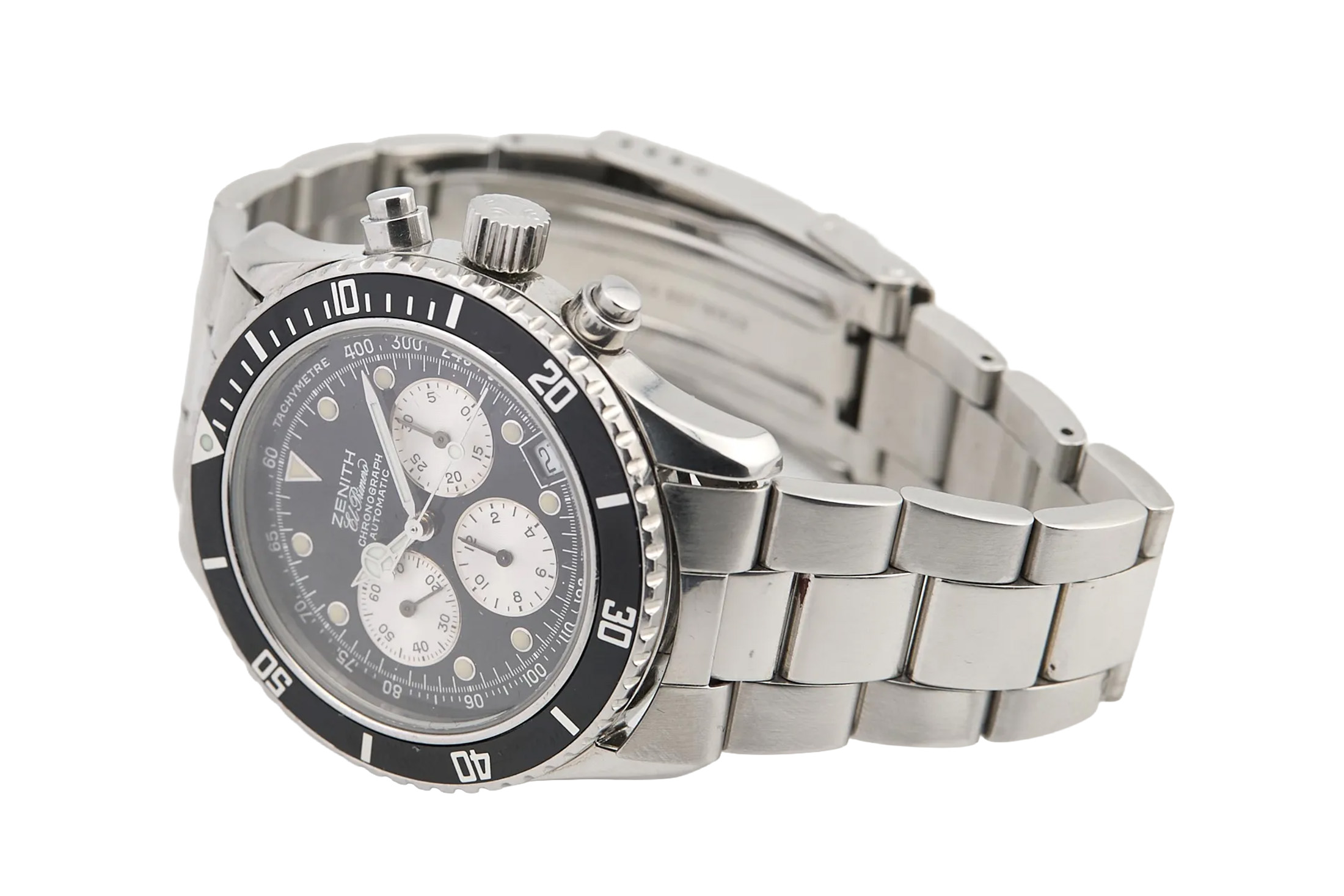
A standout piece generating considerable buzz is a Zenith De Luca, a model that holds a unique place in watchmaking history. Produced between 1988 and 1996, the De Luca was conceived at a pivotal moment for Zenith. Following a period where the brand primarily supplied movements to other esteemed manufacturers like Rolex and Ebel, the De Luca marked Zenith’s re-emergence as a maker of its own chronographs. This transitional watch bears a striking resemblance to the earlier Zenith A277, but it was powered by the new 3019 caliber, which would later evolve into the renowned Calibre 40.0 and then the Calibre 400.
The De Luca’s complexity is evident in its numerous variations. Over its production run, Zenith employed at least three distinct handset styles (paddle, dauphine, and Mercedes), three different pusher configurations (screw-down, inverted, and standard cap), and both screw-down and non-screw-down crowns. Dial markings and luminous plot variations also shifted across iterations. Despite these changes, the core design remained consistent: a robust 40mm steel case and a rotating bezel.
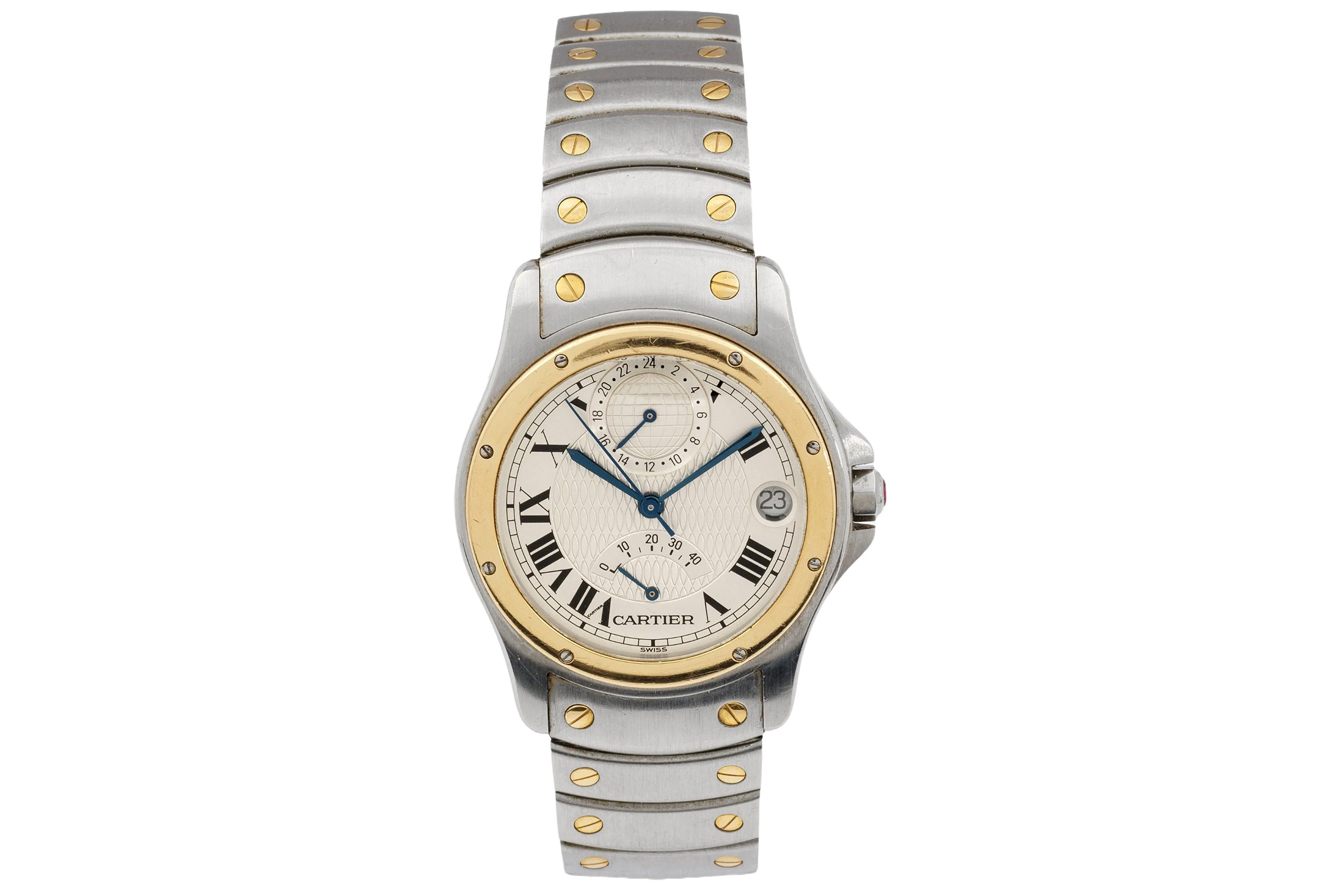
Approximately 6,500 De Luca models were produced over eight years. The watch is often seen as a direct competitor to the Rolex Daytona, a rivalry that intensified with the introduction of the De Luca II models, distinguished by their fixed tachymeter bezels. While Zenith has not yet officially reissued the De Luca, the upcoming 40th anniversary of its introduction in 2028 may present an opportune moment for such a revival.
One particularly noteworthy example is set to be auctioned in Paris on September 5th, with an estimate of €3,500-€4,500. This particular piece, identified as a Mk 3 De Luca, appears to be in excellent condition. It features the original bracelet with polished center links and is accompanied by its box and papers. While minor critiques might include a less dynamically finished case or the uncommonly wide 22mm lug spacing, these are overshadowed by the watch’s overall appeal. De Lucas have consistently traded above $5,000 for the past decade, yet they remain relatively uncommon. For collectors seeking a highly capable sport chronograph within this price range, the De Luca presents a compelling option.
Patek Philippe World Timer: A Collaboration of Legacy
Another significant lot is a Patek Philippe World Timer, reference 1415, retailed by Beyer. This piece emerges in the wake of Patek Philippe’s acquisition of the 266-year-old Zurich-based company, Beyer, earlier this year. Beyer had a long-standing relationship with Patek Philippe, having sold their timepieces since 1846. This co-signed World Timer, dating back to 1941, represents a harmonious confluence of these two esteemed names.
The watch will be offered by Schuler Auktionen in Zurich, with their auction running from September 8th to the 11th. The Patek Philippe archive extract confirms the watch’s provenance, and a letter from Beyer indicates its sale in 1945. Intriguingly, the original Beyer ledger notes the watch was described as "schwerverkäuflich," a German term that, when translated, offers a moment of amusement.
The Patek Philippe 1415 World Timer is a horological masterpiece. Its Wenger case, characterized by distinctive teardrop lugs, has remarkably withstood the passage of over 80 years, maintaining its aesthetic integrity. The dial and hands also present in excellent condition. The caliber 12-120 movement, utilized in the Patek Philippe reference 96 as early as 1934, is a testament to the brand’s engineering prowess. With just over 100 examples of the 1415 model produced between 1939 and 1954, its rarity is undeniable. Furthermore, many of these World Timers feature hands crafted by Lewis Cottier himself, the inventor of the world time complication.
The auction estimate for this exceptional piece is CHF 150,000-300,000, reflecting its rarity, historical significance, and the prestigious co-branding. The Schuler Auktionen catalog also features other notable items, including a redialed Rolex Prince Jump Hour, which, despite the restoration, retains considerable aesthetic appeal.
Carlo Ferrara CF1997 Regulator: A Display of Avant-Garde Design
The auction landscape also includes the Carlo Ferrara CF1997 Regulator, a watch that pushes the boundaries of conventional design. While perhaps less mainstream than the Zenith or Patek Philippe, this piece offers a unique visual proposition. The dial features a distinctive "dancing hands" complication, where the hour and minute hands travel along large vertical tracks on the left and right sides of the dial. A video demonstrating this unusual mechanism offers a clearer understanding of its operation.
Despite its avant-garde appearance, the CF1997 Regulator is designed for wearability. Its 39mm wide case, measuring just over 10mm in thickness, houses a modified ETA 2892 movement. The watch is being auctioned by Bonhams on September 8th, with an estimate of €800-€1,200. This piece, along with a host of other "amazements" in Bonhams’ "Property of a Noble Collector – Part 2" sale, caters to collectors seeking distinctive and conversation-starting timepieces.
Omega Speedmaster X-33: An Underappreciated Space Watch
Concluding the featured highlights is the Omega Speedmaster X-33, specifically a first-generation model. The author expresses a strong appreciation for these digital-analog Omegas from the 1990s, viewing the X-33 as a horologically significant and exceptionally wearable watch. Its unique design, which deviates from the traditional Speedmaster silhouette, has unfortunately led to it being overlooked by many collectors. This oversight is particularly surprising given the X-33’s association with space exploration, including its use by astronauts on the Artemis II mission.
The X-33’s connection to NASA is a crucial aspect of its appeal, yet it doesn’t seem to garner the same level of respect as its more conventional brethren. The first-generation model is identifiable by the absence of a lume pip on its rotating bezel and the presence of a ridged crown. The watch’s design subtly nods to earlier Speedmaster models, such as the 2915, with its distinctive hands. The black chapter ring features standard Speedmaster hour markers, with additional luminous dots and a hash mark at the 12 o’clock position.
The titanium case and bracelet of the X-33 contribute to its exceptional wearability. While the Caliber 1666 movement can present servicing challenges, requiring return to Omega for a full overhaul, the enjoyment derived from these watches is substantial. The example being auctioned in Singapore, while lacking its original box and papers, appears to be in excellent condition, with the titanium case retaining its sharp finish. The auction listing confirms that the watch is functioning correctly and its various functions have been tested. The X-33 boasts a range of features, including an impressively loud alarm, though its mission timer capabilities are likely considered secondary curiosities for most enthusiasts.
This Omega Speedmaster X-33 is scheduled for auction on September 6th, with an estimated price range of 1,600-2,400 SGD. Its relatively accessible price point, coupled with its historical significance and unique design, makes it an attractive proposition for those looking beyond the mainstream Speedmaster offerings.