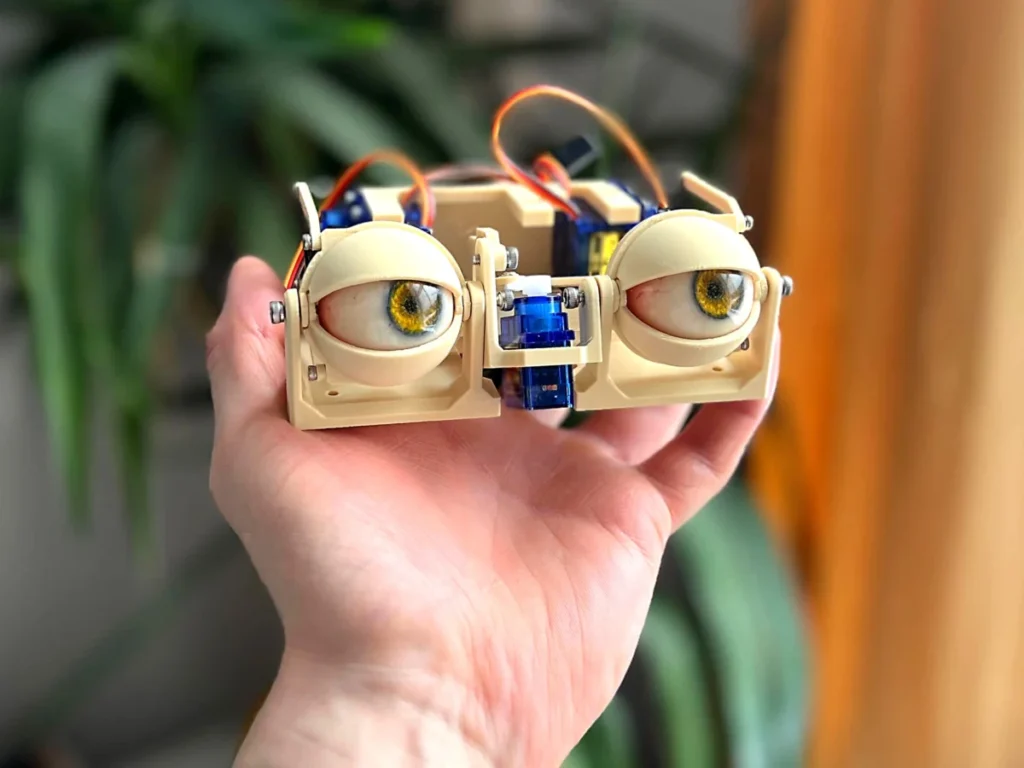
A groundbreaking do-it-yourself animatronic eye system, designed to bring intricate robotic expressions within reach of hobbyists and professional builders alike, has been meticulously detailed, offering a comprehensive guide to its construction. This innovative project emphasizes precision engineering and accessible components to create highly articulate eye and eyelid movements, marking a significant step forward in making sophisticated animatronics more widely available to the maker community. The design focuses on robust mechanics and clear assembly instructions, ensuring that even those new to advanced robotics can achieve lifelike motion.
The Engineering Foundation: Establishing Dual-Axis Movement

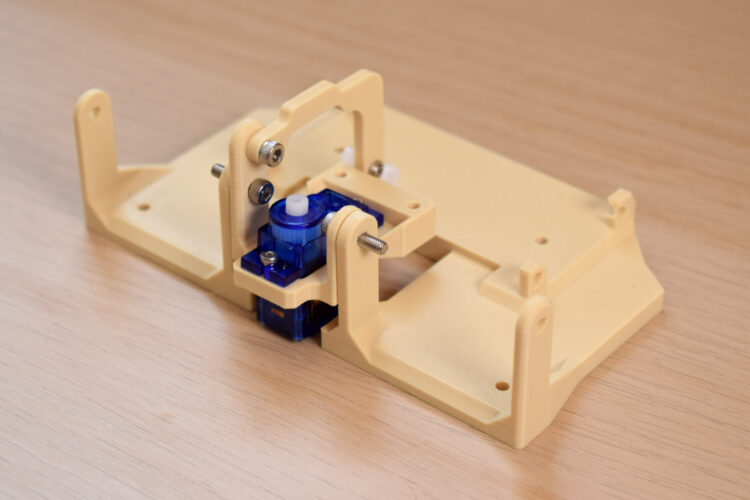
The core of this advanced animatronic eye system lies in its meticulously designed dual-axis motion, which enables both vertical (y-axis) and horizontal (x-axis) eye movement, coupled with synchronized eyelid control. The initial assembly phase is critical, establishing the foundational pivot points that define the system’s expressive capabilities. Builders commence by securely connecting two primary base components using either 10mm or 12mm M3 bolts. This connection is not merely structural; it serves as the crucial pivot point for the y-axis, governing the vertical trajectory of the eye motion and, concurrently, the nuanced articulation of the eyelids. The choice of M3 bolts, a standard in precision mechanical assemblies, ensures a secure and durable linkage capable of withstanding repetitive movements.
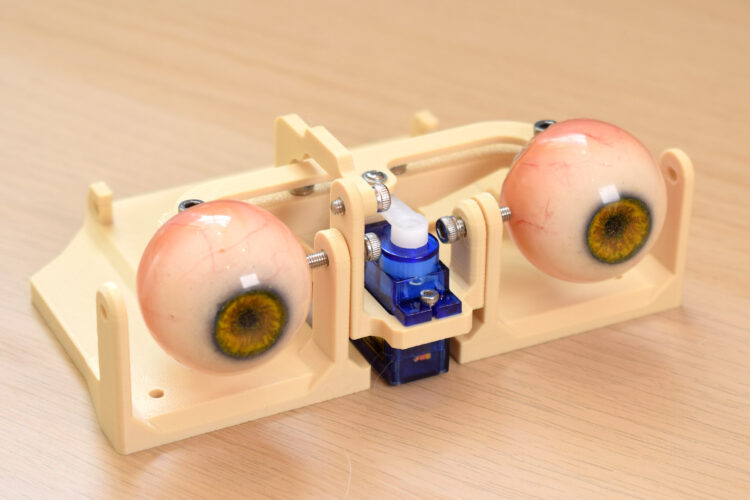
Following the establishment of the y-axis pivot, attention shifts to integrating the primary actuator for horizontal movement. A compact servo motor, typically a micro servo known for its balance of size, torque, and cost-effectiveness, is carefully positioned and fastened into place using 4mm or 6mm M2 screws. This servo acts as the dedicated actuator for the x-axis motion, allowing the animatronic eyes to scan from side to side with fluid precision. The meticulous placement of this component is paramount, as its orientation and secure attachment directly impact the range and accuracy of horizontal eye movement. The design ingeniously separates the control of these axes, simplifying the mechanical linkage and optimizing the responsiveness of each motion.
Further advancing the y-axis mechanics, the y-axis arm is subsequently attached to the sub-base using a 4mm, 5mm, or 6mm M3 screw. This arm, a critical component in translating servo rotation into vertical eye movement, requires careful alignment. A servo horn, a small lever that connects the servo’s rotational output to the mechanical linkage, is then precisely affixed to the third hole from its center using a 4mm or 6mm M2 screw. This specific attachment point on the servo horn is chosen to optimize the leverage and range of motion for the y-axis, allowing for controlled vertical gaze shifts. Throughout these initial steps, builders are advised to rigorously verify the orientation of all components, ensuring that the mechanical linkages are correctly aligned and prepared for frictionless operation. This attention to detail during the foundational stages is essential for the smooth, lifelike movements characteristic of high-quality animatronics.
Constructing the X-Axis Assembly: Precision and Adaptability
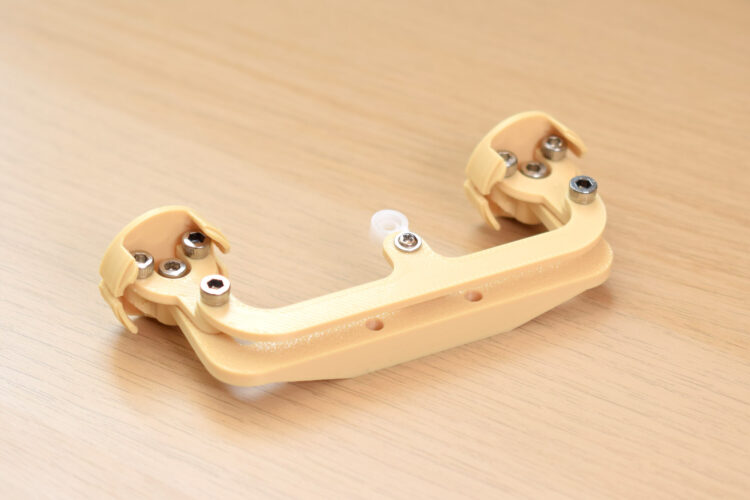
The construction of the x-axis assembly represents a significant phase in endowing the animatronic eyes with their full range of horizontal motion. This segment begins with the secure attachment of the "forks" into the "eye-adaptors." These components are joined using 4mm, 5mm, or 6mm M3 bolts. A key design feature here is that the fork holes are intentionally oversized, allowing the screws to "bite" directly into the adaptor material. This creates a tight, self-tapping connection that enhances the structural integrity and reduces the likelihood of loosening over time, even with continuous movement. While one of these connections might necessitate inserting the screw at a slightly unconventional angle, the robust design ensures that a secure fit is achievable, underscoring the adaptability built into the system.
Following the secure attachment of the forks to the eye-adaptors, the next step involves integrating the "three-point connector" to the top of the forks. This connector plays a pivotal role in coordinating the movement across the x-axis. An M3 screw is utilized for this attachment, designed to engage with an undersized hole within the fork component, ensuring a snug and stable connection. Simultaneously, a servo arm is attached to the final hole at the center of this three-point connector, secured by a 5mm M3 bolt. It is noteworthy that the hole on the servo arm may require a slight modification, typically drilling it to a diameter between 2.5mm and 2.8mm, to perfectly accommodate the M3 screw. This minor adjustment highlights the fine-tuning often required in precision mechanical builds, allowing for optimal fit and function. Throughout this intricate assembly process, builders are strongly encouraged to manipulate the nascent assembly regularly. This iterative checking for smooth movement and absence of friction is crucial for identifying and rectifying any potential binding or misalignment issues early on, ensuring the final system operates with maximum fluidity and responsiveness.
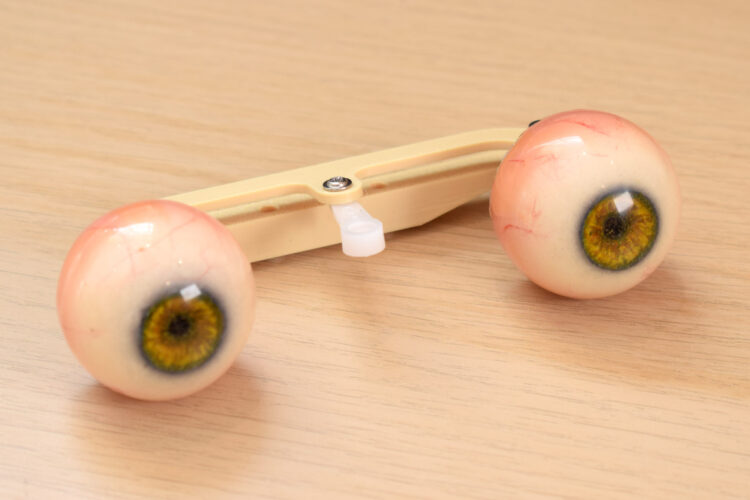
The final stage of the eye mechanism assembly involves attaching the "eye center-link" to the eye adaptors. This is achieved using an 8mm M3 screw. Critical to this step is ensuring the correct orientation of the center-link: its flat surface must face upwards, while the sloping section should be oriented downwards. This precise alignment is vital for the proper articulation and visual presentation of the eyes within the animatronic head. At this juncture, the actual animatronic eyes themselves can be plugged into their designated positions within the adaptors, completing the visual core of the system. With the eye mechanism fully assembled and integrated, the entire structure is then securely fastened to the center of the sub-base using two 12mm M3 bolts. This final mounting step solidifies the entire eye and movement assembly, providing a stable platform from which all subsequent motions will emanate. The use of robust M3 bolts at this critical junction ensures that the delicate eye mechanisms are firmly anchored, minimizing any unwanted play or vibration during operation.
The Powerhouse: Servo Block Integration and Actuation
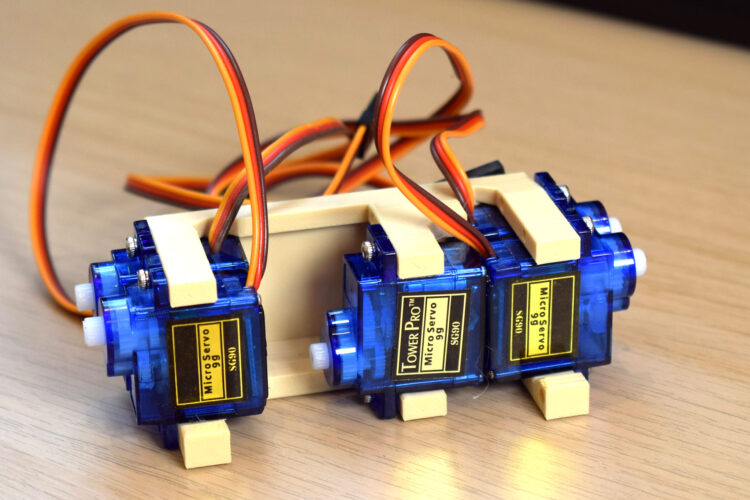
The driving force behind the animatronic eye’s intricate movements is the servo block, a strategically designed housing that accommodates five TowerPro SG90 servos. These micro servos are a popular choice in the DIY robotics community due to their compact size, lightweight design, and sufficient torque for precise, low-load applications such as animatronic facial features. Each servo is loaded into the block with a specific orientation, as dictated by the design, ensuring that their output shafts are correctly aligned with their respective mechanical linkages. This precise arrangement is paramount for translating the servo’s rotational motion into the desired linear or angular movements of the eye and eyelid components.
Once the five TowerPro SG90 servos are securely seated within the servo block, the entire assembly is then attached to the main base of the animatronic system. This crucial attachment is accomplished using four M3x10mm bolts, strategically placed to distribute the load and ensure the servo block remains rigidly in position. The secure mounting of the servo block is vital; any instability here could introduce inaccuracies or vibrations into the eye movements, compromising the lifelike quality of the animatronic’s expression. The careful selection and integration of these servos, combined with a robust mounting system, underscore the blend of affordability and precision that defines this DIY animatronic project. The TowerPro SG90, while a hobby-grade servo, offers a compelling balance of performance and cost, making sophisticated animatronics accessible without prohibitive expense. Its prevalence also means ample documentation and community support for troubleshooting and integration, further lowering the barrier to entry for aspiring animatronic engineers.
Eyelid Actuation: Adding a Layer of Realism
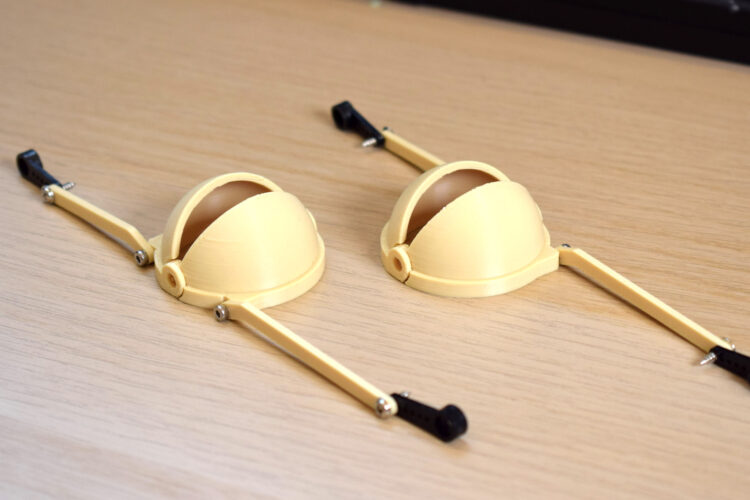
The ability to control eyelids independently from eye movement is a hallmark of sophisticated animatronics, significantly enhancing the realism and emotional range of the creation. This system incorporates a dedicated mechanism for eyelid actuation, allowing for blinks, winks, and subtle expressive shifts. The process begins with identifying the specific upper and lower eyelid components, a task made simpler by clear photographic references provided in the guide. Once identified, the relevant connector for each eyelid is securely attached using a 4mm or 6mm M2 screw. This connection forms the initial link in the eyelid’s mechanical chain.
Crucially, a servo arm is then attached to the other end of this connector, utilizing the last hole in the servo horn for optimal leverage and control. It’s often necessary to perform a minor modification here: drilling the servo horn hole to a diameter between 1.5mm and 1.8mm. This precise sizing ensures a snug fit for the connecting screw, minimizing play and maximizing the accuracy of eyelid movements. This attention to detail, even in seemingly minor adjustments, is what elevates a functional animatronic to one capable of truly expressive motion. The smaller screw size and the drilling requirement highlight the fine-tuned nature of eyelid mechanics, where even a millimeter of play can drastically alter the desired expression.
Finally, the assembled eyelids are attached to the main base of the animatronic structure. However, at this stage, the eyelids are mounted without being connected to their respective servo horns. This intentional step allows for a crucial calibration process later on, where the servos can be powered up and precisely centered before their horns are attached to the eyelid linkages. This ensures that the eyelids are in their neutral, open position when the servos are at their home position, facilitating accurate programming of blinks and other expressive movements. This methodical approach to eyelid integration underscores the iterative nature of animatronics design, where each component is carefully positioned and aligned to contribute to the overall realism and functionality of the final expressive system. The independent control of eyelids provides a vital layer of nuance, allowing the animatronic to convey a wide spectrum of emotions, from surprise and contemplation to sleepiness, vastly expanding its communicative potential beyond simple gaze direction.
Expert Commentary and Project Significance
The development of such a detailed and accessible guide for animatronic eyes represents a significant contribution to the burgeoning field of DIY robotics and practical effects. Dr. Alistair Finch, a leading expert in mechatronics and educational robotics, commented on the project’s impact: "This guide democratizes animatronics. Historically, creating expressive robotic features required specialized knowledge and often custom-fabricated parts. By leveraging readily available components like TowerPro SG90 servos and detailing a precise, step-by-step assembly process, this project empowers a new generation of makers to explore complex robotic design."
Dr. Finch emphasized the educational value: "The mechanical principles at play — dual-axis pivots, lever arms, and synchronized actuation — are fundamental to robotics. A project like this offers an invaluable hands-on learning experience, teaching concepts of kinematics, motion control, and precision assembly in a tangible and engaging way. The meticulous attention to screw sizes, drilling requirements, and friction checks instills best practices that are transferable to any engineering discipline."
The project’s emphasis on detailed instructions, complete with clear photographic references (such as those captured by Will Cogley), aligns with the open-source ethos prevalent in the maker community. This collaborative approach allows for easier replication, modification, and innovation, fostering a culture of shared knowledge and continuous improvement. The publication of such a guide, anticipated around October 2025, positions it as a timely resource for hobbyists looking to enhance their creations with realistic, dynamic features.
Broader Implications: The Future of Accessible Animatronics
The implications of projects like this extend far beyond individual hobby builds. By simplifying the creation of complex animatronic components, this guide contributes to several evolving trends:
- Democratization of Robotics: It lowers the barrier to entry for advanced robotics, allowing individuals without extensive engineering backgrounds or access to industrial equipment to build sophisticated mechanisms. This fosters innovation and expands the talent pool in robotics.
- Educational Tools: The detailed instructions and clear mechanical principles make this an excellent educational resource for STEM programs. Students can learn about mechanical advantage, servo control, and the integration of multiple systems to achieve a desired outcome.
- Enhanced Prop Making and Cosplay: For the entertainment industry, independent filmmakers, and the cosplay community, accessible animatronic eyes can dramatically improve the realism and expressiveness of costumes, puppets, and props, opening new avenues for creative storytelling.
- Human-Robot Interaction Research: Researchers studying human-robot interaction can utilize such systems to prototype and test various expressive robotic faces without significant investment in custom hardware, accelerating developments in emotionally intelligent robotics.
- Modular and Scalable Designs: The modular nature of the eye assembly suggests that similar principles could be applied to other animatronic facial features, allowing for the development of entire expressive robotic heads using interchangeable, standardized components.
- The Rise of 3D Printing and Digital Fabrication: While not explicitly stated as 3D printed, the nature of components like "bases," "forks," and "adaptors" strongly suggests the use of additive manufacturing. This project exemplifies how 3D printing makes custom parts readily available, transforming design concepts into physical realities with unprecedented speed and affordability.
In conclusion, the detailed unveiling of this animatronic eye system is more than just a set of instructions; it is a blueprint for accessible innovation. It underscores a growing movement where advanced technological capabilities, once exclusive to large studios or research labs, are now being placed directly into the hands of individual creators. As the tools for digital design and fabrication become ever more sophisticated and affordable, projects like this will continue to push the boundaries of what is achievable in DIY robotics, making the dream of creating truly lifelike, expressive machines a widespread reality.