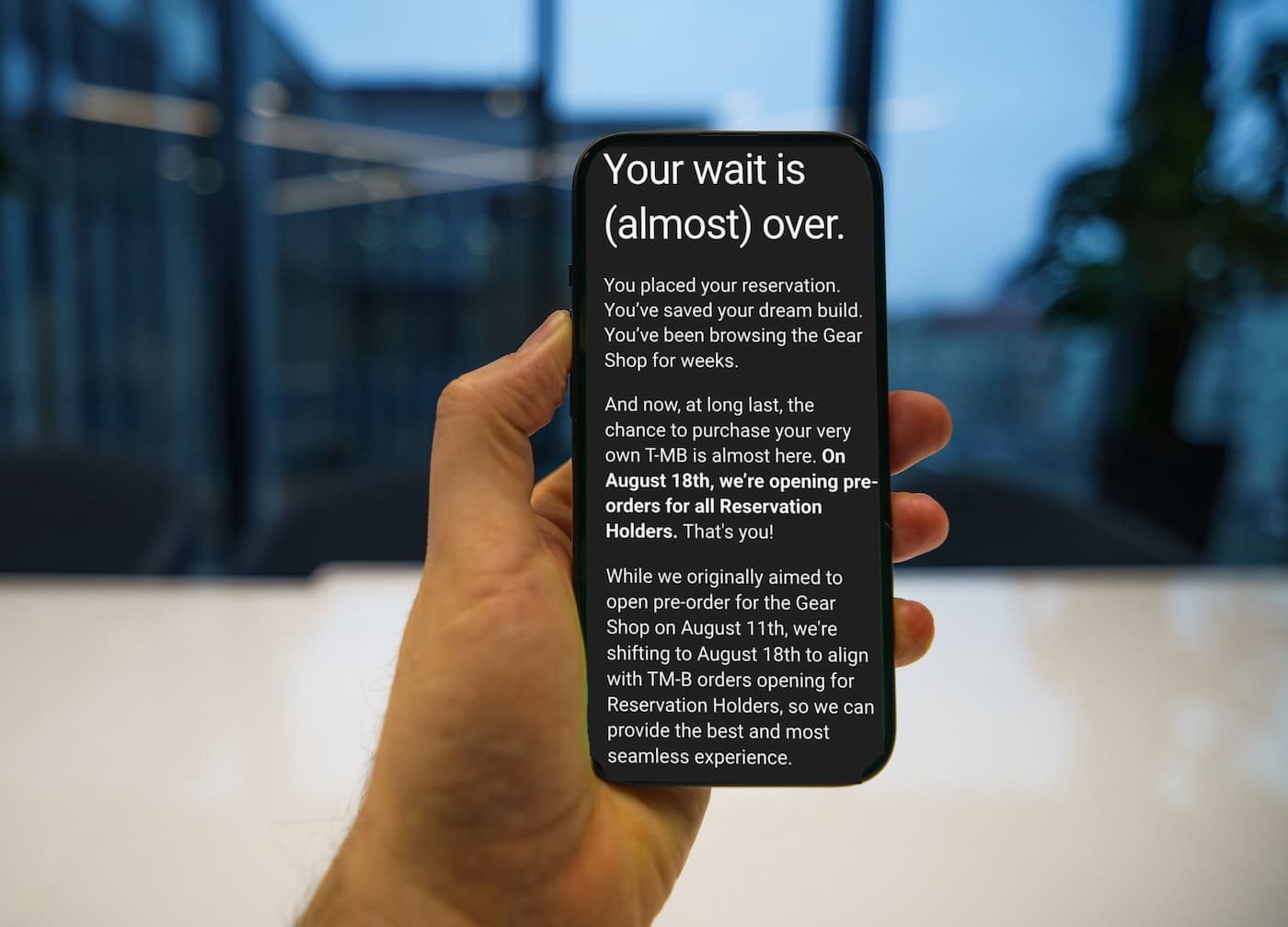
The anticipated launch of ALSO’s groundbreaking TM-B electric bike, a project born from Rivian’s innovative spirit, is experiencing further delays, pushing back the timeline for reservation holders and igniting a conversation within the burgeoning e-bike community about the company’s rollout strategy. Reservation holders, who placed their deposits with the promise of Spring 2026 deliveries, are now being informed that the window to officially place pre-orders has been shifted from August 11 to August 18. This latest adjustment, communicated via email, aims to synchronize the bike ordering process with the availability of ALSO’s Gear Shop, a move the company asserts will provide "the best and most seamless experience." However, for those who have been patiently awaiting their high-tech e-bikes for months, this postponement adds another layer to an already extended waiting period.

The journey of the TM-B from concept to customer has been marked by a series of significant timeline shifts. Initially unveiled with considerable fanfare last year, the TM-B was projected to begin deliveries in Spring 2026. As the seasons have progressed and Summer is now in full swing, the opportunity for reservation holders to convert their deposits into firm orders has yet to materialize. No customer TM-B bikes have been reported as delivered to date, indicating that the first shipments are still in the future. This prolonged delay, while not uncommon in complex product launches, has understandably led to growing impatience and a degree of frustration among the dedicated reservation base.
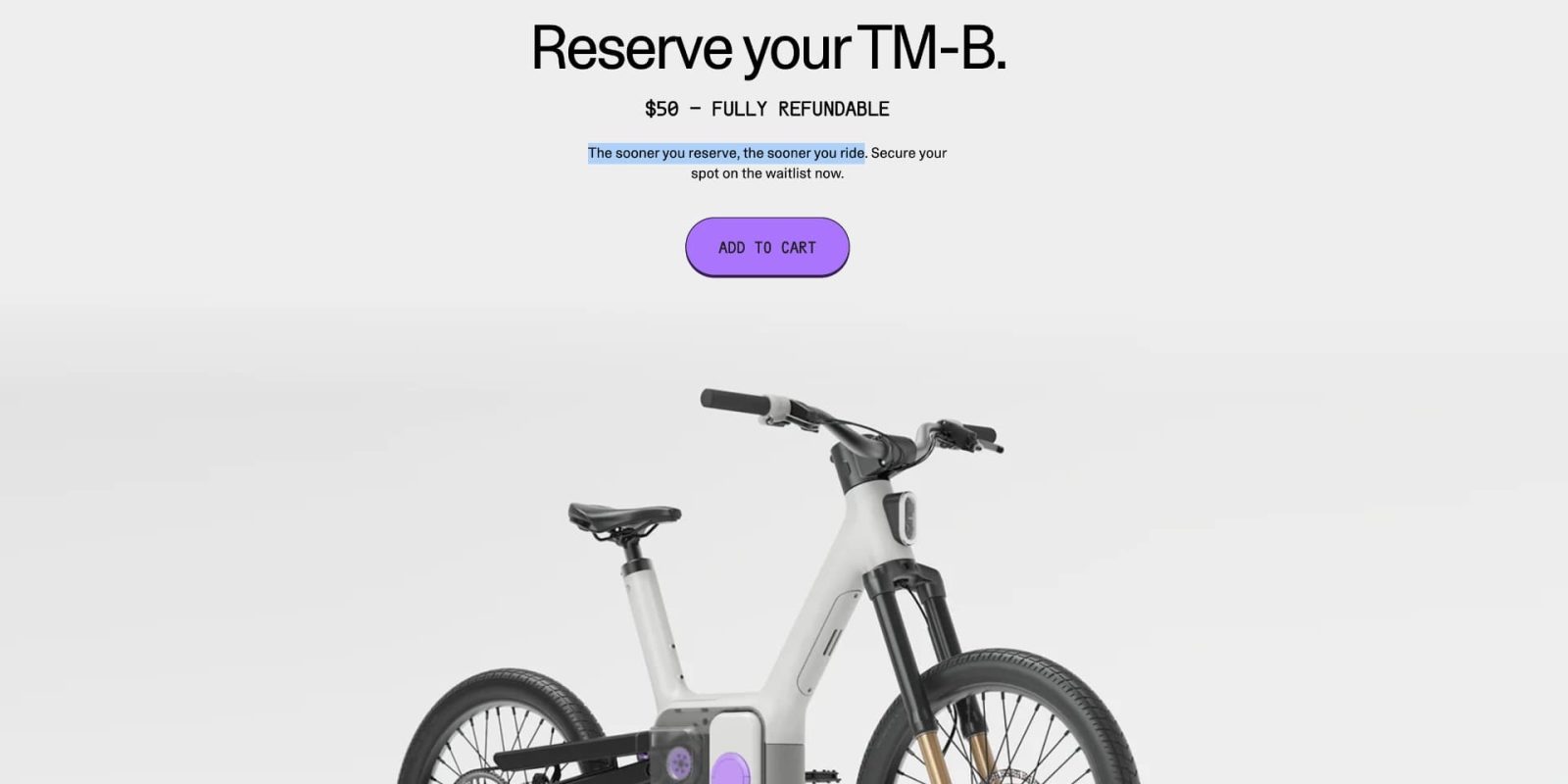
Adding to the unease within the reservation community is ALSO’s decision to open the ordering process for all reservation holders simultaneously. This approach diverges from a perceived industry standard where earlier reservations often receive priority in fulfillment. The TM-B reservation page itself, on the company’s website, continues to feature language that suggests a direct correlation between the timing of a reservation and the speed of delivery. Phrases such as "The sooner you reserve, the sooner you ride" and "Reservations will be fulfilled on a first-come basis" remain visible, creating a perceived disconnect for customers who placed their deposits many months ago and are now finding themselves in the same ordering queue as more recent reservation holders. This perceived inconsistency has understandably ruffled feathers, particularly among those who believed their early commitment would translate to an earlier acquisition of the highly sought-after e-bike.
The Technologically Ambitious TM-B: A Premium Mobility Platform
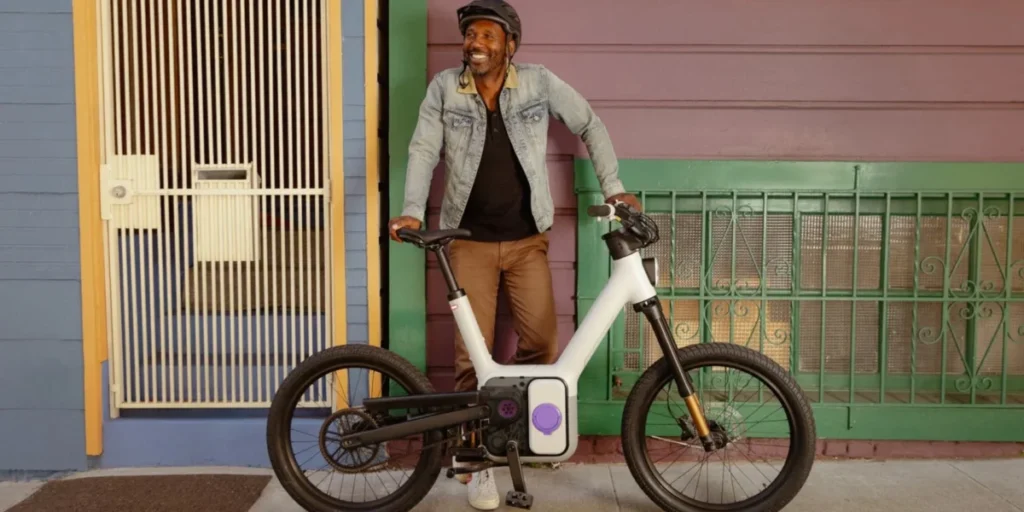
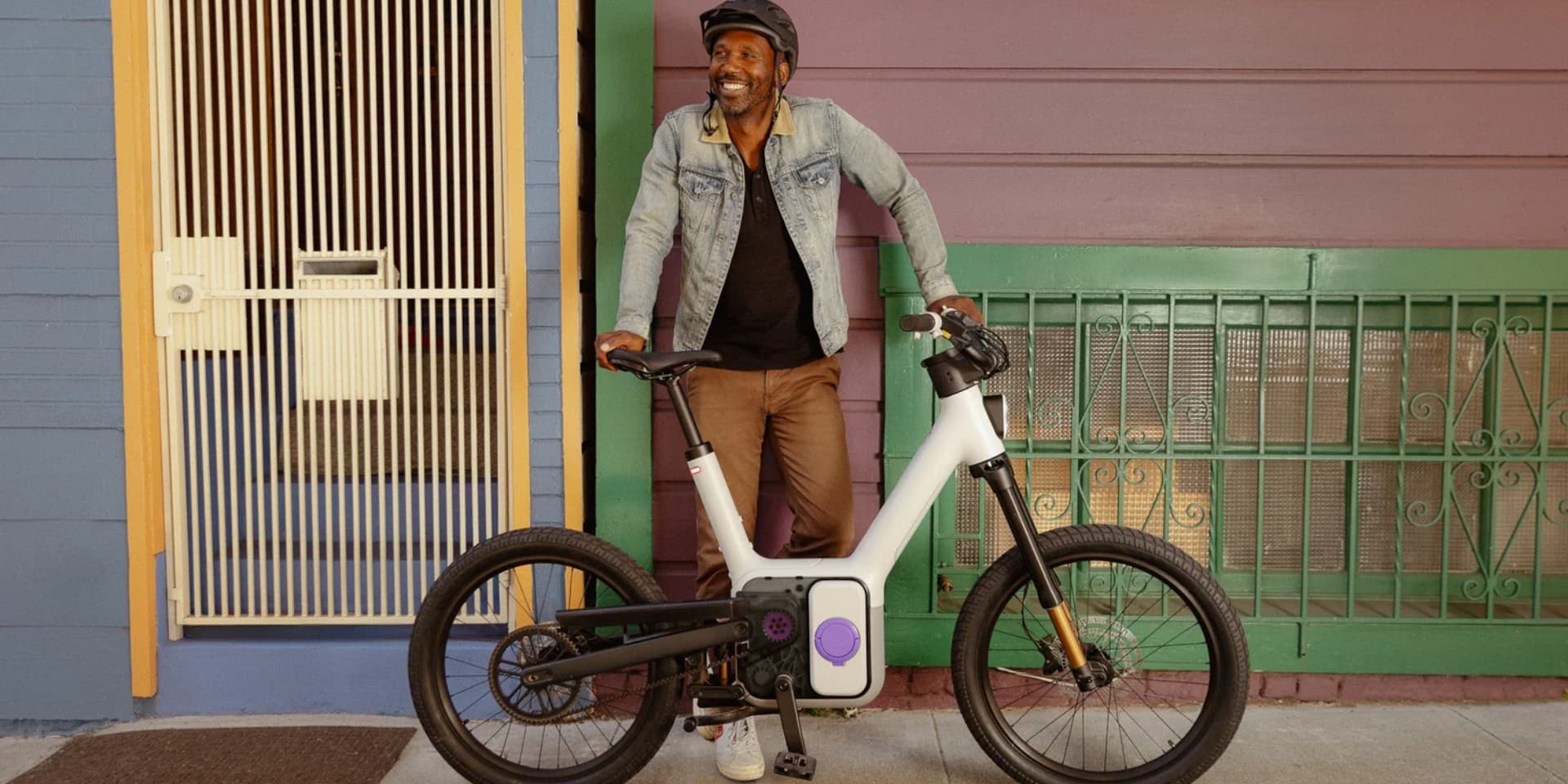
At its core, the TM-B represents a significant leap in e-bike design and technology, positioning itself as a premium mobility platform rather than a mere commuter accessory. The bike boasts a striking, Rivian-inspired industrial design, characterized by clean lines and a minimalist aesthetic. Underneath its sleek exterior lies a sophisticated array of features. A carbon belt drive offers a maintenance-free and quiet alternative to traditional chains. Integrated lighting systems enhance visibility and safety, while a removable battery provides convenience for charging.
The TM-B is also equipped with advanced connected features, including GPS tracking for security and ride monitoring. Its automatic electronic shifting system promises a seamless and intuitive riding experience, adapting to terrain and rider input. The innovative pedal-by-wire technology further blurs the lines between traditional cycling and advanced mobility, potentially offering enhanced control and responsiveness. A suite of sensors is integrated to optimize both security and the overall riding experience, aiming to create a cohesive and intelligent personal transport solution.
This level of technological integration and premium design comes with a premium price tag. The TM-B is available in two configurations: the Performance version, priced at US$4,500, and a lower-range model with a smaller battery, costing US$3,500. These price points place the TM-B firmly in the high-end segment of the electric bicycle market, a sector that is increasingly competitive and, in recent times, has seen a significant shift in consumer preference.
Market Dynamics and the Challenge of Premium Pricing
The introduction of the TM-B into the market occurs against a backdrop of evolving consumer priorities and economic pressures. The electric bicycle industry, after a period of rapid growth, has experienced a notable downturn, with many consumers becoming more discerning about value. There is a palpable trend towards more budget-friendly e-bikes that, while perhaps lacking the cutting-edge technology and premium design of the TM-B, still offer substantial utility and performance for a significantly lower cost. Many value-oriented e-bikes are now available in the US$1,500 to US$2,500 range, providing a compelling alternative for a broad spectrum of buyers.
This shift in the market presents a formidable challenge for premium newcomers like ALSO. The company appears to have invested heavily in brand building, sophisticated social media marketing campaigns, and the assembly of a highly skilled workforce. These investments, while crucial for establishing a premium brand identity, likely contribute to a substantial operational overhead and burn rate. Launching into a market that is increasingly rewarding value and practicality over novelty and high-end specifications requires a careful balancing act between innovation and market realities.
Electrek’s Perspective: Cool Tech Meets Market Realities
From a technical and design standpoint, the TM-B is undeniably impressive. Its innovative features and commitment to a premium riding experience are evident, reflecting the forward-thinking engineering ethos often associated with Rivian. The integration of technologies like pedal-by-wire and automatic electronic shifting points to a desire to redefine what an electric bicycle can be, moving beyond simple electric assistance to create a more holistic mobility solution. The design itself, while potentially polarizing, possesses a distinct character that sets it apart from the mainstream.

However, the question remains whether this ambitious technological vision aligns with the current economic climate and the prevailing purchasing habits of e-bike consumers. The industry is still navigating the aftermath of a significant market correction, and price sensitivity is at an all-time high. For the TM-B to succeed, its performance and user experience must unequivocally justify its premium positioning. The delays in bringing the product to market further amplify the pressure on ALSO to deliver an exceptional product that not only meets but exceeds the high expectations set by its innovative features and substantial price tag.
Moving Forward: The Crucial Step of Delivery
The immediate future for ALSO hinges on its ability to successfully navigate the final stages of its launch and begin delivering the TM-B to its reservation holders. The company’s communication regarding the latest pre-order window, while intended to provide clarity, also underscores the ongoing challenges in bringing this complex product to market. The success of the TM-B will ultimately be determined not just by its technological prowess or its distinctive design, but by its ability to capture the imagination and trust of a discerning consumer base that is increasingly prioritizing value and reliability. The company has a significant opportunity to prove its mettle, but this will require a flawless execution of its delivery strategy and a demonstrable commitment to customer satisfaction in a competitive and evolving market. The onus is now on ALSO to demonstrate that the TM-B is not just a technologically advanced concept, but a viable and desirable premium e-bike that can stand the test of time and market scrutiny.