The recent revelation that the Beaulieu Estate and the National Motor Museum, long perceived as a singular entity by enthusiasts and the public alike, are, in fact, distinct operational and ownership structures, has sparked a discussion about organizational clarity and communication within heritage institutions. While the immediate impact on the visitor experience may seem negligible, the underlying divergence in strategic vision and ownership responsibilities has surfaced, prompting a closer examination of how such organizations articulate their identities and governance.
For decades, the Montagu family, stewards of the historic Beaulieu Estate in Hampshire, England, have been synonymous with the preservation and display of automotive history through the National Motor Museum. Established in 1972 as a charitable trust, the museum was intended to house and safeguard the Montagu family’s extensive collection of vehicles. This integrated perception was not merely a matter of convenience but was arguably central to the appeal of Beaulieu as a destination – a seamless blend of aristocratic heritage and automotive passion. The assumption was that the estate and its celebrated motor museum were two sides of the same coin, a unified proposition for visitors and stakeholders.
However, recent communications have clarified a more nuanced reality: Beaulieu does not, in its entirety, “own” the National Motor Museum. This distinction, while perhaps technical in nature, suggests a divergence in operational priorities and potentially, strategic direction between the estate management and the museum trust. The implications of this separation, though not immediately apparent to the casual visitor, are significant for the long-term governance, funding, and indeed, the very narrative of this iconic British landmark.
A History of Integration and Evolving Structures
The story of Beaulieu and its motor museum is deeply intertwined with the Montagu family’s long-standing connection to the automotive world. Lord Montagu of Beaulieu, Edward John Barrington Douglas Scott Montagu, was a pioneer in establishing a public collection of motor vehicles. His father, the 2nd Baron Montagu, was a close friend of the pioneering aviator and automotive designer Charles Rolls, and was one of the first people in Britain to own a motor car. This family legacy provided the fertile ground for the creation of the National Motor Museum.
The decision in 1972 to establish the National Motor Museum Trust was a forward-thinking move to ensure the long-term preservation and public accessibility of the collection. The trust was tasked with the stewardship of the vehicles, while the Beaulieu Estate, managed by the Montagu family, continued to encompass the broader estate lands, including the historic house, gardens, and other attractions. Over the years, the synergy between these entities created a powerful brand, with visitors often experiencing them as one cohesive destination. This integrated approach facilitated marketing efforts and fostered a unified visitor experience, where the historical context of the estate enhanced the appreciation of the automotive exhibits, and vice versa.
The Unfolding of a Structural Divide
The recent emphasis on the distinction between the estate and the museum appears to stem from a period of organizational introspection and perhaps, a need to clarify governance and financial responsibilities. The absence of detailed public statements outlining the precise nature of this divergence makes it challenging to pinpoint the exact catalyst. However, such clarifications often arise when organizations seek to optimize their operational frameworks, comply with evolving regulatory requirements, or pursue distinct strategic objectives.
The National Motor Museum operates as a registered charity (Charity Number 267777), with its primary objective being the preservation and display of historically significant motor vehicles for the public benefit. Its governance is overseen by a board of trustees. The Beaulieu Estate, on the other hand, is a private estate with its own commercial operations, including tourism, hospitality, and property management, likely managed under a different legal and financial structure, potentially linked to the Montagu family’s wider interests.
The perception that Beaulieu "doesn’t own the National Motor Museum" suggests that while the estate may provide land or certain services, the ownership and ultimate responsibility for the museum’s collection and operations lie solely with the independent trust. This could imply that funding streams, operational decisions, and strategic planning for the museum are distinct from those of the wider estate.
Supporting Data and Context
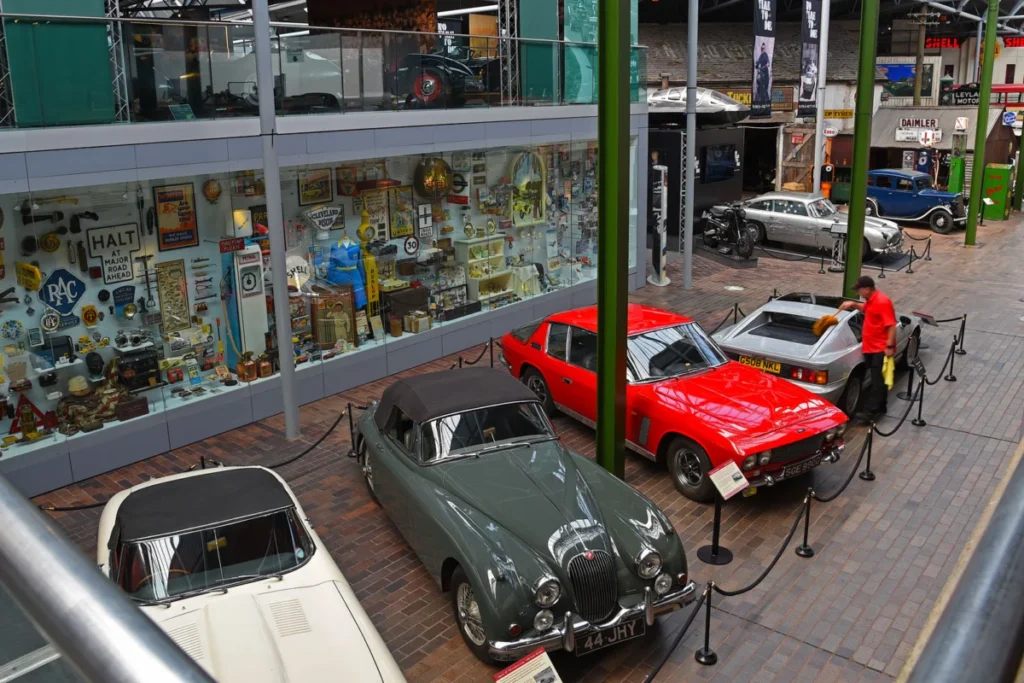
The National Motor Museum houses one of the finest collections of British motoring history in the world. It boasts over 250 vehicles, from the earliest pioneering machines to iconic models from the 20th century. The collection includes such treasures as the 1896 London to Brighton runner, the world’s fastest car, the Blue Flame, and a wide array of vehicles associated with famous figures and events. The museum attracts hundreds of thousands of visitors annually, contributing significantly to the local economy and the broader heritage tourism sector. According to the Association of Leading Visitor Attractions (ALVA), heritage sites in the UK play a crucial role, with many reporting consistent visitor numbers and revenue streams, though the sector has faced challenges in recent years due to economic factors and changing visitor habits.
The Beaulieu Estate itself is a significant historical site, drawing visitors to its Palace House, extensive gardens, and other attractions. The commercial viability of the estate is crucial for its upkeep and for supporting its various activities, including those that may indirectly benefit the museum.
Potential Implications of the Clarification
The clarification of distinct ownership and operational structures could have several implications:
- Funding Diversification: The museum trust may seek to diversify its funding streams, potentially through increased reliance on grants, corporate sponsorships specifically for the museum’s activities, and direct public donations, rather than solely relying on income generated by the broader estate. This could lead to more targeted fundraising campaigns focused on the museum’s specific needs and conservation projects.
- Strategic Autonomy: The National Motor Museum Trust can now pursue its strategic objectives with greater autonomy. This might involve specialized exhibition planning, research initiatives, or conservation efforts that are not necessarily aligned with the commercial priorities of the Beaulieu Estate. This autonomy could lead to a more focused and potentially innovative approach to automotive heritage preservation.
- Governance Clarity: A clear delineation of responsibilities can prevent potential conflicts of interest and ensure more transparent governance. It allows for distinct accountability for the performance and financial health of both entities.
- Public Perception and Branding: While the aim may be clarity, the public perception might initially be one of confusion or even division. Organizations that operate under a unified brand often benefit from simplified messaging. The challenge will be to communicate this structural distinction without alienating a public that has long viewed them as one. Future branding efforts will need to carefully balance the individual identities of the estate and the museum while acknowledging their historical and geographical connection.
- Visitor Experience: In the short term, it is unlikely that the visitor experience will change significantly. However, in the long term, strategic decisions made by each entity could influence the types of events, exhibits, and attractions offered. For example, the museum might pursue a more academic or preservation-focused approach, while the estate might prioritize broader entertainment and commercial activities.
Reactions and Expert Analysis
While direct statements from the Montagu family or the museum trustees regarding this specific clarification have not been widely publicized, such organizational shifts are common in the heritage sector. Dr. Eleanor Vance, a heritage consultant specializing in museum governance, notes, "It is not uncommon for long-established institutions, especially those with familial origins, to evolve their structures. What was once an informal or integrated operational model may need to be formalized to meet modern governance standards, financial accountability, or to pursue specialized funding opportunities. The key is how effectively this transition is communicated to the public and stakeholders. Transparency and clear messaging are paramount to maintaining trust and engagement."
She adds, "The challenge for Beaulieu will be to articulate this new understanding of their relationship in a way that enhances, rather than diminishes, the visitor’s appreciation of both the historic estate and the unparalleled automotive collection. It’s about telling a clearer story of their distinct yet complementary roles."
Moving Forward: Towards Enhanced Clarity
The distinction between the Beaulieu Estate and the National Motor Museum presents an opportunity for both entities to refine their individual missions and strengthen their specific contributions to heritage preservation and public engagement. For the National Motor Museum, this could mean a renewed focus on its core mission of conserving and exhibiting automotive history, potentially leading to more specialized exhibitions and research. For the Beaulieu Estate, it allows for the optimization of its commercial operations and the continued development of its broader heritage tourism offering.
The success of this organizational evolution will hinge on effective communication. By embracing transparency and articulating a clear narrative about their distinct yet interconnected roles, both the Beaulieu Estate and the National Motor Museum can ensure continued public support and a robust future. The rich history and shared legacy of these two institutions provide a strong foundation for navigating this period of structural clarity, ultimately aiming to better serve the public and preserve their invaluable heritage for generations to come. The automotive world, and indeed the broader heritage community, will be watching to see how this narrative unfolds.