
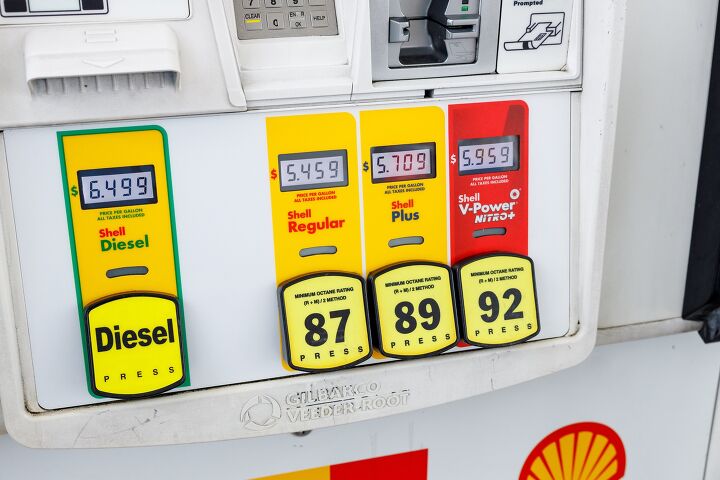
The recent week has presented a stark dichotomy in the fuel market, offering a sliver of relief at the gasoline pump while simultaneously witnessing diesel prices surge to unprecedented all-time highs. This divergence is occurring against a backdrop of persistent global oil supply challenges, underscoring the complex and often volatile nature of energy economics. While the average price for regular gasoline has seen a marginal dip, the cost of diesel fuel continues its upward trajectory, signaling significant implications for transportation, logistics, and the broader economy.
Fleeting Gasoline Relief Amidst Persistent Price Pressures
Data from the American Automobile Association (AAA) indicates that the U.S. national average for regular gasoline experienced a slight decline on September 22nd and 23rd. However, this respite was measured in fractions of a cent and proved to be ephemeral. The average price, which stood at $4.47 per gallon on the preceding day, nudged up by a single cent to $4.48. This seemingly minor fluctuation belies a more significant trend: over the past 30 days, the national average has increased by approximately 50 cents.
Currently, gasoline prices hover within roughly 50 cents of the all-time record of $5.02 per gallon, a peak reached in 2022 following Russia’s invasion of Ukraine, which significantly disrupted global fuel markets. The current seasonal pricing is particularly noteworthy, with AAA reporting that prices are already at record levels for this time of year, exceeding previous seasonal highs of 2022 and 2023 by nearly 75 cents. This suggests that underlying supply and demand dynamics, coupled with geopolitical factors, continue to exert upward pressure on gasoline prices, even with minor daily fluctuations.
Diesel Prices Reach Historic Peaks, Impacting Supply Chains
The narrative for diesel fuel presents a far more alarming picture. While diesel prices also saw a brief two-day decline, this was described as a "technicality" by industry observers. On September 22nd, the national average for diesel stood at $6.53 per gallon, dipping to $6.51 by September 24th. Despite this minimal decrease, AAA data confirms that this figure still represents the highest nationwide average on record, a benchmark that was re-established earlier in the week.
The ramifications of such elevated diesel prices are profound and far-reaching. Diesel fuel is the lifeblood of commercial transportation and logistics. Trucks, trains, ships, and heavy machinery predominantly rely on diesel engines. Consequently, any increase in diesel costs directly translates into higher operational expenses for businesses involved in the movement of goods. This includes everything from agricultural products and manufactured goods to raw materials and consumer products. The impact is often passed on to consumers in the form of increased prices for goods and services, contributing to broader inflationary pressures. The current situation implies that virtually every segment of the economy that relies on a diesel-powered supply chain is bearing the brunt of these record-high fuel costs.

Government Data Reflects Divergent Fuel Market Trends
Official data from the U.S. Energy Information Administration (EIA) further corroborates the diverging trends in the gasoline and diesel markets. The EIA reported that spot gasoline prices have climbed between 3.8 percent and 5.1 percent, with the exact range varying across different U.S. markets. In contrast, heating oil, a commodity that closely tracks diesel prices, remained flat in the EIA’s reporting. This indicates that while the underlying factors affecting gasoline prices are leading to some volatility, the specific market dynamics for diesel are pushing its price upwards with greater momentum.
Global Supply Chain Disruptions Exacerbate Price Pressures
The persistent strength in diesel prices and the underlying volatility in gasoline are deeply intertwined with global supply chain dynamics. Several critical maritime chokepoints are currently experiencing severe disruptions, significantly impacting the flow of oil and refined products.
The Strait of Hormuz, a vital waterway for oil tanker traffic between the Persian Gulf and the rest of the world, is operating at a near standstill. Shipping data indicates that only about 10 percent of the usual tonnage is transiting through this crucial strait this week. This severely curtails the supply of crude oil and refined products entering global markets, contributing to price increases.
Compounding these issues, the Bab el-Mandeb Strait, located at the southern entrance of the Red Sea and a key route for oil and gas shipments from the Middle East to Europe, is reportedly under blockade. This further restricts shipping options and increases transit times and costs for oil-producing regions seeking to supply international markets.
Strategic Petroleum Reserve Depletion and Seasonal Demand Shifts
In an effort to mitigate the impact of soaring energy prices, the United States has been drawing down its Strategic Petroleum Reserve (SPR). This measure, aimed at injecting more oil into the market and stabilizing prices, has led to the SPR reaching its lowest levels since its filling began in 1982. The current reserves represent approximately one-third of historic levels and have not been replenished following the significant price spikes experienced in 2022. This depletion means the U.S. has fewer resources to deploy in future market interventions, potentially limiting its ability to cushion against further price shocks.
Adding another layer of complexity, the approaching winter season signals an imminent increase in diesel demand. As temperatures fall, the demand for heating oil, which is chemically similar to diesel fuel and often produced from the same refining streams, typically rises. This seasonal surge in demand, coupled with existing supply constraints and geopolitical disruptions, is poised to exert further upward pressure on diesel prices in the coming months. The convergence of these factors creates a precarious situation for consumers and businesses alike, as the cost of essential energy commodities remains elevated and subject to ongoing volatility.
Historical Context and Future Implications
The current energy market scenario is a complex interplay of immediate market forces and longer-term structural challenges. The reliance on fossil fuels, particularly for transportation and industrial sectors, continues to make economies vulnerable to supply disruptions and geopolitical events. The record-high diesel prices serve as a stark reminder of this vulnerability.
The historical context of energy price fluctuations, often driven by geopolitical tensions and supply-demand imbalances, offers little solace. The current situation echoes past periods of energy crises, but with the added dimension of a global energy transition underway, which introduces its own set of uncertainties and investment challenges.
Analysis of Implications:
- Inflationary Pressures: The sustained high cost of diesel fuel is a significant driver of inflation across multiple sectors. Businesses will continue to face higher operating costs, which are likely to be passed on to consumers, impacting the cost of food, goods, and services.
- Supply Chain Resilience: The disruptions at key maritime chokepoints highlight the fragility of global supply chains. This may prompt businesses to re-evaluate their logistics strategies, potentially leading to increased investment in domestic production, diversification of shipping routes, and higher inventory levels, all of which can add to costs.
- Energy Transition Dynamics: While the world grapples with fossil fuel prices, the imperative for transitioning to cleaner energy sources becomes even more pronounced. However, the immediate economic pressures may also create challenges for the pace and scale of this transition, as governments and industries focus on immediate energy security and affordability.
- Consumer Impact: For individuals, higher fuel costs translate directly into increased expenses for commuting, travel, and essential goods. This can disproportionately affect lower-income households and contribute to a broader cost-of-living crisis.
- Geopolitical Leverage: The dependence on specific regions for oil supply, coupled with disruptions in transit routes, grants significant geopolitical leverage to countries and entities controlling these resources and routes. This can influence international relations and economic policies.
The current energy market landscape, characterized by record diesel prices and volatile gasoline costs, is a complex tapestry woven from global supply constraints, geopolitical tensions, and seasonal demand shifts. The temporary reprieve at the gasoline pump offers little comfort as the underlying economic realities of a strained global oil market continue to manifest, particularly in the essential diesel fuel sector. The coming months, with the onset of winter and continued supply chain fragilities, are likely to remain challenging for energy consumers and businesses worldwide.