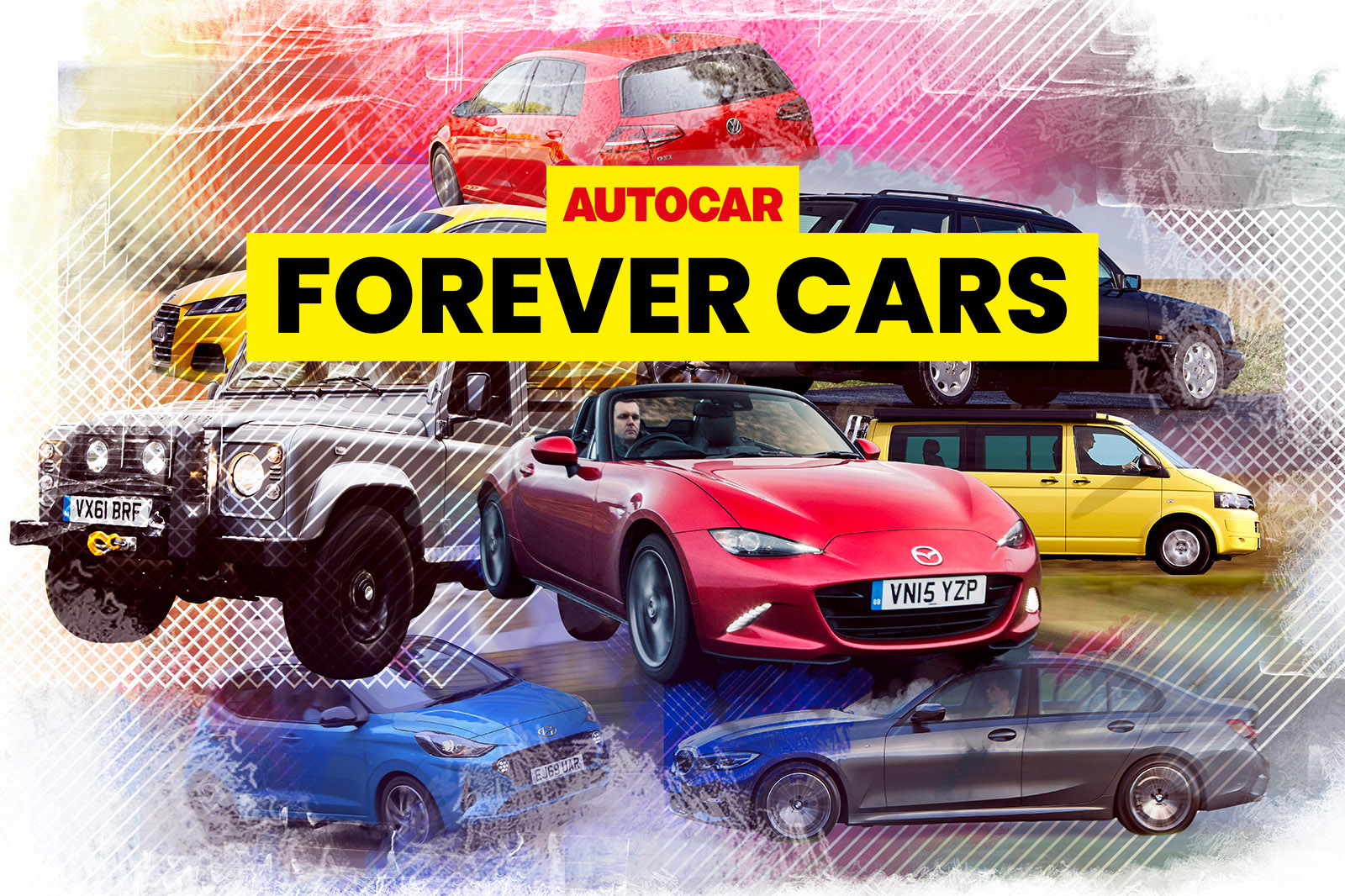
In an era marked by considerable global and economic flux, a growing segment of the automotive consumer base is actively seeking an enduring and dependable companion: the ‘forever car’. This concept transcends mere ownership, embodying a profound commitment to a vehicle that is not only expected to fulfill all present and future needs but also possesses the potential for lasting value, be it through future classic status, straightforward maintenance, or unwavering reliability. The current automotive landscape appears to be particularly conducive to this pursuit, with recent data indicating a significant improvement in the dependability of newer vehicles.
The latest What Car? Reliability Survey, a comprehensive analysis of vehicle ownership experiences, reveals a positive trend. Over the past seven years, the proportion of cars up to five years old experiencing malfunctions has declined from 27% to 22%. This represents a tangible improvement in manufacturing quality and design, offering consumers greater confidence in long-term vehicle ownership. This downward trajectory in reported issues suggests that modern vehicles are increasingly engineered for longevity and reduced service requirements, aligning perfectly with the aspirations of those looking for a ‘forever car’.
The Evolving Definition of a ‘Forever Car’
The concept of a ‘forever car’ is multifaceted and deeply personal. For some, it represents a pragmatic choice driven by financial prudence and a desire to avoid the continuous cycle of depreciation and replacement associated with newer models. These individuals might prioritize robust engineering, readily available parts, and a straightforward mechanical design that simplifies maintenance and repairs, thereby minimizing long-term ownership costs. A car that is simple and easy to maintain can transform the ownership experience from a potential burden to a source of consistent satisfaction.
For others, the ‘forever car’ is an emotional investment. It might be a vehicle that evokes cherished memories, possesses timeless design aesthetics, or offers a driving experience that consistently delights. The anticipation of future classic status plays a role for a select group, where the car is seen not only as a mode of transport but also as an appreciating asset. This often points towards marques and models with a proven track record of holding their value and developing a cult following over time.
Ultimately, a ‘forever car’ is one that fosters a deep connection with its owner, creating a bond so strong that the thought of parting with it becomes unthinkable. It is a vehicle that consistently exceeds expectations, offering a sense of security, enjoyment, and unwavering performance throughout its extended service life.
Market Dynamics Favoring Long-Term Ownership
The current economic climate, characterized by inflation, supply chain disruptions, and general uncertainty, is a significant catalyst for the shift towards long-term vehicle ownership. The rising cost of new vehicles, coupled with fluctuating interest rates on financing, makes the proposition of investing in a car intended to last for a decade or more increasingly attractive. Consumers are recognizing the financial benefits of avoiding the initial, steep depreciation that afflicts most new cars within their first few years of ownership.
Furthermore, the increasing complexity of modern vehicles, while offering advanced features and technology, can also present challenges in terms of maintenance and repair costs. The trend towards more integrated electronic systems and specialized components means that repairs can become more expensive and require specialized knowledge. This makes simpler, more mechanically robust vehicles, or those from manufacturers with a reputation for accessible and affordable parts and servicing, particularly appealing for those seeking a ‘forever car’.
Data Supporting Improved Reliability
The aforementioned What Car? Reliability Survey data provides a compelling statistical foundation for the ‘forever car’ proposition. The seven-year trend showing a decrease in breakdowns for cars under five years old from 27% to 22% is not an isolated incident but indicative of a broader industry-wide commitment to enhancing vehicle durability. This improvement can be attributed to several factors:
- Advancements in Manufacturing Processes: Manufacturers have invested heavily in sophisticated quality control measures and advanced manufacturing techniques. This includes greater automation, tighter tolerances, and more rigorous testing protocols at every stage of production.
- Material Science Innovations: The development and application of stronger, lighter, and more durable materials in vehicle construction contribute to increased longevity and reduced susceptibility to wear and tear.
- Refined Engineering and Design: Decades of automotive engineering experience, coupled with advanced simulation and testing technologies, have led to more robust and reliable powertrains, chassis components, and electrical systems.
- Increased Focus on Powertrain Durability: Modern engines and transmissions are designed to operate efficiently and reliably for significantly longer mileages than their predecessors, often exceeding 200,000 miles with proper maintenance.
- Software Optimization: While complex, the software governing vehicle systems is also subject to continuous refinement, leading to fewer glitches and more stable operation of electronic components.
Potential Candidates for the ‘Forever Car’ Pantheon
While the ultimate ‘forever car’ is a subjective choice, certain categories and specific models consistently emerge as strong contenders based on their inherent qualities:
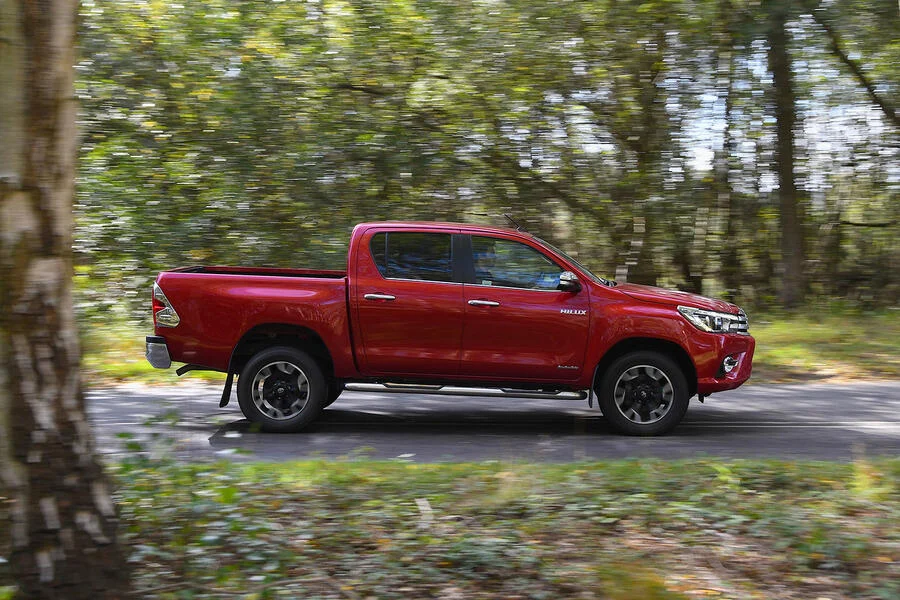
- Japanese Reliability Staples: Brands such as Toyota and Honda have long been synonymous with exceptional reliability and durability. Models like the Toyota Camry, Corolla, and RAV4, along with the Honda Civic and CR-V, frequently top reliability charts. Their widespread availability of parts, straightforward engineering, and proven track records make them excellent long-term prospects.
- German Engineering Prowess: While often associated with higher purchase prices and potentially more complex maintenance, certain German marques offer vehicles that are built to last and can be exceptionally rewarding long-term if properly cared for. Models from brands like BMW and Mercedes-Benz, particularly those from their more established eras or those with simpler engine configurations, can offer a blend of luxury, performance, and durability.
- Practical and Robust SUVs: The enduring popularity of SUVs is partly driven by their versatility and perceived robustness. Vehicles like the Subaru Outback, known for its all-wheel-drive capability and sturdy construction, or the Volvo XC90, celebrated for its safety and longevity, can serve as excellent long-term family vehicles.
- Future Classics with Strong Fundamentals: For those with an eye on future appreciation, certain models with a distinguished heritage and a dedicated following are worth considering. Examples might include certain generations of the Porsche 911, the Mazda MX-5 Miata for its pure driving pleasure and simple mechanics, or iconic models from brands like Land Rover, which, while requiring dedicated maintenance, offer unparalleled off-road capability and a timeless appeal.
The Importance of Maintenance and Care
Even the most reliable vehicle requires diligent care to fulfill its ‘forever car’ potential. A proactive approach to maintenance is paramount. This includes adhering to manufacturer-recommended service intervals for oil changes, fluid flushes, filter replacements, and inspections. Beyond scheduled maintenance, owners should be attentive to any unusual noises, vibrations, or warning lights, addressing potential issues promptly before they escalate into more significant and costly repairs.
Investing in quality parts and reputable service providers is also crucial. While saving money on cheap, aftermarket components might seem appealing in the short term, it can compromise the longevity and performance of the vehicle. Similarly, entrusting repairs to qualified mechanics who understand the specific nuances of the chosen vehicle can make a significant difference in its long-term health.
Broader Implications for the Automotive Industry
The growing consumer interest in ‘forever cars’ has several implications for the automotive industry:
- Shift in Marketing Focus: Manufacturers may need to adapt their marketing strategies to highlight long-term value, durability, and low cost of ownership, rather than solely focusing on the latest technological features or short-term incentives.
- Emphasis on Sustainability: The ‘forever car’ ethos aligns with principles of sustainability by reducing the need for constant manufacturing of new vehicles, thereby conserving resources and minimizing waste. This could lead to increased demand for vehicles designed for repairability and longevity.
- Aftermarket and Servicing Sector Growth: A larger fleet of older, well-maintained vehicles will likely spur growth in the aftermarket parts industry and independent servicing specialists who can cater to the specific needs of these enduring models.
- Potential for Extended Warranty Programs: Manufacturers might explore offering extended warranty programs or service plans that cater to owners intending to keep their vehicles for exceptionally long periods, further solidifying the ‘forever car’ proposition.
The pursuit of a ‘forever car’ is more than just a trend; it is a reflection of a consumer desire for stability, value, and enduring quality in a rapidly changing world. With improving reliability data and a favorable economic climate, the time has indeed never been better for discerning individuals to find a vehicle that they can truly commit to for the long haul. The satisfaction derived from owning a dependable, cherished automobile that stands the test of time is, for many, the ultimate automotive reward.