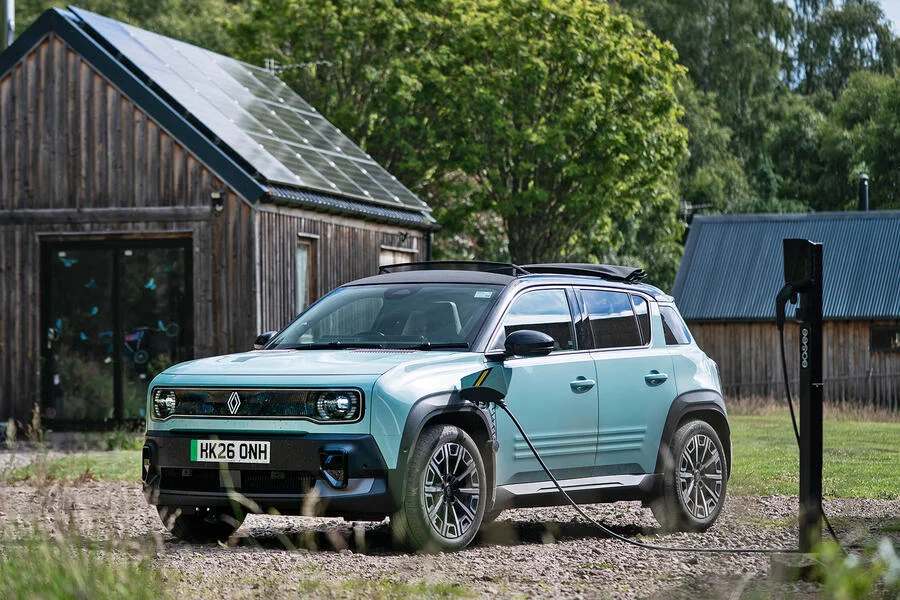
The ambitious Easee Sun Run, a pioneering attempt to circumnavigate the United Kingdom powered exclusively by solar energy, has encountered its first significant hurdle: a pervasive Cornish sea fog. This meteorological impediment has effectively masked the solar array, located a mere 100 meters away at Roskilly’s organic ice cream dairy, rendering it incapable of generating the substantial energy required to propel the electric Renault 4 on its arduous journey. The planned start time for this unprecedented challenge, which aims to demonstrate the viability of solar-powered long-distance electric vehicle travel across the nation, is now in serious jeopardy.
This initiative, spearheaded by Toby Roskilly, a proponent of sustainable energy solutions and the proprietor of the dairy farm, was designed to push the boundaries of current EV technology and renewable energy integration. The objective is to traverse approximately 1,000 miles of the UK’s varied landscape, relying solely on electricity generated by solar panels and stored within the vehicle’s battery. The initial setback highlights the inherent volatility of renewable energy sources and the critical need for robust energy management and storage solutions when undertaking such demanding expeditions.
The Genesis of the Easee Sun Run
The Easee Sun Run is not merely a stunt; it represents a significant experiment in practical, everyday electric vehicle adoption powered by localized renewable energy. The concept was born from a desire to prove that the increasing prevalence of electric vehicles can be seamlessly integrated with domestic and commercial solar power generation, even for extended journeys. The choice of a Renault 4, a classic and now reimagined electric model, is deliberate. It evokes a sense of nostalgia while embracing modern electric propulsion, making the challenge relatable and highlighting the potential for a wide range of vehicles to participate in such sustainable endeavors.
The initiative is supported by Easee, a company specializing in electric vehicle charging solutions, underscoring the broader ecosystem required to facilitate widespread EV adoption. The project aims to gather crucial data on energy generation, consumption, and the practicalities of charging an EV using only solar power in diverse weather conditions across the UK. This data is expected to be invaluable for future planning and technological development in the renewable energy and automotive sectors.
A Challenging Start: Fog and Frustration
The early morning light in Cornwall, typically a time of burgeoning solar potential, was instead shrouded in a dense sea fog. This meteorological phenomenon, common to the region, has significantly diminished the output of the solar panel array. On Toby Roskilly’s monitoring system, the energy being transmitted from the panels to the Renault 4 is shown to be "minuscule," falling far short of the requirements to commence the journey.
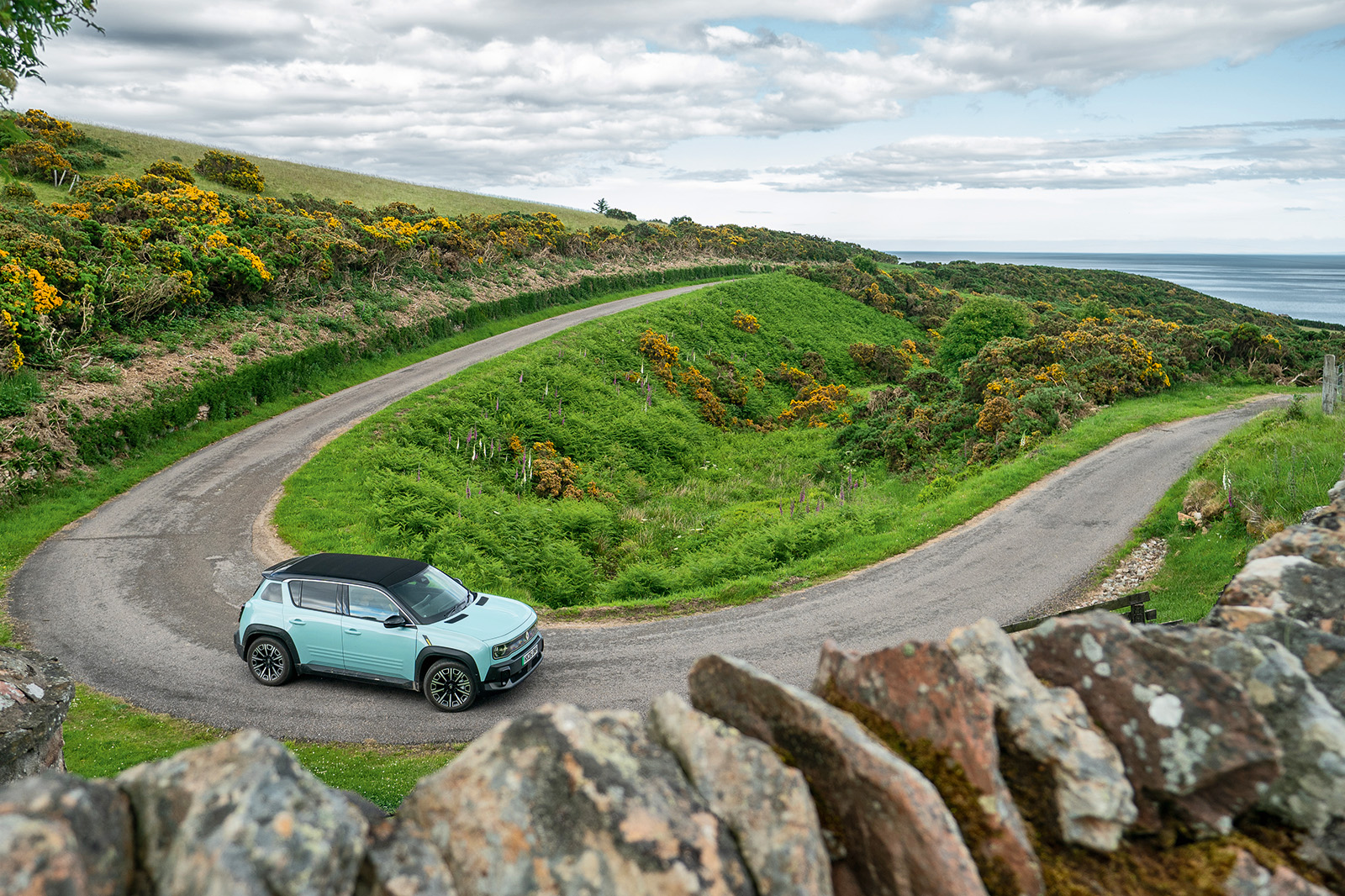
The initial attempt was scheduled to begin at dawn, capitalizing on the first available sunlight. However, the persistent fog has forced a delay, raising concerns about the feasibility of adhering to the planned itinerary. The success of the Easee Sun Run is intrinsically linked to consistent and sufficient solar irradiation, and this uncooperative weather serves as a stark reminder of the challenges faced by renewable energy projects dependent on natural elements.
The Journey Ahead: A 1,000-Mile Test
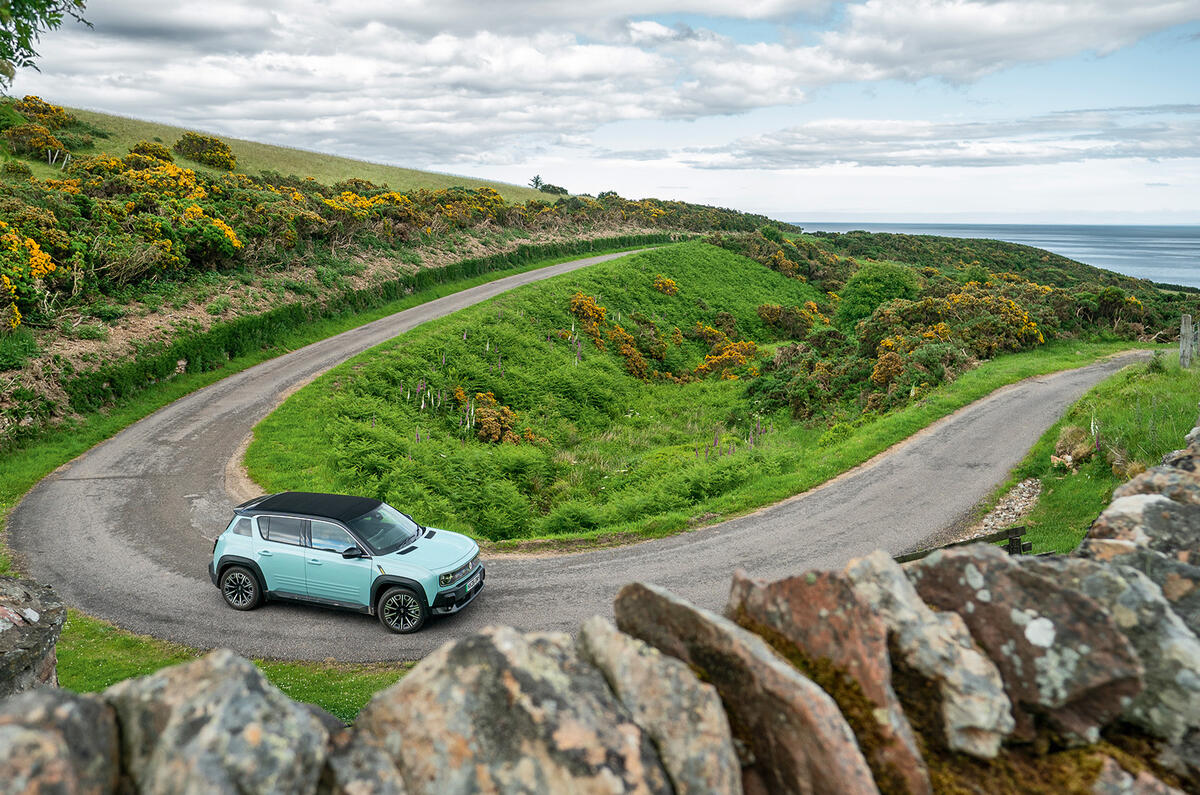
Should the fog lift and the journey commence, the route will span the entire length of the United Kingdom, presenting a diverse range of environmental and logistical challenges. From the rugged terrain of the southwest to the more varied landscapes of the Midlands and the potentially harsher weather systems of the North and Scotland, the electric Renault 4 will be tested at every turn. The journey will involve navigating varied topography, managing battery charge levels, and optimizing energy capture from solar sources along the way.
The planned route is estimated to be approximately 1,000 miles, a considerable distance for any electric vehicle, let alone one powered solely by intermittent solar generation. The success of the endeavor will depend not only on the efficiency of the vehicle and the solar technology but also on the strategic planning of charging stops, even if those stops are dictated by available sunlight rather than conventional charging infrastructure.
Supporting Data and Technological Considerations
The success of the Easee Sun Run hinges on several key technological factors. Firstly, the efficiency of the solar panels used is paramount. Modern photovoltaic panels can achieve efficiencies ranging from 15% to over 22%, and the performance of the specific array deployed will significantly influence the amount of energy generated. Secondly, the battery capacity of the electric Renault 4, coupled with its energy consumption rate (measured in kWh per mile), will determine the range achievable on a single charge. The vehicle’s aerodynamic design and weight will also play a crucial role in its energy efficiency.
Furthermore, the effectiveness of the energy management system will be critical. This system will need to intelligently balance energy generation from the solar panels, energy stored in the battery, and the energy required for propulsion. In scenarios of low solar generation, such as during the current fog, the system might need to rely solely on stored battery power, necessitating careful management to avoid depleting the charge prematurely. The incorporation of advanced battery technology, such as lithium-ion variants with high energy density, is also essential for maximizing range.
Background Context: The EV Revolution and Solar Power
The Easee Sun Run arrives at a pivotal moment in the global transition towards electric mobility and renewable energy. Governments worldwide are setting ambitious targets to reduce carbon emissions, with the automotive sector being a major focus. Electric vehicles are increasingly seen as a cornerstone of this transition, offering a cleaner alternative to internal combustion engine vehicles.
However, the environmental credentials of EVs are intrinsically linked to the source of the electricity used to charge them. Charging an EV with electricity generated from fossil fuels diminishes its overall environmental benefit. Initiatives like the Easee Sun Run champion the integration of EVs with renewable energy sources, such as solar and wind power, thereby maximizing their positive impact.
Solar power, in particular, has seen a dramatic reduction in costs over the past decade, making it an increasingly accessible and attractive option for both residential and commercial energy generation. The proliferation of rooftop solar panels and utility-scale solar farms is contributing significantly to the global energy mix. This project seeks to bridge the gap between stationary solar generation and mobile energy needs, demonstrating a future where EVs can be powered directly by the sun.
Potential Implications and Broader Impact
The success of the Easee Sun Run could have several significant implications:
- Enhanced Consumer Confidence: Demonstrating the feasibility of long-distance EV travel powered solely by solar energy could boost consumer confidence in electric vehicles, particularly for those concerned about range anxiety and charging infrastructure availability.
- Advancement in Renewable Energy Integration: The project will provide invaluable real-world data on the performance of solar energy systems in diverse weather conditions and their integration with EV charging. This data can inform the development of more efficient and reliable renewable energy solutions.
- Policy and Infrastructure Development: The findings could influence government policies and urban planning related to EV charging infrastructure and the promotion of renewable energy adoption. It could highlight the need for policies that encourage the integration of solar power at public charging stations and residential properties.
- Technological Innovation: The challenges encountered during the Easee Sun Run could spur innovation in battery technology, solar panel efficiency, and intelligent energy management systems, pushing the boundaries of what is currently achievable.
Official Responses and Stakeholder Reactions (Inferred)
While no direct official statements have been released regarding the current delay, it is logical to infer that Toby Roskilly and the Easee team are actively monitoring the situation and exploring contingency plans. Their commitment to the project suggests a determination to overcome this initial setback.
Discussions with renewable energy experts and EV manufacturers would likely reveal a keen interest in the data and outcomes of the Easee Sun Run. Industry professionals would be observing the project’s progress closely, as it offers a tangible demonstration of concepts they are actively developing and promoting. The success of such an initiative could validate current research and development efforts and potentially accelerate investment in related technologies.
Looking Forward: Resilience and Innovation
Despite the current meteorological challenge, the spirit of the Easee Sun Run remains undeterred. The initial fog serves as a potent reminder of the unpredictable nature of renewable energy but also underscores the importance of resilience and adaptability in pursuing sustainable goals. As the fog eventually lifts, the journey will undoubtedly continue, offering a compelling narrative of human ingenuity and technological advancement in the pursuit of a greener future. The lessons learned from this initial hurdle will be as valuable as the eventual success of the expedition, providing critical insights into the practicalities of solar-powered electric vehicle travel across the United Kingdom. The world will be watching to see if this pioneering endeavor can navigate the elements and achieve its ambitious goal.