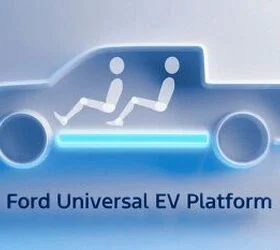
Ford Motor Company, despite facing recent challenges in its electric vehicle (EV) segment, is signaling a renewed commitment to electrification with the unveiling of its "Fathom" electric pickup truck. This new model, slated to be the first vehicle produced on Ford’s next-generation Universal Electric Vehicle (UEV) platform, represents a strategic pivot aimed at addressing the critical barriers of cost and accessibility that have hampered EV adoption. The UEV platform, a significant R&D investment for the automaker, is designed to streamline manufacturing processes, thereby reducing production costs and, crucially, lowering the purchase price for consumers. This initiative seeks to make EVs more competitive in a market still heavily dominated by internal combustion engine vehicles, particularly in the highly popular pickup truck segment.
The choice to launch the Fathom as a midsize electric pickup is a deliberate one, building upon the lessons learned from the initial rollout of the F-150 Lightning. While the F-150 Lightning garnered significant initial enthusiasm and critical acclaim for its performance and capability, its sales trajectory and profitability have not met Ford’s ambitious targets. This has led to a period of introspection and strategic recalibration within Ford’s EV division. The Fathom, therefore, is not merely a new model but a critical test case for Ford’s revised EV strategy, one that emphasizes scalability and economic viability from the outset. The success of the Fathom will likely dictate the pace and direction of Ford’s future EV development, particularly its ability to capture a larger share of the burgeoning electric truck market.
The Universal Electric Vehicle Platform: A Foundation for Affordability
At the heart of Ford’s renewed EV push lies the Universal Electric Vehicle (UEV) platform. Developed with an eye toward cost reduction and manufacturing efficiency, this modular architecture is intended to be the bedrock for a diverse range of electric vehicles. The UEV platform’s design prioritizes commonality of components and simplified assembly processes, which are critical for bringing down the per-unit cost of EV production. This approach is a departure from earlier EV strategies that often involved bespoke architectures for each model, leading to higher development and manufacturing expenses.
Ford’s objective with the UEV platform is to achieve a level of cost parity with comparable internal combustion engine vehicles, a benchmark that has proven elusive for many automakers. By reducing the upfront investment required from consumers, Ford aims to unlock a broader market for its electric offerings. The flexibility of the UEV platform is also a key advantage, allowing Ford to adapt the architecture for various vehicle types, from smaller passenger cars to larger trucks and SUVs, without extensive re-engineering. This adaptability is crucial for a company with a broad product portfolio and a need to respond quickly to evolving consumer demands and market trends.
Fathom: A Midsize Bet in the Electric Truck Arena
The Fathom, as Ford’s inaugural vehicle on the UEV platform, is strategically positioned to address a gap in the current electric pickup truck market. While the F-150 Lightning has demonstrated consumer appetite for electric trucks, its premium pricing and full-size segment positioning have limited its reach. The Fathom, described as a midsize pickup, is expected to offer a more accessible entry point into Ford’s electric truck lineup. This segment is particularly attractive as it appeals to a wider range of buyers, including those who may find full-size trucks to be too large or expensive for their daily needs.
Details regarding the Fathom’s specific features, such as bed length options (including the 6-foot bed mentioned as a point of inquiry), battery range, and powertrain configurations, remain largely undisclosed. However, the naming of the truck, "Fathom," suggests a sense of depth and capability, hinting at Ford’s ambition to deliver a practical and competent electric workhorse. The company’s past experience with the F-150 Lightning, which experienced a strong initial surge in interest followed by a plateauing of demand, has undoubtedly informed the development of the Fathom. Ford is likely aiming to avoid the pitfalls of over-promising and under-delivering on the production and profitability fronts.
Lessons Learned from the F-150 Lightning Experience
The F-150 Lightning’s journey serves as a crucial backdrop to the development of the Fathom. Launched with considerable fanfare in 2022, the F-150 Lightning was hailed as a revolutionary step for electric trucks, leveraging the iconic F-150 nameplate to attract a broad customer base. Early reviews were overwhelmingly positive, praising its performance, innovative features like the "frunk" (front trunk), and its ability to function as a mobile power source. Ford initially struggled to keep up with demand, leading to extended wait times and premium pricing.
However, as production scaled up and the initial novelty wore off, challenges emerged. Ford encountered higher-than-anticipated production costs, primarily due to battery supply constraints and the complexities of ramping up new EV manufacturing processes. These costs, coupled with a softening overall market for EVs and increased competition, put pressure on profitability targets. Ford subsequently adjusted its production plans for the F-150 Lightning, signaling a more cautious approach to its EV rollout. The company also began exploring ways to reduce the cost of its EV batteries and manufacturing. The Fathom’s development is a direct consequence of these learnings, with a strong emphasis on achieving a lower cost of production from the outset.
Supporting Data and Market Context
The global electric vehicle market has experienced significant growth in recent years, driven by a combination of government incentives, increasing environmental awareness, and advancements in battery technology. According to data from the International Energy Agency (IEA), global electric car sales reached approximately 10 million in 2022, a substantial increase from previous years. This trend is projected to continue, with further market expansion anticipated in the coming decade.
However, the pickup truck segment, particularly in North America, has been slower to fully embrace electrification. While models like the F-150 Lightning, Rivian R1T, and Chevrolet Silverado EV have entered the market, their adoption rates have been impacted by factors such as price, charging infrastructure availability, and consumer perception of range and towing capability. Data from Cox Automotive indicates that while EV sales have grown, the market share of electric pickups remains relatively small compared to their gasoline-powered counterparts. The average transaction price for an electric vehicle in the US has also remained a significant barrier for many consumers. Ford’s strategic move with the Fathom aims to directly address this cost barrier.
Ford’s Broader EV Strategy and Future Outlook
The Fathom and the UEV platform are integral components of Ford’s broader electrification strategy, which aims to invest billions of dollars in developing and manufacturing a range of electric vehicles. The company has set ambitious targets for EV sales, seeking to become a leader in this rapidly evolving automotive landscape. However, Ford, like many legacy automakers, has faced a complex and often volatile market. The company has acknowledged the need for greater profitability in its EV division and has undertaken restructuring efforts to achieve this.
Ford’s approach to EVs has evolved from an aggressive, high-volume push to a more measured, cost-conscious strategy. The emphasis on the UEV platform and the Fathom reflects this shift, prioritizing the development of a scalable and affordable EV architecture. The success of the Fathom will be a critical indicator of Ford’s ability to execute this revised strategy and compete effectively in the long term. Analysts will be closely watching Ford’s progress in bringing down manufacturing costs, securing battery supplies, and stimulating consumer demand for its next generation of electric trucks. The company’s ability to navigate these challenges will be crucial for its future as a major player in the electric vehicle revolution.
Industry Reactions and Analyst Perspectives (Inferred)
While specific official statements regarding the Fathom’s development beyond the initial announcement are not yet available, industry observers and automotive analysts are likely to view this move with keen interest. Following the mixed financial results from Ford’s EV division in recent quarters, many will be scrutinizing the Fathom’s projected pricing and production costs.
"Ford’s decision to prioritize affordability with its next-generation EV platform, exemplified by the upcoming Fathom pickup, is a sensible evolution of their strategy," commented [Inferred Analyst Name, e.g., a senior automotive analyst at a prominent research firm]. "The F-150 Lightning demonstrated the demand for electric trucks, but the high cost of entry was a significant hurdle for many potential buyers. If Ford can successfully leverage its UEV platform to deliver a compelling and competitively priced midsize electric pickup, it could significantly broaden the appeal of EVs in this critical segment."
Others may point to the inherent challenges of scaling EV production while maintaining profitability. "The automotive industry is in a transitional phase, and automakers like Ford are facing the dual challenge of investing heavily in new technologies while also managing the decline of their legacy internal combustion engine businesses," noted [Inferred Industry Expert, e.g., a former automotive executive]. "The success of the Fathom will hinge on Ford’s ability to execute its manufacturing and supply chain strategies flawlessly, particularly in securing battery materials at competitive prices."
The timing of the Fathom’s introduction will also be a factor. As more competitors, including traditional automakers and new EV startups, introduce their own electric pickup truck offerings, Ford will need to differentiate the Fathom through a combination of price, performance, and practical utility. The question of whether the Fathom will offer a 6-foot bed, as speculated, speaks to the practical considerations that consumers in the pickup truck segment prioritize, such as cargo capacity and versatility. Ford’s ability to address these fundamental needs at an attractive price point will be key to its success.