The rapid integration of artificial intelligence into the fabric of modern society has moved from the realm of science fiction to a daily reality for the world’s youth. From the algorithmic recommendation engines of TikTok and Instagram to the sophisticated generative tools used for homework and creative projects, AI is an omnipresent force. However, the application of these technologies extends far beyond entertainment, playing a critical role in addressing global crises such as climate change, flood forecasting, and environmental monitoring. Recognizing this shift, the Raspberry Pi Foundation, in collaboration with Google DeepMind and other global partners, has launched a comprehensive suite of free, themed resources designed to integrate AI literacy across the entire school curriculum, rather than confining it to the computer science lab.
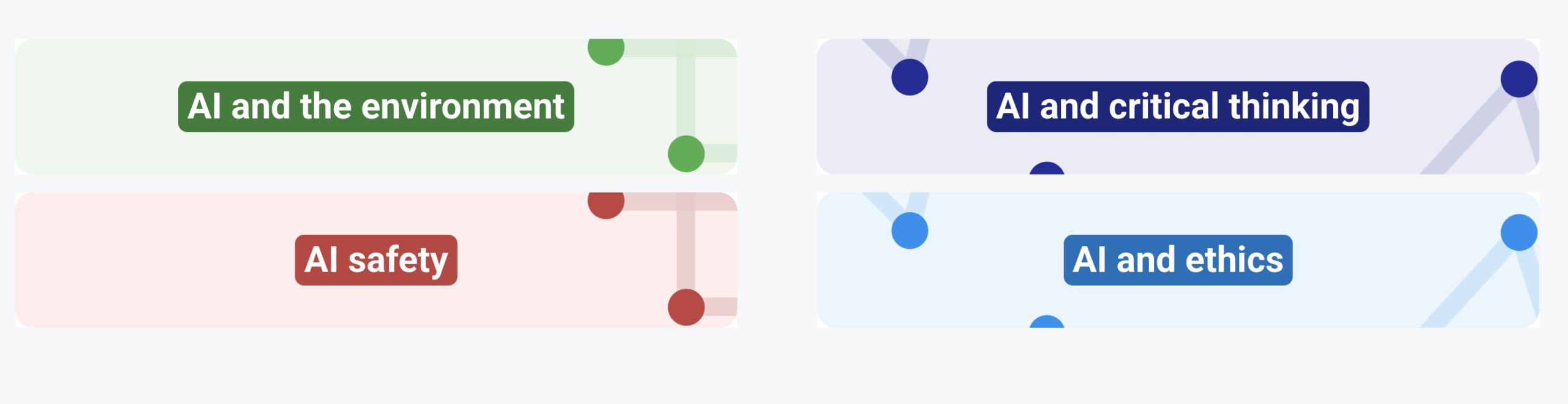
This initiative, known as Experience AI, seeks to dismantle the notion that AI education is the sole province of STEM (Science, Technology, Engineering, and Mathematics) subjects. By providing materials that explore the scientific, geographical, social, creative, and ethical dimensions of AI, the program aims to equip students aged 8 to 16 with the critical thinking skills necessary to navigate an increasingly automated world. The newly released resources are organized around three core pillars: the environment, critical thinking, and ethics.
The Evolution of AI Literacy in Education
The launch of these themed resources marks a significant milestone in the evolution of digital education. Traditionally, technological literacy focused on "how to build" or "how to code." However, as AI systems become more complex and their inner workings more opaque—often referred to as the "black box" problem—the educational focus has shifted toward "how to use" and "how to question."
The development process for these resources involved extensive consultation with educators and international partners. Initial plans to create subject-specific materials were set aside in favor of a more flexible, thematic approach. This decision was driven by the realization that educational curricula vary significantly across international borders and that AI technology itself is inherently interdisciplinary. A single AI application, such as a facial recognition system, can simultaneously raise questions about mathematical probability, social justice, historical bias, and biological data.
To ensure the resources were grounded in real-world pedagogy, the Raspberry Pi Foundation partnered with Digital Moment, a Canadian non-profit focused on digital literacy. This partnership allowed for rigorous testing in diverse classroom environments before the global rollout. The results of these trials suggested that students were not only capable of understanding complex algorithmic concepts but were also eager to apply this knowledge to their own digital habits.
Thematic Pillars: Environment, Critical Thinking, and Ethics
The new Experience AI resources are structured to allow teachers to plug AI concepts into existing lesson plans without requiring them to become technical experts.
AI and the Environment
In the environmental theme, students explore how AI is utilized to monitor biodiversity and predict natural disasters. For instance, AI models can analyze vast amounts of satellite data to forecast floods with greater accuracy than traditional meteorological methods. By studying these applications, students gain a concrete understanding of how data science serves as a tool for global sustainability. This theme bridges the gap between geography and technology, showing that AI is a vital component of modern environmental stewardship.
Critical Thinking and Social Media
Perhaps the most immediate application for young learners is the exploration of social media algorithms. Using tools like "Somekone"—a closed social media simulation developed for the classroom—students can experiment with how their interactions, such as "liking" a post or lingering on a video, influence the content they are subsequently shown. This hands-on experience demystifies the "For You" page, transforming it from a mysterious feed into a visible data-driven process. The goal is to foster a sense of agency, helping students realize that their digital footprint directly shapes their online experience.
Ethics and Human Impact
The ethics theme delves into the deeper implications of AI on society. It encourages students to ask who benefits from AI, who might be harmed, and what biases might be embedded in the data used to train these systems. This area of study is particularly relevant for humanities and arts subjects, where the focus is on the human condition and the cultural impact of new technologies.
Global Perspectives and Expert Endorsements
The necessity of a cross-curricular approach is echoed by academic and professional experts across various fields. Dr. Becky Kitchen, Head of Professional Development at the Geographical Association, emphasizes that AI literacy is no longer optional. "Pupils are increasingly coming into contact with AI, and so it’s vital that they are taught how to harness its power in an effective and critical way," Kitchen stated. She noted that the new resources successfully develop geographical knowledge while exploring AI’s role in a "meaningful and concrete way."
The sentiment is shared by the arts community. Professor Geoff Cox of London South Bank University argues that leaving AI literacy solely to STEM subjects misses a vital opportunity to explore deeper cultural questions. "Art is uniquely equipped to explore these deeper human and ethical questions," Cox remarked. He highlighted that the Experience AI resources move between visual analysis, practical activity, and critical reflection, which he believes is the only way to develop true AI literacy.

Classroom Case Studies: Lessons from the Field
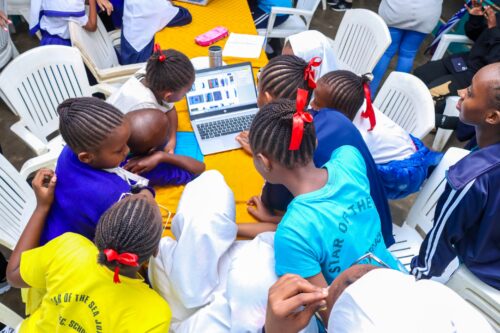
The practical utility of these resources was demonstrated in Canadian classrooms earlier this year. Sandra Theobald, a Grade 8 teacher, utilized the AI and social media activities to challenge her students’ assumptions. Despite being "digital natives," many students were surprised to see the direct correlation between their behavior and the data harvested by algorithms. Theobald observed that the activities prompted students to make new connections, leading to increased confidence in navigating digital spaces. Her advice to other educators is to "learn alongside your students," emphasizing that teachers do not need to be experts to facilitate meaningful discussions.
Similarly, Colin McKenzie, who teaches Grades 7 and 8, found that the social media simulation captured his students’ attention in a way that traditional lectures could not. By using the Somekone platform, students were able to look "behind the scenes" of a digital interface. McKenzie noted that the activity integrated seamlessly into his existing curriculum on online safety and digital citizenship. "It is a powerful and easy resource for teachers to use," McKenzie said, adding that he intends to make the unit a permanent part of his annual teaching plan.
Data and Context: The Growing Need for AI Education
The launch of these resources comes at a time of significant transition in the global labor market and educational landscape. According to a 2023 report by the World Economic Forum, AI and machine learning specialists are among the fastest-growing job roles globally. However, the "AI divide"—the gap between those who understand how to use AI and those who do not—threatens to exacerbate existing social inequalities.
A recent survey by UNESCO highlighted that while many countries are beginning to integrate AI into their national curricula, there remains a critical shortage of trained teachers and high-quality, free resources. The Experience AI initiative addresses this gap by providing high-quality materials co-developed by industry leaders like Google DeepMind and pedagogical experts at the Raspberry Pi Foundation. By making these resources free and flexible, the program ensures that schools with limited budgets can still provide their students with a world-class AI education.

Broader Implications and Future Outlook
The long-term goal of the Experience AI program is to move beyond the current "hype cycle" of generative AI and build a foundation of durable knowledge. As AI technologies continue to evolve, the specific tools students use today may become obsolete, but the underlying principles of data literacy, algorithmic bias, and ethical reasoning will remain relevant.
Furthermore, by integrating AI into subjects like art, geography, and social studies, the program helps to diversify the pipeline of future AI creators. If students from all backgrounds and interests—not just those interested in coding—understand the potential and pitfalls of AI, the next generation of innovators will be better equipped to build systems that are equitable and beneficial for all.
Indra Kubicek, CEO of Digital Moment, summarized the stakes: "Building the next generation of creators, builders, and innovators who will shape the future of AI starts with AI education in the classroom."
As the Raspberry Pi Foundation and its partners continue to expand the Experience AI collection, the focus remains on empowering educators. The message is clear: AI literacy is not a new subject to be added to a crowded schedule; it is a lens through which all existing subjects can be viewed. By providing the tools to explore this lens, the initiative ensures that young people are not just passive consumers of technology, but informed, critical, and active participants in a digital future.

The new themed resources are now available for download on the Experience AI website, offering a starting point for educators worldwide to bring the complexities of the modern digital world into the classroom in an accessible, impactful way.