Ford gave franchise dealers an early glimpse at a new entry-level crossover during a recent meeting in Las Vegas, showcasing preliminary design concepts for an affordable subcompact expected to launch around 2029 with a target starting price of $25,000.
The automotive landscape is in constant flux, with manufacturers perpetually seeking to fill market gaps and cater to evolving consumer demands. Ford, a titan of the industry with a storied history in various vehicle segments, appears poised to re-enter the highly competitive and increasingly important affordable subcompact crossover market. This strategic move, revealed through an exclusive dealer preview in Las Vegas, signals a deliberate effort to re-establish a more accessible entry point for brand-loyal customers and attract a new generation of buyers. The forthcoming model, anticipated to debut around the 2029 model year, is targeting a compelling starting price of $25,000, a figure that could significantly disrupt the segment and offer a much-needed value proposition.
A Bold Design Vision Emerges
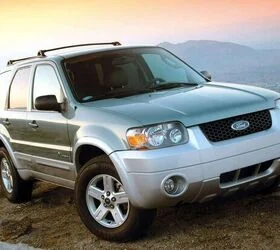
According to insider reports from Automotive News, the presentation to Ford’s franchise dealers offered a vivid look at the preliminary design concepts for this new crossover. Executives showcased video mockups that depicted a vehicle with a distinctively wide and upright stance. The proportions were described as "blocky," drawing a notable parallel to the design language of the original, first-generation Ford Escape. This stylistic direction represents a significant departure from the sleeker, more aerodynamic lines that have characterized the outgoing Escape model. Instead, the new subcompact appears to be embracing an aesthetic that aligns more closely with the robust and confident design language seen across Ford’s current SUV portfolio, including popular models like the Bronco and Explorer. This intentional visual integration aims to create a cohesive brand identity while signaling a renewed focus on practicality and rugged appeal, even within the subcompact segment. The emphasis on upright proportions and blocky elements suggests a design that prioritizes interior space and a commanding road presence, key attributes for crossover buyers.
Filling a Crucial Void in Ford’s Lineup
The strategic placement of this new subcompact crossover is critical to Ford’s North American product strategy. It is slated to slot in beneath the highly successful Maverick pickup truck, effectively occupying the very bottom rung of Ford’s extensive SUV and truck offerings in the region. This move is particularly significant as it will finally re-establish a lower-priced entry point for the Ford brand. For some time, the absence of a truly affordable crossover has been a notable gap in Ford’s portfolio. The outgoing Ford Escape, once a staple in the compact crossover segment, has been discontinued, leaving a void that the Bronco Sport, with its starting price now exceeding $30,000, cannot adequately fill for budget-conscious consumers. The Bronco Sport, while appealing to a specific niche with its off-road-inspired styling and capabilities, is priced out of reach for many seeking a more fundamental and cost-effective crossover solution. This new subcompact is designed to directly address that market segment, offering a more attainable gateway into the Ford brand for a wider demographic.
Powertrain Strategy: Combustion and Hybrid Focus
In a notable divergence from the company’s burgeoning electric vehicle initiatives, this new subcompact SUV will not be built on Ford’s dedicated Universal EV architecture. Instead, it will leverage traditional internal-combustion engines and hybrid powertrains. This approach suggests a pragmatic strategy focused on cost-effectiveness and broad market appeal. The powertrains are expected to be similar to those offered in the outgoing Ford Escape, indicating a reliance on proven and familiar technology. Crucially, Ford plans to offer both pure combustion and hybrid variants of the new model independently. This dual-powertrain strategy is a significant advantage, allowing consumers to choose the option that best suits their driving needs, budget, and environmental considerations. The hybrid option, in particular, will appeal to a growing segment of environmentally conscious buyers who are seeking improved fuel efficiency without the higher price point and charging infrastructure considerations associated with full electric vehicles. The availability of a well-executed hybrid variant could prove to be a key differentiator in this price-sensitive segment.
Production Timeline and Location
The assembly of this highly anticipated subcompact crossover is projected to commence in 2029. Ford has designated its Hermosillo Assembly Plant in Mexico as the production hub for this new model. This facility currently plays a vital role in Ford’s manufacturing network, as it is also responsible for building the Bronco Sport and the Maverick pickup truck. The co-location of these three popular models at the Hermosillo plant suggests potential manufacturing efficiencies and synergies, leveraging existing infrastructure and expertise. While Ford executives did not officially reveal a model name or definitive production specifications during the dealer meeting, the preliminary information strongly suggests that this new vehicle is, in many ways, a spiritual successor to the Ford Escape that was discontinued at the end of the 2025 model year. The emphasis on affordability, practical crossover styling, and traditional powertrains points towards a vehicle designed to recapture the market segment previously occupied by the Escape.
Strategic Implications and Market Context
The re-entry into the affordable subcompact crossover segment by Ford is a strategic imperative driven by several key market trends. The crossover utility vehicle (CUV) segment, particularly at the subcompact and compact levels, has experienced robust growth in recent years, driven by consumer preference for higher driving positions, versatile cargo space, and a perceived sense of safety. Data from industry analysis firms consistently shows that these segments are among the fastest-growing in the automotive market. For instance, the subcompact SUV segment in North America has seen consistent year-over-year sales increases, with new entrants often finding strong demand.
Ford’s decision to target a $25,000 starting price is particularly noteworthy. This price point places the new model directly in competition with established players like the Honda HR-V, Toyota Corolla Cross, and Chevrolet Trax, all of which have successfully captured market share by offering compelling value. The Chevrolet Trax, in particular, has seen a significant surge in sales following its redesign and aggressive pricing strategy, demonstrating the strong demand for sub-$25,000 crossovers. Ford’s ability to deliver a well-designed, feature-rich, and reliably built vehicle at this price point could significantly shift market dynamics.
The discontinuation of the Escape left a considerable void in Ford’s North American lineup. While the Bronco Sport caters to a more adventurous and premium buyer, it doesn’t address the needs of the cost-conscious consumer looking for a practical daily driver. The Maverick pickup, while successful, appeals to a different buyer profile. By introducing this new subcompact, Ford is not only filling this gap but also strengthening its overall product portfolio, making the brand accessible to a broader range of customers.
The choice of traditional powertrains for this model, rather than a dedicated EV platform, is a pragmatic business decision. While Ford is investing heavily in electrification, the current market realities for subcompact vehicles suggest that a significant portion of buyers at this price point are not yet ready or able to make the transition to electric vehicles due to cost, charging infrastructure concerns, or a lack of charging access. Offering efficient internal-combustion and hybrid options ensures broader market penetration and immediate sales volume without the higher development and production costs associated with a ground-up EV design for this specific segment. This strategy allows Ford to cater to diverse customer needs and preferences while continuing its long-term electrification goals with other models.
The choice of the Hermosillo Assembly Plant in Mexico for production is also strategically sound. Mexico has become a crucial manufacturing hub for the automotive industry due to its skilled workforce, competitive labor costs, and proximity to the North American market. Co-locating the production of the Bronco Sport, Maverick, and this new subcompact crossover can lead to significant economies of scale in terms of parts sourcing, logistics, and manufacturing processes, ultimately contributing to keeping the vehicle’s price point competitive.
Potential Challenges and Opportunities
The subcompact crossover segment is fiercely competitive. Ford will need to differentiate its offering through a combination of distinctive styling, robust feature sets, competitive pricing, and strong marketing efforts. The design inspiration from the original Escape suggests a focus on practicality and a slightly more rugged aesthetic than some competitors, which could resonate with buyers looking for a no-nonsense, durable vehicle.
Furthermore, Ford’s reputation for building reliable and capable trucks and SUVs is a significant asset. Leveraging this established brand equity will be crucial in convincing consumers to choose their new subcompact offering over established rivals. The success of the Maverick pickup has demonstrated Ford’s ability to introduce a new, value-oriented vehicle that captures significant market attention.
The long lead time until the 2029 launch provides Ford with ample opportunity to refine the design, engineering, and manufacturing processes. This extended development period can allow for thorough market research, consumer testing, and the integration of the latest technologies and safety features, ensuring the final product is competitive and meets consumer expectations.
Broader Industry Impact
Ford’s strategic move to re-enter the affordable subcompact crossover segment with a competitively priced, conventionally powered vehicle has broader implications for the automotive industry. It signals that despite the rapid push towards electrification, there remains a substantial and profitable market for well-executed, value-oriented internal-combustion and hybrid vehicles, particularly in entry-level segments. This approach may encourage other manufacturers to re-evaluate their strategies for these segments, potentially leading to a renewed focus on affordable and practical CUVs that cater to a wider demographic. The success of this new model could also influence the development of future generations of affordable vehicles across the industry, emphasizing the enduring importance of value and practicality in the automotive market. The continued evolution of Ford’s lineup, balancing its commitment to electrification with the pragmatic needs of its diverse customer base, will be closely watched by industry observers and consumers alike.