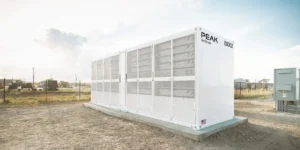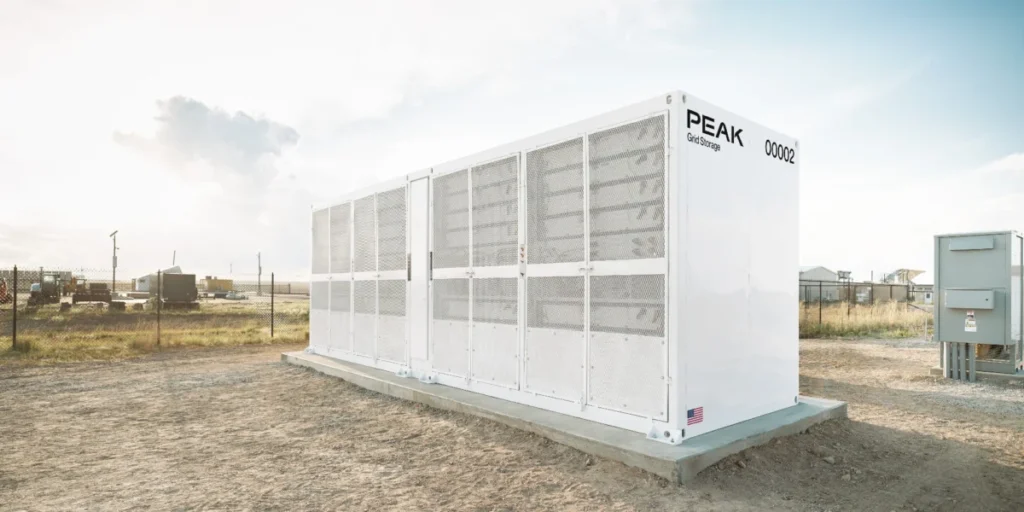
General Motors (GM) is making a significant strategic move into the burgeoning energy storage market through a partnership with Peak Energy, a company focused on developing advanced sodium-ion battery technology. This collaboration, announced on June 10, 2026, with an accompanying strategic investment from GM Ventures, signals a decisive pivot for GM’s battery innovation efforts, directing them away from electric vehicles (EVs) and towards stationary grid-scale applications. The focus will be on developing next-generation sodium-ion battery cells, with GM leading the cell development and manufacturing rights, while Peak Energy will integrate these cells into its innovative battery storage systems.
This alliance is poised to address a critical and rapidly expanding sector of the energy landscape. Utilities worldwide are increasingly deploying battery storage solutions to manage the intermittency of renewable energy sources, accommodate rising electricity demand, and support the immense power needs of burgeoning data centers and artificial intelligence (AI) infrastructure. While lithium-iron phosphate (LFP) batteries currently dominate the stationary storage market, Peak Energy asserts that sodium-ion technology offers a compelling, lower-cost alternative, particularly for grid applications where the extreme energy density required for vehicles is less of a priority than cost-effectiveness, inherent safety, and long-term reliability.
The partnership leverages GM’s extensive battery research and development capabilities, with the company set to develop the advanced sodium-ion cells within its Michigan battery laboratories. This domestic development and manufacturing focus aligns with broader industrial strategies aimed at strengthening North American supply chains. Peak Energy, in turn, will be responsible for integrating these newly developed cells into its own battery storage systems, a crucial step as the company scales up its US manufacturing operations.
The strategic investment from GM Ventures underscores the automotive giant’s commitment to this new venture and its belief in Peak Energy’s technological vision. This financial backing is expected to accelerate Peak Energy’s growth and solidify its position in the competitive energy storage market.
The Case for Sodium-Ion in Grid Storage
Peak Energy’s core proposition hinges on the inherent advantages of sodium-ion chemistry for grid-scale applications. Unlike EVs, where maximizing the miles per charge necessitates high energy density—a domain where lithium-ion chemistries currently excel—grid storage prioritizes factors such as cost per kilowatt-hour, longevity, safety, and the ability to operate reliably under varying environmental conditions.
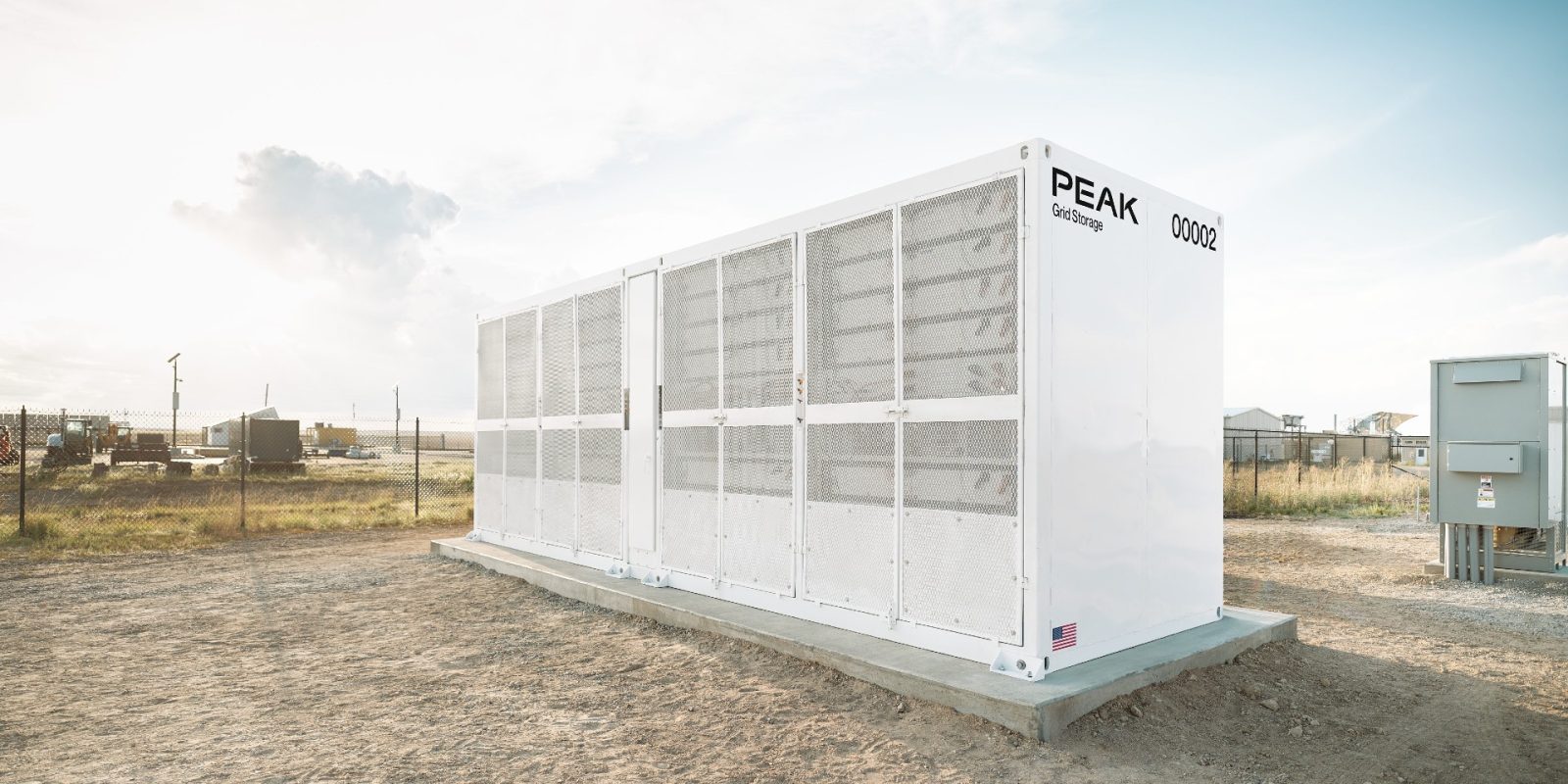
A key differentiator for Peak Energy is its proprietary passively cooled battery storage platform. Traditional grid-scale battery systems, including those utilizing LFP technology, often require complex and costly active cooling systems to maintain optimal operating temperatures and ensure safety. These active cooling mechanisms add significant capital expenditure, increase operational complexity, and consume energy themselves, thereby reducing overall system efficiency. Peak Energy’s passively cooled design aims to eliminate this need entirely, offering a simpler, more cost-effective, and inherently more efficient solution.
The company claims that its sodium-ion platform can achieve a 20% reduction in energy storage costs compared to conventional systems. This cost advantage, coupled with an operational uptime exceeding 99%, presents a formidable economic and performance case for utilities and grid operators. Furthermore, Peak Energy estimates that the widespread adoption of its passively cooled technology, replacing conventional LFP storage systems, could lead to substantial energy savings across the United States. The company projects that up to 2 terawatt-hours (TWh) of annual battery storage energy waste could be eliminated, a volume of electricity sufficient to power a mid-sized American city for an entire year. This efficiency gain not only translates to cost savings but also contributes to a more sustainable and optimized energy grid.
GM’s Strategic Vision and Official Statements
Kurt Kelty, GM’s Vice President of Battery and Sustainability, articulated the company’s rationale behind prioritizing sodium-ion for stationary storage. "At GM, we know that the application should determine the battery, and for grid-scale stationary storage, sodium-ion is the right solution," Kelty stated. He emphasized Peak Energy’s existing success in demonstrating the value of sodium-ion technology through its innovative storage platform. "Together, we’re working to push those benefits even further with our next-generation cell – helping deliver more reliable, lower-cost energy storage at scale for the U.S. grid."
This statement highlights a pragmatic approach by GM, recognizing that different battery chemistries are best suited for distinct applications. While lithium-ion remains the benchmark for EVs, the inherent material abundance and lower cost of sodium-ion make it an attractive candidate for the massive deployments required for grid stabilization and renewable energy integration.

Market Context and Future Outlook
While sodium-ion batteries currently represent a small fraction of the global battery market, interest in the technology is surging. This growing attention is driven by the use of more abundant and less expensive raw materials compared to lithium. The ability to source materials like sodium and iron more readily and at lower costs than lithium and cobalt provides a distinct economic advantage, particularly as global demand for batteries continues to escalate across various sectors.
GM and Peak Energy are betting that these fundamental advantages will propel sodium-ion to become an increasingly significant player in large-scale energy storage. The partnership aims to accelerate this transition by developing higher-performance cells and integrating them into robust, cost-effective storage systems. It is crucial to note, however, that GM has explicitly stated that sodium-ion battery cells are not being developed for EVs due to their current energy density limitations, reinforcing the targeted application of this technology.
Funding Boost for Peak Energy
Further solidifying the partnership and Peak Energy’s trajectory, an update on October 23, 2026, revealed that the company had successfully raised $108 million in an oversubscribed Series B funding round. This significant investment was led by GM Ventures, with crucial participation from LG Technology Ventures and other strategic investors.
This substantial funding infusion is earmarked for several key initiatives: expanding Peak Energy’s U.S. manufacturing capacity, fulfilling an impressive backlog of customer orders exceeding $1 billion, and strategically deploying its passively cooled energy storage systems into the highly demanding data center market. The data center sector, with its insatiable appetite for reliable and scalable power, represents a significant growth opportunity for advanced energy storage solutions.
Broader Implications for the Energy Sector
The GM-Peak Energy collaboration signifies a broader trend of diversification in battery technologies for grid-scale applications. As the world grapples with the dual challenges of decarbonization and increasing energy demand, innovative and cost-effective energy storage solutions are paramount. Sodium-ion batteries, with their inherent cost advantages and reliance on abundant materials, are well-positioned to play a pivotal role in this transition.

This partnership could catalyze further investment and research into sodium-ion technology, potentially leading to breakthroughs in cell performance, lifespan, and manufacturing efficiency. The focus on domestic development and manufacturing also contributes to energy security and economic growth within the United States.
The implications extend beyond mere cost reduction. The ability of passively cooled systems to reduce energy waste contributes to overall grid efficiency and sustainability. As more renewable energy sources are integrated into the grid, sophisticated storage solutions become essential for maintaining grid stability and reliability. The success of this venture could pave the way for wider adoption of sodium-ion technology, enabling a more resilient, affordable, and sustainable energy future.
The strategic alignment between a major automotive manufacturer like GM, with its deep understanding of battery technology and manufacturing scale, and an agile innovator like Peak Energy, focused on next-generation grid storage, presents a powerful model for driving innovation in the energy sector. The coming years will be critical in observing how this partnership evolves and its impact on the global energy storage landscape.