The evolution of H. Moser & Cie. is a fascinating case study in modern brand building within the highly traditional haute horlogerie sector. Known for its distinctive approach that deliberately sidesteps conventional branding strategies, Moser has cultivated a unique identity characterized by audacious innovation, a deep respect for horological craftsmanship, and a healthy dose of provocative humor. This strategy, spearheaded by the Meylan family since their acquisition of the company in 2012, has transformed Moser from a purveyor of classical timepieces into a dynamic force that consistently challenges industry norms and captivates collectors.
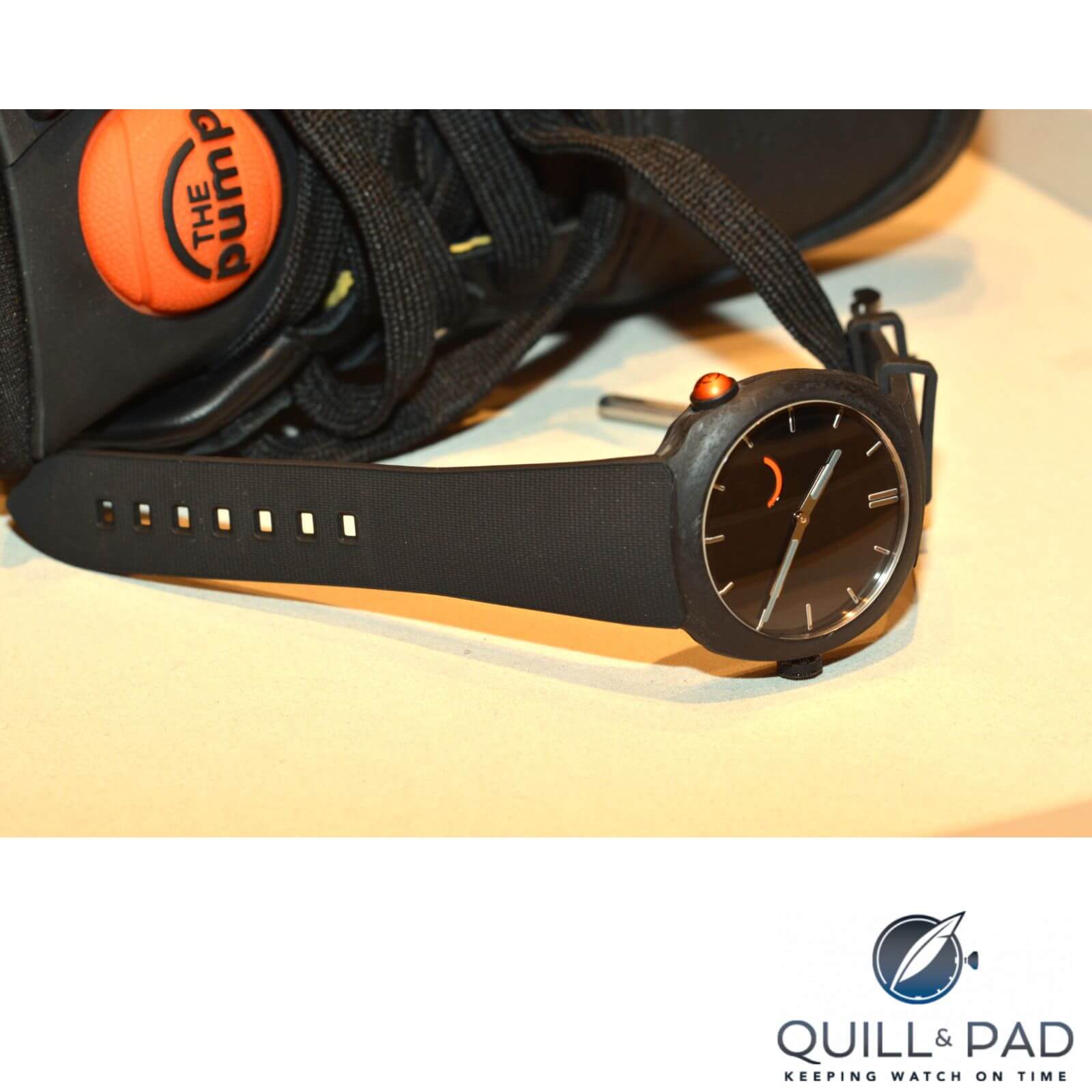
The brand’s recent presence at Watches & Wonders 2026, held at the Palexpo in Geneva, underscored its ascendant status. No longer confined to the Carré des Horlogers, where independent brands typically exhibit, Moser now occupies a prominent position amongst the industry’s titans. Their booth, designed with an airy, art-gallery aesthetic, drew significant attention, particularly for the unveiling of their latest creation: the "Pump." This timepiece, presented in striking black and white iterations, immediately commanded attention with its sleek, modern design and a distinctive, incongruous orange protrusion at the 8 o’clock position, reminiscent of a remora fish clinging to a larger marine creature.
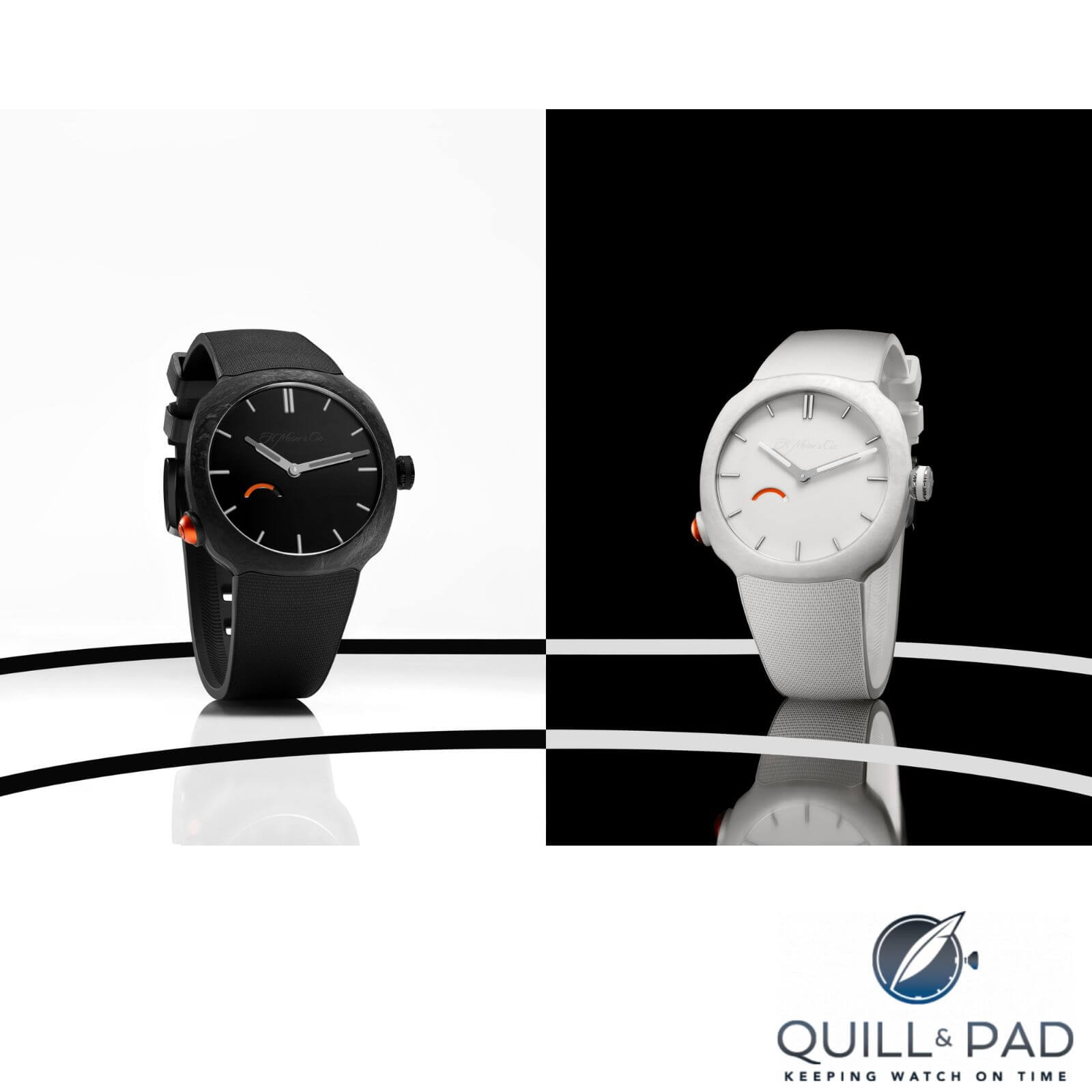
The Pump, a member of Moser’s avant-garde Streamliner collection, embodies the brand’s ethos of "lived rather than proclaimed" tradition and innovation. This collection has become a canvas for Moser’s most distinctive and conceptually driven timepieces. The brand, along with its sister company Hautlence, operates with a commitment to robust watchmaking fundamentals while consistently producing surprising and often playful creations.
A Maverick Strategy: The Birth of the "Unbrand"
The term "maverick" aptly describes H. Moser & Cie.’s strategic departure from established branding paradigms. Originating from animal husbandry, a maverick is an unbranded stray, and by extension, an individual or organization that refuses to conform. In the context of watchmaking, this translates to a company whose success is built not on overt brand messaging, but on the strength of its product, its innovation, and its ability to spark conversation.
The Meylan family, led by brothers Edouard and Bertrand Meylan, with the seasoned guidance of their father, Georges-Henri Meylan (a former CEO of Audemars Piguet), has been instrumental in this repositioning. Upon acquiring H. Moser & Cie. in 2012, they inherited a brand known for its classical watches featuring exquisite fumé dials in muted earth tones. While the horological foundations were undeniably solid, the brand lacked a distinct contemporary edge.
From Tradition to Disruption: A Timeline of Innovation
The Meylan family’s vision involved a strategic overhaul, discontinuing certain lines and investing heavily in research and development to carve out a unique market segment. This ambition was evident from early collaborations. Notable partnerships with Studio UnderdOg, a streetwear-influenced design house, and the avant-garde MB&F demonstrated Moser’s willingness to explore diverse creative avenues.
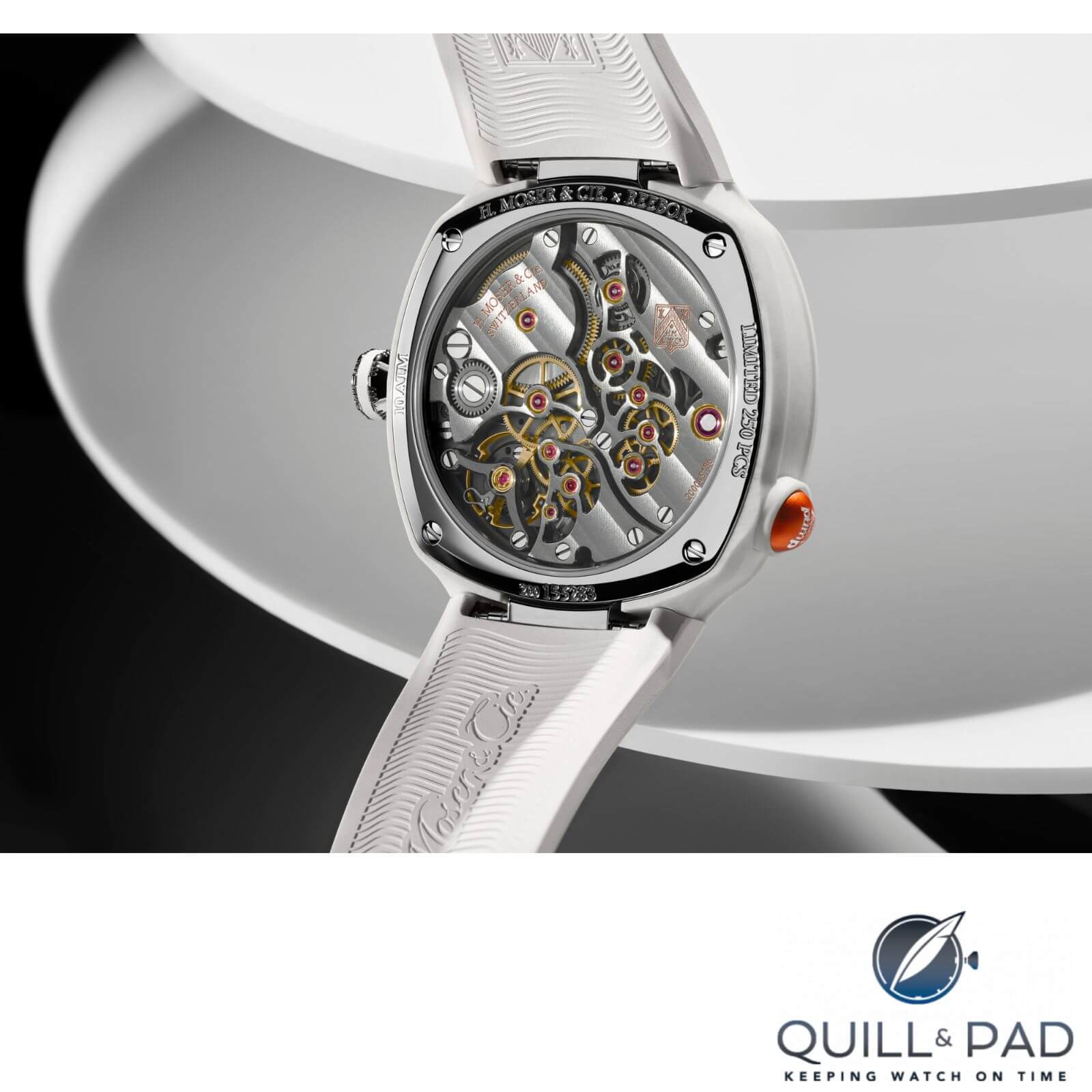
The Pump’s genesis is a prime example of this bold approach. Moser drew inspiration from a rather unexpected source: the iconic Reebok Pump sneaker, first released in 1989. This revolutionary athletic shoe featured an internal air chamber that could be inflated via a distinctive orange button on the tongue, allowing wearers to customize the fit. Moser’s interpretation ingeniously translates this mechanism into a timepiece. The orange pusher on the Pump’s forged quartz fiber case, crafted from anodized aluminum, serves a dual purpose: it initiates a full wind-up of the hand-wound HMC 103 manufacture calibre, or alternatively, the traditional crown at 3 o’clock can be used. A power reserve indicator, subtly integrated as a slit on the dial, completes this functional innovation.
The choice of forged quartz fiber for the case is significant. This material, rare in watchmaking, offers exceptional lightness and resistance, contributing to the Pump’s modern aesthetic. The initial releases are limited to 250 pieces each in white and black, with the potential for future color variations hinting at the brand’s ongoing exploration of material possibilities.
The Swiss Alp Watch: A Provocative Statement
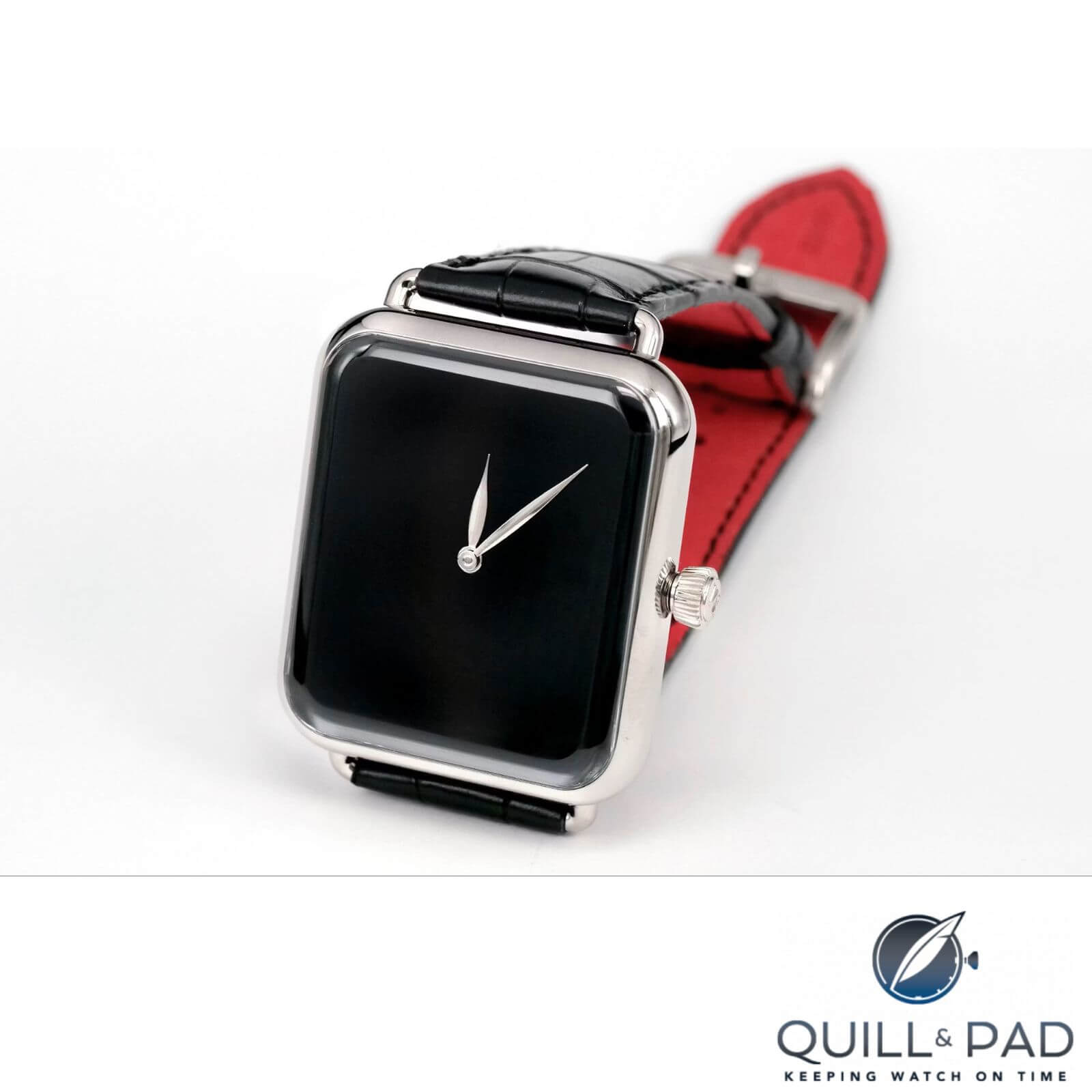
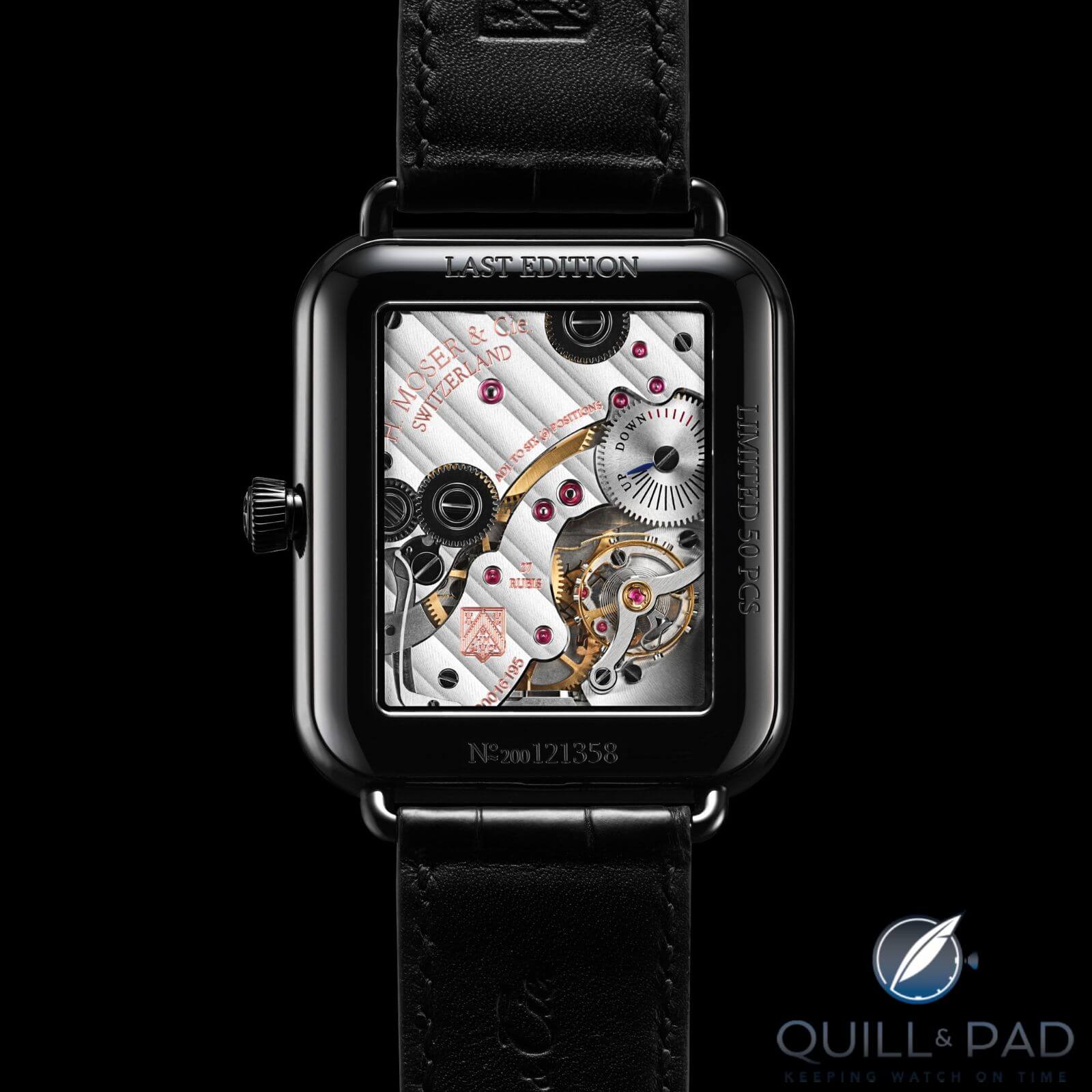
Perhaps Moser’s most audacious move came in 2015, in direct response to the burgeoning smartwatch market. While Apple unveiled its connected watch, H. Moser & Cie. launched the Swiss Alp Watch. This rectangular timepiece, measuring 38.2mm x 44.0mm, was intentionally designed to resemble a smartwatch in form, yet it was a purely mechanical marvel. It was a bold statement, a running joke, and a concept watch all rolled into one, sparking widespread debate and firmly placing Moser in the global conversation.
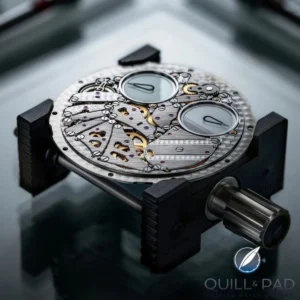
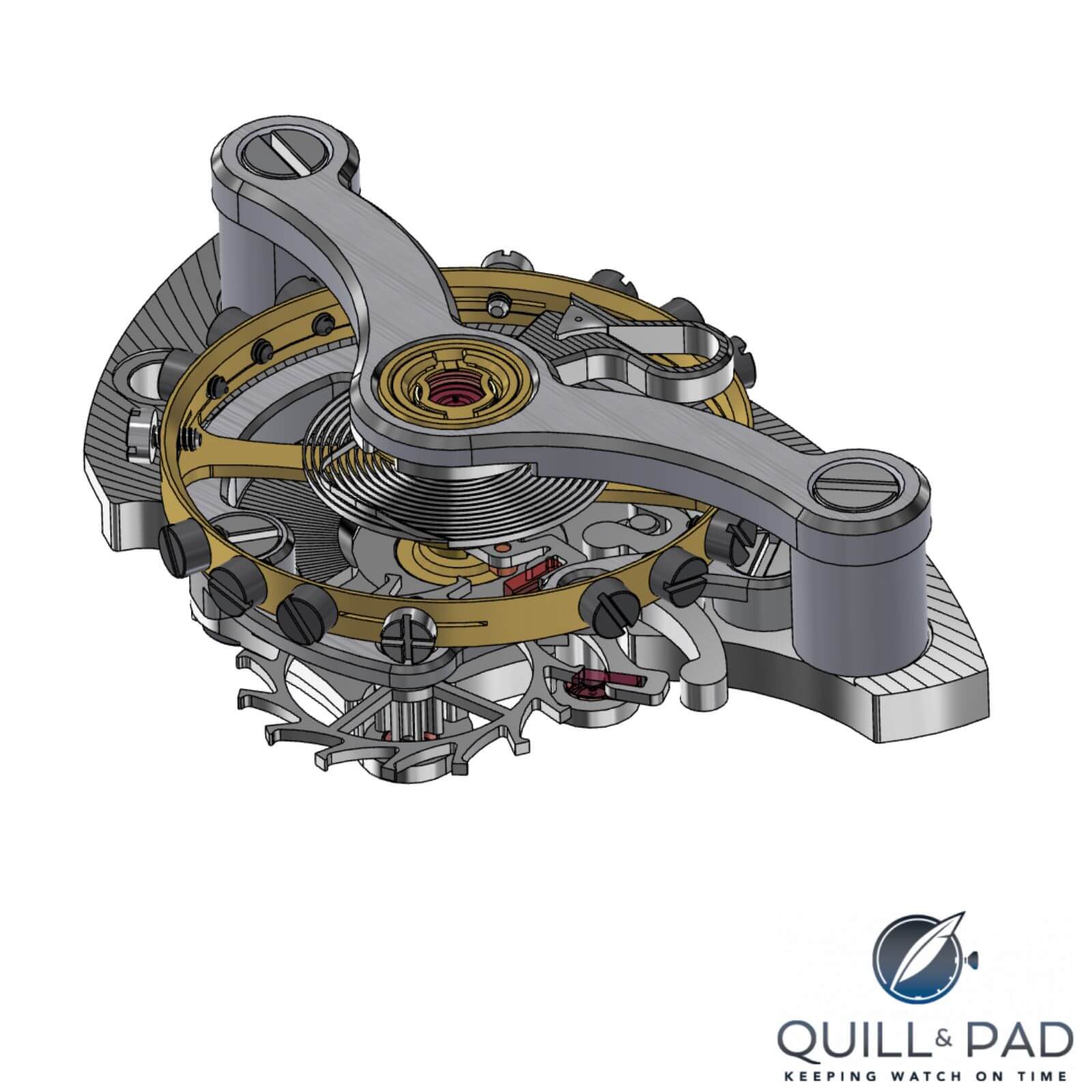
This strategic provocation was not merely for show. Behind the playful exterior lay exceptional horological craftsmanship. The Swiss Alp Watch models were powered by the HMC 324 calibre, a rectangular movement beating at 18,000 vibrations per hour and boasting a 100-hour power reserve. Its mainplate and bridges featured Moser’s signature double "Moser stripes," a testament to the brand’s commitment to high-end finishing.
Nicholas Hofmann, H. Moser & Cie.’s International Sales Director, explained the brand’s daring approach: "We needed to discontinue some things and examine what could be improved. I think that was one of the biggest successes: not following in the footsteps of an existing brand, but truly carving out our own territory, our own segment in the market." He further elaborated on the credibility behind their audacious moves: "People took us seriously with the Swiss Alp Watch, with and the ‘cheese watch,’ because behind it all we had a genuine, vertically integrated manufacture. We had the expertise, we’re specialists in balance springs and balance wheels, so we had a certain credibility. If we’d just been assemblers of off-the-shelf movements and, on top of that, played up this slightly fun, disruptive side, I think it wouldn’t have gone down so well with collectors."
Evolution and Expansion: A Growing Horological Empire
The success of the Swiss Alp Watch paved the way for further innovative iterations. The Swiss Alp Watch Zzzz (2017) invited wearers to "slow down time" with its minimalist dial. Subsequent versions explored materials like Vantablack, a light-absorbing material, and incorporated minute repeaters and tourbillons, underscoring the serious horological underpinnings of these playful concepts. The final iteration in 2021 featured a "loading" sub-seconds display, a witty nod to the Apple Watch’s startup animation.
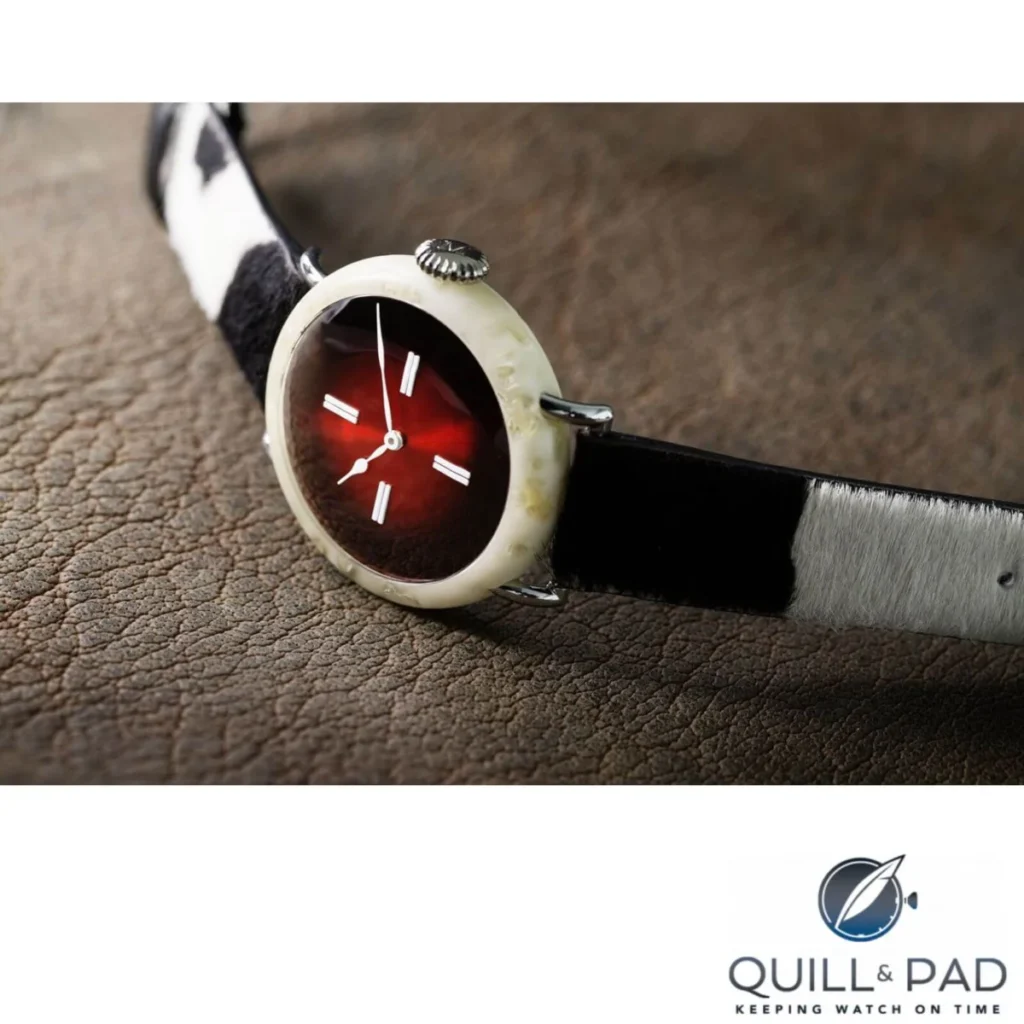
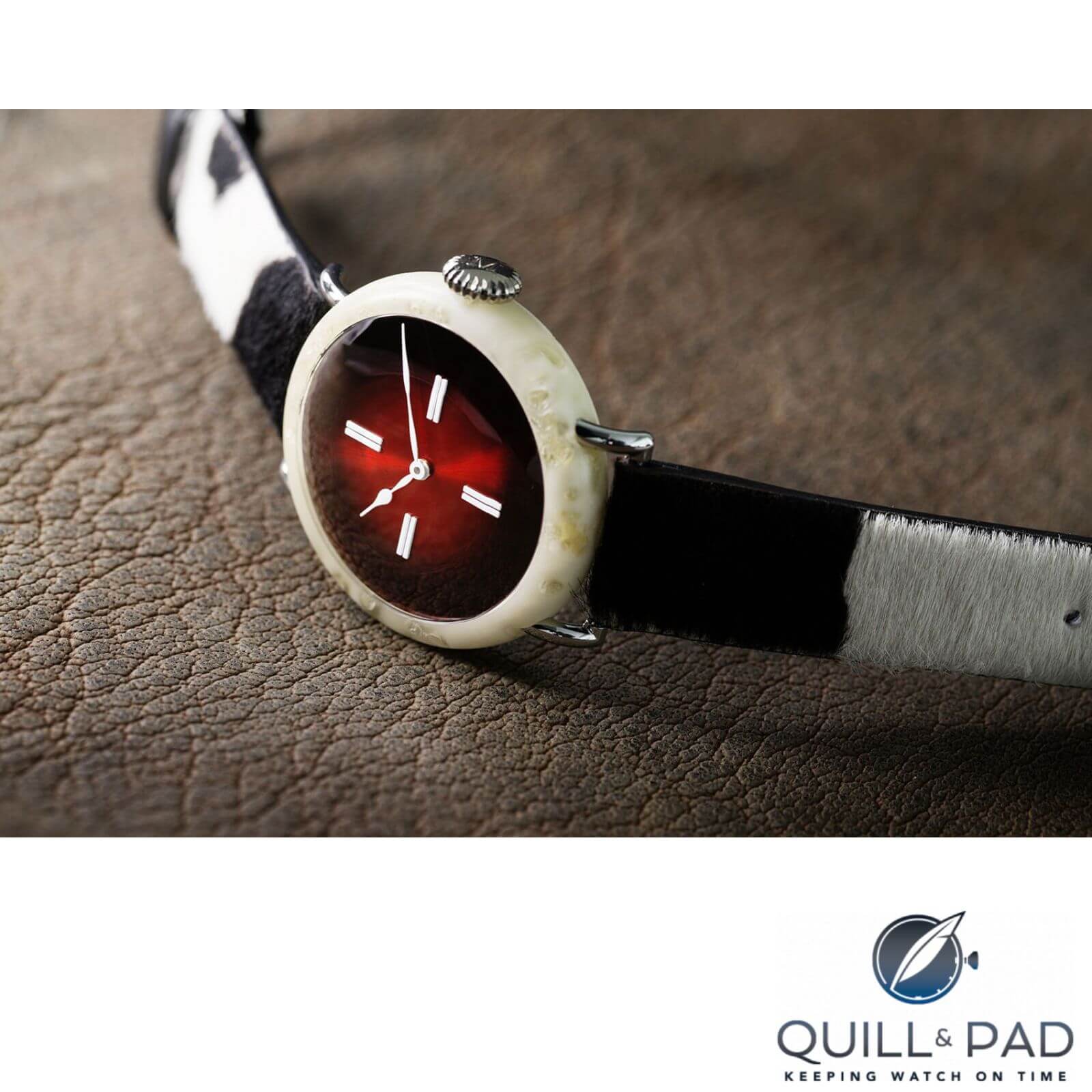
Moser’s provocations extended to the Swiss Mad Watch, a striking timepiece encased in cheese, a protest against the perceived dilution of the "Swiss Made" label. The Frankenstein Watch, a daring assembly of iconic components from rival brands, also drew industry attention, albeit with a stern reception from some quarters. These bold moves, however, allowed Moser to walk a fine line between serious watchmaking and genuine entertainment.
The brand’s commitment to innovation also led to strategic acquisitions. In 2023, Moser invested in Agenhor, a renowned movement and module developer responsible for some of the most celebrated timepieces from brands like Hermès, Fabergé, and Van Cleef & Arpels. This move further solidified Moser’s in-house capabilities and access to cutting-edge horological engineering.
The Streamliner Collection: Defining a Modern Icon
The launch of the Streamliner family in 2020 marked another significant milestone. While initially polarizing due to its unconventional case shape and intricately designed dial, the Streamliner has since cemented its status as a serious and desirable watch. It has become the platform for a diverse range of expressions, from minimalist dials in vibrant frosted colors to complex tourbillons and skeletonized movements. The collection also features unique executions like the "griffé" (scratched) dial in a gold case and the Perpetual Moon model presented on dyed meteorite.
Complementing the Streamliner, Moser’s established collections, including Heritage, Pioneer, and Endeavour, continue to evolve. The Endeavour Flyback Chronograph Dual Time, for instance, showcases Agenhor’s influence with its integrated flyback chronograph, second time zone, and date display, powered by the HMC 730 calibre.
Moser’s penchant for vibrant and striking colors, as seen in the Pioneer Center Seconds Sun Berry with its audacious yellow and pink dial, or the Endeavour Pop Collection featuring turquoise, coral, lapis lazuli, and jade, demonstrates a willingness to embrace daring aesthetics. Yet, for those with more conservative tastes, the Endeavour Perpetual Calendar Concept Tantalum offers a minimalist dial, proving that Moser can cater to a spectrum of preferences without compromising its identity.
The Paradox of the "Unbrand"

H. Moser & Cie.’s strategy presents a fascinating paradox. By deliberately eschewing traditional branding, the company has paradoxically forged one of the most recognizable and distinctive identities in independent watchmaking. This "unbrand" approach, characterized by continuous surprise and a playful yet serious commitment to horological excellence, has allowed Moser to maintain a unique position in a competitive market.
As the brand approaches the anniversary of its founding by Heinrich Moser in St. Petersburg in 1828, anticipation is high for what lies ahead. Nicholas Hofmann hints at "big things," but the very essence of Moser’s success lies in its unpredictability. This calculated unpredictability, coupled with a foundation of genuine technical prowess and a family-backed ownership structure that permits long-term vision and risk-taking, ensures that H. Moser & Cie. will continue to provoke, surprise, and captivate the watchmaking world for years to come. The brand’s journey is a testament to the power of authenticity and innovation in an industry often defined by legacy and tradition.